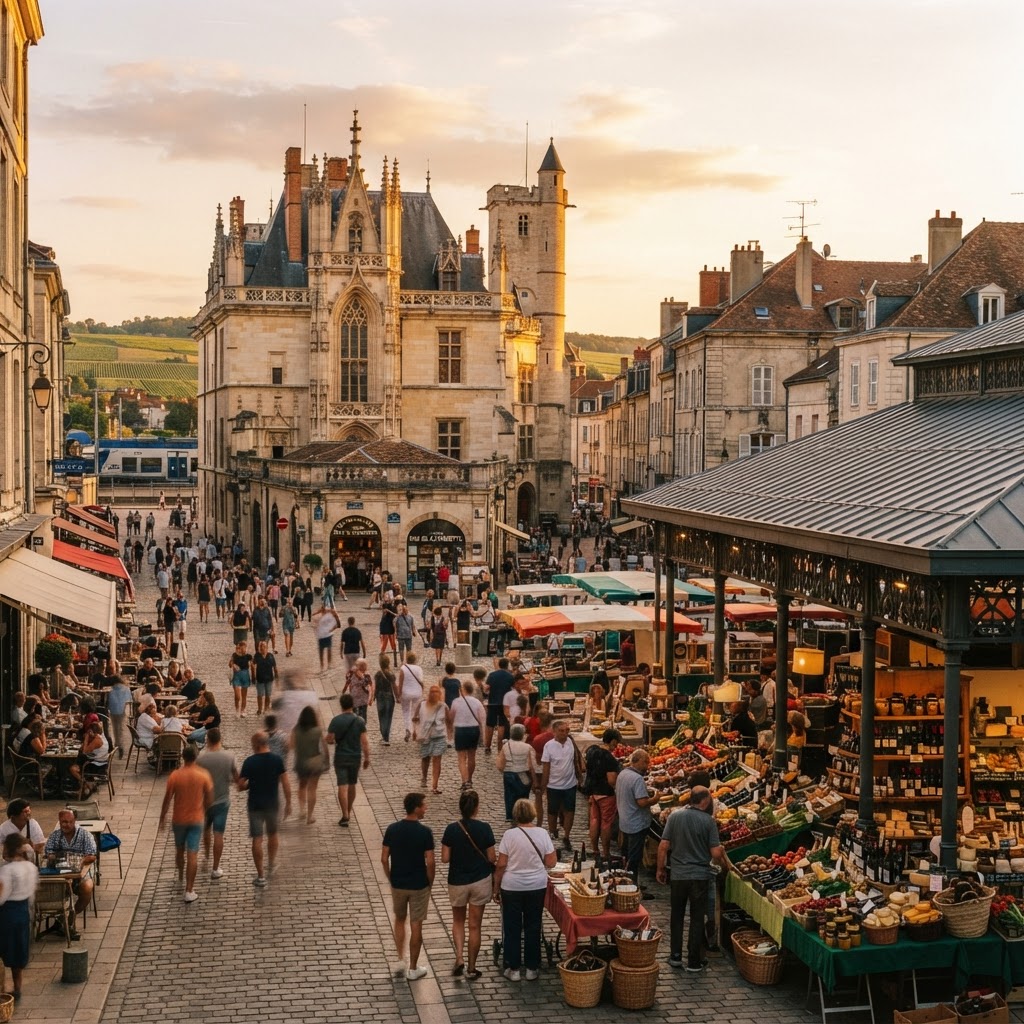
France
Dijon
Ducal architecture, legendary market tables, and the direct rail gateway to the Côte de Nuits.
Plan & book
Sort your Dijon trip in one place.
We point you to the booking tools we'd actually use — live prices, no markup. Or let us build the day-by-day plan around you first, then book.
Dijon is the former seat of the powerful Dukes of Burgundy, defined today by a remarkably preserved pedestrian center of creamy limestone hhotels particuliers and half-timbered townhouses. Far more than a condiment namesake, it is a refined provincial capital that balances high culture—anchored by the Palais des Ducs and the Musée des Beaux-Arts—with an uncompromising culinary obsession. Just 95 minutes from Paris by TGV, Dijon functions both as an autonomous epicurean weekend escape and the most practical urban base for venturing south along the Route des Grands Crus.
3 days
Best time
May to June and September to October offer the premier balance of terrace weather, regional market bounty, and vineyard energy.
Build your own trip with these prebuilt itineraries
Each one is a tested, day-by-day plan for Dijon — start here, then make it yours.
5 Days in Dijon: Grand Burgundy Hub & Beyond in Dijon
Complete regional experience pairing the walkable city center with day trips to rural Côte de Nuits vineyards and Auxois châteaux
3 Days in Dijon: Gastronomy & Terroir in Dijon
Deep dive into culinary traditions, Les Halles food markets, artisanal mustard, and relaxed evening wine bars
2 Days in Dijon: Ducal History & Pedestrian Charm in Dijon
First-timer urban highlights focusing on medieval architecture, the Musée des Beaux-Arts, and car-free historic strolls
Go for one of France's most coherent historic centers where medieval, Renaissance, and neoclassical architecture remain fully walkable without the crush of mass tourism found in Paris or Lyon. Dijon is built for travelers who treat food and wine seriously: you can browse the 19th-century covered market of Les Halles in the morning, inspect the Tombs of the Dukes of Burgundy by afternoon, and spend your evenings working through regional Pinot Noirs and local cheeses like Époisses at independent bistros. It offers aristocratic grandeur at a relaxed, human scale.
Where to stay
Getting there
Getting around
Food & drink
What it costs
Things to do
Book tours & tickets in DijonSkip it if
Travelers seeking late-night clubbing or frantic metropolitan energy should look to Lyon or Paris instead; Dijon's nightlife is civilized, revolving around quiet wine bars and restaurant terraces. It is also not ideal for those who prefer sprawling modern resort amenities or travelers entirely uninterested in historic architecture, French food, and wine culture.
When to go
Spring and early autumn hit the absolute sweet spot for comfortable walking across Dijon's cobbled pedestrian core without midsummer heat. Harvest in September and October charges the adjacent Côte de Nuits with activity, while avoiding the August closures when many independent restaurateurs take their annual holidays.
Peak (May–Jun & Sep–Oct)
Crisp mornings, warm sunny afternoons, and active harvest season in the nearby vineyards. Advance restaurant bookings and lodging reservations are mandatory.
Shoulder (Jul–Aug & Apr)
July and August bring warmer days and quieter residential streets as locals depart for vacation; some elite bistros close for two to three weeks in August. April is cool and peaceful for sightseeing.
Low (Nov–Mar)
Chilly, damp, and short daylight hours, but minimal tourist traffic and zero wait for prime tables. Ideal for leisurely museum afternoons and hearty Burgundian stews.
Neighborhoods
Where you stay shapes the trip. Here's how to think about it.
Centre Historique (Old Town)
Creamy limestone hôtels particuliers, cobblestone alleys, and buzzing outdoor café terraces surrounding Place de la Libération.
Best for:First-timers, architecture lovers, and travelers who want everything on foot.
Don't miss:Rubbing the carved stone owl with your left hand on the north wall of Église Notre-Dame, followed by an espresso on Place de la Libération.
Les Halles & Rue des Forges
Bustling gastronomic quarter centered around the historic 19th-century metal-and-glass market hall and boutique food shops.
Best for:Food-focused travelers, market grazers, and independent shoppers.
Don't miss:The Tuesday, Friday, or Saturday morning food market inside Les Halles Centrales, sampling Époisses cheese and gougères at the counter stalls.
Faubourg Saint-Pierre & Darcy
Stately 19th-century Haussmann-style boulevards, tranquil manicured gardens, and grand civic gates.
Best for:Travelers seeking classic elegance, quiet evenings, and easy access between the train and the historic center.
Don't miss:Strolling Jardin Darcy to view François Pompon’s celebrated white polar bear sculpture before heading under the Porte Guillaume triumphal arch.
Gare & Port du Canal
Practical transit-adjacent hub that opens into a revitalized canal basin popular for casual waterside apéritifs.
Best for:Transit-heavy itineraries, rail-focused day-trippers, and budget travelers.
Don't miss:An early evening stroll along the Quai Nicolas Rolin as canal barges cruise toward the Ouche river.
Cité Internationale de la Gastronomie
Modern culinary district housed in a reimagined 16th-century former hospital complex south of the railway line.
Best for:Wine collectors, culinary scholars, and design enthusiasts.
Don't miss:A flight tasting from hundreds of regional bottles served by Enomatic dispensers at the Cave de la Cité.
Destination intelligence
Updated 9/14/2026The structured record we plan every Dijon itinerary from.
Walkability
Dijon's historic center is among the most pedestrian-friendly in France. Cobblestone streets, paved plazas, and traffic-calmed lanes make walking the primary and most enjoyable way to see the city.
Transit quality
High. Two efficient modern tram lines run early to late, supplemented by frequent city buses and a free electric shuttle traversing the pedestrian core every 10 minutes.
Car needed
No for the city; keep the car out of Dijon. Only rent a car for day trips through rural vineyard villages or Auxois châteaux that lack direct train stations.
Ideal duration
3 days
Minimum useful
2 days
Peak season
May to June and September to October bring optimal mild weather, vineyard harvest activity, and outdoor terrace dining.
Shoulder season
July to August (warm and moderately busy, though French vacations quiet local rhythms) and April (crisp, quiet sightseeing).
Low season
November through March: cooler and damp, with shorter daylight hours, but minimal crowds and prime conditions for cozy bistro dining.
Best for
Common mistakes
- Renting a car while staying inside Dijon: historic center streets are narrow, heavily pedestrianized, and parking garages are costly and inconvenient.
- Assuming Les Halles market is open every day: the indoor market is only open on Tuesdays, Thursdays, Fridays, and Saturday mornings.
- Treating Dijon merely as a 4-hour lunch stop on the way to Beaune or Lyon, missing the Musée des Beaux-Arts and evening wine bars entirely.
- Arriving at popular independent bistros without reservations: dining spots with fewer than 30 covers fill up days in advance, especially on weekends.
- Buying commercial supermarket mustard instead of visiting artisanal makers or sampling authentic IGP Moutarde de Bourgogne made with regional seeds and local white wine.
Best nearby
How to plan it
- Stay in Centre Historique or near Place Darcy to eliminate any need for public transit or taxis during your city stay.
- Time your visit to include a Tuesday, Friday, or Saturday morning to experience Les Halles market at peak operation.
- Do not rent a car to visit Beaune; the regional TER train links Dijon-Ville to Beaune station in just 20 minutes without parking hassles.
- Book coveted lunch and dinner tables at classic bistros 2 to 4 weeks ahead, as Dijon's best tables prioritize reservations over walk-ins.
- Follow the numbered bronze brass plaques of the Owl Trail (Parcours de la Chouette) embedded in the pavement for an intuitive self-guided architectural orientation on your first afternoon.
Questions
More in France
Corsica, France
France
Granite peaks rising from turquoise bays, untamed maquis, and fiercely independent coastal citadels.
Rouen, France
France
Gothic spires, timbered medieval quarters, and impressionist light just 90 minutes from Paris.
Reims, Grand Est, France
France
Gothic coronation grandeur and subterranean Roman chalk cellars filled with Champagne
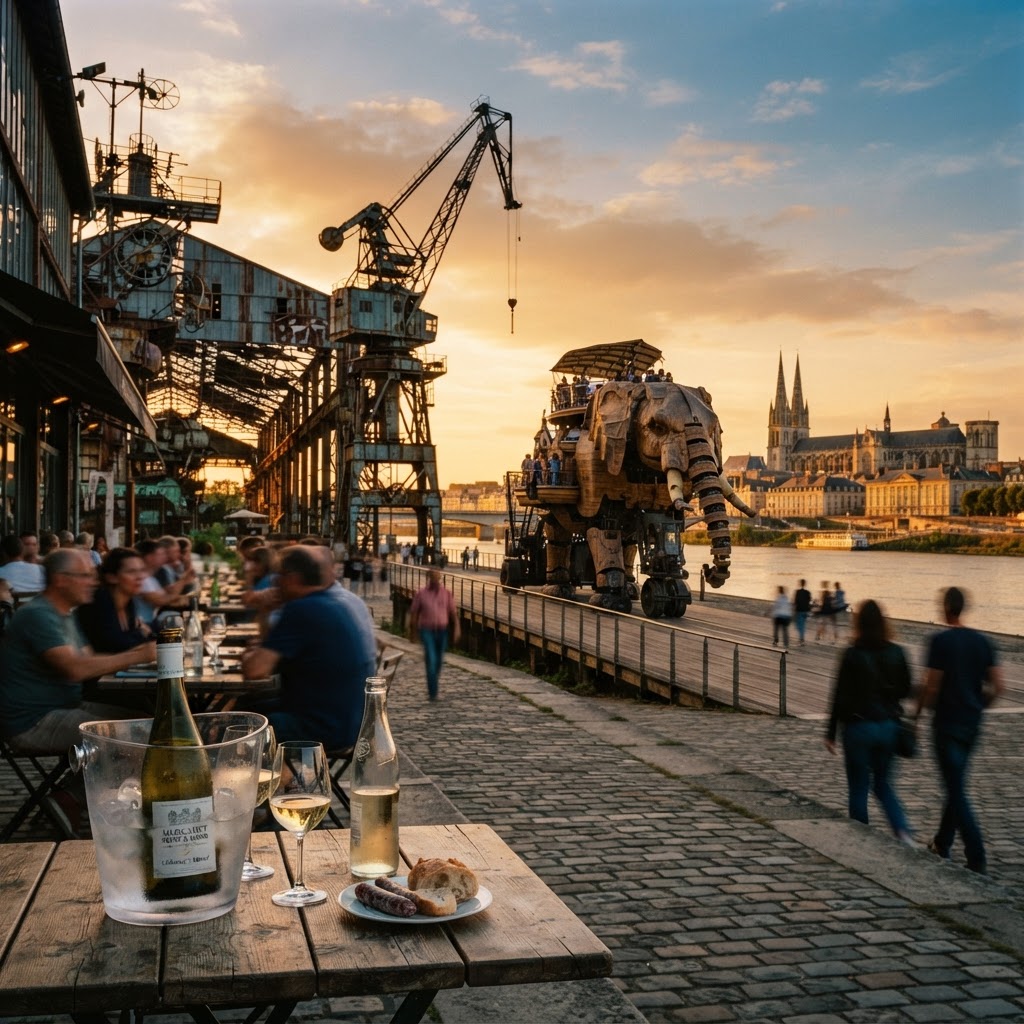
Nantes, France
France
Industrial shipyards reimagined through Jules Verne surrealism, crisp Muscadet, and radical public art.
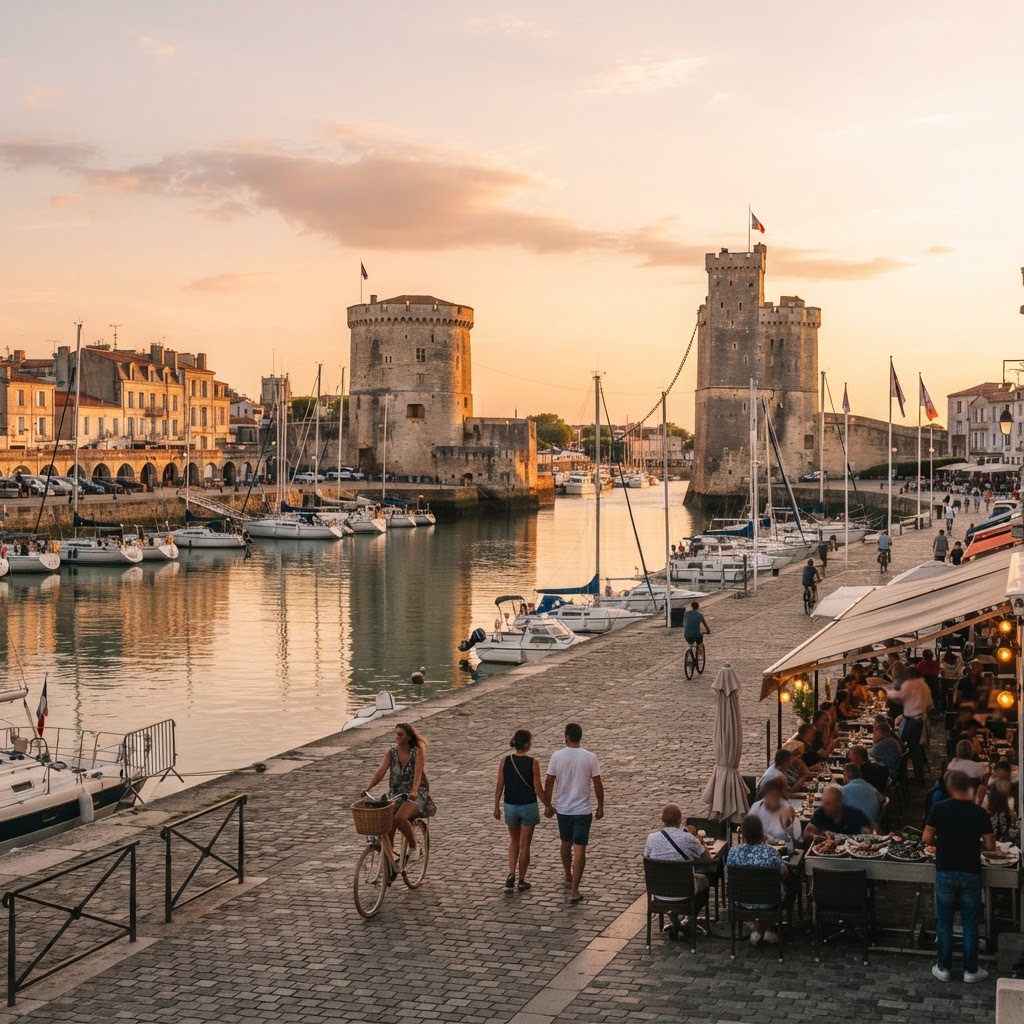
La Rochelle
France
A luminous Atlantic maritime fortress tuned for seafood, cycling, and island hopping
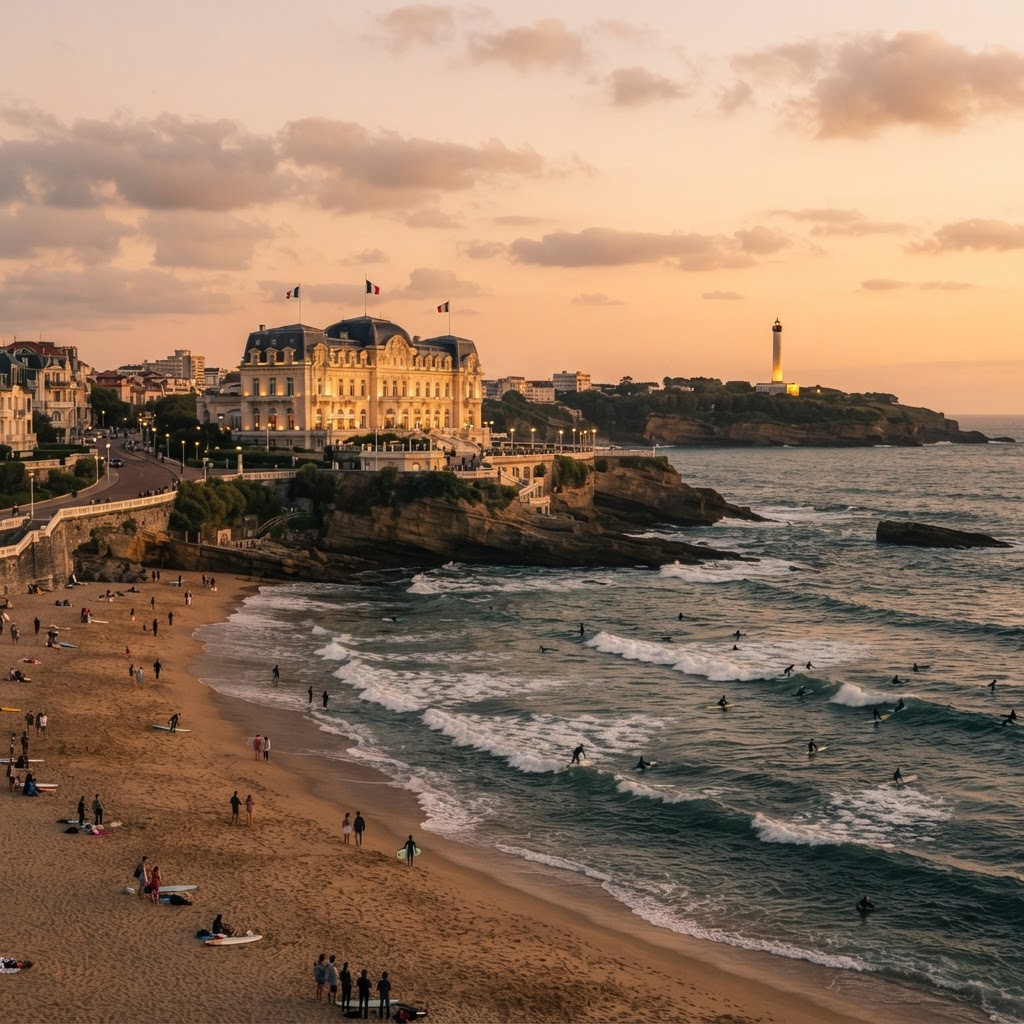
Biarritz, France
France
Napoleonic grandeur meets Atlantic surf culture on the French Basque coast.
Readymade itineraries
Start from a tested template — then make it yours.
Ready to book
Lock in your Dijon trip
Everything in one place. We may earn a small commission — it never costs you more.
Plan a trip to Dijon
Pick a length and we'll build a day-by-day plan around how you travel — neighborhoods clustered, budget-aware, and editable.
Get better at planning trips like this
Occasional notes on planning smarter — no spam, unsubscribe anytime.
Plan a trip to Dijon
Turn this guide into a day-by-day plan built around your pace, your group, and your budget.
Build my Dijon trip