Malaysia
Cameron Highlands, Malaysia
Misty tea slopes, temperate jungle treks, and cool hill-station respite.
Plan & book
Sort your Cameron Highlands, Malaysia trip in one place.
We point you to the booking tools we'd actually use — live prices, no markup. Or let us build the day-by-day plan around you first, then book.
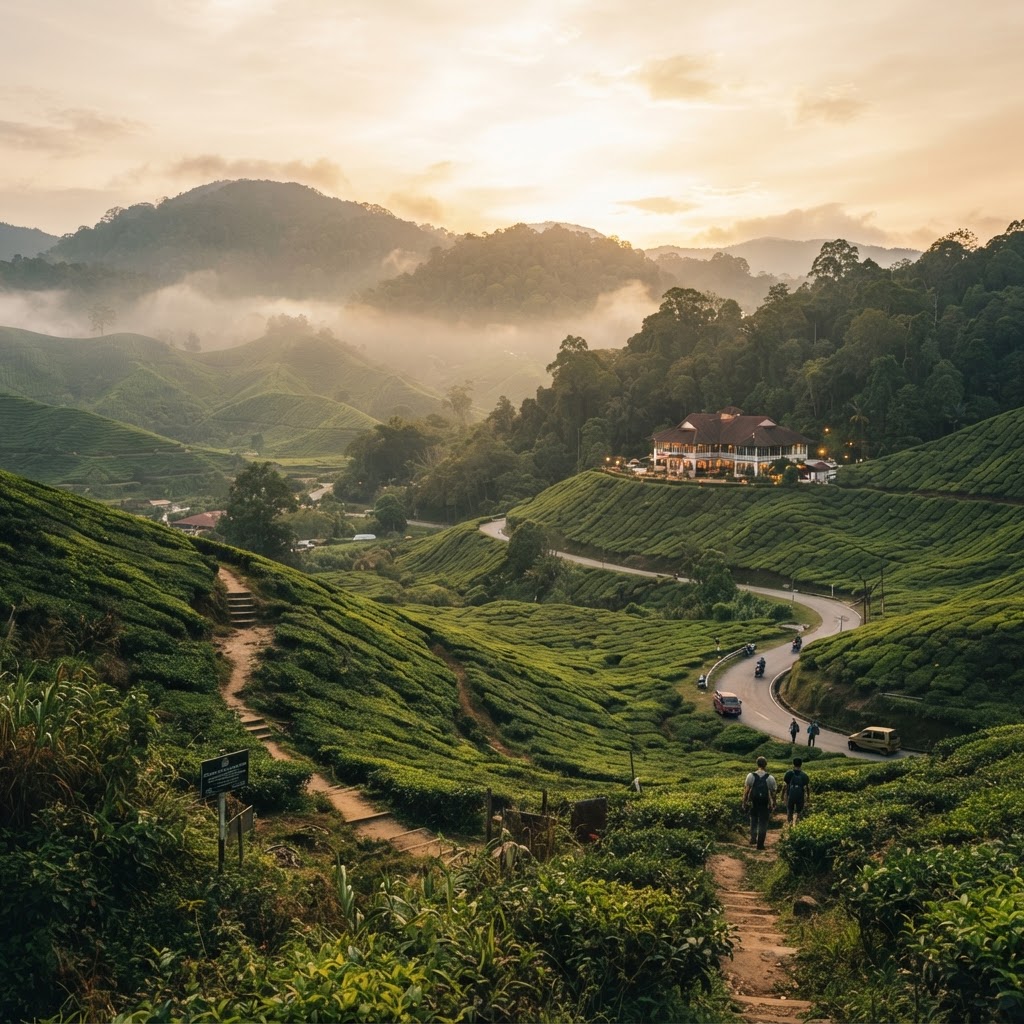
Perched 1,500 meters above peninsular Malaysia's tropical plains, Cameron Highlands offers an immediate break from equatorial heat with brisk mountain air, emerald tea terraces, and moss-draped cloud forests. While its roadside strips suffer from rapid commercialization and weekend gridlock, travelers who venture onto the jungle walking tracks, visit heritage tea plantations off-peak, and linger in quiet colonial retreats will discover a deeply restorative mountain landscape.
3 days
Best time
Midweek between February and April for the driest trails, clearest mountain views, and manageable roads.
Build your own trip with these prebuilt itineraries
Each one is a tested, day-by-day plan for Cameron Highlands, Malaysia — start here, then make it yours.
3 Days of Cloud Forests & Mountain Trails in Cameron Highlands
An active trekking route focusing on the Mossy Forest, Gunung Brinchang vistas, and rugged jungle trails based out of Tanah Rata.
4 Days of Colonial Heritage & Rural Slow Living in Cameron Highlands
A relaxed, slower-paced stay focused on Tudor-style architecture, local farm culture, quiet walks, and off-peak scenic tea viewpoints.
2 Days of Cool Highlands & Classic Tea in Cameron Highlands
A mid-week transit stop between KL and Penang covering BOH tea estates, heritage scones, and central valley highlights without the weekend gridlock.
The singular draw is trading 33°C tropical humidity for 18–24°C crisp mountain breezes while wandering through dramatic highland tea estates and montane cloud forests. It is peninsular Malaysia's premiere cool-climate escape, pairing hiking along forested trails with warm local claypot steamboat dinners and historic tea-room culture.
Where to stay
Getting there
Getting around
Food & drink
What it costs
Skip it if
Skip if your route is tight and you dread motion sickness from 90 minutes of tight switchback roads, or if you expect pristine wilderness right off the highway—the main corridor is heavily developed with concrete agritourism hubs and plastic greenhouses.
When to go
This window dodges the heavy monsoon washouts that prompt forestry trail closures, while avoiding the paralyzing gridlock of domestic summer school holidays. Visiting Tuesday to Thursday ensures tea plantation viewing decks remain quiet and accessible.
Peak (June to August & late December)
Surging domestic and Singaporean holiday crowds; narrow mountain routes freeze into multi-hour jams and parking at tea centers is extremely difficult.
Shoulder (February to May & September to October)
Ideal hiking window with mild 20–23°C weather, dry trail paths, fewer tour coaches, and deeply emerald plantation slopes.
Low (November through January)
Northeast monsoon brings relentless afternoon downpours, slippery slopes, and annual Forestry Department closures across most mountain trekking routes.
Neighborhoods
Where you stay shapes the trip. Here's how to think about it.
Tanah Rata
Backpacker hub and logistical core packed with laid-back coffee shops, Indian restaurants, and trailheads.
Best for:independent travelers, hikers, transit-reliant visitors
Don't miss:Breakfast roti canai and pulling trail tips along the main Jalan Besar strip before setting out on Trail 10.
Brinchang
Bustling, commercial township dominated by steamboat eateries, multistory shop-lots, and heavy weekend vehicle traffic.
Best for:families, group dining, food lovers
Don't miss:A boiling charcoal steamboat dinner packed with highland vegetables on a brisk 16°C night.
Kea Farm & Rose Valley
Agricultural ridgeline chaotic with strawberry farms, bee centers, roadside market stalls, and tour buses.
Best for:families with young kids, farm-stand grazers
Don't miss:Steamed Cameron sweet corn and freshly picked strawberries dipped in chocolate at the morning Kea Farm Market.
Ringlet & Habu
Sleepy, untouristed southern entry gate bordered by working vegetable farms and heritage tea estates.
Best for:peace seekers, heritage lodge stays, plantation photography
Don't miss:A peaceful morning walk and pot of highland blend at the original 1929 BOH Tea Garden at Habu.
Destination intelligence
Updated 9/14/2026The structured record we plan every Cameron Highlands, Malaysia itinerary from.
Walkability
Low overall. While Tanah Rata town center is walkable for meals and basic amenities, major attractions are strung out along kilometers of narrow mountain highway without sidewalks.
Transit quality
Poor. There is virtually no reliable intra-town public bus system; travel depends on limited Grab availability, licensed hill taxis, or organized tours.
Car needed
Beneficial on weekdays, but a liability on weekends due to crippling gridlock and lack of parking at major plantation tea centres.
Ideal duration
3 days
Minimum useful
2 days
Peak season
June to August and mid-December to early January, plus Malaysian and Singaporean public holidays and school vacation windows.
Shoulder season
March to May and September to October, offering pleasant daytime temperatures (20–23°C), moderate rainfall, and lighter crowds.
Low season
November through January (wettest monsoon months, with higher landslide risk and official forestry trail closures).
Best for
Common mistakes
- Visiting on a Malaysian public holiday or Saturday, resulting in multi-hour standstill traffic on the narrow single-lane spine road.
- Attempting long mountain hikes between November and January without checking forestry trail closures caused by monsoon landslides.
- Paying inflated tourist-trap prices at kitschy highway strawberry and lavender farms instead of visiting genuine tea estates and natural trails.
- Relying solely on Grab for the return leg from BOH Tea Centre or rural trailheads where cell service and drivers are nonexistent.
Best nearby
See what a trip to Malaysia actually costs. Travel Budget Co.
How to plan it
- Base yourself in Tanah Rata if you are traveling without private transport; the express bus station, trail hubs, and taxi stand are all within easy walking distance.
- Schedule your visit to the BOH Sungai Palas Tea Centre before 9:00 AM on a weekday to avoid the nerve-racking bottleneck on its single-lane access road.
- Combine Cameron Highlands as a 2-night transit break between Kuala Lumpur (4.5 hours south) and Penang or Ipoh (2 to 5 hours northwest).
- Download offline mapping via Organic Maps before hitting hiking trails, as numbered routes (like Trails 3, 5, and 10) are poorly marked on commercial mapping apps and often overgrown.
- Skip the commercial roadside agro-parks and touristy strawberry centers along the main highway; invest that time in heritage colonial afternoon tea or forest trekking instead.
Questions
More in Malaysia

Taman Negara
Malaysia
Unfiltered exploration across 130-million-year-old primary equatorial rainforest
Tioman Island, Malaysia
Malaysia
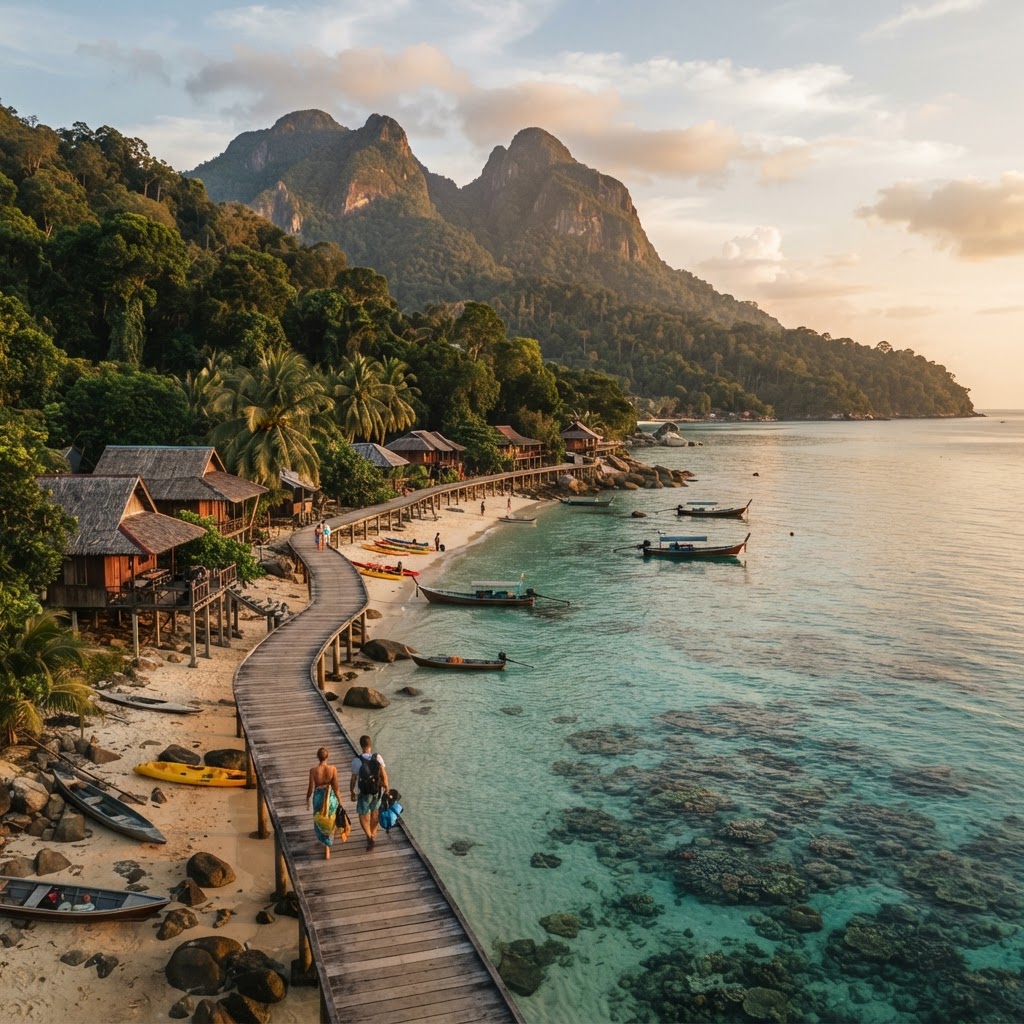
Dense granite jungle meets protected coral reefs on a slow-paced, roadless island escape.

Kuching, Malaysia
Malaysia
Colonial riverfronts, UNESCO-recognized gastronomy, and accessible Borneo wilderness.

Perhentian Islands
Malaysia
Unspoiled coral reefs, rustic beach living, and roadless ease off Malaysia’s east coast.
Readymade itineraries
Start from a tested template — then make it yours.
Ready to book
Lock in your Cameron Highlands, Malaysia trip
Everything in one place. We may earn a small commission — it never costs you more.
Plan a trip to Cameron Highlands, Malaysia
Pick a length and we'll build a day-by-day plan around how you travel — neighborhoods clustered, budget-aware, and editable.
Get better at planning trips like this
Occasional notes on planning smarter — no spam, unsubscribe anytime.
Plan a trip to Cameron Highlands, Malaysia
Turn this guide into a day-by-day plan built around your pace, your group, and your budget.
Build my Cameron Highlands, Malaysia trip