Malaysia
Kuching, Malaysia
Colonial riverfronts, UNESCO-recognized gastronomy, and accessible Borneo wilderness.
Plan & book
Sort your Kuching, Malaysia trip in one place.
We point you to the booking tools we'd actually use — live prices, no markup. Or let us build the day-by-day plan around you first, then book.
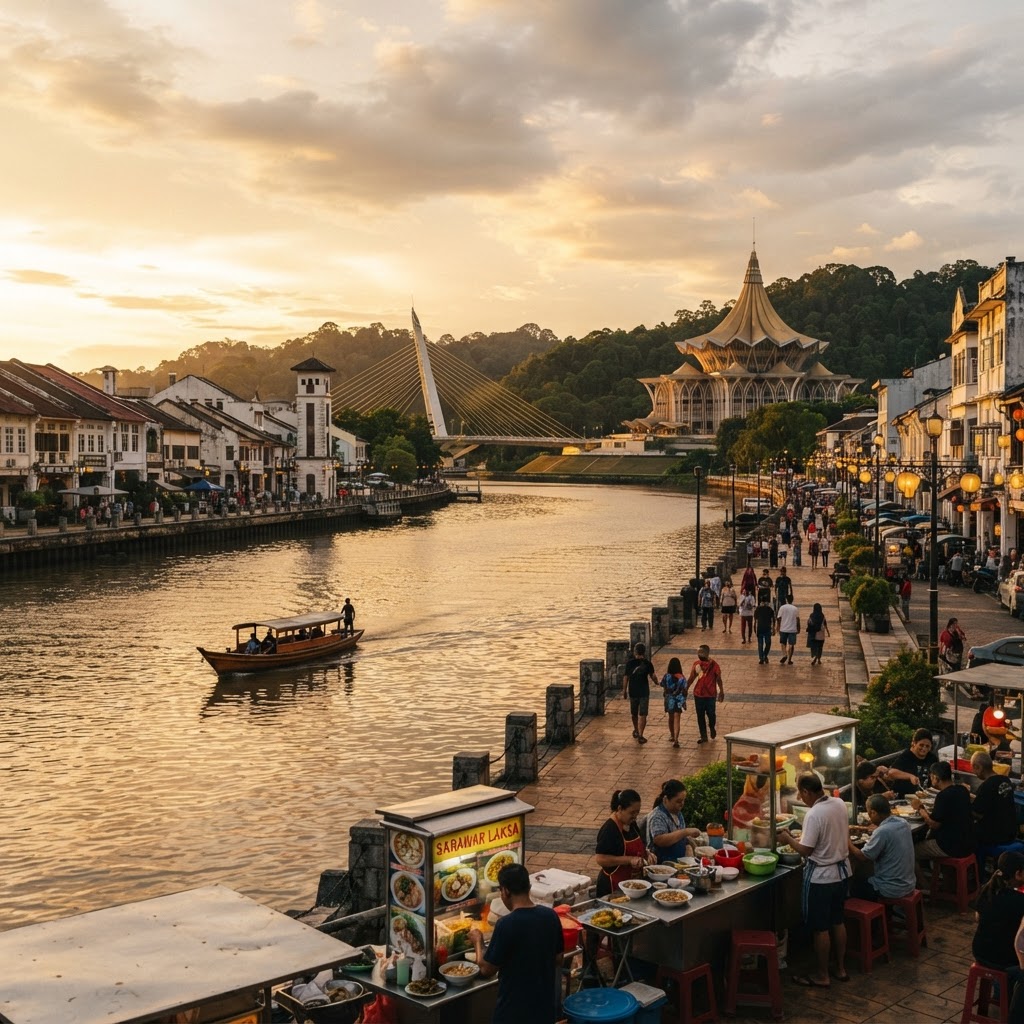
Perched along the meandering Sarawak River, Kuching is Borneo's cultural capital and one of Southeast Asia's most charming, unhurried secondary cities. Defined by 19th-century White Rajah history, vibrant multi-ethnic enclaves, and exceptional regional food, it delivers wild nature—from proboscis monkeys to semi-wild orangutans—within an hour of world-class museums and historic kopitiams.
4 to 5 days
Best time
June to August for the driest trails and wildlife visibility, or April to May for lower hotel rates and manageable weather.
Build your own trip with these prebuilt itineraries
Each one is a tested, day-by-day plan for Kuching, Malaysia — start here, then make it yours.
5 Days in Kuching: The Complete Bornean Gateway in Kuching
A balanced, comprehensive loop pairing classic city highlights and kopitiam breakfasts with immersive day trips into coastal mangroves and tribal heritage villages.
4 Days in Kuching: Rainforests & Wildlife in Kuching
An active wildlife and nature-centered adventure featuring coastal jungle treks at Bako National Park and semi-wild orangutan encounters at Semenggoh.
3 Days in Kuching: Street Food & Heritage in Kuching
A high-flavor urban journey exploring UNESCO-recognized Sarawakian gastronomy, historic waterfront architecture, and indigenous Bornean culture.
Kuching gives travelers the rare balance of high-comfort urban amenities with immediate access to pristine Bornean ecology. Unlike dense mega-hubs like Kuala Lumpur or tourist-heavy Penang, Kuching moves at a gentle walking pace, serves the world-renowned Sarawak Laksa, and lets you trek through primary coastal rainforest at Bako National Park or spot orangutans at Semenggoh Wildlife Centre on easy day trips.
Where to stay
Getting there
Getting around
Food & drink
What it costs
Things to do
Book tours & tickets in Kuching, MalaysiaSkip it if
Skip Kuching if you crave high-octane mega-mall shopping, skyscraper rooftops, and pounding 3:00 AM nightlife like Bangkok or Kuala Lumpur. It is also not ideal for travelers wanting direct walk-out coral reef diving without taking secondary domestic flights across to Sabah.
When to go
Kuching is equatorial and warm year-round, but Borneo's tropical deluges dictate park accessibility. The June-to-August dry spell provides the safest boat landings at Bako National Park, though it brings international festival crowds and peak flight costs. Shoulder months trade an occasional late-afternoon downpour for significantly quieter museum halls and open trekking paths.
Peak (June to August)
Lowest seasonal rainfall, prime jungle trekking conditions, and the Rainforest World Music Festival. Book accommodation months in advance.
Shoulder (April to May & September to October)
Short, predictable afternoon thunderstorms with high humidity, balanced by light crowds, easy Grab availability, and full hotel availability.
Low (November to February)
Northeast Monsoon season. Expect daily torrential rains, swollen rivers, and rough coastal seas that can temporarily halt boats to Bako.
Neighborhoods
Where you stay shapes the trip. Here's how to think about it.
Kuching Waterfront & Old Courthouse
Colonial riverfront promenade lined with heritage arcades, evening street food, and leisurely river breezes.
Best for:First-timers, heritage lovers, and short-stay travelers
Don't miss:Taking an RM1 wooden tambang ferry across the Sarawak River to the North Bank at sunset.
Chinatown & Carpenter Street
Atmospheric historic shophouse grid filled with tin-smiths, ancient clan temples, and generations-old kopitiams.
Best for:Food obsessives, walkable explorers, and budget boutique hotel stayers
Don't miss:Breakfast of Sarawak laksa and popiah under the ceiling fans at Choon Hui Cafe or along Carpenter Street.
India Street & Padungan
Eclectic historic trading quarter blending covered spice arcades with retro mid-century Chinese dining spots.
Best for:Street food hunters, souvenir shoppers, and evening wanderers
Don't miss:Crispy tomato crispy mee and fresh soya bean milk at the classic kopitiams of Jalan Padungan.
Santubong Peninsula & Damai
Coastal rainforest retreat framed by rugged Mount Santubong, coastal mangroves, and the South China Sea.
Best for:Beach vacationers, nature hikers, and Rainforest World Music Festival attendees
Don't miss:An afternoon at the open-air Sarawak Cultural Village followed by a sunset mangrove cruise for Irrawaddy dolphins.
Destination intelligence
Updated 9/14/2026The structured record we plan every Kuching, Malaysia itinerary from.
Walkability
High in the historic city center and waterfront areas; low outside the central district where Grab is essential.
Transit quality
Limited and infrequent municipal buses; tourist transit relies nearly exclusively on walking, Grab ride-hailing, or organized day tours.
Car needed
No. The city core is compact, and Grab is affordable and responsive for outer sanctuaries like Semenggoh or the jetty to Bako.
Ideal duration
4 to 5 days
Minimum useful
3 days
Peak season
June through August (drier weather, Rainforest World Music Festival, school holiday travel).
Shoulder season
April to May and September to October (intermittent rainfall, lower crowd numbers, great balance for hiking).
Low season
November through February (Northeast Monsoon brings heavy tropical downpours and occasional rough seas at coastal parks).
Best for
Common mistakes
- Visiting Semenggoh Wildlife Centre during the peak forest fruiting season (November to February) expecting guaranteed sightings, when orangutans frequently stay deep in the forest for wild fruit.
- Relying solely on card payments; small kopitiams, night stalls, and river sampans operate almost strictly in Malaysian Ringgit cash.
- Sleeping in late and missing iconic breakfast stalls; top Sarawak Laksa and Kolo Mee spots often sell out their best batches by 10:30 AM.
- Attempting Bako National Park as a rushed two-hour excursion without checking the tidal boat schedules and trail lengths.
Best nearby
See what a trip to Malaysia actually costs. Travel Budget Co.
How to plan it
- Base yourself within a 10-minute walk of the Kuching Waterfront to avoid needing transport for morning breakfasts and evening strolls.
- Schedule your visit to Semenggoh Nature Reserve for the 9:00 AM feeding session rather than afternoon to avoid mid-day tropical heat.
- Don't combine Bako National Park and Semenggoh on the same calendar day; each requires half to a full day of jungle hiking and transit energy.
- Reserve tickets and morning entry slots for the Borneo Cultures Museum a few days ahead on weekends to bypass ticket queues.
- Pair your trip with an extension to Mulu National Park via a direct domestic flight from Kuching if you want deep cave expeditions.
Questions
More in Malaysia
Taman Negara
Malaysia
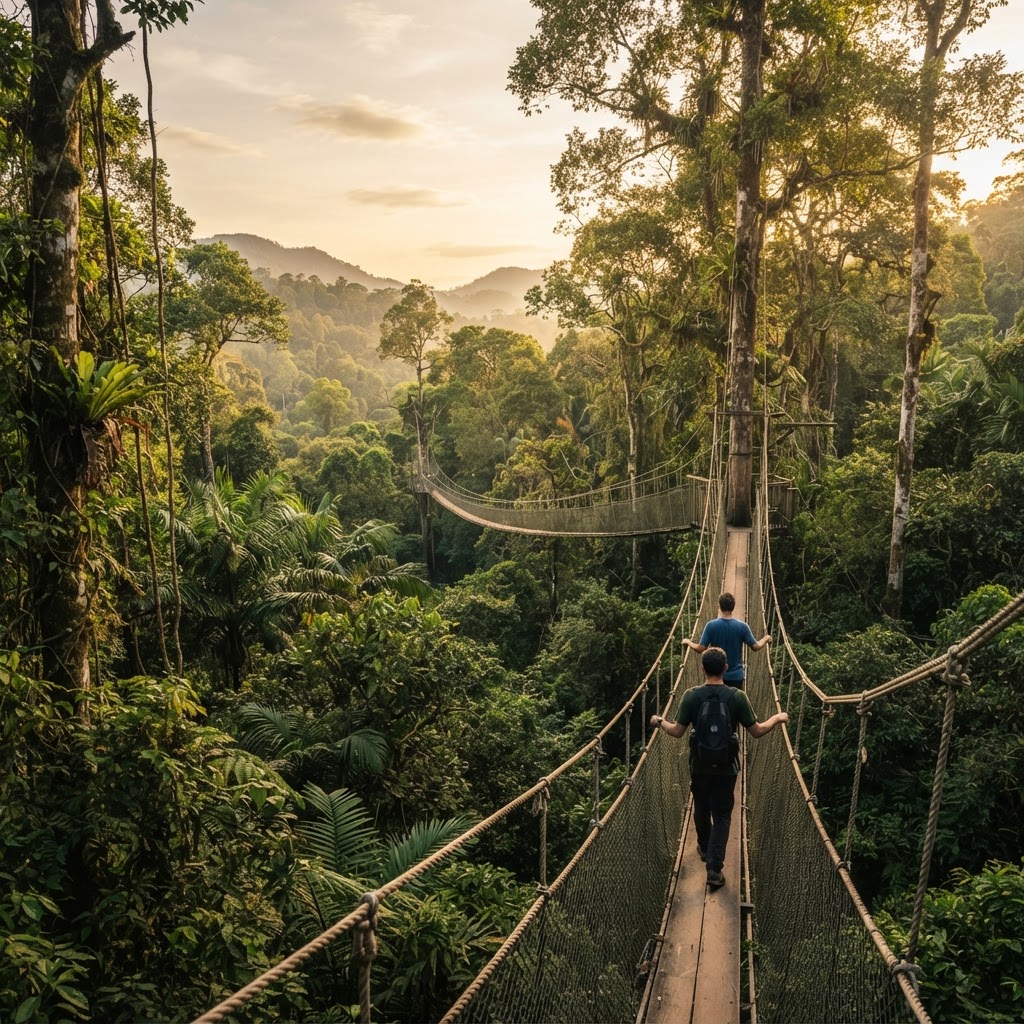
Unfiltered exploration across 130-million-year-old primary equatorial rainforest
Tioman Island, Malaysia
Malaysia
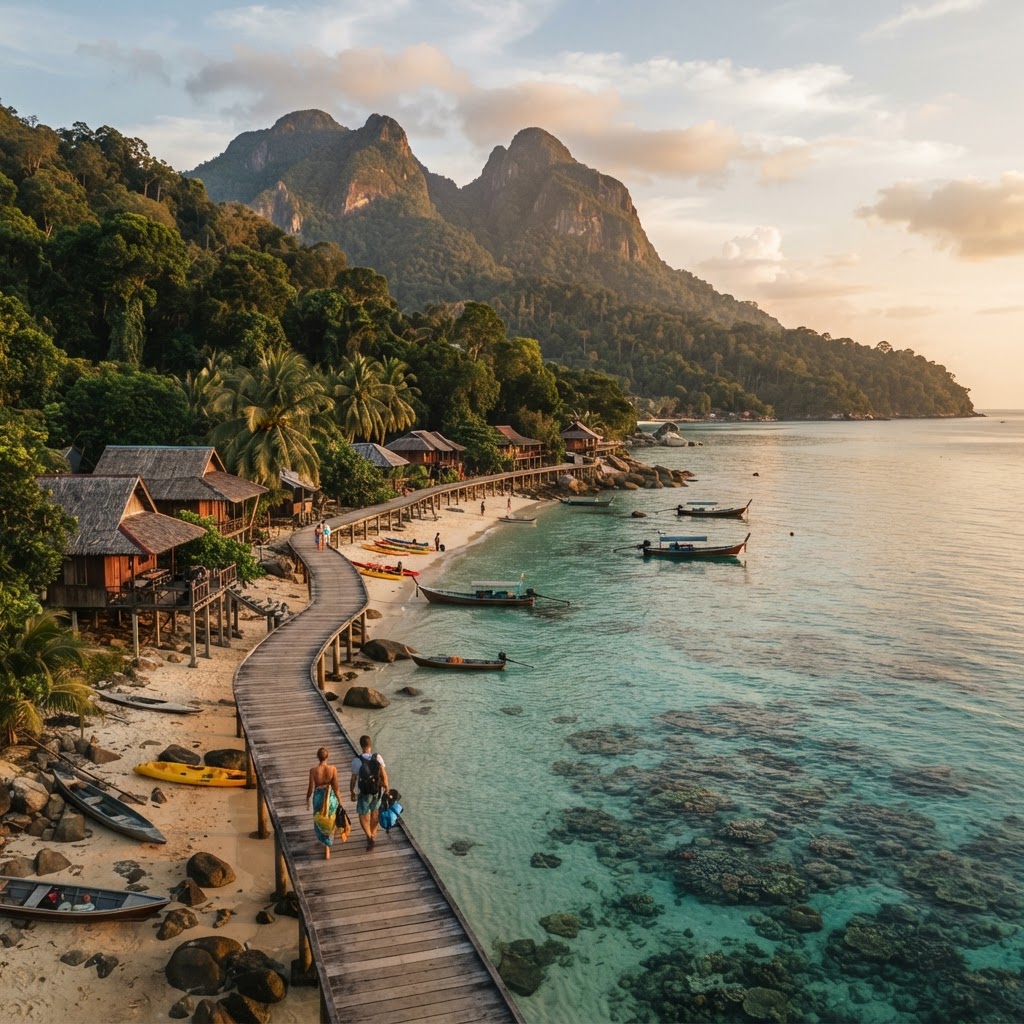
Dense granite jungle meets protected coral reefs on a slow-paced, roadless island escape.
Perhentian Islands
Malaysia
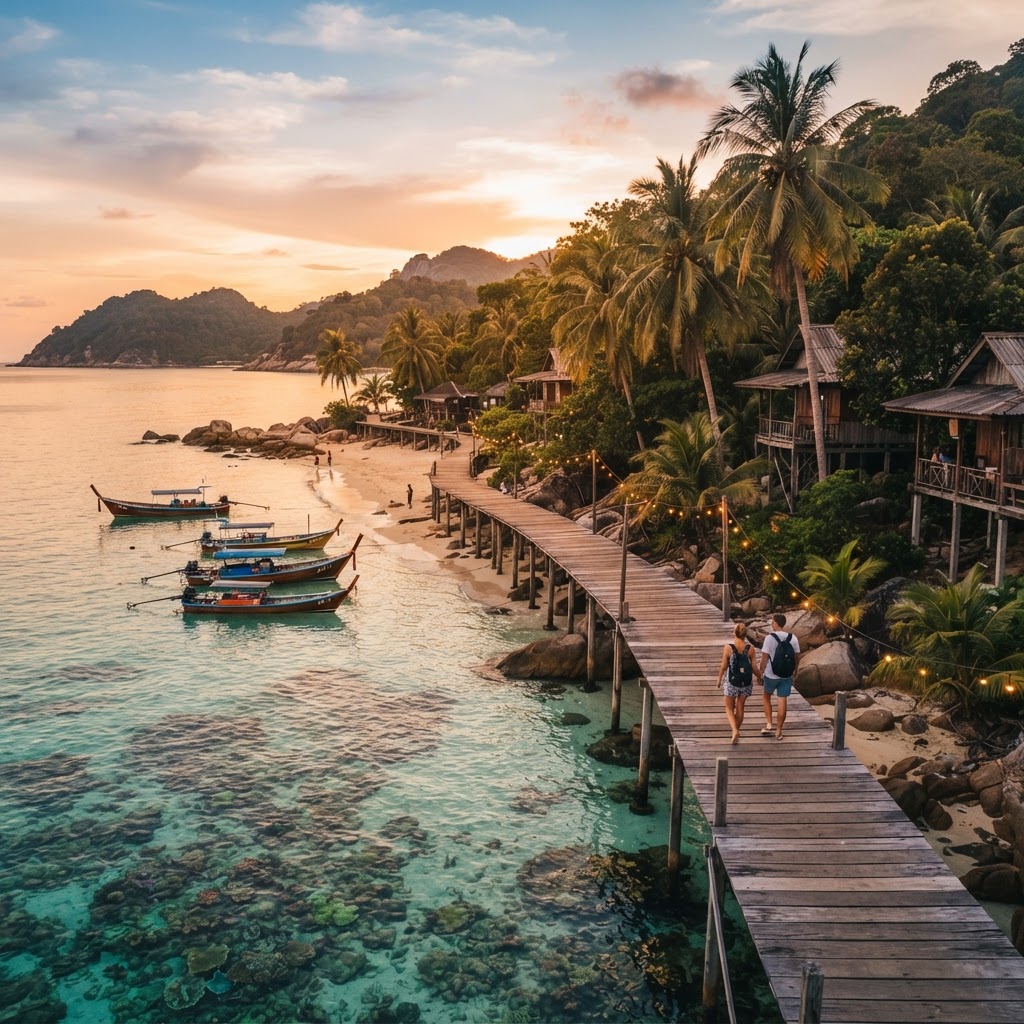
Unspoiled coral reefs, rustic beach living, and roadless ease off Malaysia’s east coast.
Readymade itineraries
Start from a tested template — then make it yours.
Ready to book
Lock in your Kuching, Malaysia trip
Everything in one place. We may earn a small commission — it never costs you more.
Plan a trip to Kuching, Malaysia
Pick a length and we'll build a day-by-day plan around how you travel — neighborhoods clustered, budget-aware, and editable.
Get better at planning trips like this
Occasional notes on planning smarter — no spam, unsubscribe anytime.
Plan a trip to Kuching, Malaysia
Turn this guide into a day-by-day plan built around your pace, your group, and your budget.
Build my Kuching, Malaysia trip