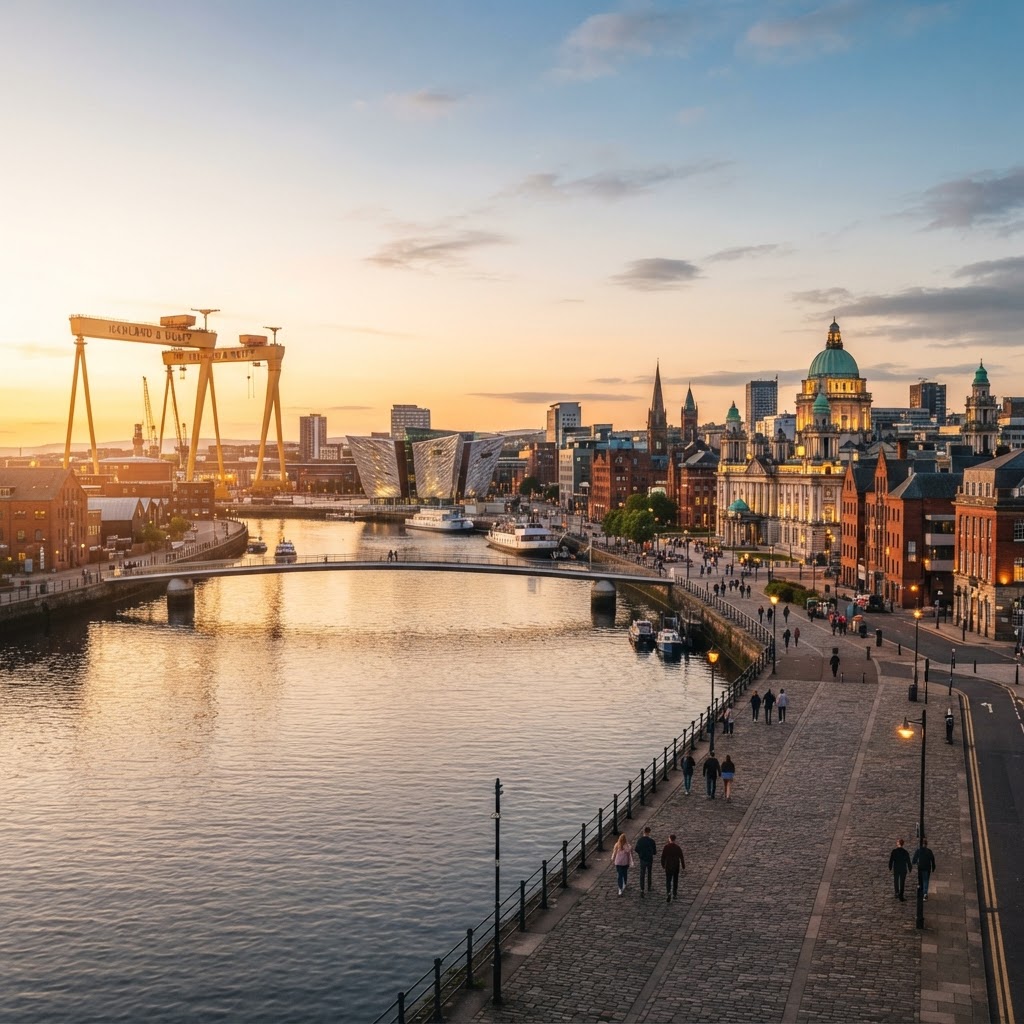
United Kingdom
Belfast, United Kingdom
A complex, resilient city where industrial scale meets sharp wit and world-class hospitality.
Plan & book
Sort your Belfast, United Kingdom trip in one place.
We point you to the booking tools we'd actually use — live prices, no markup. Or let us build the day-by-day plan around you first, then book.
Belfast has shed its troubled past without sanitizing it, evolving into one of the most culturally engaging secondary cities in the UK and Ireland. Far beyond its famous shipbuilding legacy, the city delivers an uncompromising look at 20th-century political history, a spirited contemporary food scene fueled by Northern Irish agricultural bounty, and an accessible, walkable core free of the mass tourism fatigue felt in Dublin or Edinburgh.
3 days
Best time
May to June or September for comfortable walking temperatures and manageable crowds.
Build your own trip with these prebuilt itineraries
Each one is a tested, day-by-day plan for Belfast, United Kingdom — start here, then make it yours.
5 Days: Maritime City & Coastal Escapes in Belfast
An extended stay balancing urban exploration with day excursions out along the Antrim Coast and scenic regional castles.
3 Days: The Essential History & Heritage in Belfast
A comprehensive deep dive into political murals, Troubles history, and shipbuilding heritage alongside modern Northern Irish culinary hubs.
2 Days: The Weekend Culture & Pub Break in Belfast
A brisk weekend focused on walkable historic quarters, traditional live folk music, and vibrant market food culture.
Go for raw, living history paired with extraordinary neighborhood conviviality. A black cab tour along the Falls and Shankill peace walls offers an unvarnished masterclass in modern socio-political conflict, while evening sessions in the Victorian pubs of the Cathedral Quarter showcase genuine Northern Irish warmth and traditional music without manufactured folklore.
Where to stay
Getting there
Getting around
Food & drink
What it costs
Things to do
Book tours & tickets in Belfast, United KingdomSkip it if
Skip Belfast if your trip requires pastoral Irish storybook scenery like thatched cottages and rolling green pastures immediately outside your hotel door. It is also not ideal for travelers unsettled by frank encounters with recent urban political conflict and sectarian architectural boundaries.
When to go
Summer brings daylight past 10 PM and outdoor pub crowds, but accommodation prices surge and July marching season introduces street closures and tension. Late spring and early autumn deliver dry spells for walking murals and coastal road trips without the peak crowds.
Peak (June to August)
Lively pub terraces and long daylight hours, but hotels fill fast; note that the July 12th marching period brings bank holidays, closures, and potential transit friction.
Shoulder (April to May & September to October)
The smartest window to visit: crisp weather, easier reservations at spots like OX, and uncrowded black cab tours.
Low (November to March)
Cold, damp, and short daylight hours (sunset by 4 PM in December), though City Hall's Christmas market adds cheer and museum halls stay completely empty.
Neighborhoods
Where you stay shapes the trip. Here's how to think about it.
Cathedral Quarter
Cobblestone alleys, historic pubs, street murals, and vibrant creative energy.
Best for:Nightlife lovers, boutique hotel seekers, and dining enthusiasts
Don't miss:A pint of Guinness in the courtyard at Duke of York along Commercial Court.
Queen's Quarter
Leafy university district filled with Victorian red-brick architecture, bookshops, and student cafes.
Best for:Budget travelers, independent cafe crawlers, and park wanderers
Don't miss:Walking through the Victorian Palm House in the Botanic Gardens followed by the Ulster Museum.
Titanic Quarter
Cavernous post-industrial docklands transformed into modern maritime museums and wide waterfront promenades.
Best for:Maritime history buffs and families wanting spacious, quiet hotel options
Don't miss:The slipways outside Titanic Belfast and boarding the restored SS Nomadic tender ship.
City Centre
Commercial core defined by grand civic architecture, retail corridors, and bustling transit nodes.
Best for:First-time visitors prioritizing dead-center walkability and day-trip transit access
Don't miss:Grabbing an Ulster Fry or fresh soda farls at St George's Market on a weekend morning.
Ormeau Road
Neighborhood-first corridor with sourdough bakeries, community craft beer taps, and zero tourist kitsch.
Best for:Second-time visitors and travelers who like local neighborhood rhythm over nightlife hubs
Don't miss:Pastries and espresso at General Merchants before a walk through Ormeau Park.
Destination intelligence
Updated 9/14/2026The structured record we plan every Belfast, United Kingdom itinerary from.
Walkability
high
Transit quality
good
Car needed
no
Ideal duration
3 days
Minimum useful
2 days
Peak season
June through August, featuring warm days, bustling outdoor terraces, and peak festival crowds.
Shoulder season
April to May and September to October, offering crisp walking weather, lower room rates, and manageable museum queues.
Low season
November through March, characterized by short daylight hours, frequent drizzle, and quiet cultural venues, punctuated by December Christmas markets.
Best for
Common mistakes
- Bringing Euro banknotes across the border from Ireland; Belfast is in Northern Ireland (UK) and exclusively trades in Pound Sterling (GBP), though cards are accepted everywhere.
- Renting a car while staying inside the city, which incurs unnecessary parking fees and traffic navigation when public transit, walking, and local cabs are far superior.
- Arriving at St George's Market during midweek—it is strictly a weekend market running Friday, Saturday, and Sunday.
- Treating the Peace Walls like simple photo backdrops; hiring a verified local guide who lived through the conflict provides necessary nuance and contextual respect.
- Booking a generic hotel out in the Titanic Quarter and having to commute back and forth to the city center for dining and evening culture.
Best nearby
How to plan it
- Base yourself in Cathedral Quarter or City Centre if you want to walk to dinner and pubs every night without relying on late-night taxis.
- Reserve Black Cab political mural tours at least two to three weeks ahead during peak summer months to secure top-tier independent guides.
- Do not rent a car while staying in Belfast; pick it up at George Best Belfast City Airport on your way out when departing toward the Causeway Coastal Route.
- Time your visit across a Friday, Saturday, or Sunday so you can experience St George's Market in full swing.
- Book dinner at high-demand dining spots like OX or The Muddlers Club 3 to 4 weeks in advance.
Questions
More in United Kingdom
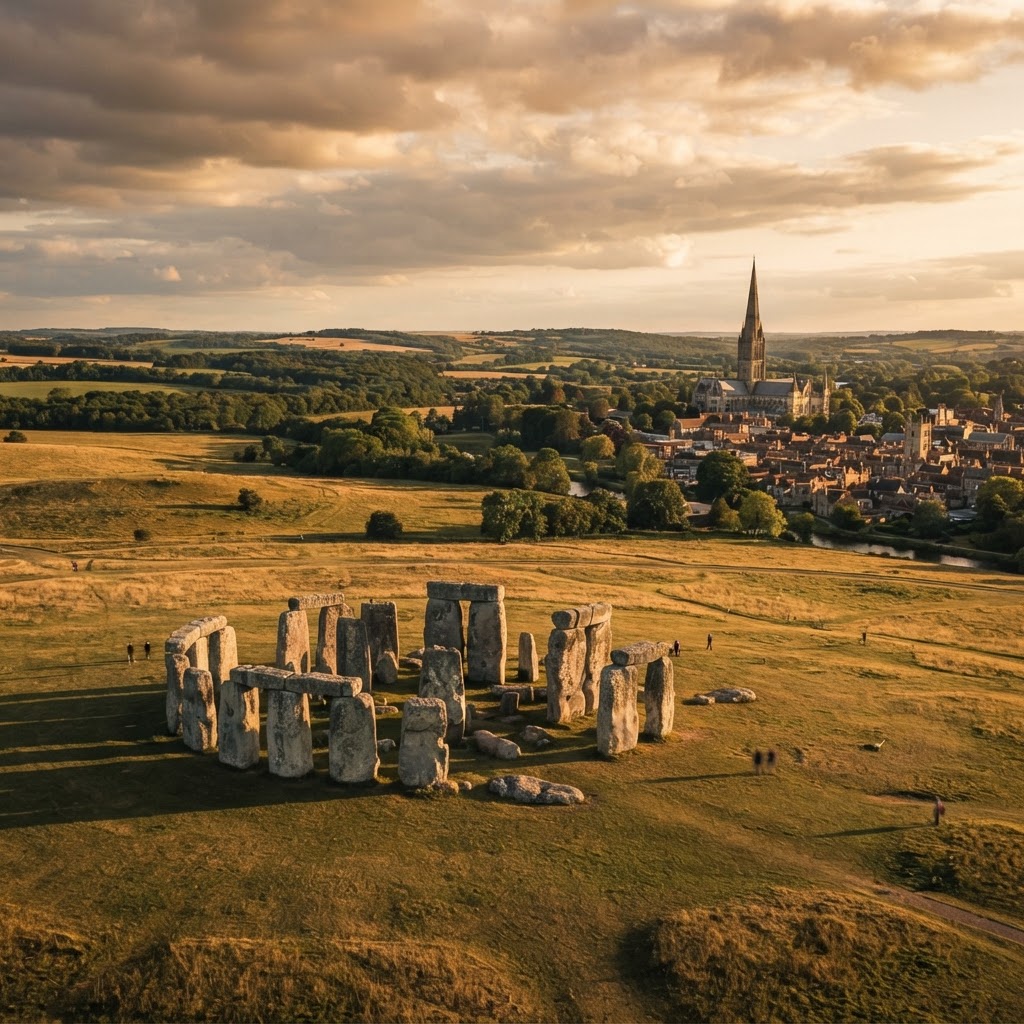
Stonehenge & Salisbury, Wiltshire
United Kingdom
Beyond the standing stones: medieval spires, original charters, and ancient landscapes
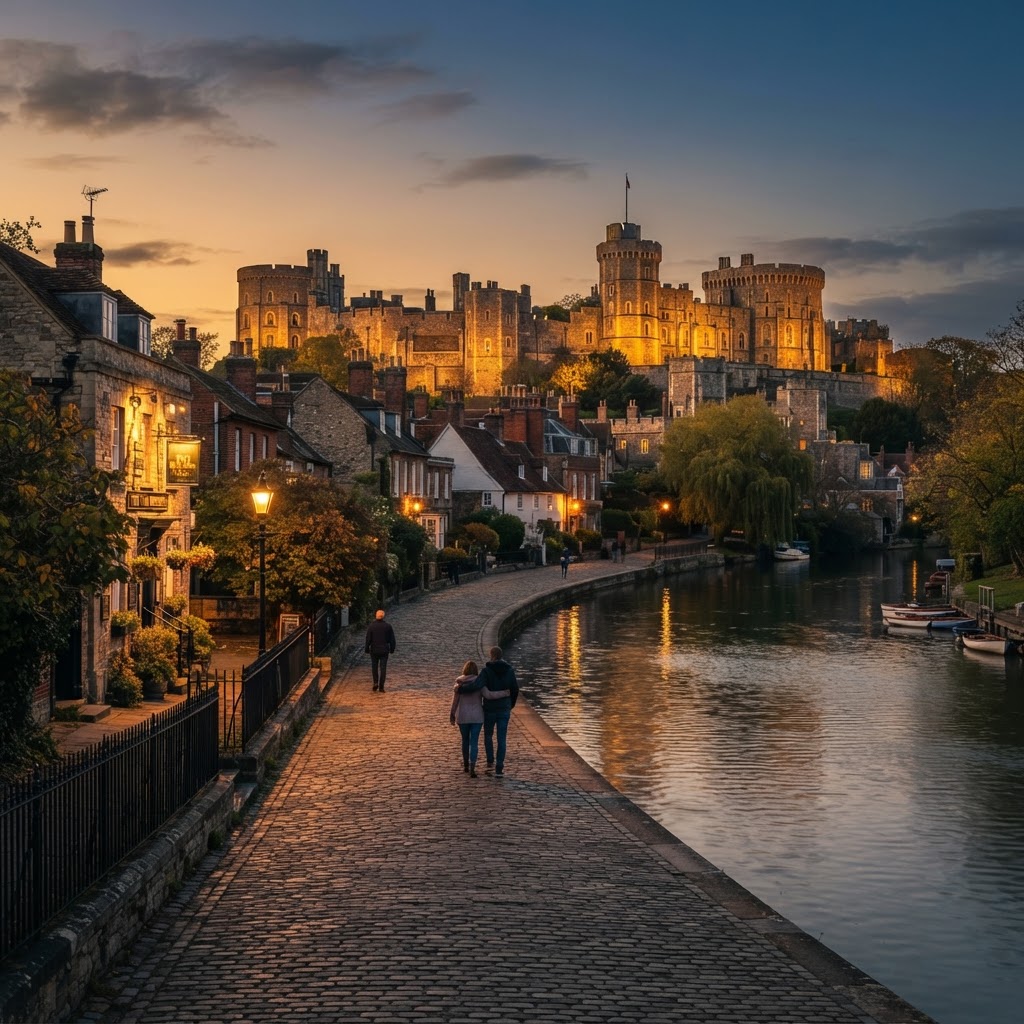
Windsor, England
United Kingdom
Beyond the royal gates, an intimate Thames-side enclave best savored after the day-trippers depart.
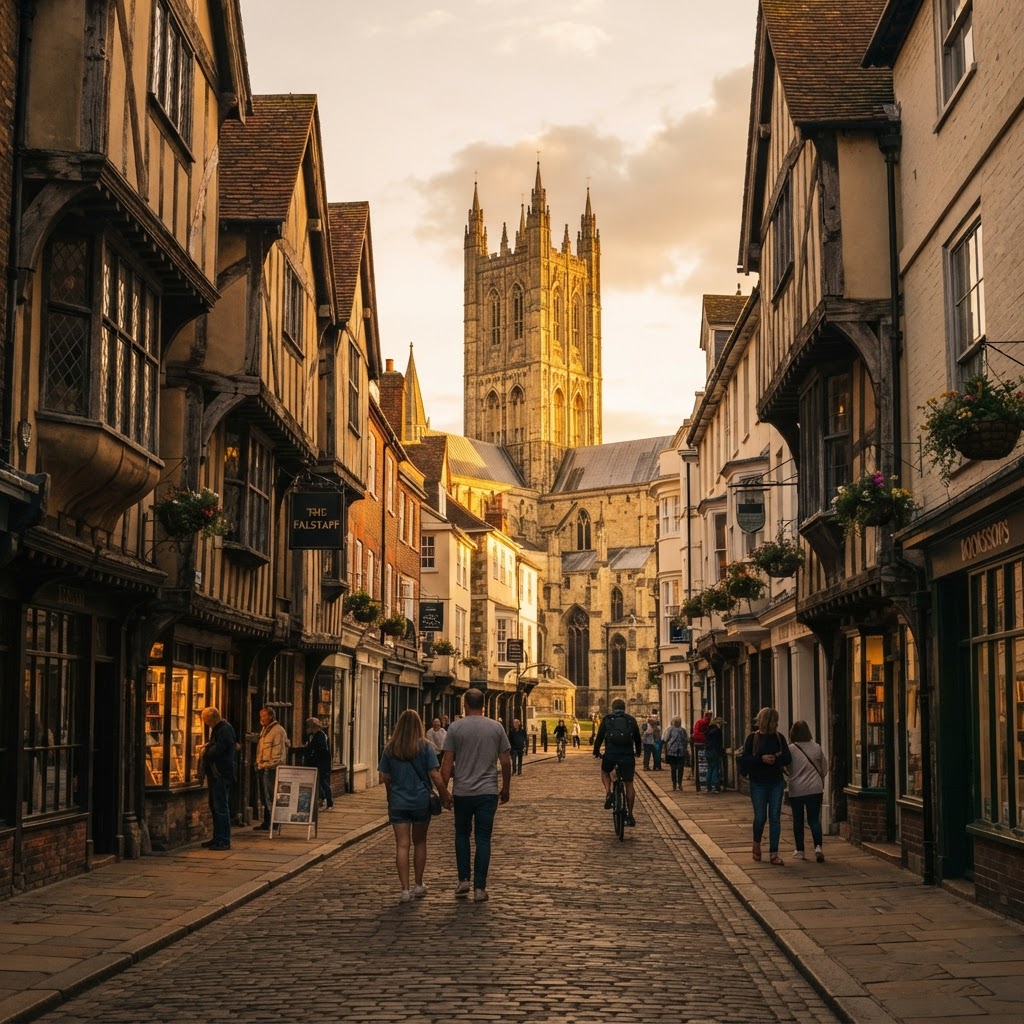
Canterbury, Kent
United Kingdom
Living medieval history without the London transit exhaustion
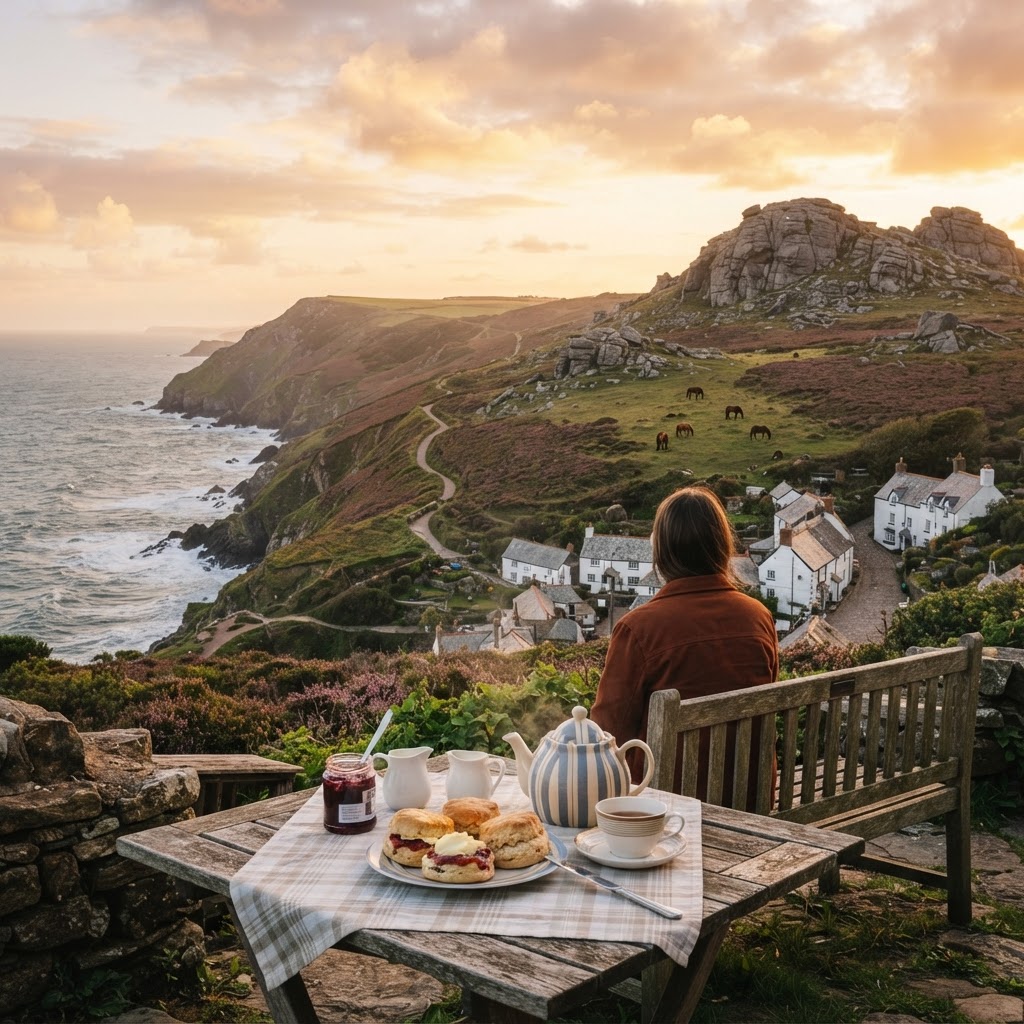
Devon
United Kingdom
Two wild coastlines, high granite moorland, and unmatched cream teas
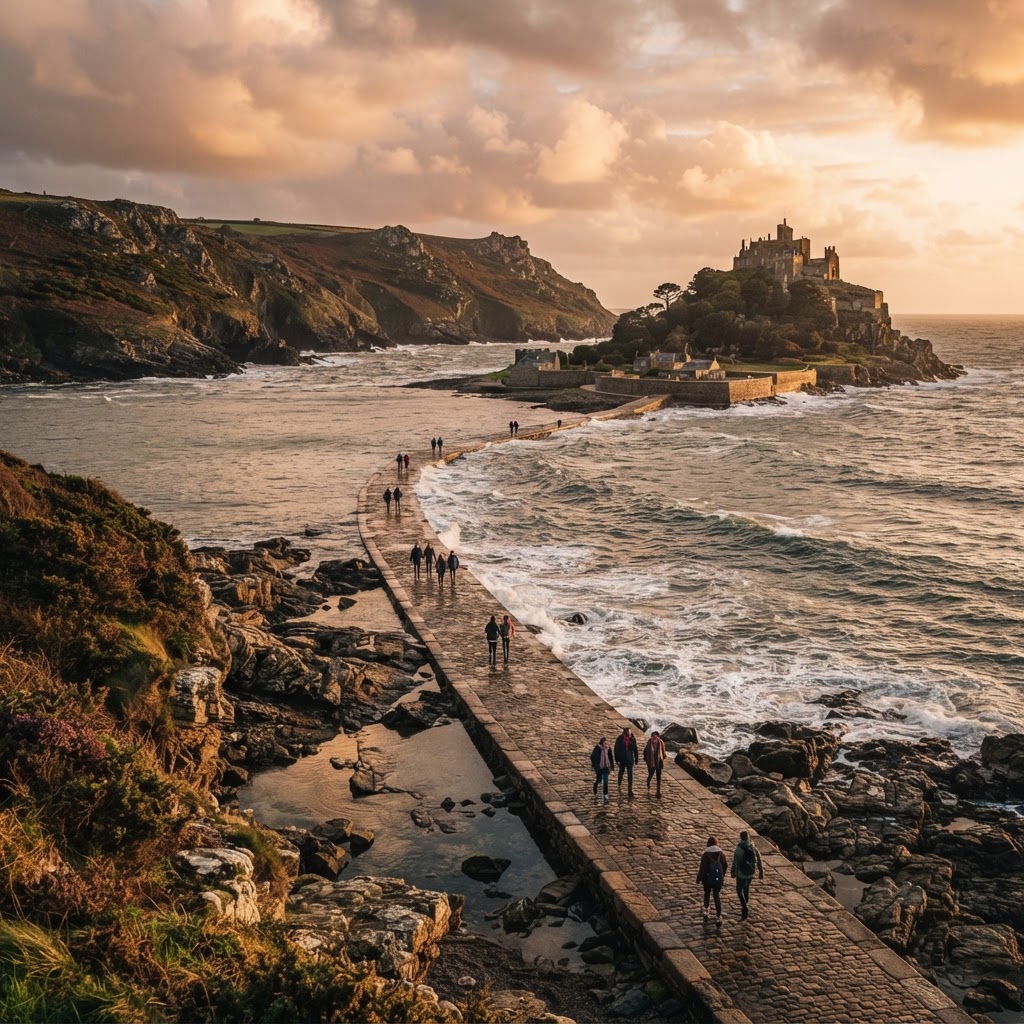
Cornwall, England
United Kingdom
Tidal causeways, windswept coastal cliffs, and wild Celtic sea culture.
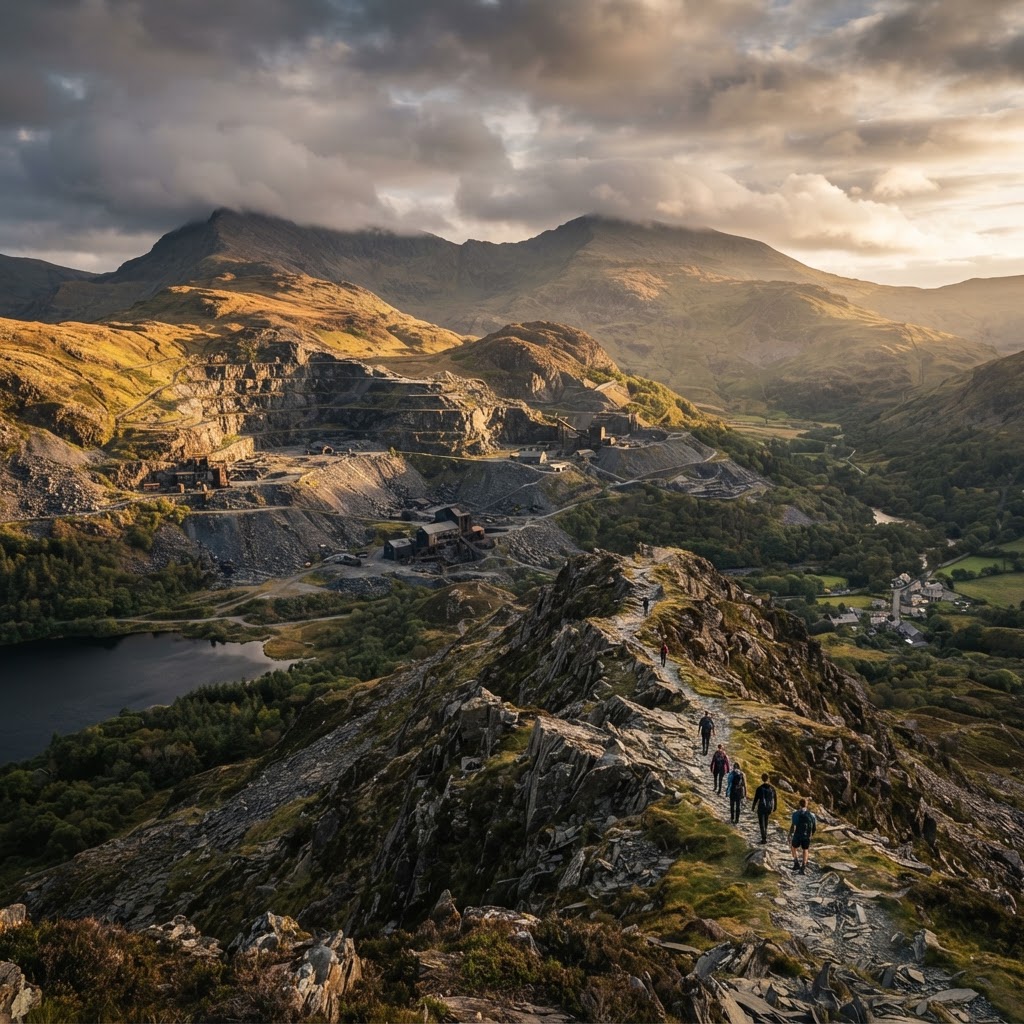
Eryri (Snowdonia), Wales
United Kingdom
Glacial valleys, Celtic slate quarries, and cloud-swept ridge walks in Wales' rugged heartland.
Readymade itineraries
Start from a tested template — then make it yours.
Ready to book
Lock in your Belfast, United Kingdom trip
Everything in one place. We may earn a small commission — it never costs you more.
Plan a trip to Belfast, United Kingdom
Pick a length and we'll build a day-by-day plan around how you travel — neighborhoods clustered, budget-aware, and editable.
Get better at planning trips like this
Occasional notes on planning smarter — no spam, unsubscribe anytime.
Plan a trip to Belfast, United Kingdom
Turn this guide into a day-by-day plan built around your pace, your group, and your budget.
Build my Belfast, United Kingdom trip