
China
Beijing Itinerary: How Many Days + Sample Plans
Beijing is imperial grandeur and modern scale — the Forbidden City, the Wall, and a city that keeps building.
Traveler rating
Loved by history.
Plan & book
Sort your Beijing trip in one place.
We point you to the booking tools we'd actually use — live prices, no markup. Or let us build the day-by-day plan around you first, then book.
Pick your trip length
How many days do you need in Beijing?
Each of these opens a full day-by-day plan you can make your own.
- 2 days — Two days — the essentials, no rushing.
- 3 days — Three days — the icons plus one neighborhood.
- 4 days — Four days — a full city without sprinting.
- 5 days — Five days — room for a day trip.
- 7 days — A week — the city at a human pace.
- With Kids trip — Shorter days, earlier dinners, what to skip.
- For Couples trip — Two-person pacing with evenings built in.
- Solo trip — A plan that works well on your own.
- Food trip — Meals and markets as the anchors.
- Outdoors trip — Nature, walks and open air.
- Culture trip — History, museums and the streets around them.
Beijing is enormous and historic — the Forbidden City, the Great Wall, and hutong alleys being slowly lost to development. Plan days by district; the city is too big to bounce around.
3–5 days
Best time
September to late October is the definitive sweet spot for crisp air, clear skies, and comfortable walking temperatures.
Budget
¥600–1,200 per person per day at mid-range.
Build your own trip with these prebuilt itineraries
Each one is a tested, day-by-day plan for Beijing — start here, then make it yours.
Beijing delivers imperial architecture on a monumental scale that no other Chinese metropolis can match. Walking through the gargantuan courtyards of the Forbidden City and standing on ridgeline watchtowers at the Great Wall grounds you in centuries of dynastic rule. At the same time, its ground-level life endures in sprawling hutong alleyways, providing an intimate contrast of street-side noodle joints and courtyard teahouses.
Where to stay
Getting there
Getting around
Food & drink
What it costs
Things to do
Book tours & tickets in BeijingSkip it if
Skip Beijing if you cannot tolerate extensive walking on hard pavement, heavy security checkpoints, and the digital app ecosystem required for everyday logistics; travelers seeking relaxed tropical leisure or an easy, cash-friendly weekend escape will find it exhausting.
When to go
Beijing's autumn avoids the suffocating heat and humidity of July and August as well as the bitter dry winds of midwinter. The city's ginkgo and maple trees turn gold, and the visibility across the mountain ridges at the Great Wall is at its sharpest.
Autumn (September to November)
Peak weather conditions with golden foliage and clear days; avoid Golden Week (first week of October) at all costs due to domestic tourism surges.
Spring (March to May)
Comfortable temperatures and blooming parks, though early spring can bring occasional dust storms and high seasonal pollen.
Summer (June to August)
Intensely hot, humid, and prone to sudden torrential downpours; historic outdoor sites provide zero shade and reach capacity quickly.
Winter (December to February)
Freezing temperatures and dry, piercing northern winds, but compensated by minimal crowds, lower hotel rates, and empty courtyards.
Neighborhoods
Where you stay shapes the trip. Here's how to think about it.
Wangfujing (Dongcheng)
Polished, central boulevard living with wide pedestrian streets, department stores, and direct access to imperial sights.
Best for:First-timers and convenience seekers who want seamless transit connections and English-fluent hotel desks.
Don't miss:The quiet residential alleys sitting directly east behind the modern shopping centers, offering quick local noodle stalls away from the main strip.
Gulou & Nanluoguxiang (Dongcheng)
Historic courtyard lanes framed by grey brick walls, independent coffee shops, craft beer bars, and neighborhood bicycle traffic.
Best for:Independent travelers and walkers looking for courtyard boutique stays and street-level city life.
Don't miss:Wandering the quieter east-west alleys like Beiluoguxiang and Fangjia Hutong rather than the overcrowded Nanluoguxiang central spine.
Sanlitun (Chaoyang)
Cosmopolitan, modern energy packed with international dining, embassy compounds, craft cocktail dens, and design-led retail.
Best for:Dining, late-night drinks, and travelers who prefer international luxury hotels over courtyard guesthouses.
Don't miss:Taikoo Li Sanlitun's multi-level retail concourse and the quieter bistro-lined streets along the Liangma River just to the north.
Qianmen & Dashilar (Xicheng)
Restored Qing-dynasty commercial streets transitioning into gritty, historic lanes lined with tea merchants and old-brand restaurants.
Best for:History lovers who want to be steps from Tiananmen Square and traditional northern Chinese culinary institutions.
Don't miss:Beijing Fun, an open-air complex of heritage architecture housing independent galleries, rooftop tea houses, and bookstores.
798 Art District (Dashanzi)
Industrial Bauhaus military factory complexes transformed into cavernous contemporary art galleries, outdoor sculpture parks, and cafes.
Best for:Contemporary art enthusiasts and travelers looking for an unhurried, pedestrianized afternoon away from imperial monuments.
Don't miss:The UCCA Center for Contemporary Art, one of the foundational institutions anchor-tenanted inside the former electronics factory.
Money & essentials
Currency
Chinese yuan (CNY). Mobile pay (Alipay/WeChat) is dominant; set it up before you go.
Language
Mandarin. A translation app is essential; limited English.
Safety
Extremely safe with low violent crime rates; remain alert to persistent tea-ceremony and art-student tout scams around major tourist plazas.
Budget range
¥600–1,200 per person per day at mid-range.
Tipping
Tipping is not customary in China and is generally refused in local taxis and neighborhood restaurants; high-end international hotel restaurants may include a 10–15% service charge on the bill.
How to plan it
- Stay in Dongcheng (Wangfujing or the Dongsi hutongs) to anchor your trip within walking or short subway distance of central landmarks.
- Cluster visits geographically: pair the Forbidden City with Jingshan Park and Beihai on one day, and the Summer Palace with the university district on another.
- Never attempt the Great Wall and an imperial site on the same day; wall transit, hiking, and return traffic will consume 7 to 8 hours.
- Set an alarm for 8:00 PM Beijing time exactly 7 days before your target date to secure Forbidden City entrance tickets.
- Hire a private driver or take the official tourist bus to Mutianyu or Jinshanling early in the morning to beat the midday tour convoys.
Questions
More in China
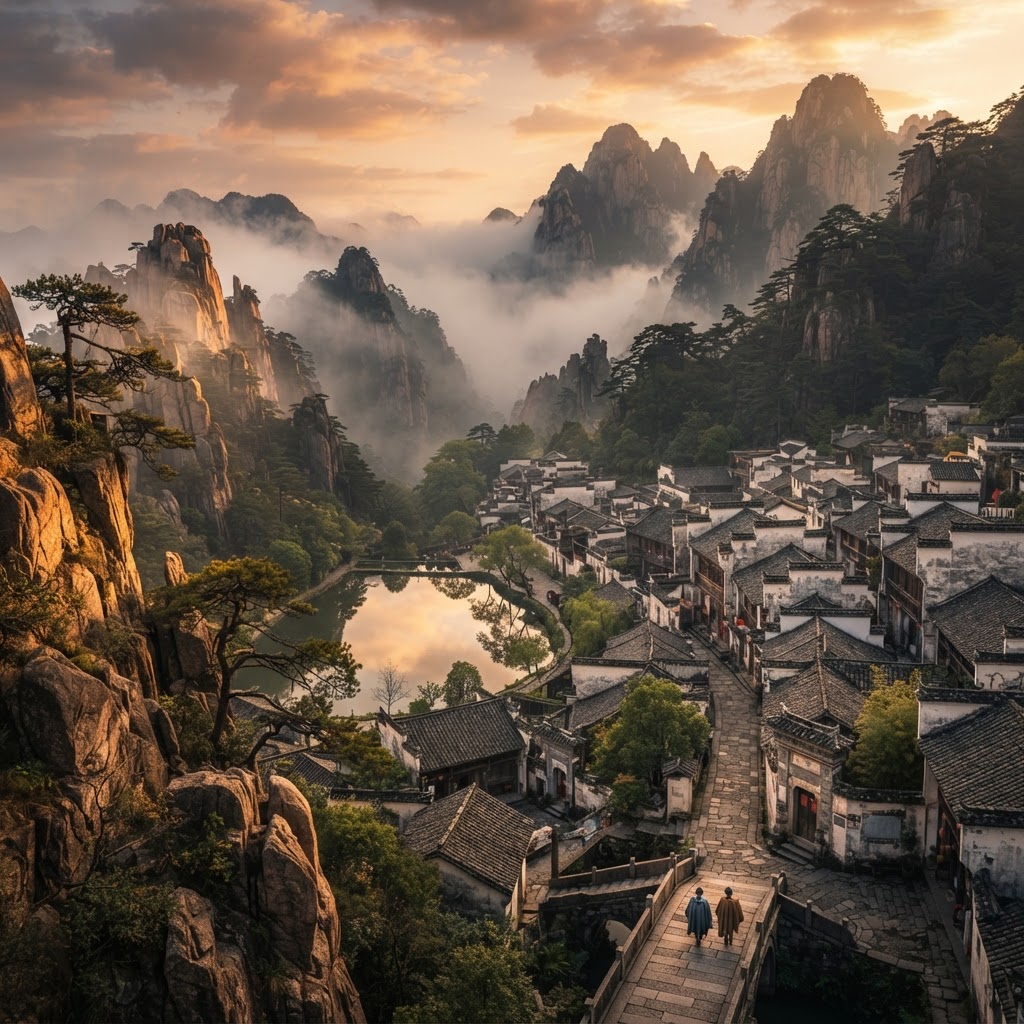
Huangshan, China
China
Granite peaks, mist-filled ravines, and Ming-era merchant villages
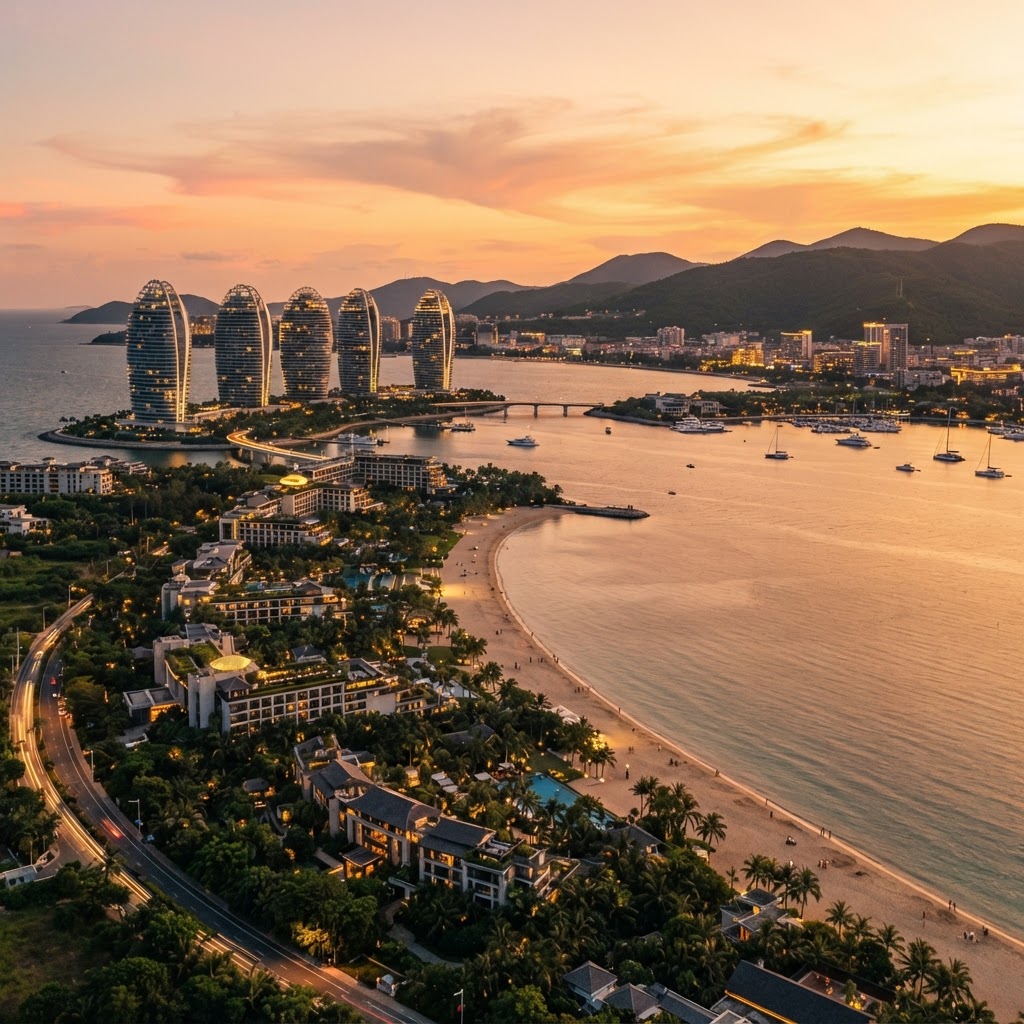
Sanya, Hainan, China
China
China's tropical resort strip of five-star bays, duty-free hubs, and coastal escapes.
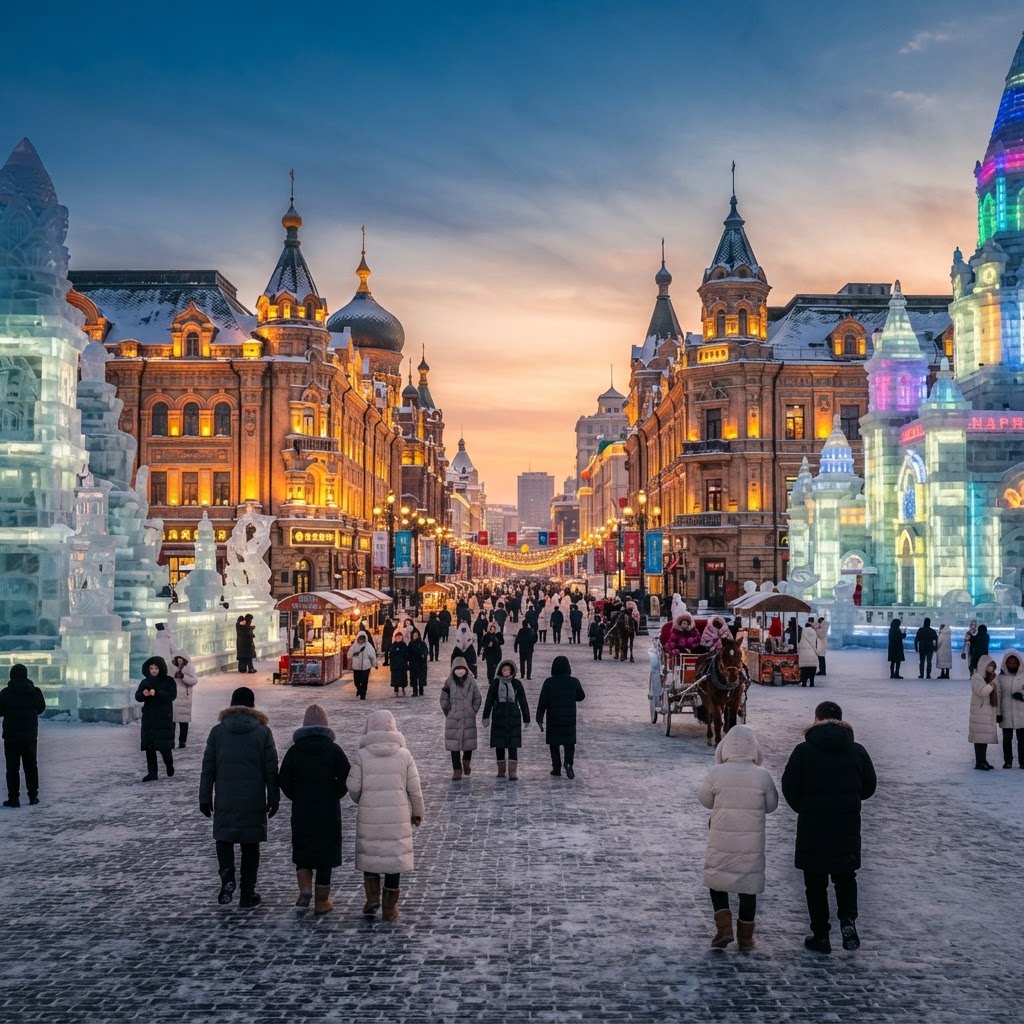
Harbin
China
Siberian sub-zero cold, towering ice palaces, and Russian frontier history.
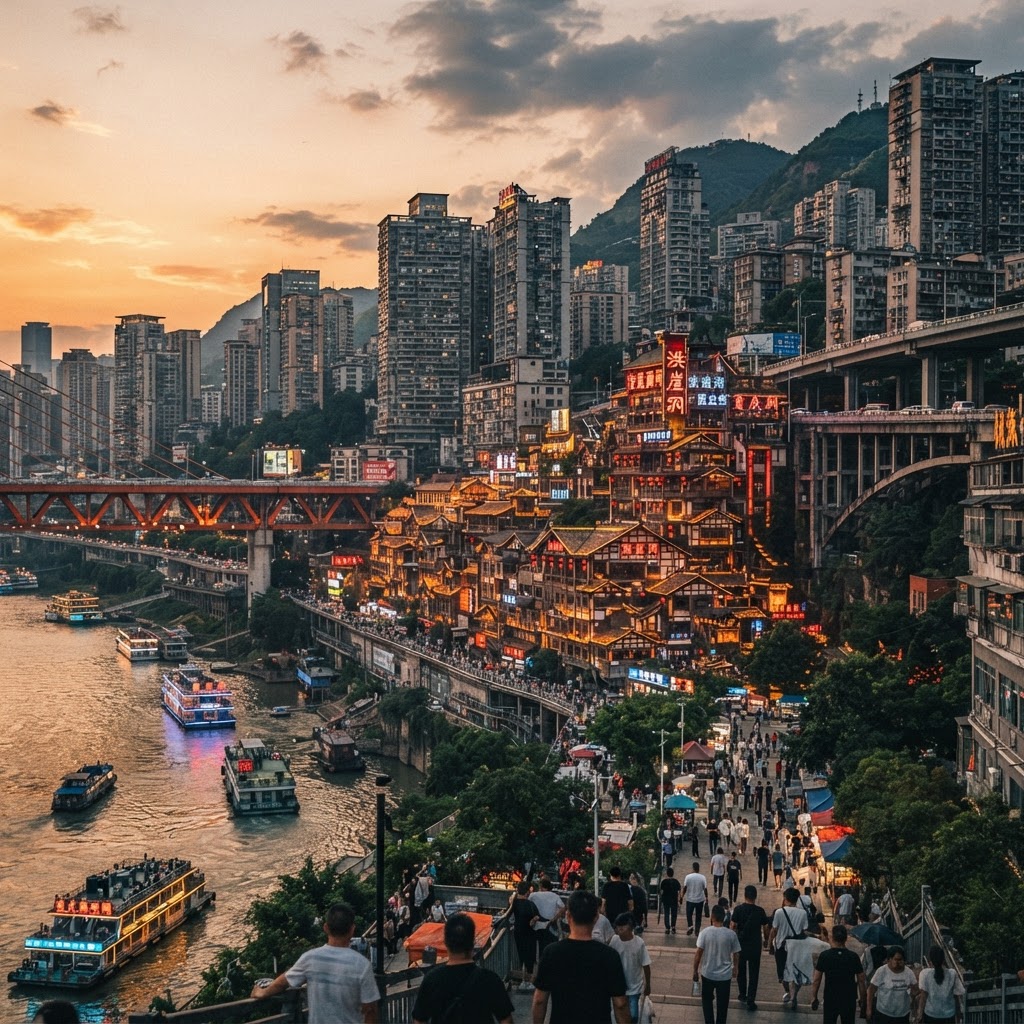
Chongqing, China
China
A vertical, neon-drenched mountain megalopolis powered by raw spice and layered topography.
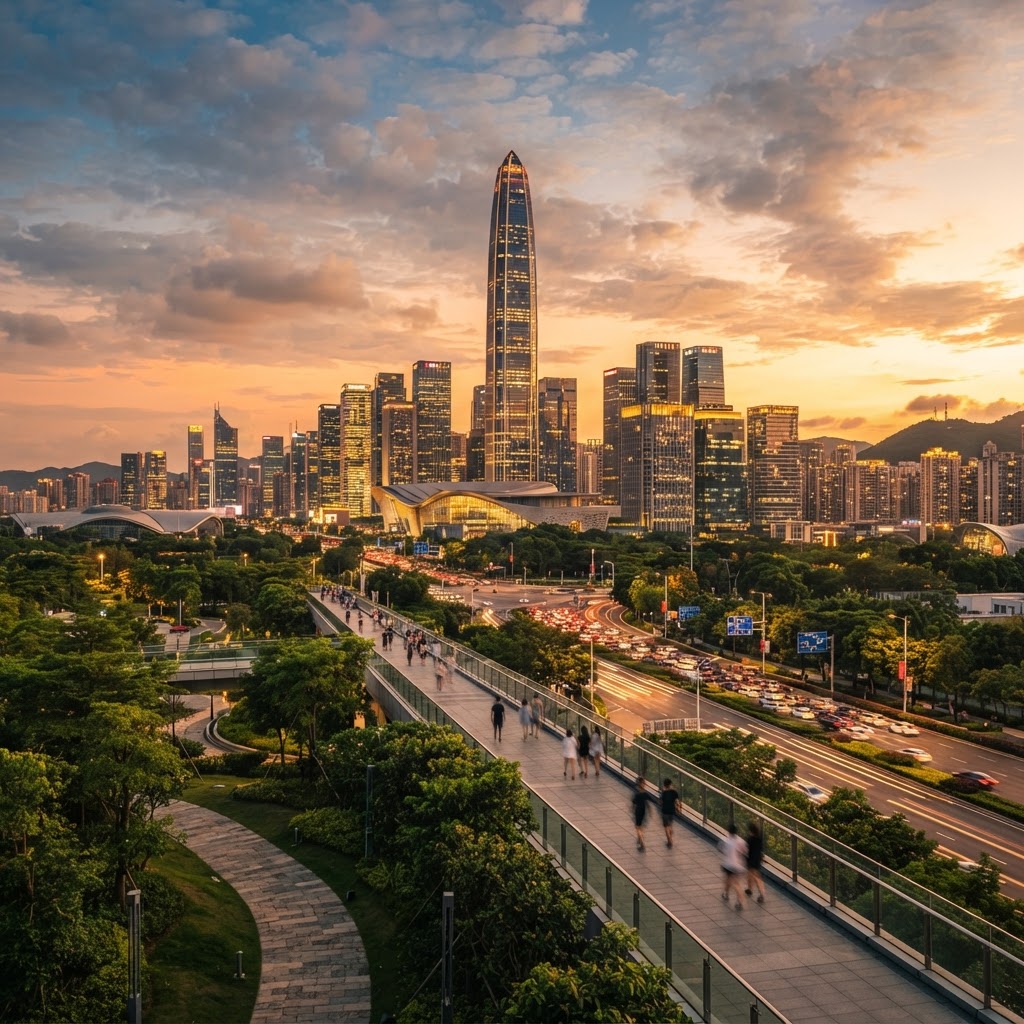
Shenzhen, China
China
The hardware capital of the world and China’s cleanest experiment in hyper-modern urban planning.
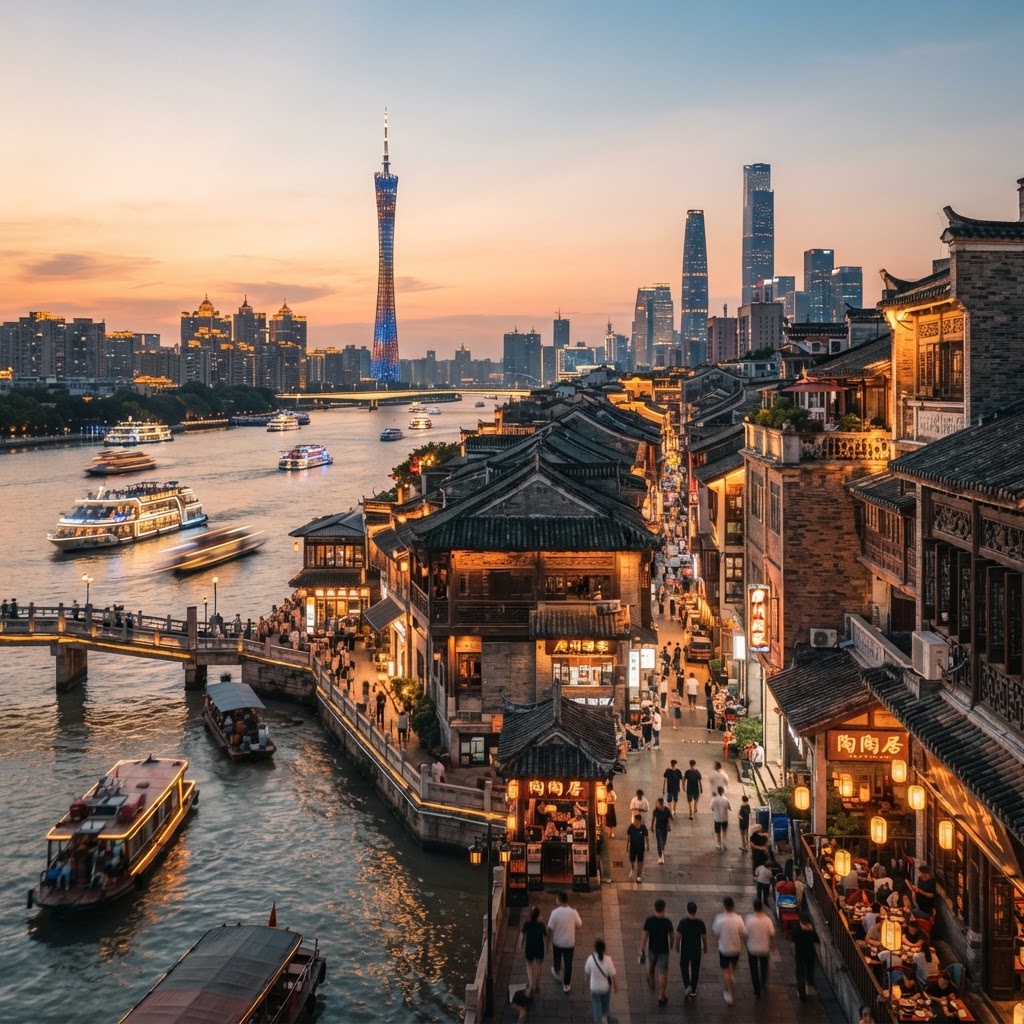
Guangzhou, China
China
The spiritual homeland of Cantonese culinary culture and Lingnan architecture, draped along the Pearl River.
Readymade itineraries
Start from a tested template — then make it yours.
Ready to book
Lock in your Beijing trip
Everything in one place. We may earn a small commission — it never costs you more.
Plan a trip to Beijing
Pick a length and we'll build a day-by-day plan around how you travel — neighborhoods clustered, budget-aware, and editable.
Get better at planning trips like this
Occasional notes on planning smarter — no spam, unsubscribe anytime.
Plan a trip to Beijing
Turn this guide into a day-by-day plan built around your pace, your group, and your budget.
Build my Beijing trip