United Kingdom
Bath
Thermal waters and golden Georgian terraces, entirely accessible on foot.
Plan & book
Sort your Bath trip in one place.
We point you to the booking tools we'd actually use — live prices, no markup. Or let us build the day-by-day plan around you first, then book.
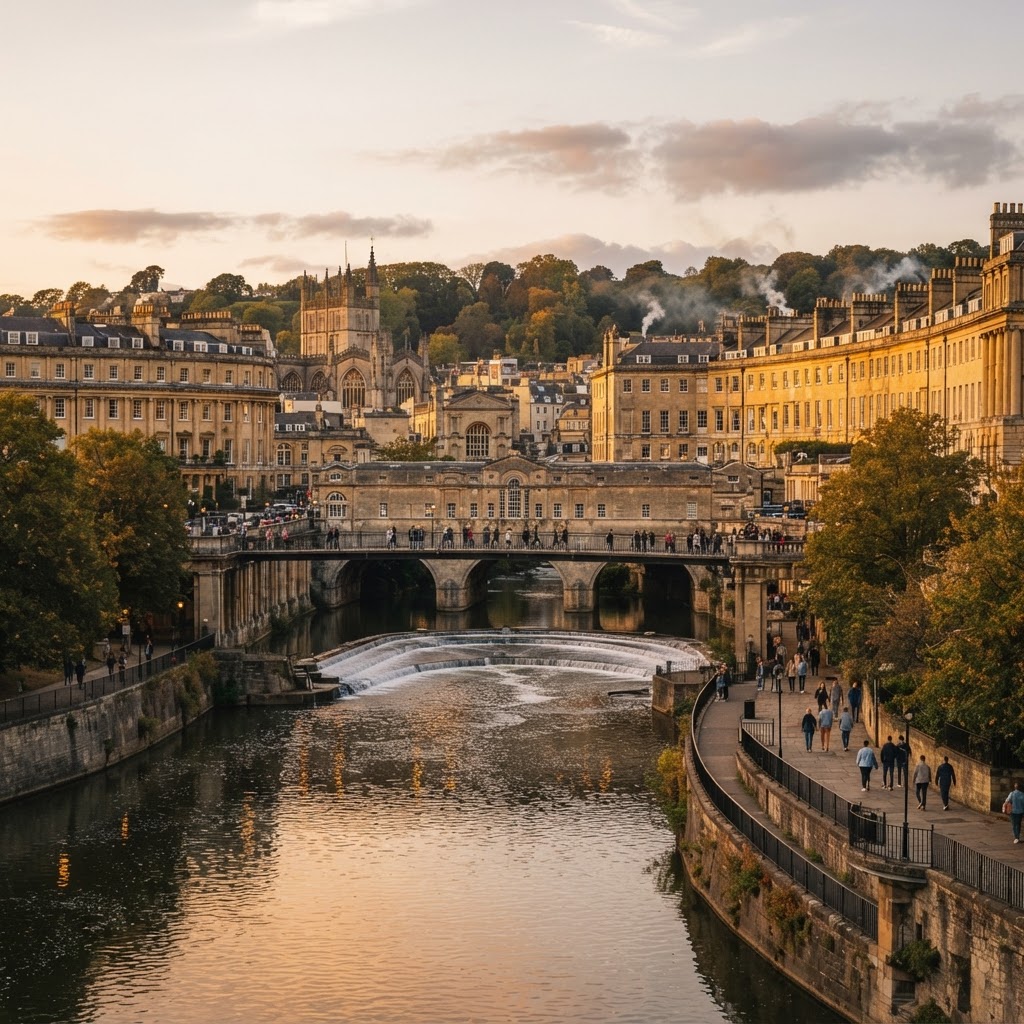
Carved from uniform honey-toned limestone and cradled in an Avon valley basin, Bath is Britain's premier Georgian architectural showpiece and ancient thermal retreat. At merely 80 minutes by rail from London Paddington, it delivers 2,000 years of leisure culture—from subterranean Roman temple ruins to sweeping Palladian crescents—within a footprint small enough to navigate without wheels.
2 to 3 days
Best time
Mid-May to June and September to October deliver the best balance of daylight, weather, and manageable footpaths.
Build your own trip with these prebuilt itineraries
Each one is a tested, day-by-day plan for Bath — start here, then make it yours.
4 Days in Bath: Cotswold Borders & Scenic Countryside in Bath
Combining central city highlights with nearby walking trails, canal paths, and day excursions to surrounding Somerset hamlets
2 Days in Bath: The Classic Weekend in Bath
First-time architectural and historic highlights covering Roman heritage, Georgian crescents, and evening thermal bathing
3 Days in Bath: Regency Culture & Literary England in Bath
A slower-paced deep dive focused on Jane Austen, decorative arts, tea culture, and atmospheric canal walks
Go for the architectural symmetry and thermal culture that make Bath singular in northern Europe. Nowhere else can you spend a morning walking through complete 18th-century urban ensembles like the Royal Crescent and the Circus, descend into operational natural Roman hot springs beneath street level, and spend the afternoon soaking in mineral-rich steam pools overlooking abbey spires.
Where to stay
Getting there
Getting around
Food & drink
What it costs
Things to do
Book tours & tickets in BathSkip it if
Skip staying in Bath if you require high-energy, late-night nightlife, as the city winds down early and caters to relaxed evening dining and pubs. Also skip if you or your companions have severe mobility challenges and plan to hike out of the valley basin to the upper crescents without private transport.
When to go
Summer brings 16 hours of daylight and manicured parks but floods the Roman Baths and Milsom Street with tour groups, driving hotel rates up. The shoulder months retain crisp, walkable weather and golden afternoon light without peak room pricing.
Peak (July–August & Late Nov–Early Dec)
High foot traffic and premium hotel rates; summer packs the abbey square, while the Christmas Market fills central streets shoulder-to-shoulder.
Shoulder (April–June & September–October)
Crisp walking weather, glorious park blooms or autumn foliage, and noticeably shorter queues at major historic sites.
Low (January–March)
Chilly and damp with short daylight hours, but yields empty museum galleries and the lowest boutique hotel tariffs of the year.
Neighborhoods
Where you stay shapes the trip. Here's how to think about it.
City Centre & Abbey Quarter
Pedestrianized core centered on abbey bells, street buskers, and Roman stone.
Best for:First-timers and short rail-trippers who want zero transit friction.
Don't miss:The Roman Baths complex at evening twilight when crowd numbers thin and torches are lit along the Great Bath.
Upper Town & The Crescents
Monumental Georgian limestone terraces, peaceful residential sweeps, and steep elevations.
Best for:Architecture lovers and couples seeking boutique luxury away from daytime tour coaches.
Don't miss:No. 1 Royal Crescent museum to see restored authentic Regency domestic interiors before strolling the Circus.
Walcot & The Artisan Quarter
Bohemian, independent corridor packed with vintage boutiques, antique emporiums, and indie coffee shops.
Best for:Shoppers hunting original homewares, antiquities, and casual, design-led dining.
Don't miss:Walcot Flea Market on Saturday mornings for mid-century prints, reclaimed curios, and vintage clothing.
Widcombe & Kennet and Avon Canal
Village enclave across the river offering lock-side towpaths, canal boats, and leafy local pubs.
Best for:Walkers, repeat visitors, and anyone wanting a quieter waterside stay minutes from the rail station.
Don't miss:A walk past the flight of locks at Widcombe Basin leading down to the footbridge toward the station.
Bathwick & Great Pulteney
Stately, broad avenue living flanked by formal parklands and neoclassical facades.
Best for:Museumgoers and garden fans looking for flat walks and classical grand aesthetics.
Don't miss:Crossing Pulteney Bridge to tour the Holburne Museum and its surrounding Sydney Gardens grounds.
Destination intelligence
Updated 9/14/2026The structured record we plan every Bath itinerary from.
Walkability
Excellent. All major central museums, abbeys, and restaurants sit within a 15-minute walk, though northern crescents involve a short, steep uphill grade.
Transit quality
High. Bath Spa is a major rail junction connected directly to London Paddington, Bristol Temple Meads, and Cardiff, with dense local regional bus coverage.
Car needed
Never within the city. A car is an active liability in central Bath and is only useful if branching out into rural Cotswold hamlets.
Ideal duration
2 to 3 days
Minimum useful
1 full day
Peak season
June through August, plus the late-November to early-December Christmas Market window.
Shoulder season
April to May and September to October (ideal balances of mild weather, garden blooms, and manageable walking crowds).
Low season
January to March (cold, quiet, lowest hotel rates, short daylight hours).
Best for
Common mistakes
- Arriving with a rental car: Central Bath features narrow one-way loops, low-emission enforcement zones, and hotels rarely offer included parking.
- Visiting the Roman Baths without an advance timed entry ticket, leading to hours waiting or sold-out time slots.
- Confusing the Roman Baths museum (where touching or swimming in water is prohibited) with Thermae Bath Spa (the modern public thermal bath complex).
- Treating Bath merely as an afternoon bus stopover on a whirlwind Stonehenge coach tour, leaving before the day-trippers disperse at 4:30 PM.
Best nearby
How to plan it
- Stay in the Lower Centre or near Widcombe if carrying heavy luggage on the train; stay in the Upper Town only if you do not mind hauling bags uphill.
- Book your Roman Baths entry for the first 09:00 slot or after 17:00 to avoid mid-day tour bus surges between 11:00 and 15:00.
- Pair Bath with Bristol via a 12-minute commuter rail hop for street art and docks, rather than renting a car for local urban exploration.
- Reserve the Thermae Bath Spa rooftop pool for late afternoon to catch sunset across the Georgian skyline from the thermal water.
- Skip car rentals for day excursions to Bradford-on-Avon; take the direct 12-minute local train instead.
Questions
More in United Kingdom
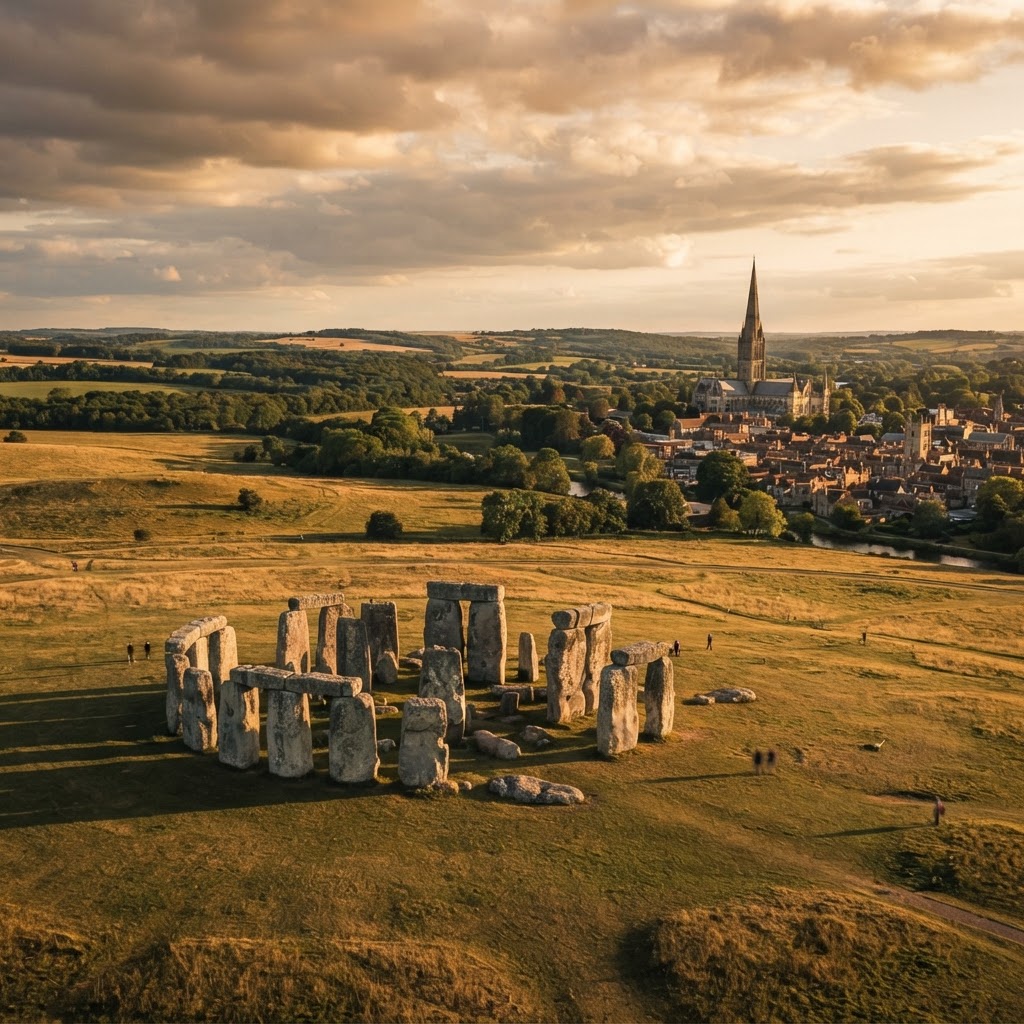
Stonehenge & Salisbury, Wiltshire
United Kingdom
Beyond the standing stones: medieval spires, original charters, and ancient landscapes
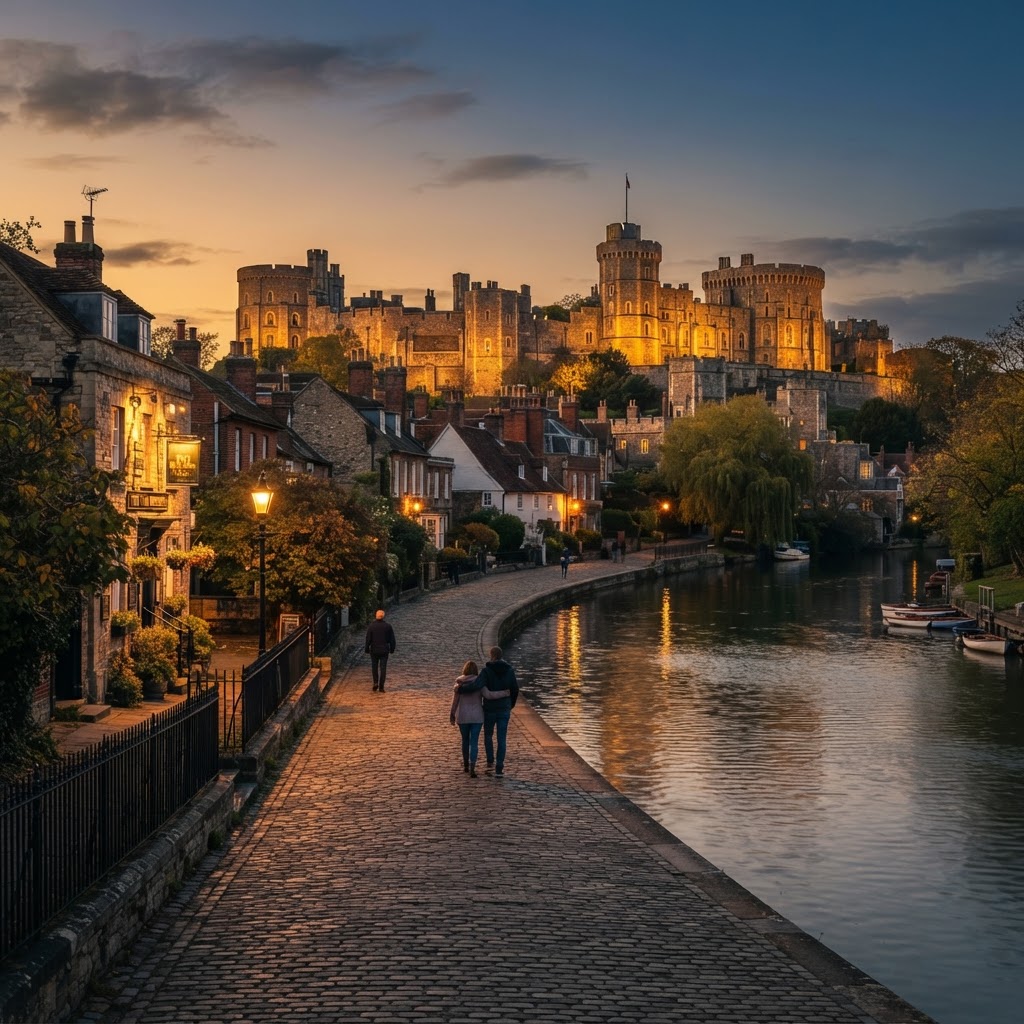
Windsor, England
United Kingdom
Beyond the royal gates, an intimate Thames-side enclave best savored after the day-trippers depart.
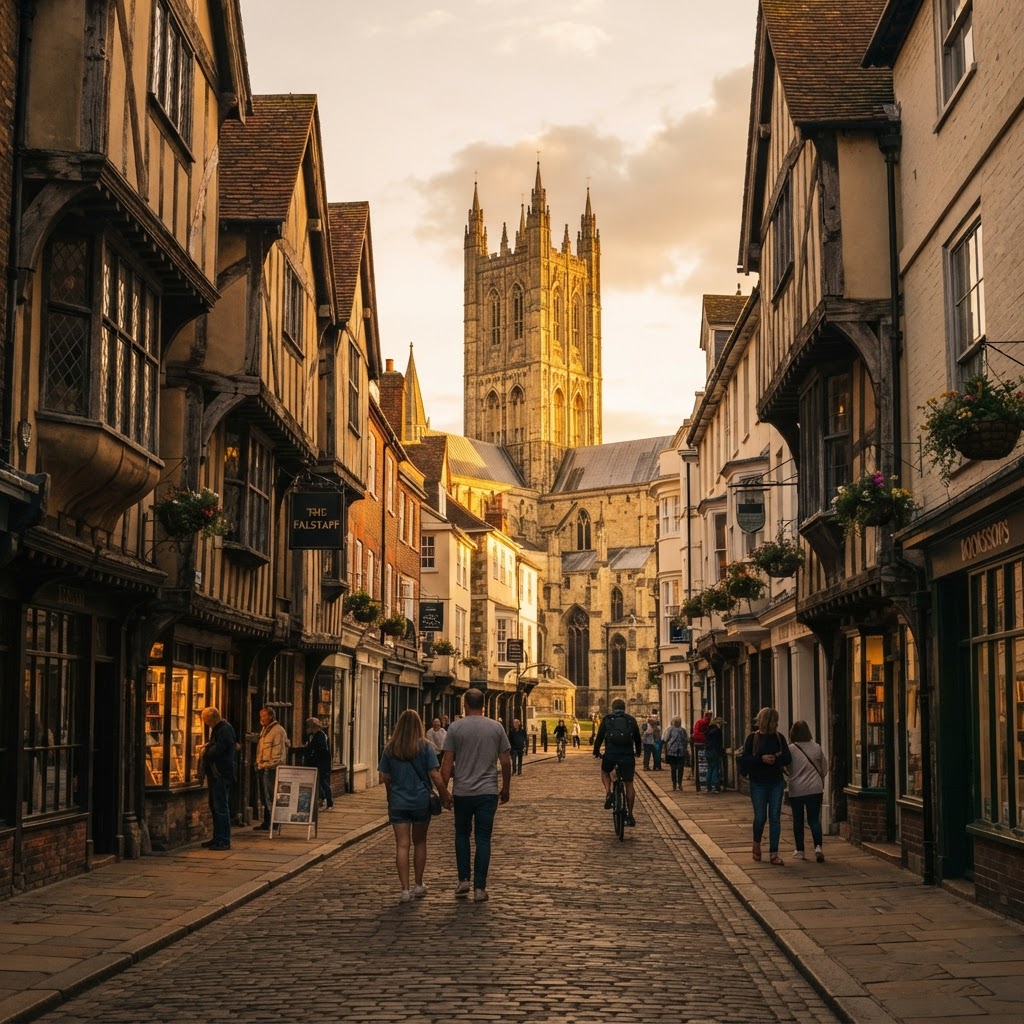
Canterbury, Kent
United Kingdom
Living medieval history without the London transit exhaustion
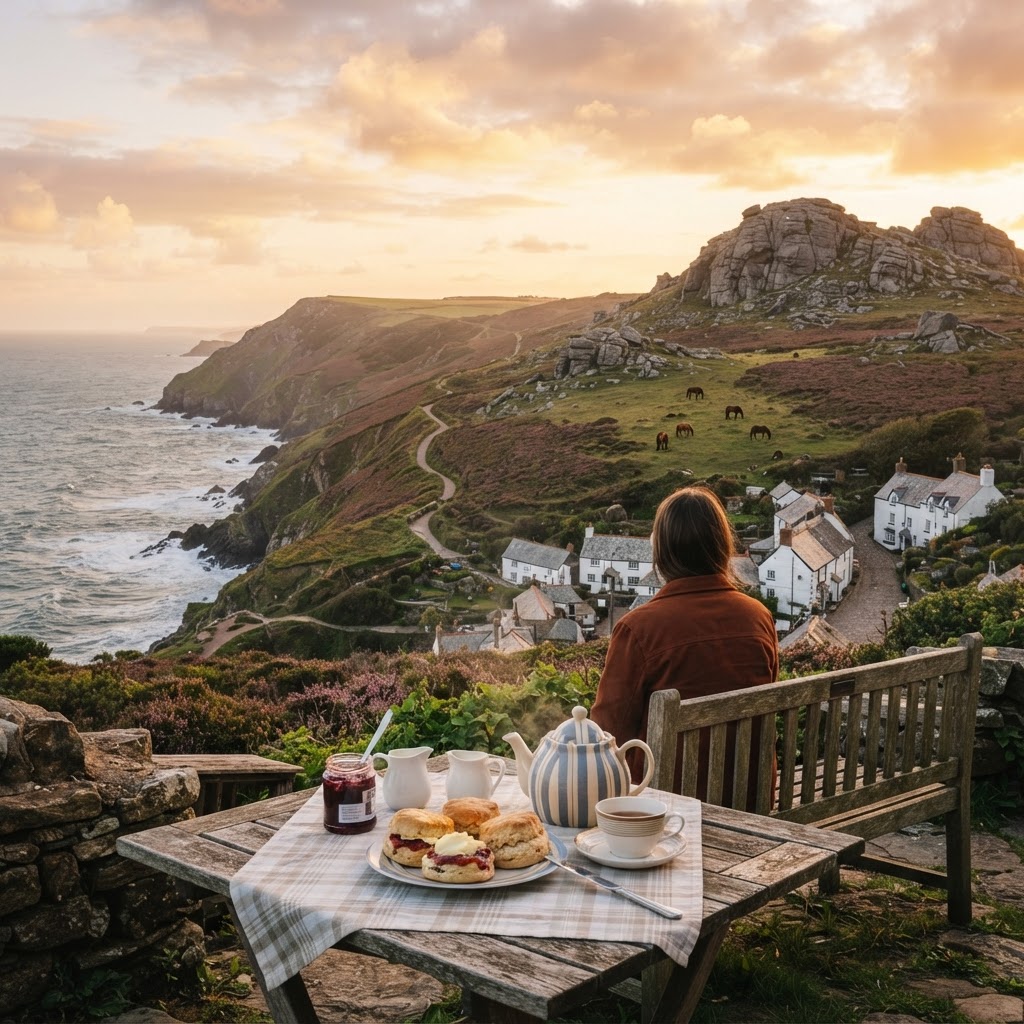
Devon
United Kingdom
Two wild coastlines, high granite moorland, and unmatched cream teas
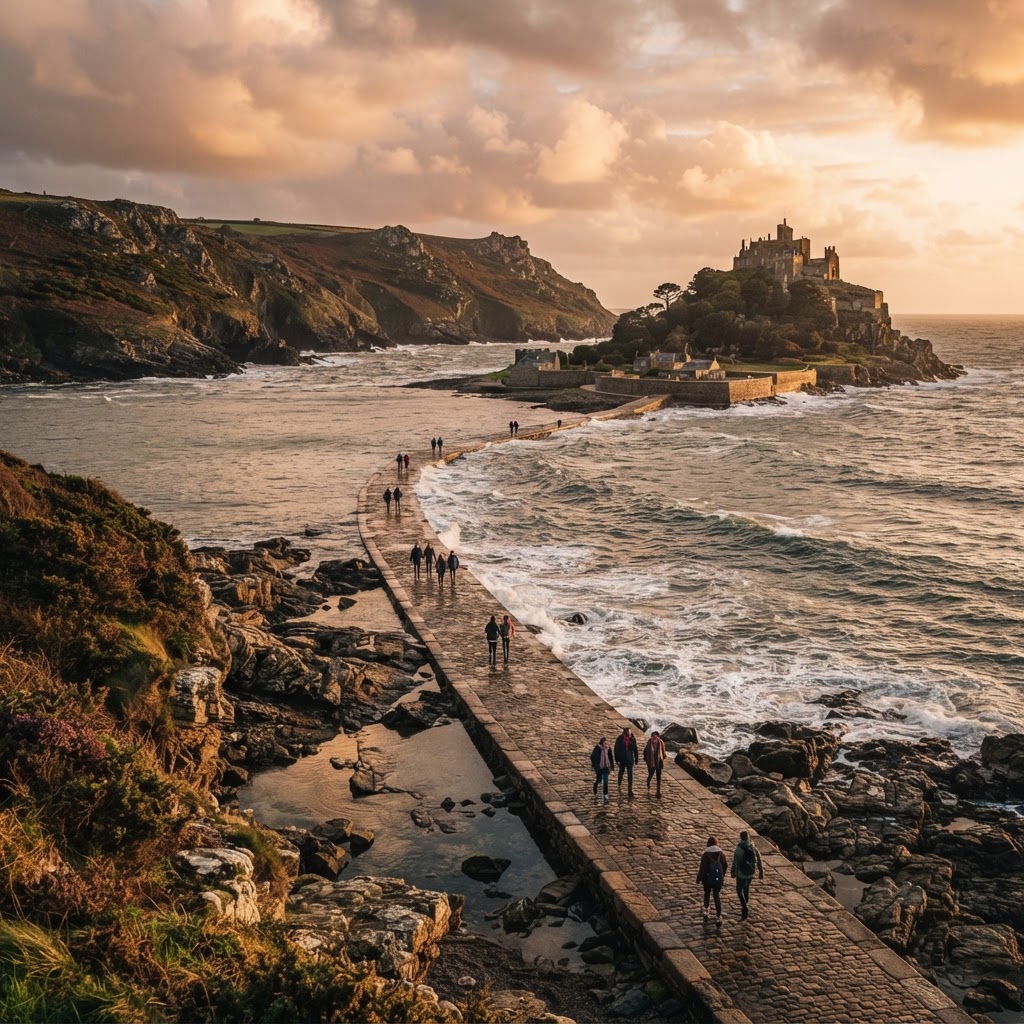
Cornwall, England
United Kingdom
Tidal causeways, windswept coastal cliffs, and wild Celtic sea culture.
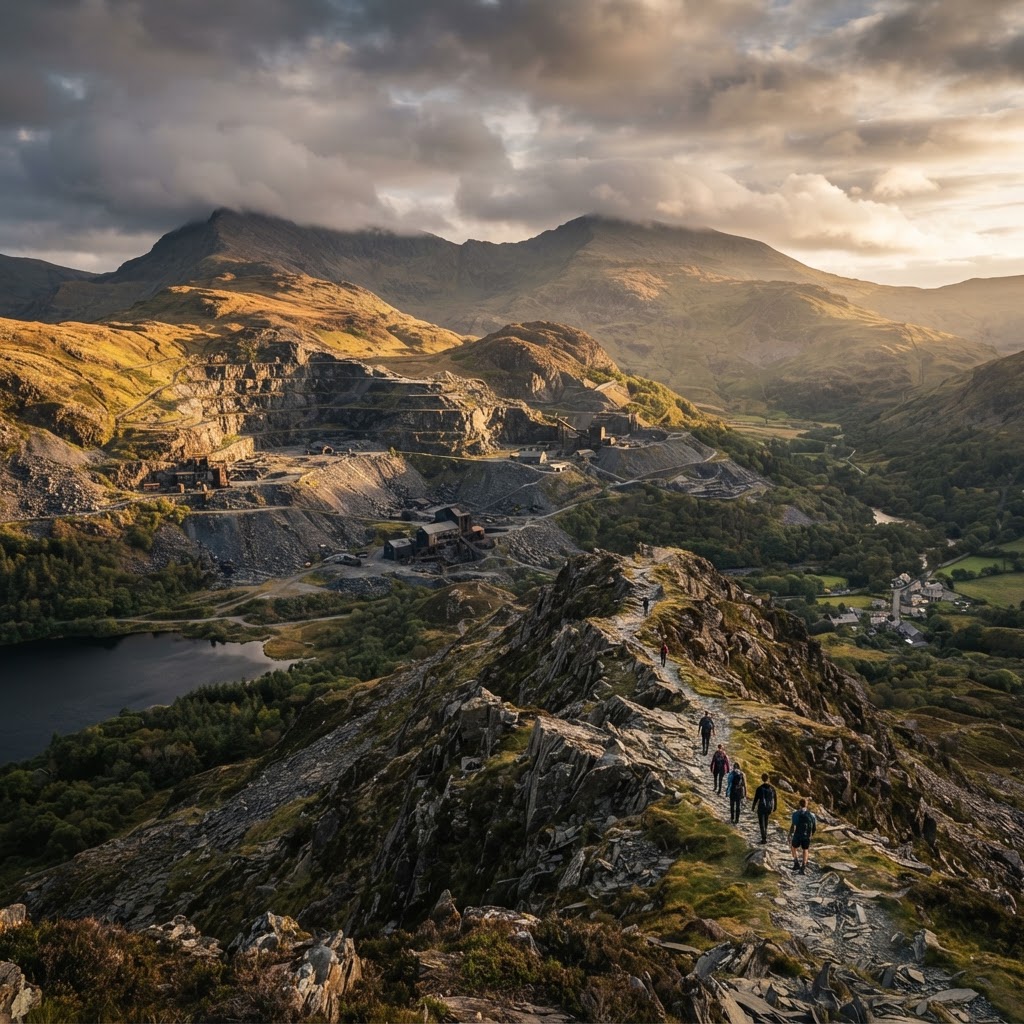
Eryri (Snowdonia), Wales
United Kingdom
Glacial valleys, Celtic slate quarries, and cloud-swept ridge walks in Wales' rugged heartland.
Readymade itineraries
Start from a tested template — then make it yours.
Ready to book
Lock in your Bath trip
Everything in one place. We may earn a small commission — it never costs you more.
Plan a trip to Bath
Pick a length and we'll build a day-by-day plan around how you travel — neighborhoods clustered, budget-aware, and editable.
Get better at planning trips like this
Occasional notes on planning smarter — no spam, unsubscribe anytime.
Plan a trip to Bath
Turn this guide into a day-by-day plan built around your pace, your group, and your budget.
Build my Bath trip