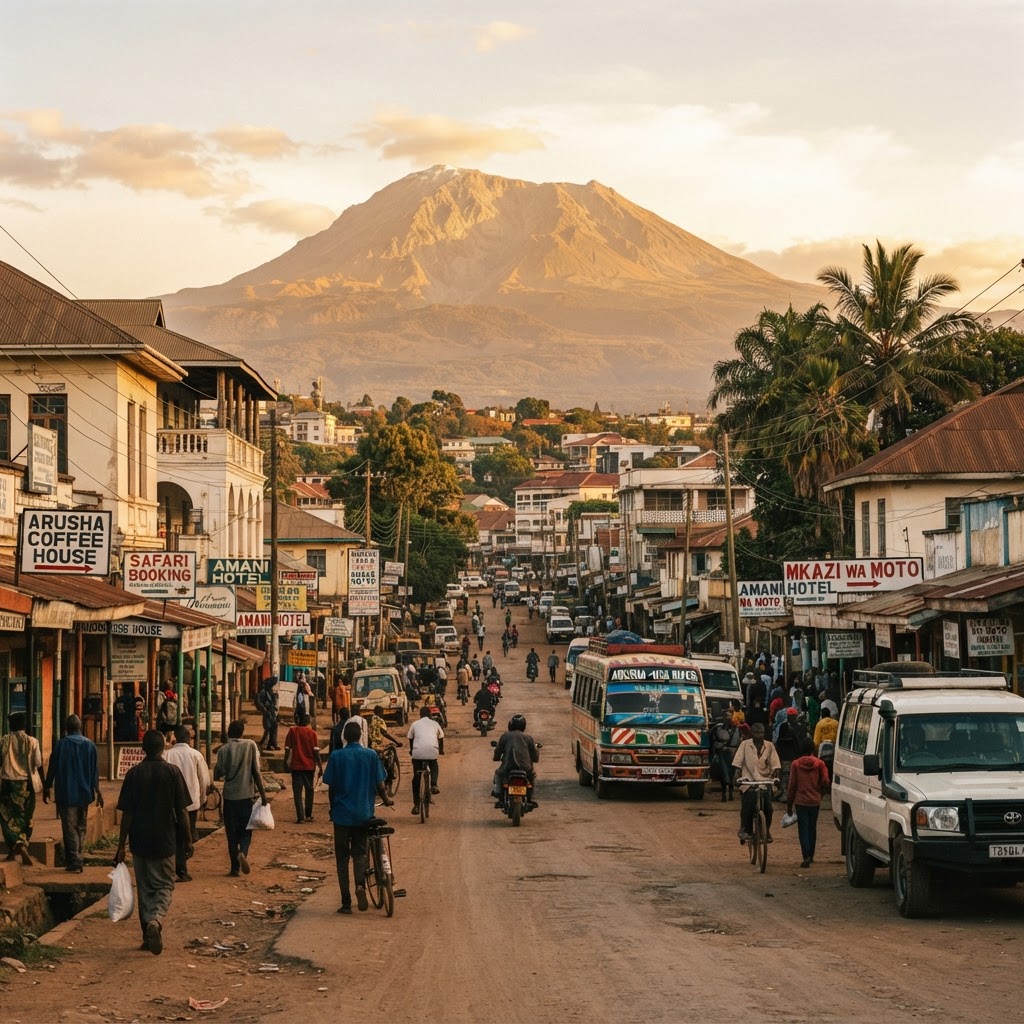
Tanzania
Arusha, Tanzania Itinerary: How Many Days + Sample Plans
The northern safari staging ground beneath Mount Meru
Traveler rating
Loved by safari travelers transitioning to northern parks.
Plan & book
Sort your Arusha, Tanzania trip in one place.
We point you to the booking tools we'd actually use — live prices, no markup. Or let us build the day-by-day plan around you first, then book.
Pick your trip length
How many days do you need in Arusha, Tanzania?
Each of these opens a full day-by-day plan you can make your own.
- 2 days — Two days — the essentials, no rushing.
- 3 days — Three days — the icons plus one neighborhood.
- 4 days — Four days — a full city without sprinting.
- 5 days — Five days — room for a day trip.
- 7 days — A week — the city at a human pace.
- With Kids trip — Shorter days, earlier dinners, what to skip.
- For Couples trip — Two-person pacing with evenings built in.
- Solo trip — A plan that works well on your own.
- Food trip — Meals and markets as the anchors.
- Outdoors trip — Nature, walks and open air.
- Culture trip — History, museums and the streets around them.
Arusha is the logistics nerve center for Tanzania's Northern Safari Circuit. Sprawling across the lower green slopes of Mount Meru, this highland city is where bush planes take flight, 4x4 safari conversions are outfitted, and travelers decompress before or after expeditions into Serengeti and Ngorongoro.
2 days
Best time
June through September for crisp weather, dust-free skies, and seamless northern wildlife viewing.
Build your own trip with these prebuilt itineraries
Each one is a tested, day-by-day plan for Arusha, Tanzania — start here, then make it yours.
3 Days of Culture & Mount Meru Foothills in Arusha
Active outdoors and highland immersion focused on walking safaris, waterfalls, and coffee farm stays
2 Days in Arusha Highlights in Arusha
Balanced introduction combining Arusha National Park wildlife, canoeing, and cultural craft centers
1 Day Safari Gateway & Acclimatization in Arusha
Quick pre-safari orientation featuring highland coffee estates, local markets, and essential logistics
Most visitors treat Arusha purely as an arrival runway, but slowing down for 24 to 48 hours gives you access to lush coffee plantations, acclimatization hikes up Mount Meru, tranquil canoeing on Lake Duluti, and a vibrant local market culture completely separate from the insulated safari lodge bubble.
Where to stay
Getting there
Getting around
Food & drink
What it costs
Things to do
Book tours & tickets in Arusha, TanzaniaSkip it if
Skip spending more than an airport overnight if you dislike bustling transit towns and your itinerary allows direct bush flights into the Serengeti from Kilimanjaro or Nairobi.
When to go
Arusha sits at 1,400 meters altitude; the long dry season from June to October ensures cool, comfortable days and clear sights of Mount Meru, without the torrential downpours that paralyze unpaved side streets. The tradeoff is steep: lodge rates hit peak prices, and safari vehicle traffic clogs the Moshi-Arusha highway.
Peak (June–October, mid-December–February)
Dry weather and prime game viewing in adjacent parks; accommodations fill months ahead and town runs at peak bustle.
Shoulder (November–early December)
Unpredictable 'short rains' bring afternoon cloudbursts, but the highland scenery turns lush green and crowds thin dramatically.
Low (March–May)
The 'long rains' bring torrential afternoon and evening downpours; secondary dirt roads get heavily rutted and muddy, though hotel rates drop significantly.
Neighborhoods
Where you stay shapes the trip. Here's how to think about it.
Central Business District (Clock Tower & Boma)
Buzzing commercial crossroads where safari offices, craft stalls, and banking centers clash amid heavy traffic.
Best for:Short 1-night layovers and walkers wanting access to banks, booking agencies, and local dining.
Don't miss:The historic German Boma on Boma Road, which houses the Natural History Museum and sits a short walk from the central Clock Tower roundabout.
Sakina & Burka
A leafier, upscale western corridor stretching along the Dodoma Road dotted with coffee estates and peaceful lodges.
Best for:Fly-in safari travelers using Arusha Airport (ARK) or those seeking secluded garden grounds.
Don't miss:A walking tour of an active Arabica plantation at Arusha Coffee Lodge to see highland bean harvesting and roasting.
Njiro
A quiet, modern residential district south of town favored by expats, NGOs, and long-term stays.
Best for:Remote workers and families wanting paved streets, secure villa rentals, and modern shopping complexes.
Don't miss:Njiro Complex for quiet cafes, reliable ATMs, and a break from center-city hawkers.
Usa River & Tengeru
Semi-rural highland enclave 20 kilometers east along the Moshi Road, surrounded by nursery farms and lush foothills.
Best for:Acclimatizing hikers, birders, and anyone seeking quiet nature before Mount Meru or Kilimanjaro treks.
Don't miss:The bustling Tengeru morning market for fresh passion fruit, roasted maize, and guided local coffee farming walks.
Destination intelligence
Updated 10/6/2026The structured record we plan every Arusha, Tanzania itinerary from.
Walkability
Low to Moderate; central business blocks are walkable by day, but town sprawl, lack of sidewalks, and high-speed traffic require vehicles between districts.
Transit quality
Basic; abundant shared minibuses (dala-dalas) and bajaji tuk-tuks serve locals, but private safari vehicles and taxis are essential for travelers.
Car needed
Yes, private hire or dedicated safari driver is strongly recommended; self-driving is not advised for visitors.
Ideal duration
2 days
Minimum useful
1 day
Peak season
June through October and mid-December through February (dry weather, optimal wildlife viewing on northern circuits).
Shoulder season
November to early December (short rains, greener scenery, fewer safari vehicles).
Low season
March through May (heavy long rains, muddy secondary roads, reduced lodge operations).
Best for
Common mistakes
- Landing at JRO after dusk and immediately attempting a three-hour drive toward the national parks
- Booking accommodations on the far west side of Arusha when flying out of JRO the next morning, losing hours in morning town traffic
- Walking between neighborhoods after nightfall instead of taking a $3-$5 USD registered taxi
Best nearby
How to plan it
- Stay in Sakina or along the western outskirts if your priority is catching an early-morning bush flight from Arusha Airport (ARK).
- Base yourself in Usa River or Tengeru if you need quiet garden grounds to shake off long-haul jet lag before starting multi-day game drives.
- Don't attempt to visit Chemka Hot Springs and Arusha National Park on the same day; they sit in completely opposite directions and the transit will consume all your daylight.
- Book high-season safari lodge stays and reputable Northern Circuit outfitters at least 6 to 9 months in advance for July through August travel.
- Pair an Arusha layover with a day hike to Materuni Waterfalls on the lower slopes of Mount Kilimanjaro rather than trying to summit prematurely.
Questions
More in East Africa
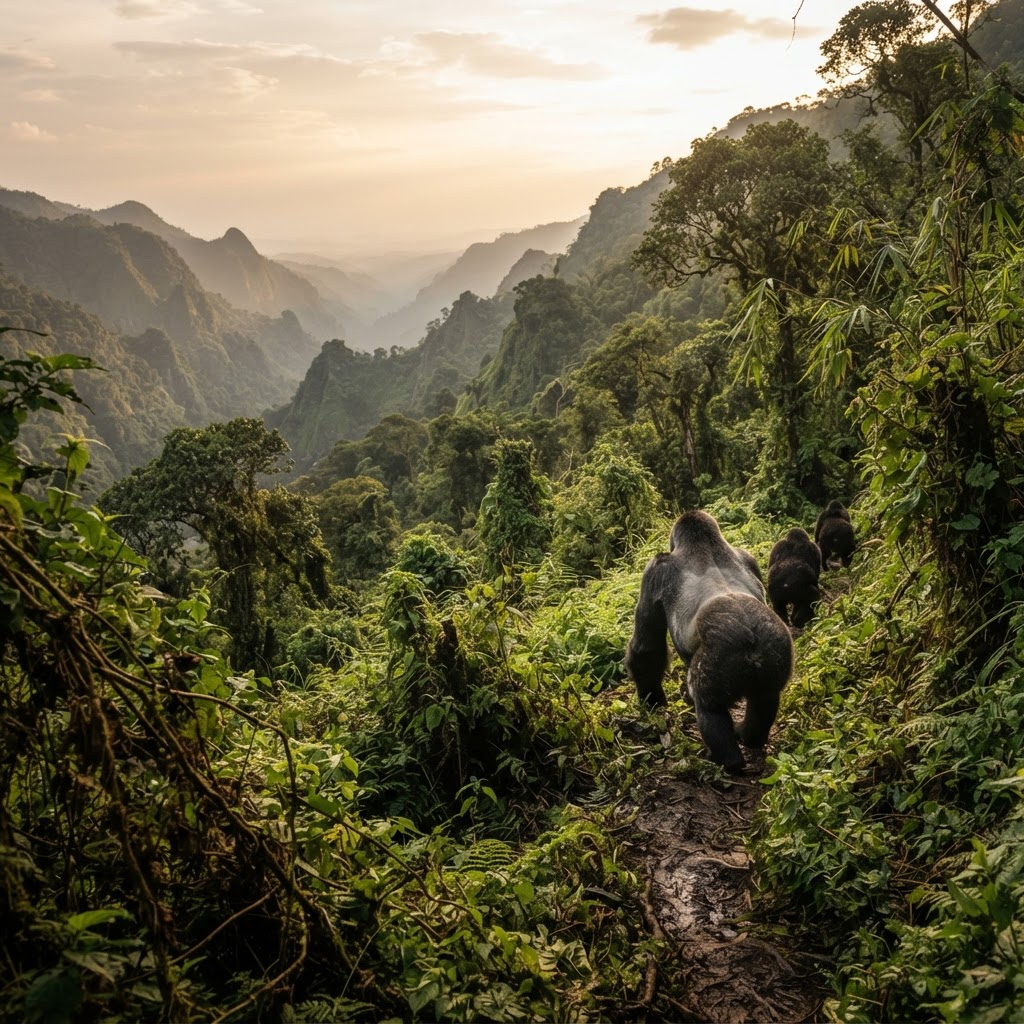
Bwindi Impenetrable Forest, Uganda
Uganda
Steep primal jungle, razor ridges, and heart-stopping wild gorilla encounters.
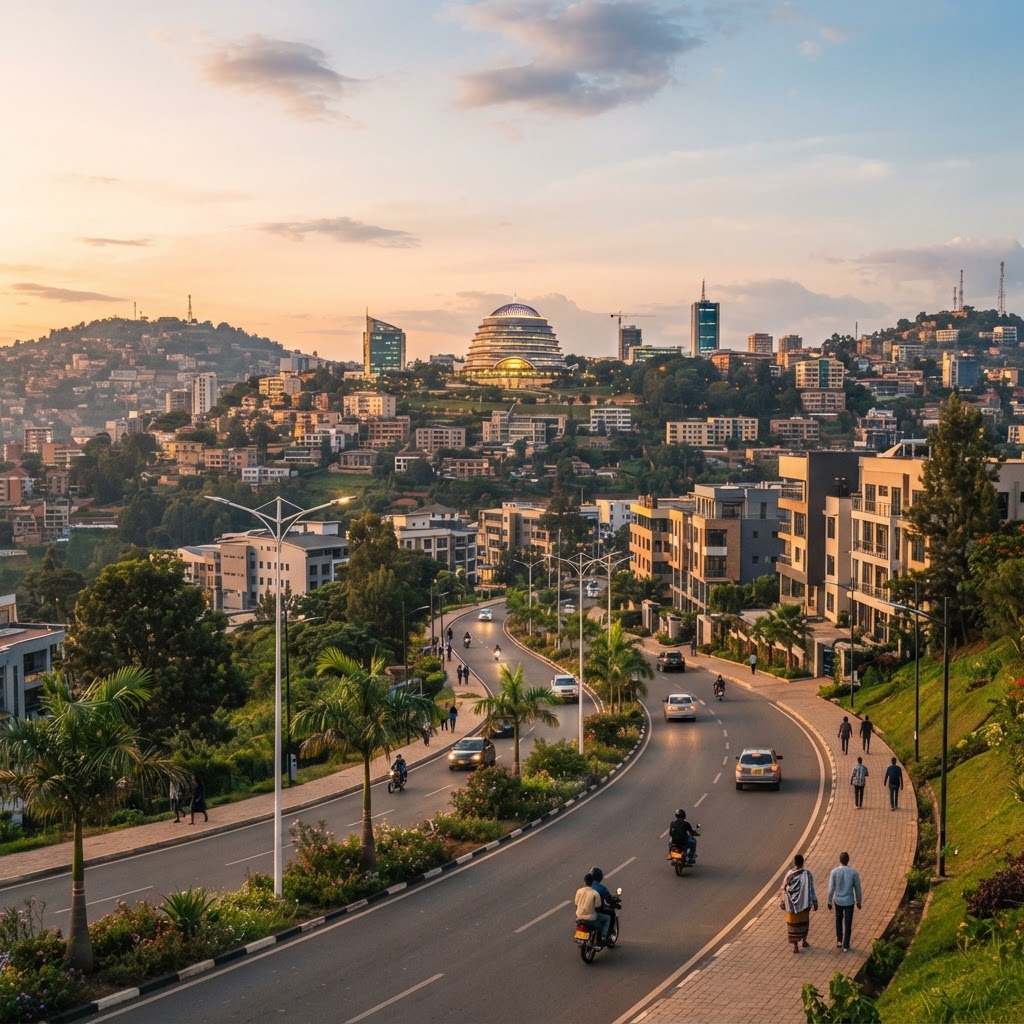
Kigali, Rwanda
Rwanda
A spotless, hill-crested capital trading chaos for creative energy and modern African urbanism.
Readymade itineraries
Start from a tested template — then make it yours.
Ready to book
Lock in your Arusha, Tanzania trip
Everything in one place. We may earn a small commission — it never costs you more.
Plan a trip to Arusha, Tanzania
Pick a length and we'll build a day-by-day plan around how you travel — neighborhoods clustered, budget-aware, and editable.
Get better at planning trips like this
Occasional notes on planning smarter — no spam, unsubscribe anytime.
Plan a trip to Arusha, Tanzania
Turn this guide into a day-by-day plan built around your pace, your group, and your budget.
Build my Arusha, Tanzania trip