France
Arles, France
Roman engineering meets cutting-edge contemporary art at the sunbaked gate of the Camargue.
Plan & book
Sort your Arles, France trip in one place.
We point you to the booking tools we'd actually use — live prices, no markup. Or let us build the day-by-day plan around you first, then book.
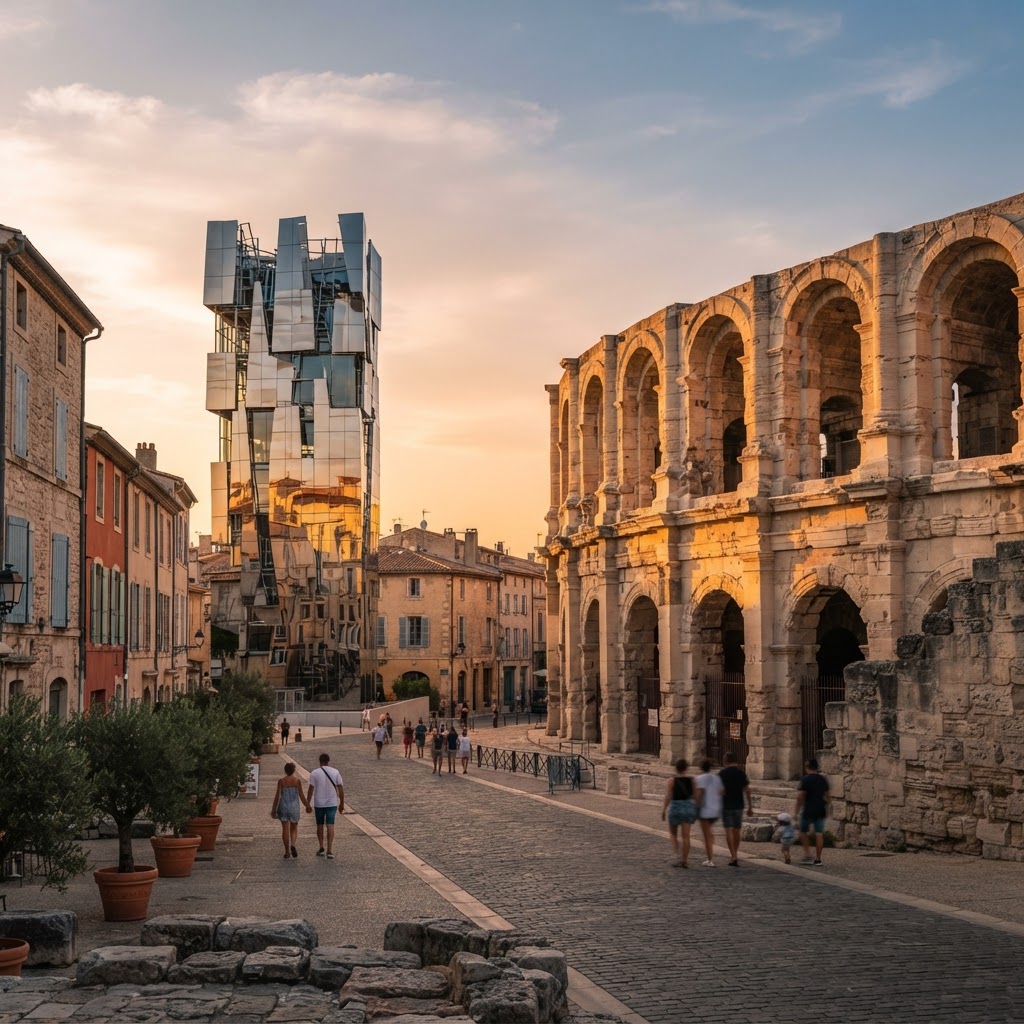
Arles is Provence stripped of its manicured lavender cliches and infused with architectural weight. It is an unvarnished working town where first-century Roman monuments sit alongside Frank Gehry's reflective stainless-steel tower at LUMA Arles. Historically known as the sun-drenched crucible that inspired Vincent van Gogh's most prolific creative period, today's Arles is an essential stop for travelers who value grit, monumental antiquity, and modern art curation over polished resort towns.
2 to 3 days
Best time
May to June or September to October for warm outdoor dining without summer crowding or stifling heat.
Build your own trip with these prebuilt itineraries
Each one is a tested, day-by-day plan for Arles, France — start here, then make it yours.
3 Days of Contemporary Art and Photography in Arles
Modern culture focus featuring LUMA Arles, local photography galleries, and vibrant cafe life
2 Days of Roman Monuments and Van Gogh Trails in Arles
Classical antiquities, UNESCO Roman architecture, and historic footsteps of Vincent van Gogh
1 Day Essential Arles by Rail in Arles
A high-efficiency, fully walkable day trip covering the Arena, Theater, and old town lanes
Arles stands out in southern France because it refuses to be just a postcard. The 20,000-seat Roman amphitheater dominates everyday life rather than sitting cordoned off in a park, while the monumental LUMA Arles creative campus puts it on the global art map. Add the Saturday market stretching along Boulevard des Lices and immediate proximity to the Camargue delta, and you have a cultural anchor that is vastly more engaging than the sleepy villages nearby.
Where to stay
Getting there
Getting around
Food & drink
What it costs
Things to do
Book tours & tickets in Arles, FranceSkip it if
Skip Arles if you want the manicured, pastel-postcard Provence of lavender fields and hilltop villages (head directly to the Luberon instead), or if you want high-end seaside resort luxury, which is better served along the Côte d'Azur.
When to go
July and August pack the historic center for the world-renowned Les Rencontres d'Arles photography festival and push room rates to their annual peak under 35°C afternoon heat. Spring and early autumn provide crisp light, active weekly markets, and walkable daytime temperatures.
Peak (July to August)
Les Rencontres d'Arles photography festival takes over churches and warehouses. High heat, packed restaurants, and steep hotel premiums; book lodging months in advance.
Shoulder (April to June & September to October)
Comfortable 20°C to 24°C days, lively Saturday market mornings, and full museum hours without festival crowds.
Low (November to March)
Quiet streets and substantial hotel savings, but expect biting Mistral winds, shorter monument operating hours, and shuttered boutique dining.
Neighborhoods
Where you stay shapes the trip. Here's how to think about it.
Centre-Ville / Cité
Monumental, bustling, and steeped in antiquity around the ancient amphitheater.
Best for:First-time visitors and travelers wanting every Roman ruin steps from their door
Don't miss:The double-tiered arches of Les Arènes and the Romanesque carved portal of Église Saint-Trophime.
La Roquette
Quiet residential alleys, pastel shutters, independent wine bars, and working-town intimacy.
Best for:Couples, repeat visitors, and anyone wanting a neighborhood bistro scene over tour groups
Don't miss:Evening natural wine and small plates on Place Paul Doumer after day-trippers depart.
Trinquetaille
Grittier, riverside residential area on the right bank of the Grand Rhône.
Best for:Budget-minded travelers seeking cheaper apartments with easy walking access across the bridge
Don't miss:The sunset view across the river looking back toward the historic skyline from Quai Saint-Pierre.
Parc des Ateliers
Industrial-modern campus defined by contemporary art, manicured gardens, and Frank Gehry architecture.
Best for:Architecture fans, design lovers, and contemporary photography enthusiasts
Don't miss:LUMA Arles and the stainless steel tower exhibitions set in renovated SNCF rail yard hangars.
Destination intelligence
Updated 9/14/2026The structured record we plan every Arles, France itinerary from.
Walkability
exceptional
Transit quality
good
Car needed
optional
Ideal duration
2 to 3 days
Minimum useful
1 full day
Peak season
July to August (Les Rencontres d'Arles photography festival, crowded Roman monuments, and hot dry weather)
Shoulder season
April to June and September to October (mild weather, outdoor dining, and lower hotel pressure)
Low season
November to March (cool, quiet, occasional mistral winds, with reduced museum and restaurant hours)
Best for
Common mistakes
- Driving a rental car into the historic center without checking if your hotel provides bollard access or garage permits
- Expecting to see original Van Gogh masterpieces on public display—Arles inspired the work, but his original canvases reside mostly in Amsterdam, Paris, and Otterlo
- Visiting on a Monday outside high season when many independent restaurants and state-run sites operate on reduced schedules
- Overlooking the intense heat and lack of shade inside the open-air Roman Arena between 12:00 PM and 3:00 PM in mid-summer
Best nearby
How to plan it
- Stay in La Roquette if you prefer quiet, cobbled lanes and local bistros over tourist bus routes around the amphitheater.
- Schedule your stay over a Saturday morning to walk the massive two-kilometer street market along Boulevard des Lices.
- Pair Arles with Avignon or Nîmes via frequent, direct 15-to-20-minute regional TER train rides instead of switching hotels.
- Don't cram LUMA Arles into a 90-minute slot; the Gehry tower and surrounding landscaped Parc des Ateliers hangars require at least a half-day.
- Skip the reconstructed Café Van Gogh tourist trap on Place du Forum and opt for independent eateries tucked off Rue des Porcelet instead.
Questions
More in France
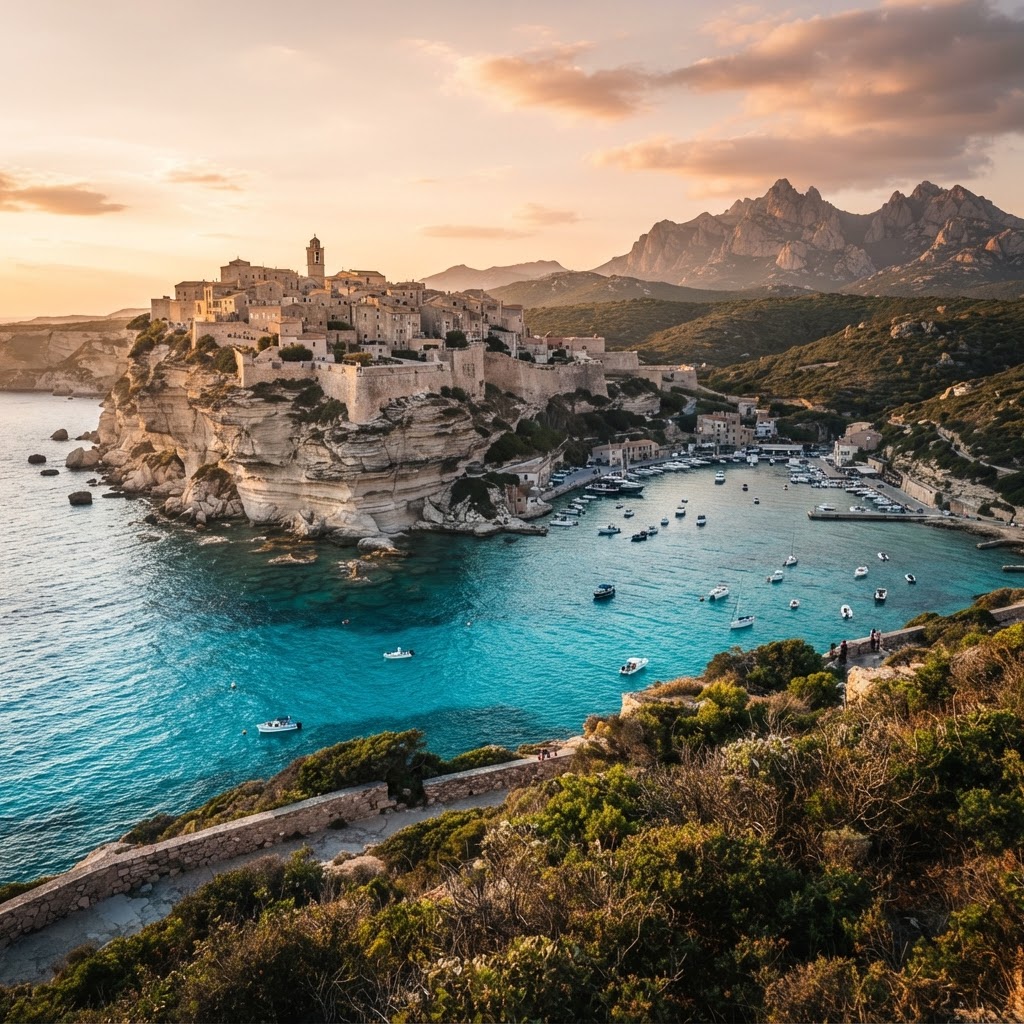
Corsica, France
France
Granite peaks rising from turquoise bays, untamed maquis, and fiercely independent coastal citadels.
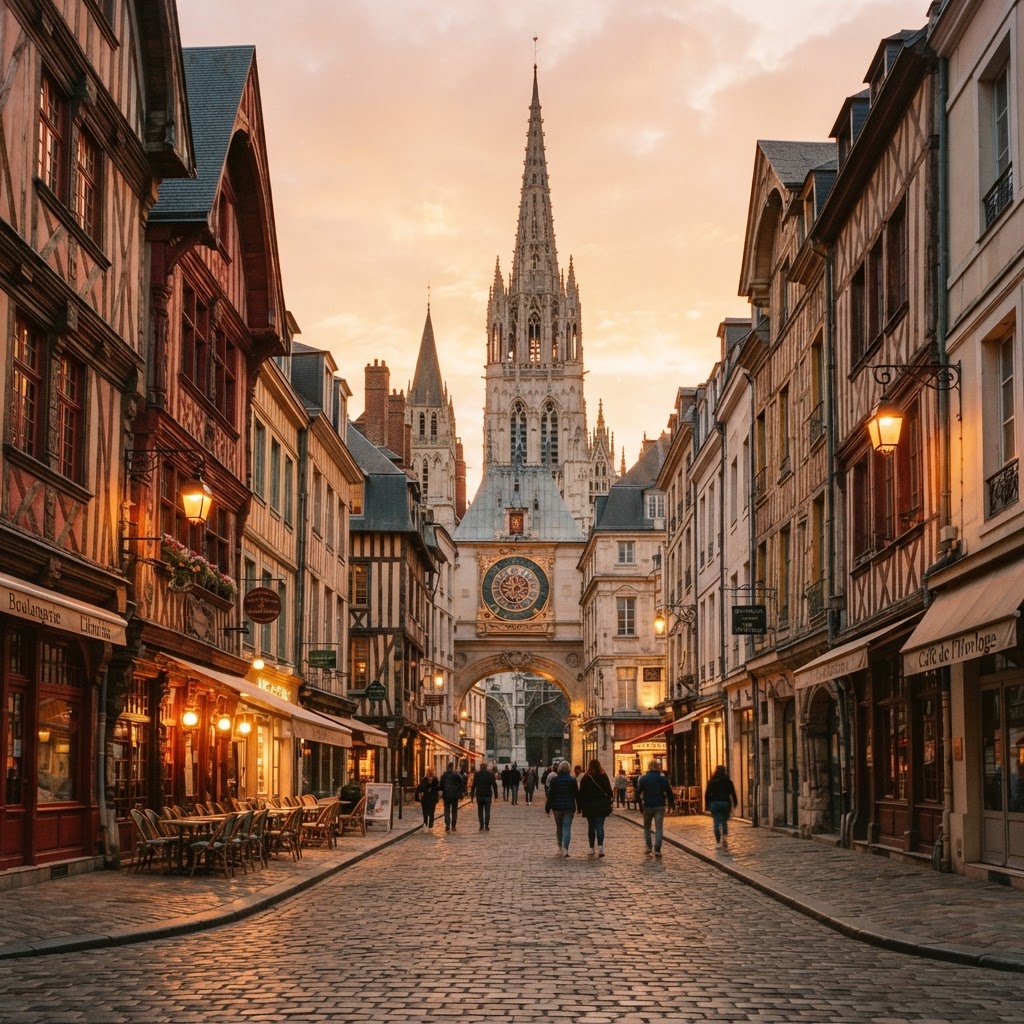
Rouen, France
France
Gothic spires, timbered medieval quarters, and impressionist light just 90 minutes from Paris.
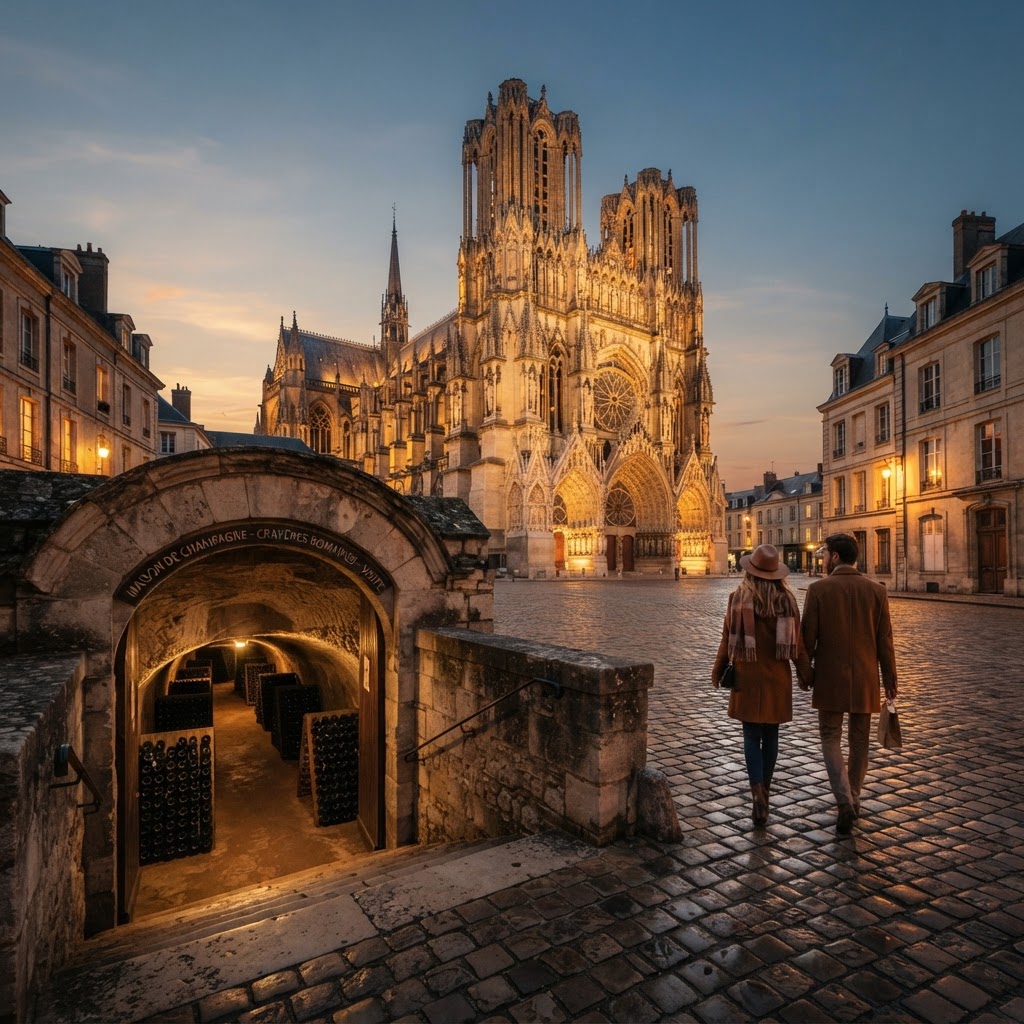
Reims, Grand Est, France
France
Gothic coronation grandeur and subterranean Roman chalk cellars filled with Champagne
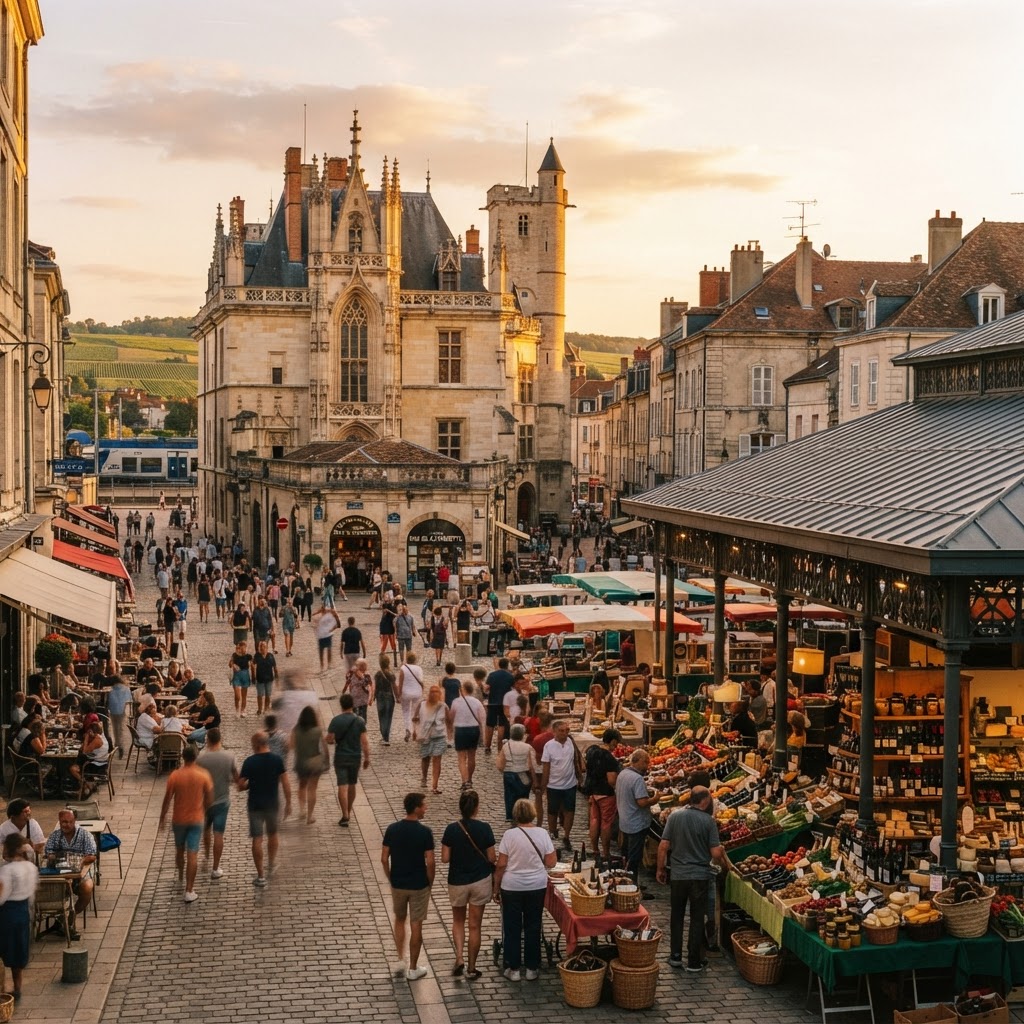
Dijon
France
Ducal architecture, legendary market tables, and the direct rail gateway to the Côte de Nuits.
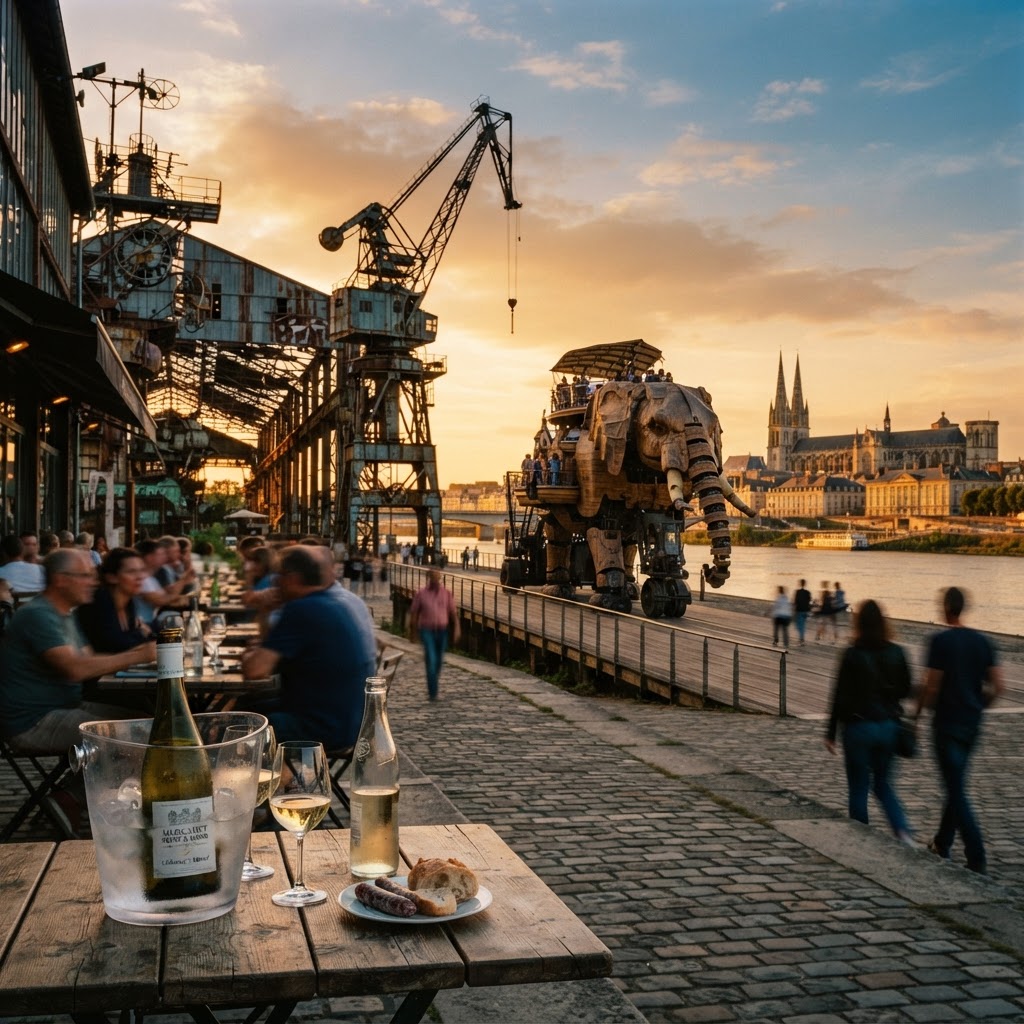
Nantes, France
France
Industrial shipyards reimagined through Jules Verne surrealism, crisp Muscadet, and radical public art.
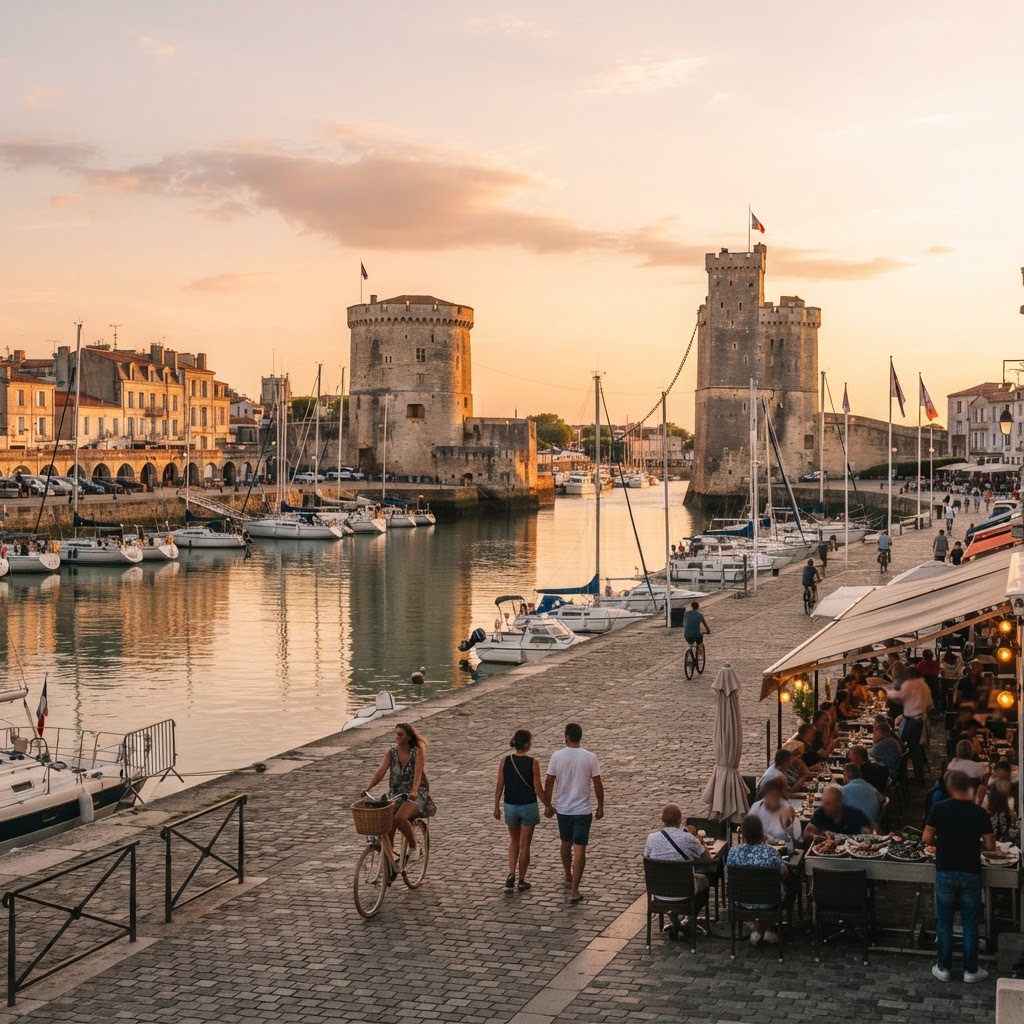
La Rochelle
France
A luminous Atlantic maritime fortress tuned for seafood, cycling, and island hopping
Readymade itineraries
Start from a tested template — then make it yours.
Ready to book
Lock in your Arles, France trip
Everything in one place. We may earn a small commission — it never costs you more.
Plan a trip to Arles, France
Pick a length and we'll build a day-by-day plan around how you travel — neighborhoods clustered, budget-aware, and editable.
Get better at planning trips like this
Occasional notes on planning smarter — no spam, unsubscribe anytime.
Plan a trip to Arles, France
Turn this guide into a day-by-day plan built around your pace, your group, and your budget.
Build my Arles, France trip