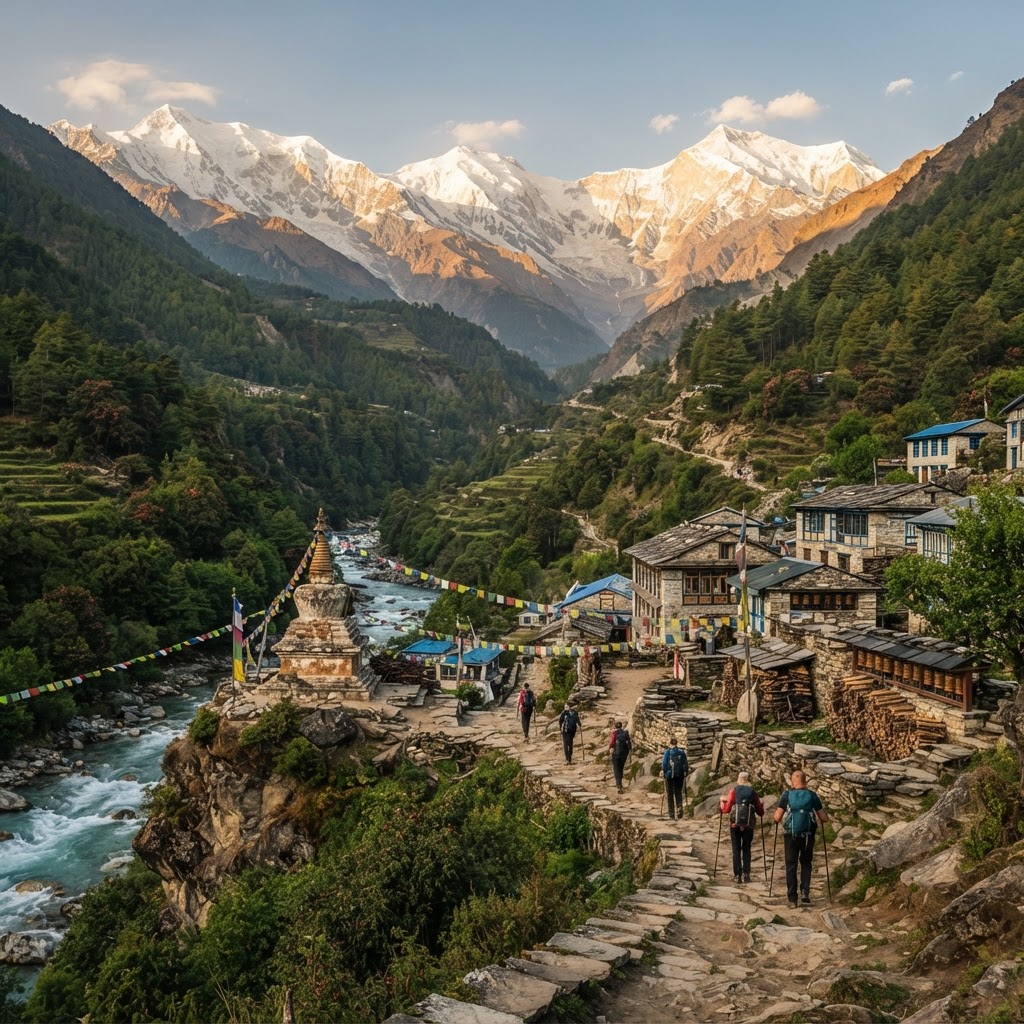
Nepal
Annapurna Region, Nepal
Trek through subtropical river valleys up to glaciated Himalayan high passes.
Plan & book
Sort your Annapurna Region, Nepal trip in one place.
We point you to the booking tools we'd actually use — live prices, no markup. Or let us build the day-by-day plan around you first, then book.
The Annapurna Conservation Area is Nepal's premier trekking haven, stretching from lush terraced hillsides and rhododendron forests to the arid Tibetan plateau landscape of Upper Mustang and Manang. Centered around Pokhara as the gateway hub, the region offers everything from moderate 4-day ridge walks to multi-week expeditions across the 5,416-meter Thorong La Pass.
10-14 days
Best time
October to November for pristine skies, or late March to April for blooming rhododendrons.
Build your own trip with these prebuilt itineraries
Each one is a tested, day-by-day plan for Annapurna Region, Nepal — start here, then make it yours.
10-Day Annapurna Sanctuary & Base Camp Trek in Annapurna Region
Deep alpine amphitheater immersion traversing rhododendron forests directly into the high-altitude foot of Annapurna I
5-Day Ghorepani Poon Hill Express Trek in Annapurna Region
Low-altitude introduction featuring sunrise panoramas over Dhaulagiri and Gurung cultural villages without severe acclimatization risks
Unlike other Himalayan routes that remain at brutal, barren elevations from day one, Annapurna delivers dramatic ecological and cultural variety. In a single two-week walk, you cross Gurung farming hamlets, Buddhist gompas adorned with prayer flags, pine forests, and alpine moraines framing Annapurna I, Machapuchare, and Dhaulagiri.
Where to stay
Getting there
Getting around
Food & drink
What it costs
Things to do
Book tours & tickets in Annapurna Region, NepalSkip it if
Skip this if you require uninterrupted luxury infrastructure, reliable central heating, and private en-suite bathrooms, or if you cannot manage sustained daily ascents of 5 to 7 hours over uneven terrain.
When to go
Autumn brings crystal-clear visibility directly after the monsoon, though trails and teahouses see peak density. Spring offers milder climbing temperatures and floral lower valleys, balanced against rising afternoon haze and higher permit competition.
Peak (Oct–Nov & Mar–Apr)
Rock-solid weather, dry trails, and cold nights; teahouses operate at capacity and pre-booking a guide through an agency is critical.
Shoulder (May & Sep)
Fewer trekkers, but expect muggy ascents, pre-monsoon afternoon storms in May, and lingering cloud cover through September.
Low (Jun–Aug & Dec–Feb)
Summer monsoons create slick stone stairs, leeches, and landslide hazards; winter brings heavy snow that routinely shuts down Thorong La Pass.
Neighborhoods
Where you stay shapes the trip. Here's how to think about it.
Pokhara (Lakeside)
Laid-back staging post with open-air cafes, gear outlets, and views over Phewa Lake.
Best for:Trek preparation, post-trail recovery, and casual dining
Don't miss:Breakfast at the lakeside cafes on Baidam Road before loading into trail jeeps.
Ghandruk
Stone-paved Gurung village clinging to terraced slopes with direct vistas of Annapurna South.
Best for:Cultural homestays, short 3- to 4-day treks, and first-time mountain walkers
Don't miss:The Old Gurung Museum and its traditional slate-roofed architecture.
Manang
High-altitude trading settlement carved into an arid valley beneath glaciated ridges.
Best for:Acclimatization layovers on the Circuit and rugged alpine exploration
Don't miss:The steep day-hike climb to the Gangapurna glacial lake viewpoint or Ice Lake.
Muktinath
Sacred, barren pilgrimage stopover sitting just across the Thorong La Pass.
Best for:Spiritual history, downhill relief after crossing the pass, and road transit back to Jomsom
Don't miss:The 108 stone water spouts and eternal natural gas flame at Muktinath Temple.
Ghorepani
Busy mountain crossroads surrounded by rhododendron groves and wood-smoke teahouses.
Best for:Early risers, sunrise views, and moderate ridge circuits
Don't miss:The pre-dawn headlamp climb up to Poon Hill (3,210m) for sunrise over Dhaulagiri.
Destination intelligence
Updated 9/14/2026The structured record we plan every Annapurna Region, Nepal itinerary from.
Walkability
High
Transit quality
Fair
Car needed
No
Ideal duration
10-14 days
Minimum useful
4-5 days
Peak season
October to November and March to April, offering crisp blue skies, minimal precipitation, and blooming rhododendron forests.
Shoulder season
May and September, offering fewer crowds on trail but a higher likelihood of afternoon cloud build-up and early pre-monsoon showers.
Low season
June through August (monsoon with high landslide and leech risk) and December through February (sub-zero temperatures and snowbound high passes).
Best for
Common mistakes
- Ascending too quickly past Manang without dedicated acclimatization days, triggering severe acute mountain sickness
- Trekking during the summer monsoon (June-August) when trails face heavy leeches, rain, landslides, and completely obscured mountain views
- Failing to carry enough physical cash (Nepalese Rupees) from Pokhara, as high-altitude trail teahouses do not process credit cards or have functional ATMs
- Walking along dusty newly-built jeep roads instead of seeking out the marked New Annapurna Trekking Trails (NATT) route
- Not hiring a licensed guide, which is mandatory under current Nepal Tourism Board safety regulations
Best nearby
See what a trip to Nepal actually costs. Travel Budget Co.
How to plan it
- Base yourself in Pokhara's Lakeside for 1 to 2 nights before and after your trek to stage gear, sort permits, and decompress.
- Do not skip the acclimatization day in Manang if tackling the Circuit; use it to hike up to Ice Lake or Gangapurna to train your lungs.
- Pair Poon Hill with an extension toward Annapurna Base Camp or Mardi Himal instead of doing Poon Hill as an isolated out-and-back trek.
- Book domestic flights between Kathmandu and Pokhara well ahead in peak autumn months, but keep flexible itineraries in case bad weather causes cancellations.
- Pack a -10°C to -15°C rated sleeping bag regardless of teahouse promises—unheated rooms drop below freezing past Chame and Deurali.
Questions
More in Nepal
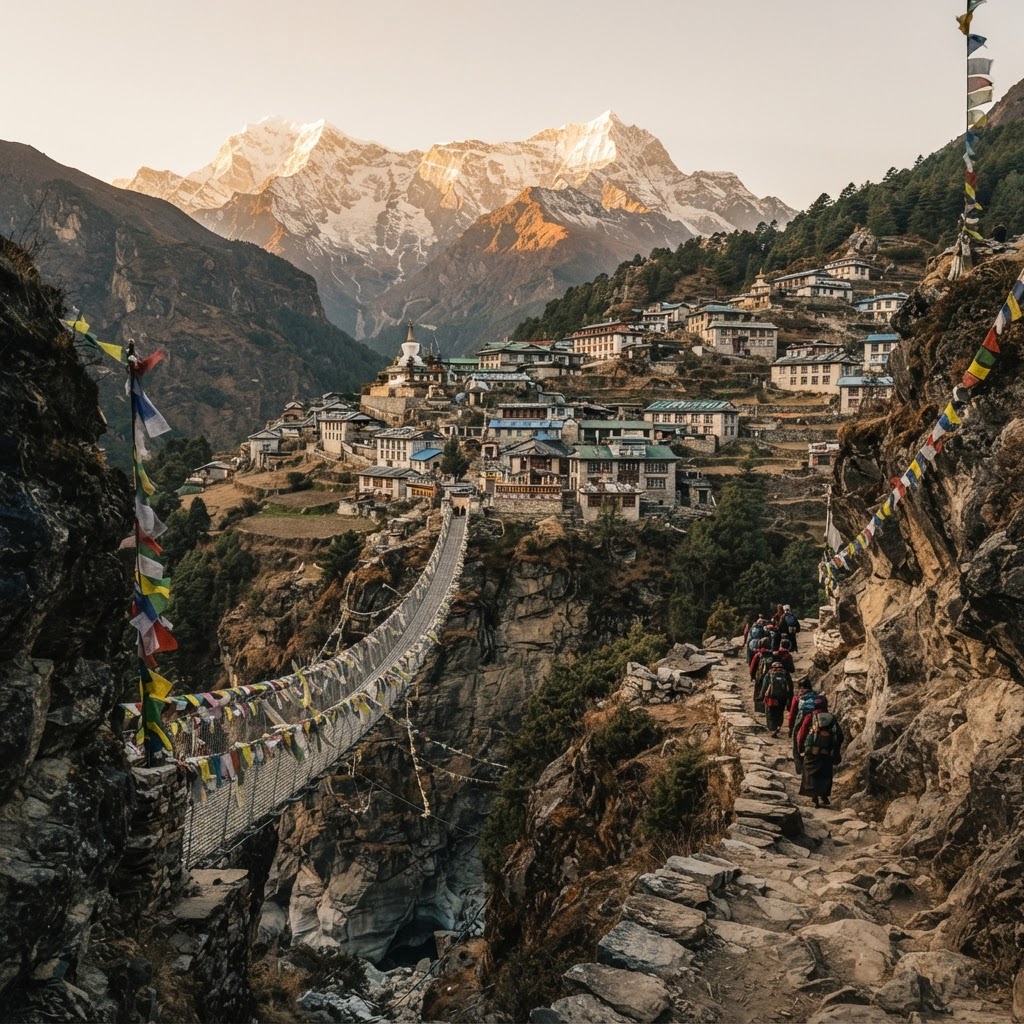
Everest Region (Khumbu)
Nepal
A high-altitude pilgrimage of Sherpa heritage, suspension bridges, and raw Himalayan rock.
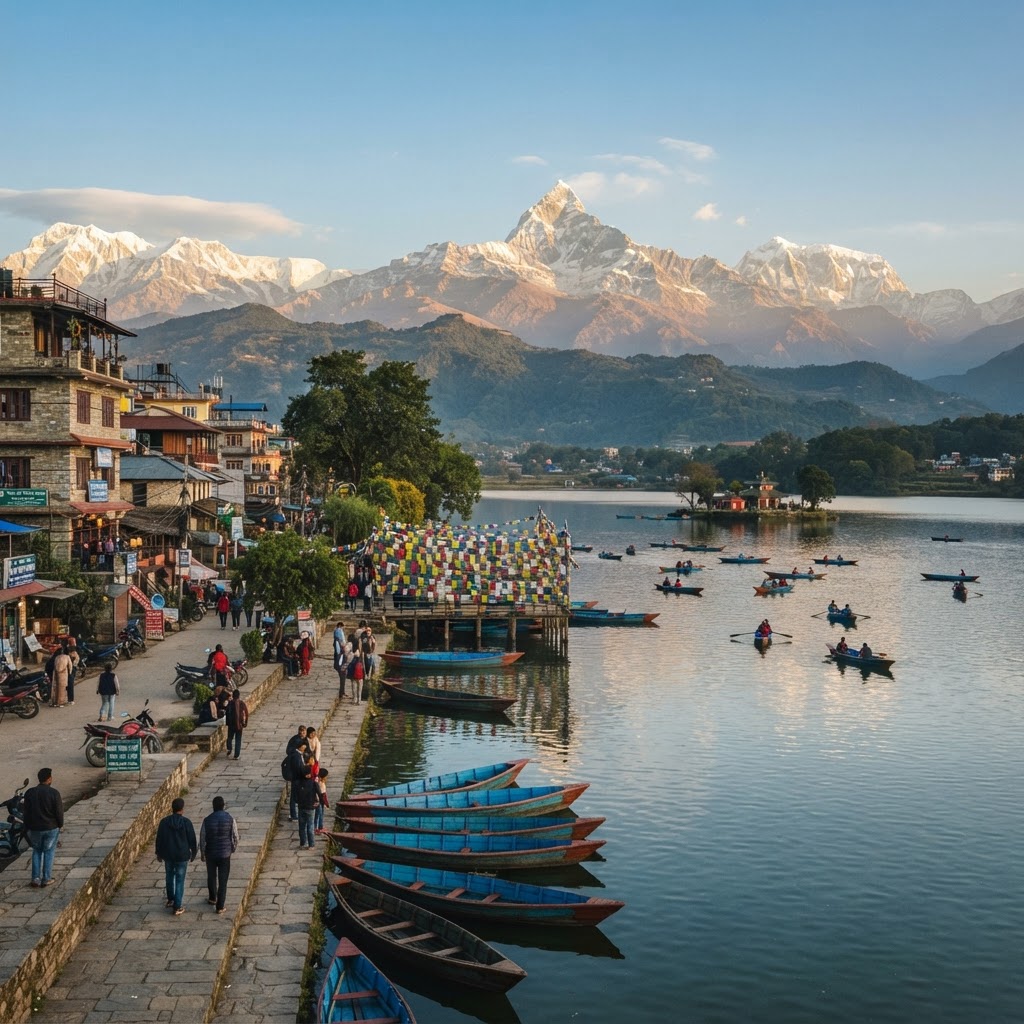
Pokhara, Nepal
Nepal
The low-altitude springboard to the Annapurnas, where Himalayan reflections meet relaxed lakeside living.
Readymade itineraries
Start from a tested template — then make it yours.
Ready to book
Lock in your Annapurna Region, Nepal trip
Everything in one place. We may earn a small commission — it never costs you more.
Plan a trip to Annapurna Region, Nepal
Pick a length and we'll build a day-by-day plan around how you travel — neighborhoods clustered, budget-aware, and editable.
Get better at planning trips like this
Occasional notes on planning smarter — no spam, unsubscribe anytime.
Plan a trip to Annapurna Region, Nepal
Turn this guide into a day-by-day plan built around your pace, your group, and your budget.
Build my Annapurna Region, Nepal trip