United States
Zion National Park, Utah Itinerary: How Many Days + Sample Plans
Sheer Navajo sandstone monoliths, rushing river corridors, and high-stakes canyon logistics.
Traveler rating
Loved by ambitious day hikers looking for high-reward, exposed scrambles and river trekking.
Plan & book
Sort your Zion National Park, Utah trip in one place.
We point you to the booking tools we'd actually use — live prices, no markup. Or let us build the day-by-day plan around you first, then book.
Pick your trip length
How many days do you need in Zion National Park, Utah?
Each of these opens a full day-by-day plan you can make your own.
- 2 days — Two days — the essentials, no rushing.
- 3 days — Three days — the icons plus one neighborhood.
- 4 days — Four days — a full city without sprinting.
- 5 days — Five days — room for a day trip.
- 7 days — A week — the city at a human pace.
- With Kids trip — Shorter days, earlier dinners, what to skip.
- For Couples trip — Two-person pacing with evenings built in.
- Solo trip — A plan that works well on your own.
- Food trip — Meals and markets as the anchors.
- Outdoors trip — Nature, walks and open air.
- Culture trip — History, museums and the streets around them.
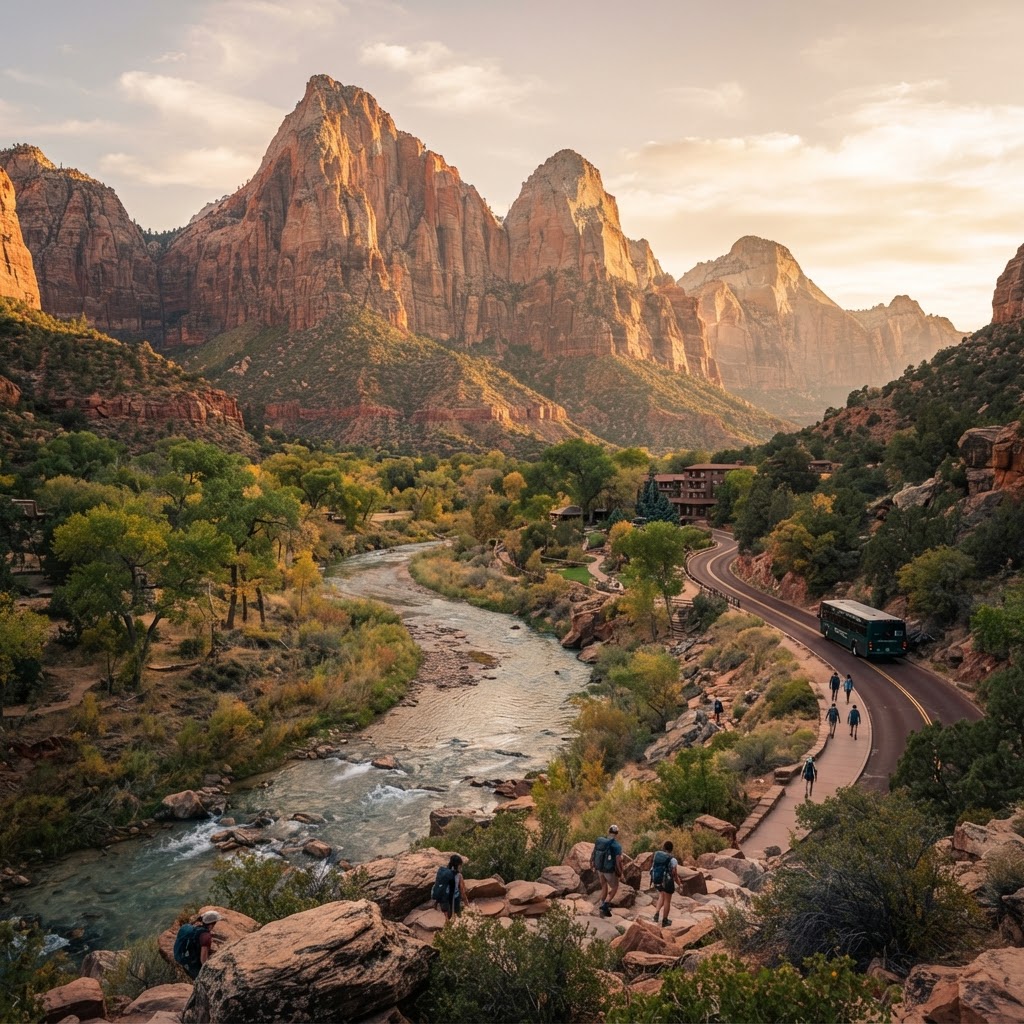
Zion National Park is Southern Utah's monumental showpiece, defined by 2,000-foot vertical walls of cream and crimson sandstone carved by the North Fork of the Virgin River. Unlike rim-gazing national parks like the Grand Canyon or Bryce, Zion is experienced largely from the canyon floor looking up, putting you inside an amphitheater of raw rock. It is also an operational pressure cooker: between March and November, the main canyon scenic drive is closed to private vehicles, meaning your daily rhythm revolves entirely around the Zion Canyon Shuttle, early-morning permit windows, and the small gateway town of Springdale.
3 days
Best time
Mid-October through early November is the uncontested sweet spot for Zion.
Build your own trip with these prebuilt itineraries
Each one is a tested, day-by-day plan for Zion National Park, Utah — start here, then make it yours.
2 Days in Zion: The Iconic Red Rock Highlights in Zion National Park
First-time canyon highlights featuring Angels Landing, The Narrows, and Riverside Walk using the park shuttle system
3 Days in Zion: High-Adventure Hikes & Slot Canyons in Zion National Park
Strenuous scrambles, exposed rim trails, and river wading for ambitious outdoor hikers
5 Days in Zion: Beyond the Main Canyon in Zion National Park
In-depth exploration covering main canyon highlights plus scenic drives to Kolob Canyons, East Side slickrock, and relaxed Springdale dining
Go for the scale of immersion that few other parks offer. Instead of admiring canyons from miles away, Zion places you directly beneath immense monoliths like the Great White Throne and Court of the Patriarchs. It provides world-class technical hiking—wading miles up the cold current of the Virgin River between thousand-foot canyon walls in The Narrows, or navigating exposed knife-edge sandstone ledges on Angels Landing. When planned with precision, the transition between desert slickrock, weeping walls of maidenhair fern, and towering red cliffs is unparalleled in North America.
Where to stay
Getting there
Getting around
Food & drink
What it costs
Things to do
Book tours & tickets in Zion National Park, UtahSkip it if
Skip or reconsider Zion if your trip hinges entirely on a low-effort driving sightseeing tour where you pull off the road and admire sights from your car window; the core canyon requires mandatory shuttles, walking between stops, and standing in lines. Travelers with debilitating vertigo or limited mobility will find the headline trails (Angels Landing, The Narrows, Hidden Canyon) inaccessible, though paved flat walks like Riverside Walk and Pa'rus Trail remain options.
When to go
October trades the brutal 100°F summer heat and afternoon monsoon flash-flood threats for crisp 70°F days, stable river flows, vibrant canyon cottonwood foliage, and slightly cooler shuttle demand.
Peak (May through September)
Oppressive canyon heat exceeding 100°F, high flash-flood risks in slot canyons from summer monsoons, and extreme crowds requiring 6:00 AM shuttle queueing.
Shoulder (October–November & March–April)
Crisp daytime temperatures in the 60s and 70s, manageable crowds, and golden foliage in fall; early spring brings heavy snowmelt that often closes The Narrows.
Low (December through February)
Serene and uncrowded with highs in the 50s; private vehicles are permitted on Zion Canyon Scenic Drive during periods when park shuttles do not operate.
Neighborhoods
Where you stay shapes the trip. Here's how to think about it.
Springdale Village
Buzzing red-rock gateway packed with outfitters, espresso stops, and shuttle foot-traffic directly on the park threshold.
Best for:First-timers, hikers wanting zero morning car stress, and travelers who prioritize walk-to-dinner convenience.
Don't miss:Renting an e-bike from Zion Outfitters to bypass the shuttle lines entirely on the Zion Canyon Scenic Drive.
Zion Canyon Corridor (Inside Park)
Monumental, enclosed canyon sanctuary where monolithic sandstone towers dwarf the Virgin River and historic stone lodges.
Best for:Travelers who want immersion without logistics, early morning trail runners, and national park history buffs.
Don't miss:An early evening stroll along the Pa'rus Trail from the Visitor Center to watch the sunset paint the Watchman peak.
East Zion & Mt. Carmel Junction
Rugged high-desert plateau framed by ponderosa pines, quiet trailheads, and sprawling ranch-style retreats.
Best for:Hikers seeking backcountry trails without crowds, stargazers, and travelers pairing Zion with Bryce Canyon.
Don't miss:The hike out to Observation Point via the East Mesa Trail, skipping the canyon floor crowds entirely.
Virgin & Rockville
Wide-open agrarian desert river valley with modern design cabins, upscale glamping, and low ambient light.
Best for:Couples wanting boutique desert tranquility, travelers seeking space from the midday tourist rush, and stargazers.
Don't miss:Dinner at the riverside patio of Bit & Spur Restaurant on your way back through Springdale after a day on the river.
Kolob Canyons & Canyons Rim
Untamed, narrow finger canyons of radiant vermilion rock cut by Interstate 15, quiet and completely detached from the main canyon hubbub.
Best for:Road-trippers arriving from Salt Lake City, serious backcountry backpackers, and travelers craving complete solitude.
Don't miss:The five-mile scenic drive along Kolob Canyons Road stopping at Timber Creek Overlook for unobstructed views of the Kolob Terrace.
Destination intelligence
Updated 10/6/2026The structured record we plan every Zion National Park, Utah itinerary from.
Walkability
Low overall across the regional landscape, but high within the immediate village core of Springdale and along specific paved park paths (Pa'rus Trail, Riverside Walk). Once inside the park canyon, shuttles drop you within walking distance of trailheads.
Transit quality
High within the park core. The free National Park Service shuttle system runs frequently (every 5-10 minutes during peak hours) connecting all 9 canyon stops between early spring and late fall.
Car needed
Yes to get to the region from airport hubs like Las Vegas or Salt Lake City, and to reach Kolob Canyons or the East Side; no once parked in Springdale or at the Visitor Center for accessing the main Zion Canyon.
Ideal duration
3 days
Minimum useful
2 days
Peak season
May through September. Scorching canyon heat often over 100°F (38°C), maximum crowds, full shuttle queues, and active summer monsoon season with frequent afternoon flash-flood hazards.
Shoulder season
October through November and March through April. October is the premier month to visit: crisp desert air (70s°F highs), autumn foliage along the river, lower water levels in the canyon, and manageable crowd levels.
Low season
December through February. Crisp, quiet winter days with highs in the 50s°F and freezing nights; occasional snow dusts the red rock rims. Shuttles generally do not run (except over the Christmas holiday window), allowing private cars on Scenic Drive.
Best for
Common mistakes
- Arriving at the Visitor Center parking lot after 8:00 AM between May and September and finding all parking stalls full, forcing a retreat into paid Springdale parking lots ($20–$40/day).
- Failing to enter the quarterly lottery or day-before lottery on Recreation.gov for the Angels Landing permit and assuming rangers do not check (they check every hiker at Scout Lookout).
- Hiking The Narrows in standard sneakers or bare feet without inspecting the morning flash-flood risk rating at the Visitor Center.
- Underestimating summer heat; canyon temperatures often exceed 100°F (38°C) by midday, turning exposed routes into dangerous ovens.
- Spending entire trip days waiting in shuttle queues for the main canyon while completely ignoring Kolob Canyons and the East Side slickrock.
Best nearby
How to plan it
- Stay in Springdale within walking distance of the pedestrian park entrance if you want to skip town shuttle lines entirely and walk to morning trailheads.
- Rent an e-bike for day one in the canyon rather than wrestling with the 6:00 AM shuttle queue at the Visitor Center.
- Pair Zion with Bryce Canyon National Park (a two-hour drive east), taking the dramatic Zion-Mt. Carmel Highway through the historic tunnel.
- Do not attempt to hike both Angels Landing and The Narrows on the same calendar day; both demand serious leg stamina, distinct gear, and heavy hydration.
- Reserve the Zion Lodge or Springdale hotels four to six months in advance if traveling between May and October.
Questions
More in United States

Tampa, Florida
United States
A historic cigar-making heritage wrapped in polished waterfront revivals and Gulf Coast culinary ambition.
Milwaukee, Wisconsin
United States
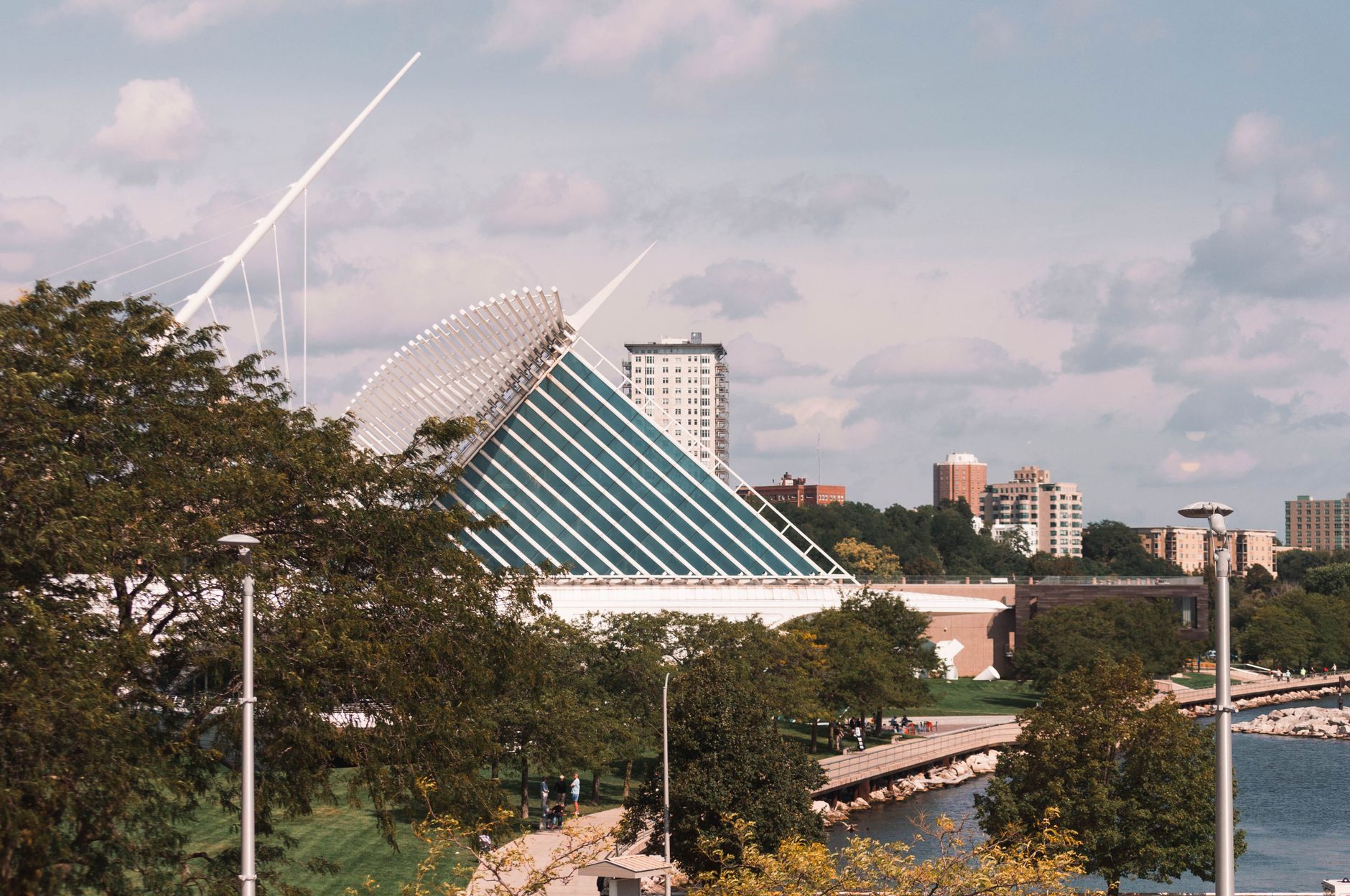
Industrial lakeside cool anchored by serious culinary chops and effortless urban grit.
Door County, Wisconsin
United States
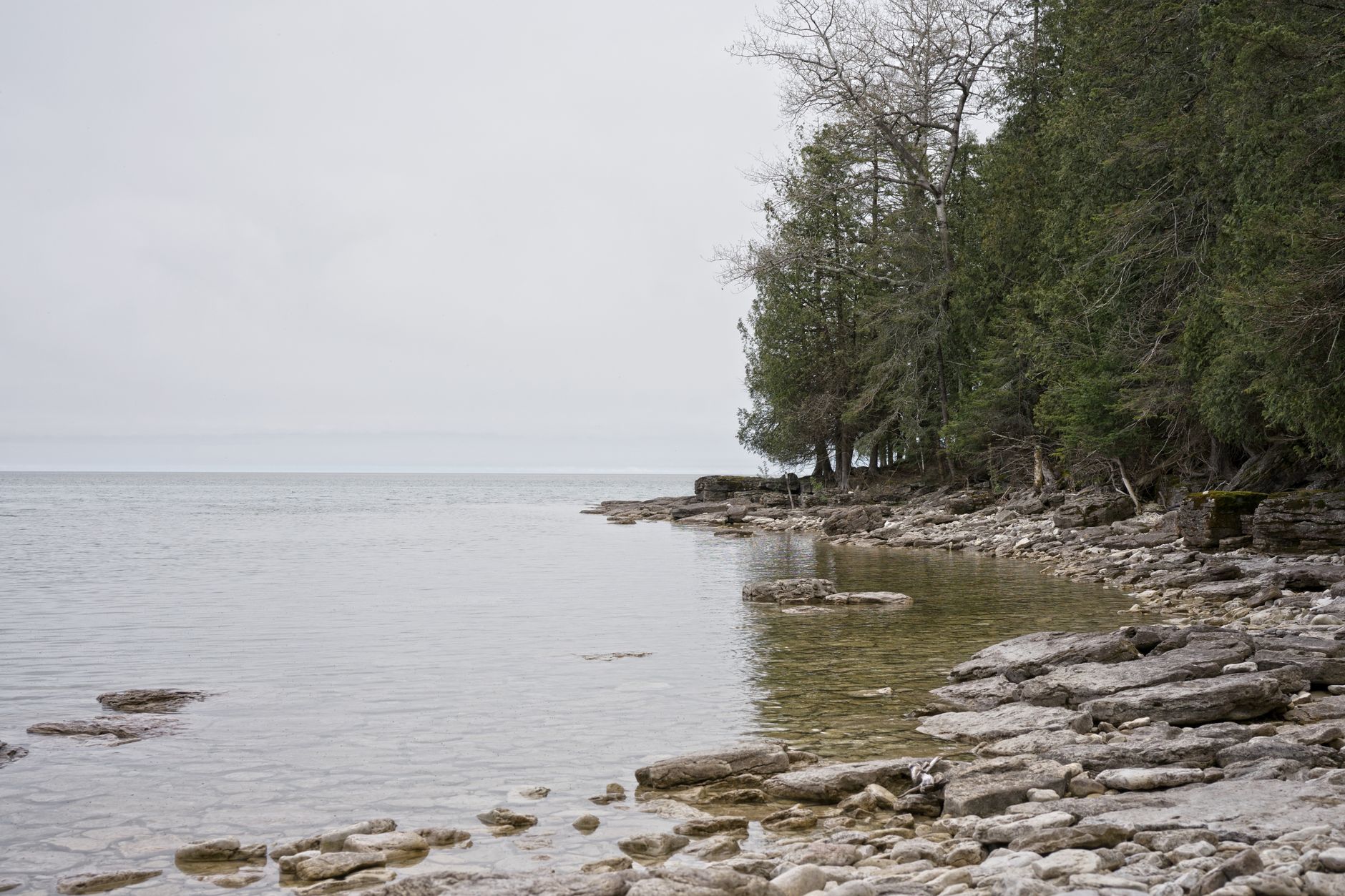
Limestone bluffs, heritage cherry orchards, and lakefront villages on Lake Michigan.

Traverse City, Michigan
United States
Freshwater bays, cool-climate vineyards, and windswept dunes anchored by a farm-driven culinary hub.
Mackinac Island, Michigan
United States
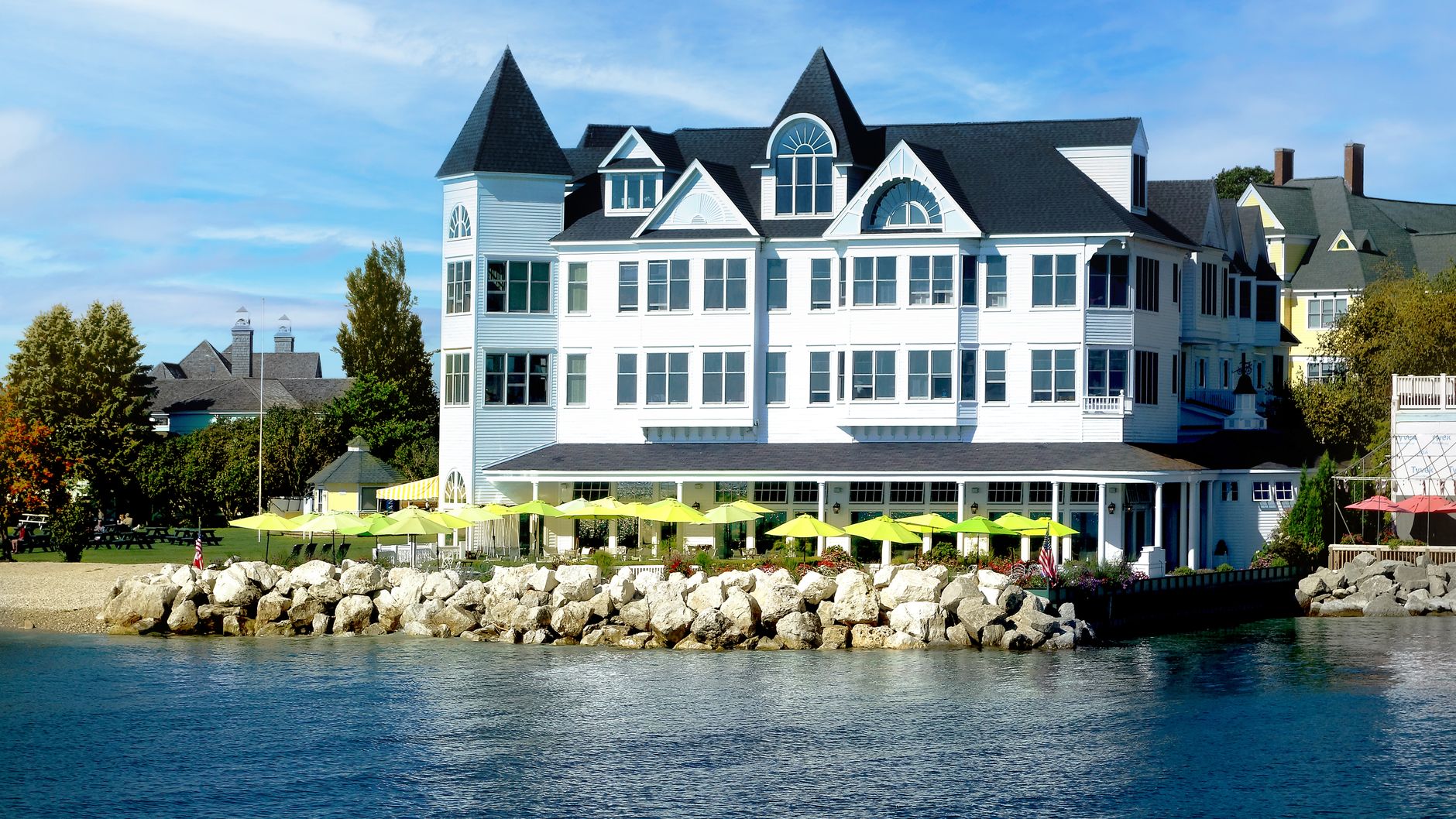
Car-free Victorian bluffs, freshwater coastlines, and horse-drawn transport

Baltimore, Maryland
United States
Industrial maritime roots, blue-collar grit, and distinct neighborhood enclaves.
Readymade itineraries
Start from a tested template — then make it yours.
Ready to book
Lock in your Zion National Park, Utah trip
Everything in one place. We may earn a small commission — it never costs you more.
Plan a trip to Zion National Park, Utah
Pick a length and we'll build a day-by-day plan around how you travel — neighborhoods clustered, budget-aware, and editable.
Get better at planning trips like this
Occasional notes on planning smarter — no spam, unsubscribe anytime.
Plan a trip to Zion National Park, Utah
Turn this guide into a day-by-day plan built around your pace, your group, and your budget.
Build my Zion National Park, Utah trip