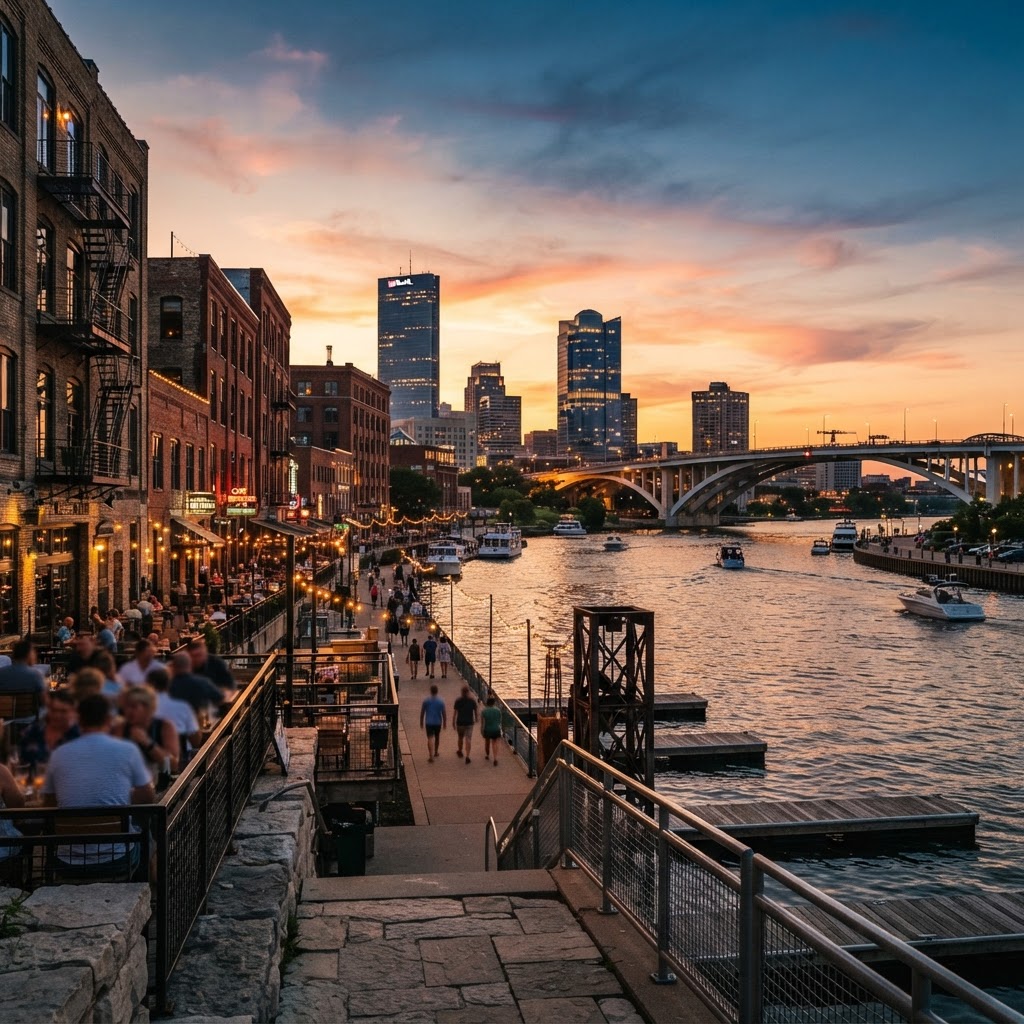
United States
Milwaukee, Wisconsin
Industrial lakeside cool anchored by serious culinary chops and effortless urban grit.
Plan & book
Sort your Milwaukee, Wisconsin trip in one place.
We point you to the booking tools we'd actually use — live prices, no markup. Or let us build the day-by-day plan around you first, then book.
Milwaukee sheds Midwestern stereotypes with an assertive identity carved out of Cream City brick, Lake Michigan shorelines, and historic brewing roots. More than just a spillover stop from Chicago, the city delivers world-class architecture at the Calatrava-designed Milwaukee Art Museum, award-winning regional dining in Walker's Point, and relaxed urban walkability throughout the Historic Third Ward.
3 days
Best time
Late May through early October, with September offering the finest balance.
Build your own trip with these prebuilt itineraries
Each one is a tested, day-by-day plan for Milwaukee, Wisconsin — start here, then make it yours.
5 Days in Milwaukee: Industrial Heritage & Neighborhood Immersion in Milwaukee
A deeper, slower-paced trip tracing brewing history, motorcycle heritage, and vibrant local arts across distinct residential quarters
3 Days in Milwaukee: Historic Architecture & Lakefront Highlights in Milwaukee
First-time overview exploring the Historic Third Ward, lakefront museum architecture, and downtown Riverwalk via The Hop
2 Days in Milwaukee: Craft Brews & Culinary Culture in Milwaukee
A weekend food and drink focus navigating modern taprooms, historic breweries, artisan dining, and food markets across Walker's Point and Bay View
Go for an authentic, unpretentious American city break where dining punches well above its weight class without Chicago price tags or lines. Milwaukee balances freshwater lakefront trails, dense warehouse architecture turned dining hubs, and an active riverwalk connecting historic beer gardens to modern streetcar corridors.
Where to stay
Getting there
Getting around
Food & drink
What it costs
Things to do
Book tours & tickets in Milwaukee, WisconsinSkip it if
Skip Milwaukee if your vacation requires tropical warmth, comprehensive 24/7 subway transit, or the sheer scale and endless museum density of global alpha capitals like Chicago or New York.
When to go
Summer brings vibrant lakefront beer gardens and festival weekends like Summerfest, but prices peak and downtown fills fast. September cuts the festival humidity and crowds while keeping daytime temperatures comfortable for patio dining and walking along Lake Michigan.
Peak (June–August)
Festival season in full swing along Henry Maier Festival Park; warm lake breezes, high hotel rates, and lively riverfront patios.
Shoulder (May, September–October)
Pleasant walking weather with temperatures ranging from 55°F to 72°F, vibrant fall foliage in October, and lower accommodation rates.
Low (November–April)
Harsh lake winds and regular sub-freezing temperatures; outdoor activities pause, but museums, indoor markets, and winter tavern culture stay lively at low lodging rates.
Neighborhoods
Where you stay shapes the trip. Here's how to think about it.
Historic Third Ward
Converted industrial warehouses of Cream City brick housing sleek galleries, waterside dining, and independent fashion boutiques.
Best for:first-timers and shoppers
Don't miss:grubbing at the vendor stalls inside the Milwaukee Public Market before walking the river boardwalk
Walker's Point
Gritty, evolving industrial district turned home to the city's highest concentration of ambitious chefs, micro-distilleries, and taprooms.
Best for:serious eaters and craft cocktail enthusiasts
Don't miss:tasting menus and small plates around South 2nd Street and late drinks along National Avenue
Lower East Side & Brady Street
Bohemian, walkable strip lined with decades-old Italian delis, indie record shops, tattoo parlors, and neighborhood taverns.
Best for:nightlife and casual bar-hoppers
Don't miss:picking up imported cured meats and specialty cheese at Glorioso's Italian Market
Bay View
Tree-lined residential haven buzzing with community gardens, independent bookshops, vintage apparel, and craft beer patios.
Best for:travelers seeking local neighborhood pace
Don't miss:catching sunset over a local pint at the South Shore Terrace Kitchen & Beer Garden overlooking the lake
Downtown & Westown
Commercial center anchored by heavy Gilded Age architecture, the RiverWalk, and major institutional performance venues.
Best for:architecture lovers and theatergoers
Don't miss:stepping inside the lobby of The Pfister Hotel for its Victorian ceiling murals and historic art collection
Destination intelligence
Updated 9/14/2026The structured record we plan every Milwaukee, Wisconsin itinerary from.
Walkability
High within core districts like the Historic Third Ward, Downtown, and Lower East Side; moderate for cross-neighborhood transit.
Transit quality
Moderate; anchored by the efficient, free The Hop streetcar line downtown and standard municipal bus lines, supplemented by rideshares.
Car needed
No, if staying within central neighborhoods; useful only for suburban day excursions or regional road trips across Wisconsin.
Ideal duration
3 days
Minimum useful
2 days
Peak season
June through August, featuring festival weekends like Summerfest, warm lake breezes, and open riverfront patios.
Shoulder season
May and September through October, delivering crisp autumn colors, manageable crowds, and brisk walking weather.
Low season
November through April, characterized by cold temperatures, lake-effect winds, and quiet streets.
Best for
Common mistakes
- Relying entirely on a rental car downtown, which racks up overnight garage fees when The Hop streetcar and walking cover the core.
- Confining the trip strictly to the downtown business center and missing the distinct residential character of Walker's Point, Brady Street, and Bay View.
- Visiting between late November and March without planning for biting lakeside wind and heavy winter freezes.
- Assuming dinner reservations are unnecessary because it is a mid-sized Midwest market—top restaurants fill weeks ahead on weekends.
Best nearby
How to plan it
- Base yourself in the Historic Third Ward if you prioritize walkability to morning coffee, dinners, and the Hop streetcar.
- Do not attempt to fit brewery heritage tours, the Harley-Davidson Museum, and the lakefront into a single day; separate lake activities from industrial district stops.
- Book dinner reservations 2 to 3 weeks in advance for celebrated dining rooms in Walker's Point, particularly for Friday and Saturday evenings.
- Time your visit to Lakefront Brewery on a Friday only if you want the loud, polka-soundtracked fish fry experience; book a weekday afternoon if you want a calmer facility tour.
- Pair a Milwaukee long weekend with a 2.5-hour drive north to Door County if you want an extended Wisconsin lake-and-orchard road trip.
Questions
More in United States
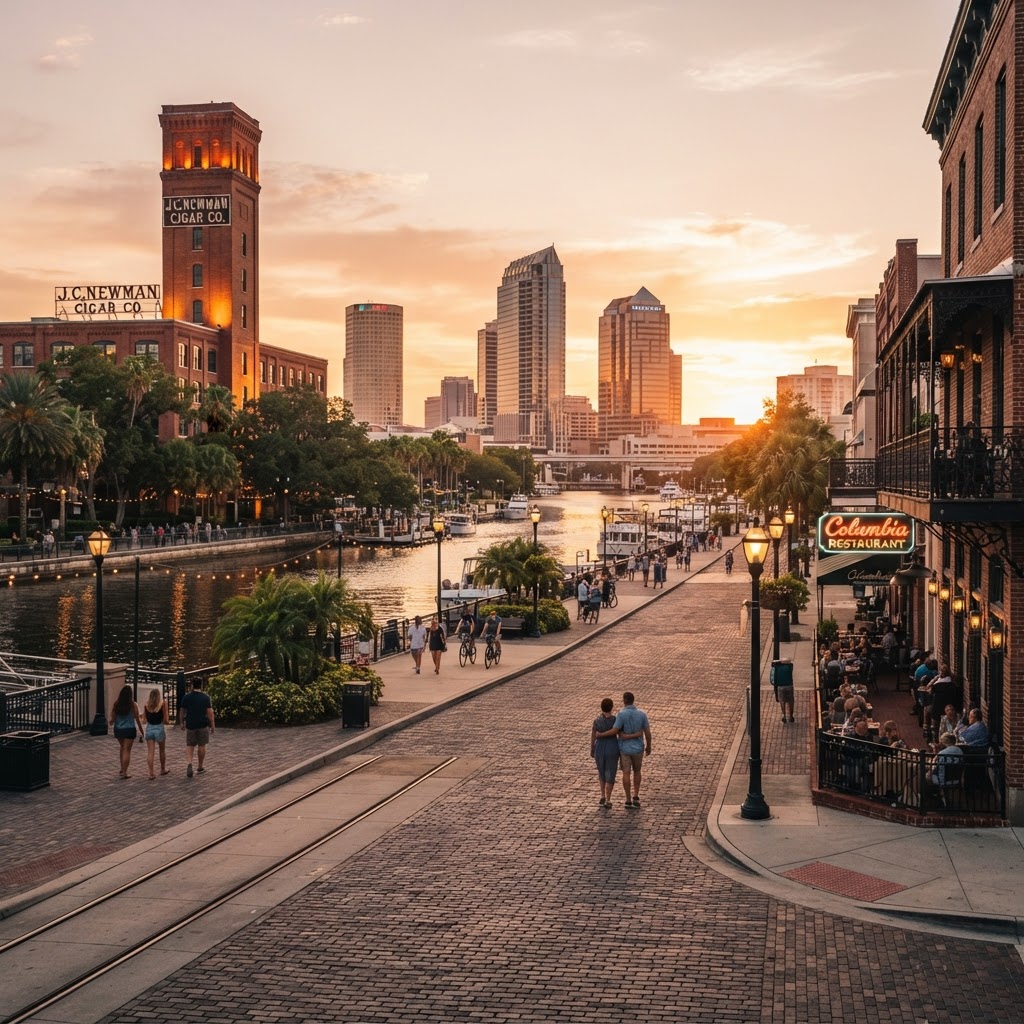
Tampa, Florida
United States
A historic cigar-making heritage wrapped in polished waterfront revivals and Gulf Coast culinary ambition.
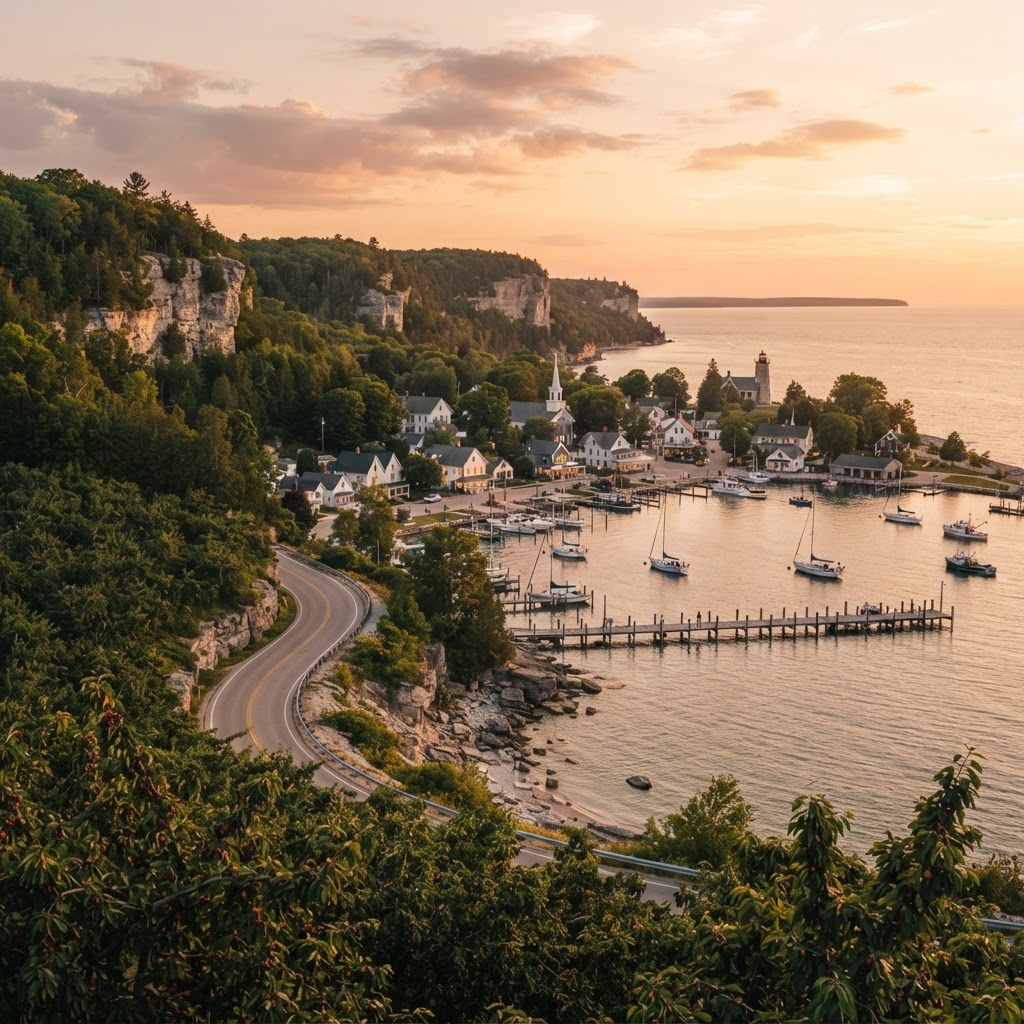
Door County, Wisconsin
United States
Limestone bluffs, heritage cherry orchards, and lakefront villages on Lake Michigan.
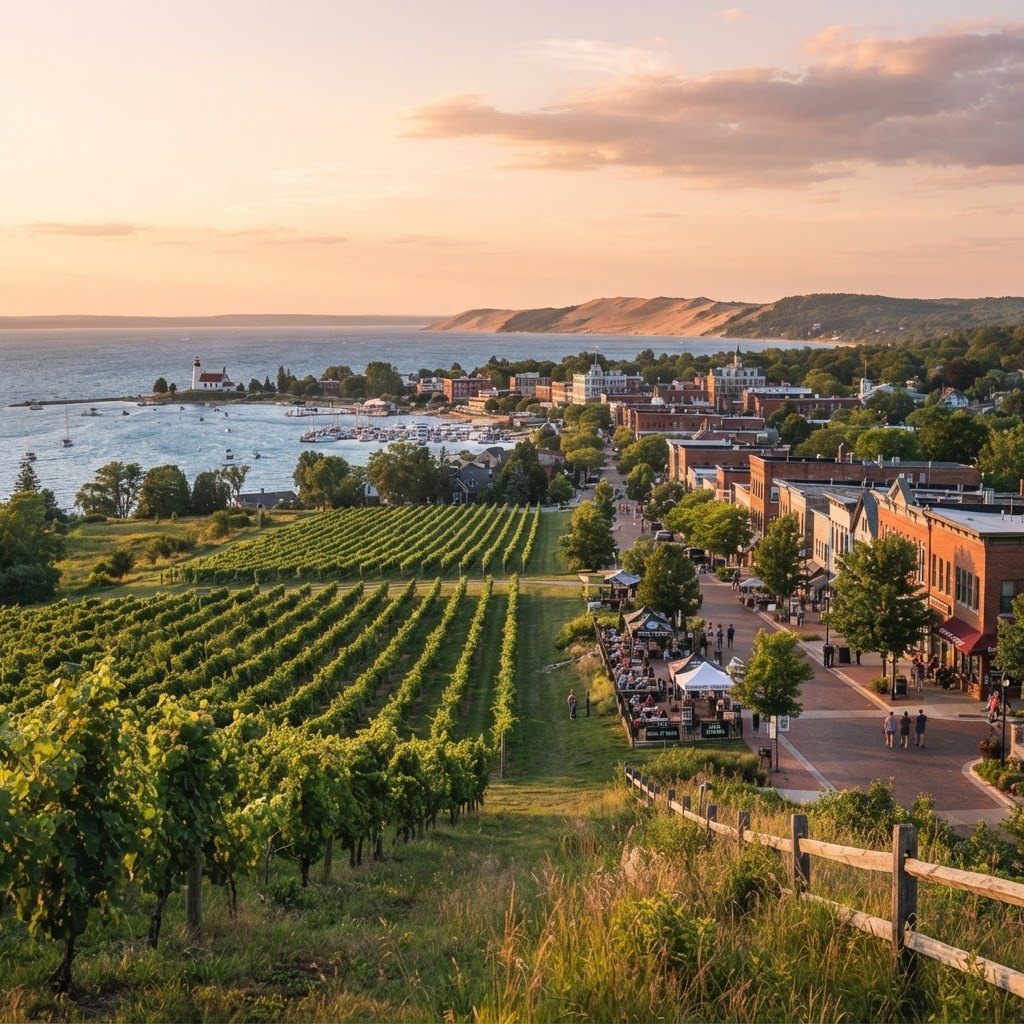
Traverse City, Michigan
United States
Freshwater bays, cool-climate vineyards, and windswept dunes anchored by a farm-driven culinary hub.
Mackinac Island, Michigan
United States
Car-free Victorian bluffs, freshwater coastlines, and horse-drawn transport
Baltimore, Maryland
United States
Industrial maritime roots, blue-collar grit, and distinct neighborhood enclaves.
Detroit
United States
Industrial grit meets world-class design, iconic music history, and singular architectural wealth.
Readymade itineraries
Start from a tested template — then make it yours.
Ready to book
Lock in your Milwaukee, Wisconsin trip
Everything in one place. We may earn a small commission — it never costs you more.
Plan a trip to Milwaukee, Wisconsin
Pick a length and we'll build a day-by-day plan around how you travel — neighborhoods clustered, budget-aware, and editable.
Get better at planning trips like this
Occasional notes on planning smarter — no spam, unsubscribe anytime.
Plan a trip to Milwaukee, Wisconsin
Turn this guide into a day-by-day plan built around your pace, your group, and your budget.
Build my Milwaukee, Wisconsin trip