Indonesia
Yogyakarta
The royal soul of Java, anchored by ancient UNESCO monuments and living court culture.
Plan & book
Sort your Yogyakarta trip in one place.
We point you to the booking tools we'd actually use — live prices, no markup. Or let us build the day-by-day plan around you first, then book.
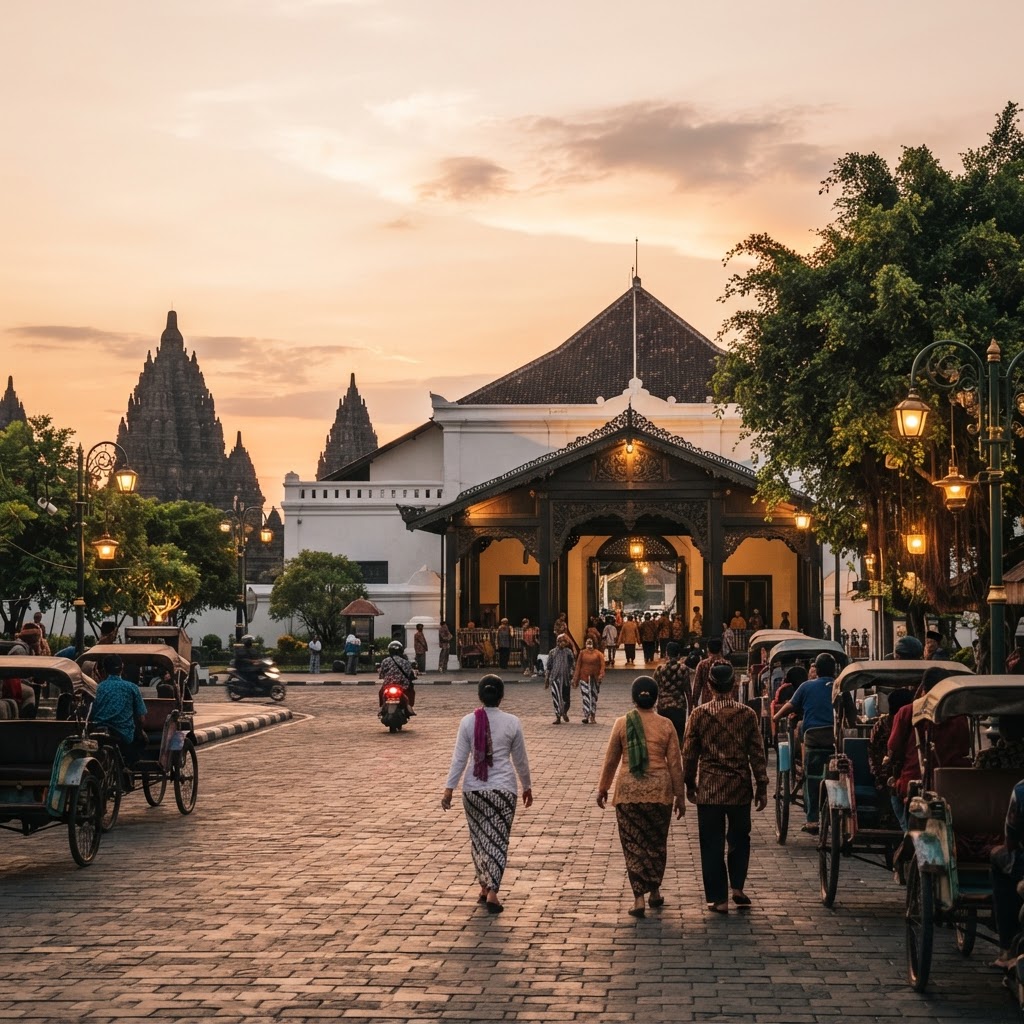
Ruled by an active Sultan and cradled beneath the smoldering cone of Mount Merapi, Yogyakarta is the intellectual, artistic, and royal heart of Java. Known locally as Jogja, the city balances ancient heritage with modern independent energy. Beyond functioning as the primary staging ground for the 9th-century Buddhist wonder Borobudur and the towering Hindu spires of Prambanan, Jogja maintains its own deep traditions—from hand-drawn batik workshops and gamelan ensembles in the Kraton to a hyper-caffeinated student cafe culture in its southern alleys.
4 days
Best time
June through August is the sweet spot for minimal rain and clear temple photography.
Build your own trip with these prebuilt itineraries
Each one is a tested, day-by-day plan for Yogyakarta — start here, then make it yours.
5 Days of Volcanic Adventures & Spiritual Relics in Yogyakarta
Active regional exploration pairing iconic UNESCO temples with Mount Merapi jeep treks, Jomblang Cave descents, and southern coastline highlights.
4 Days of Javanese Arts, Batik & Culinary Traditions in Yogyakarta
An immersive deep dive into regional street food, royal Javanese cuisine, and master batik and silver workshops away from tourist crowds.
3 Days of Classic Heritage & Temples in Yogyakarta
Essential temple highlights including Borobudur and Prambanan, combined with Kraton sultanate culture and historic city landmarks.
Go for monuments that rival Angkor Wat paired with an accessible, living palace culture you cannot find anywhere else in Indonesia. Yogyakarta lets you experience monumental 9th-century temple architecture at dawn, explore a working royal complex by midday, and spend the evening watching the Ramayana Ballet performed under open skies with Prambanan's illuminated stone towers as the actual backdrop. It provides cultural substance and history that hyper-commercialized resort islands like Bali simply cannot match.
Where to stay
Getting there
Getting around
Food & drink
What it costs
Things to do
Book tours & tickets in YogyakartaSkip it if
Skip Yogyakarta if your priority is pristine white-sand swimming beaches, walkable sidewalk-heavy European-style streetscapes, or an active, Western-oriented nightlife and cocktail scene. Parangtritis beach in the south is dominated by dangerous undertows and dark volcanic sand, making it unsuitable for swimming or resort-style lounging.
When to go
Central Java's dry season guarantees clear views over Mount Merapi and steady skies for sunrise at Borobudur, though it coincides with the highest tourist numbers. The shoulder months of May and September offer substantially smaller crowds at the monument gates with only occasional afternoon downpours.
Peak (June to August)
Clear blue skies and comfortable outdoor humidity, but temple ticket tiers sell out days ahead and hotel prices peak.
Shoulder (April to May & September to October)
Pleasant balance of moderate rainfall, manageable crowds at Prambanan, and better availability for boutique accommodations.
Low (November to March)
Heavy monsoonal rains that make outdoor trekking on Merapi or vertical descents into Jomblang Cave treacherous, though city cultural sites stay empty and cheap.
Neighborhoods
Where you stay shapes the trip. Here's how to think about it.
Prawirotaman
Hip, leafy enclave lined with specialty coffee shops, boutique guesthouses, and art studios.
Best for:independent travelers, cafe lovers, and boutique hotel seekers
Don't miss:The quiet back-alley batik ateliers of Jalan Tirtodipuran running parallel just to the north.
Malioboro & Sosrowijayan
High-octane commercial strip overflowing with street vendors, pedicabs, and bustling market stalls.
Best for:first-timers who want central proximity and easy market access
Don't miss:Browsing the multi-story textile and batik labyrinth inside Pasar Beringharjo in the morning.
Kraton & Taman Sari
Dignified, walled royal quarter defined by quiet residential kampungs and ancient royal architecture.
Best for:culture and history focused travelers
Don't miss:The underground vaulted chambers of Sumur Gumuling hidden beneath the Taman Sari complex.
Kotabaru
Spacious, shaded colonial-era boulevard district filled with indie cafes, bakeries, and modernist spots.
Best for:returning visitors and slow travelers seeking a calmer, local urban vibe
Don't miss:A slow pour coffee stop along Jalan FM Noto paired with Dutch-Indonesian pastries.
Destination intelligence
Updated 9/14/2026The structured record we plan every Yogyakarta itinerary from.
Walkability
low
Transit quality
medium
Car needed
no
Ideal duration
4 days
Minimum useful
2 days
Peak season
June through August
Shoulder season
April to May and September to October
Low season
November through March (monsoon rainy season)
Best for
Common mistakes
- Not booking Borobudur temple monument climb tickets in advance; daily visitor numbers to ascend the upper tiers are strictly capped and regularly sell out weeks ahead.
- Attempting to take a road taxi from YIA Airport during peak afternoon rush instead of the 40-minute airport express train.
- Staying on Malioboro Street expecting peace and quiet; it is choked with honking traffic, aggressive souvenir hawkers, and constant foot traffic.
- Trying to walk between major city landmarks instead of using cheap Grab/Gojek rides in the heavy equatorial humidity.
Best nearby
See what a trip to Indonesia actually costs. Travel Budget Co.
How to plan it
- Stay in Prawirotaman if you want quiet boutique stays and walkable cafes, or Malioboro if you want direct access to the train terminal and street life.
- Do not try to visit Borobudur and Prambanan in a single morning; split them across two separate days to catch Borobudur at dawn and Prambanan in the golden late-afternoon light.
- Book the Borobudur temple structure ticket online 1 to 2 weeks before arrival; general admission only grants access to ground lawns, not the stone stupas.
- Pair your visit to Prambanan with an evening ticket to the outdoor Ramayana Ballet performance on the open-air theater stage behind the floodlit temples.
- If taking the overland train from Jakarta or onward to Mount Bromo and Surabaya, base yourself within a 15-minute drive of Stasiun Yogyakarta (Tugu).
Questions
More in Indonesia
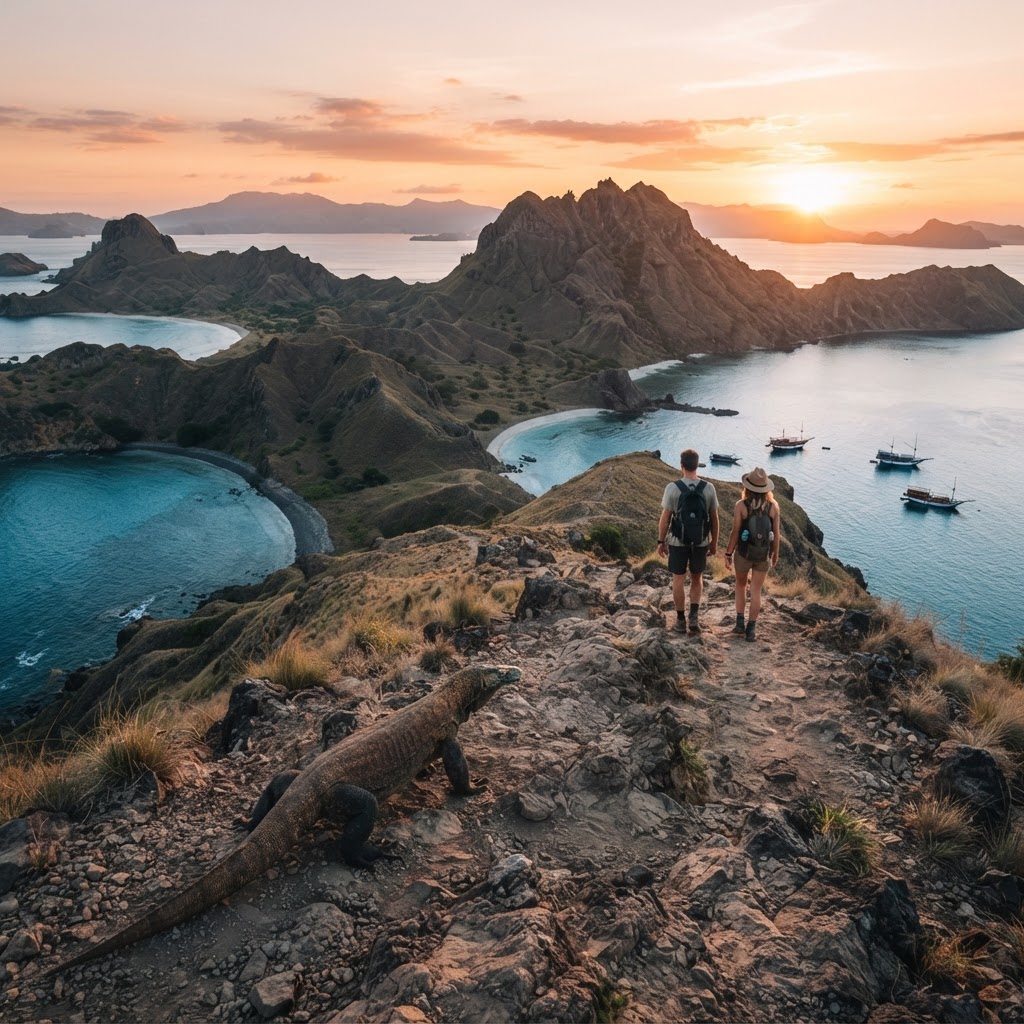
Flores
Indonesia
Volcanic ridges, prehistoric dragons, and the rugged gateway to Komodo
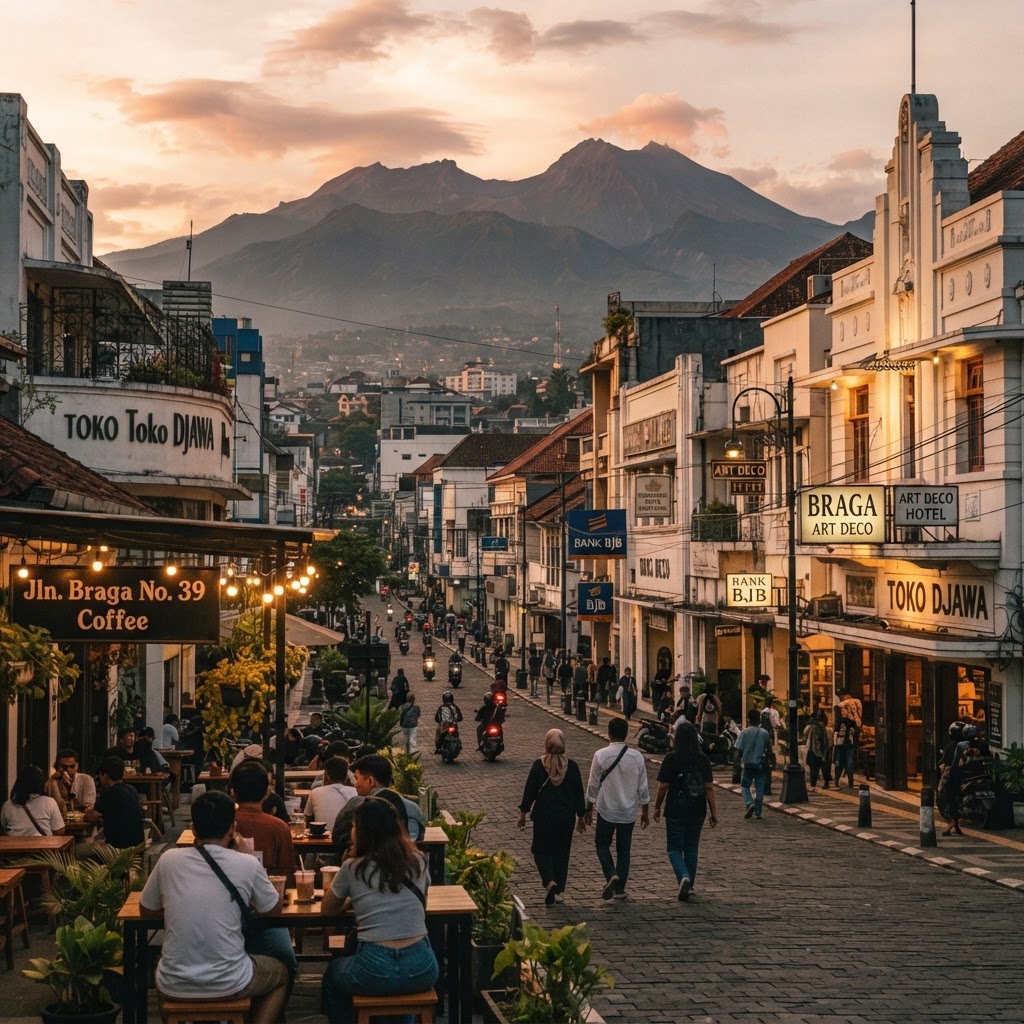
Bandung
Indonesia
Volcanic craters, Dutch Art Deco boulevards, and Java's coolest highland cafe culture
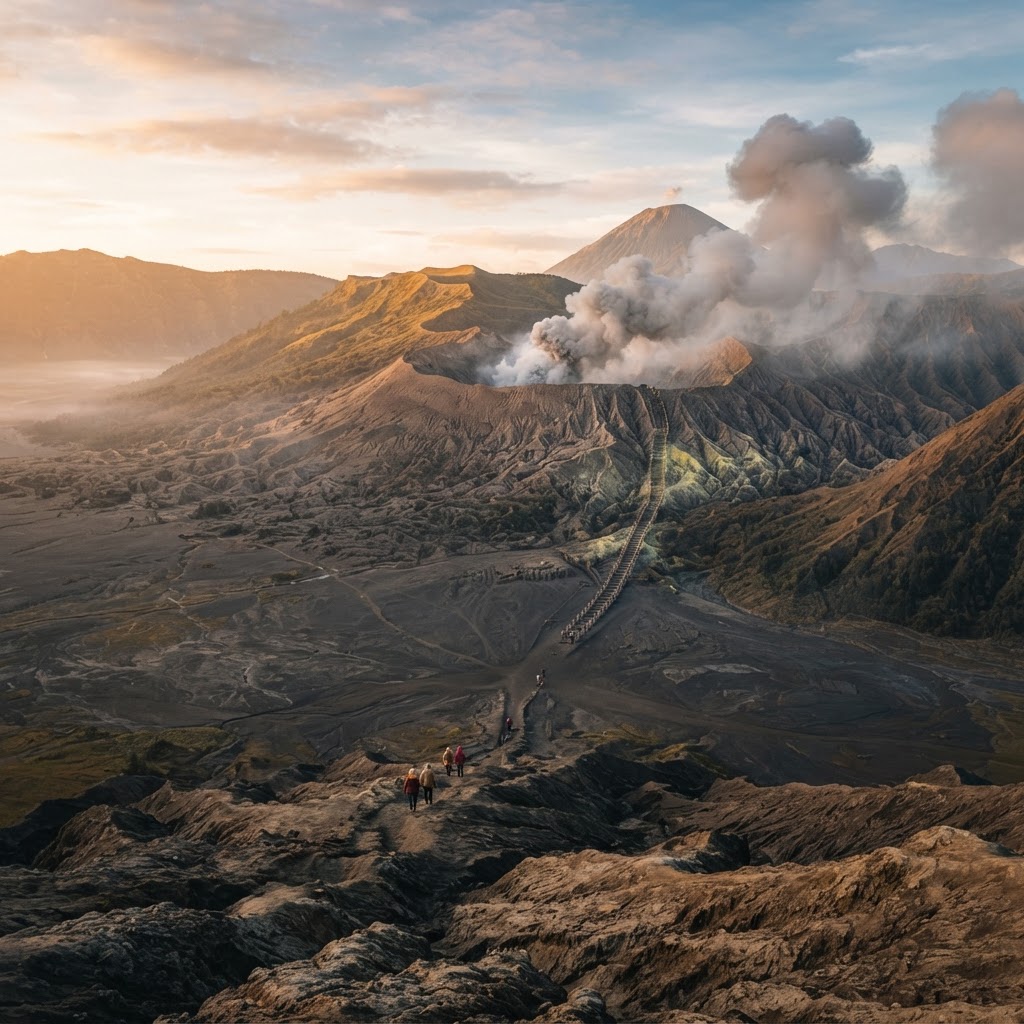
Mount Bromo, East Java, Indonesia
Indonesia
An otherworldly caldera crossing with direct access to a roaring volcanic crater.
Readymade itineraries
Start from a tested template — then make it yours.
Ready to book
Lock in your Yogyakarta trip
Everything in one place. We may earn a small commission — it never costs you more.
Plan a trip to Yogyakarta
Pick a length and we'll build a day-by-day plan around how you travel — neighborhoods clustered, budget-aware, and editable.
Get better at planning trips like this
Occasional notes on planning smarter — no spam, unsubscribe anytime.
Plan a trip to Yogyakarta
Turn this guide into a day-by-day plan built around your pace, your group, and your budget.
Build my Yogyakarta trip