United States
Yellowstone National Park
A volatile, high-altitude caldera teeming with North America's premier wildlife and geothermal spectacle.
Plan & book
Sort your Yellowstone National Park trip in one place.
We point you to the booking tools we'd actually use — live prices, no markup. Or let us build the day-by-day plan around you first, then book.
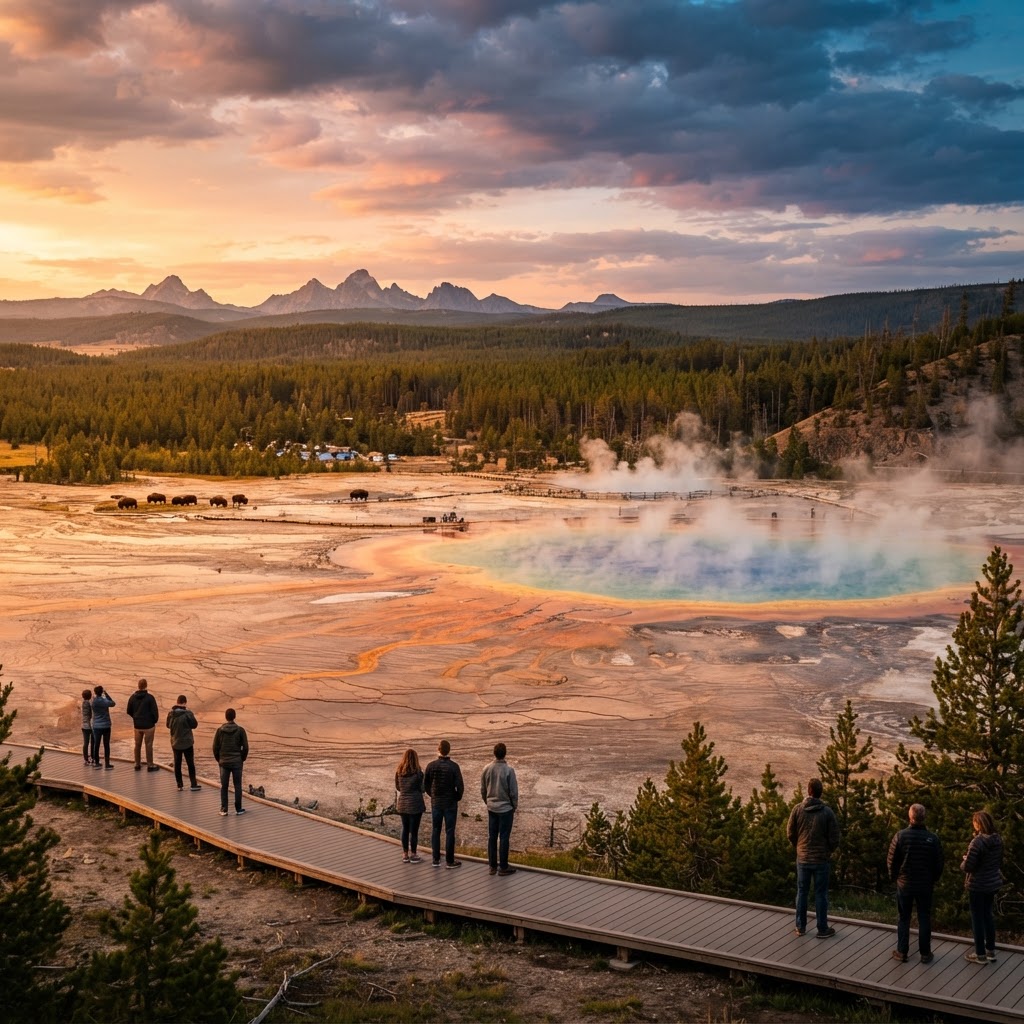
Covering nearly 3,500 square miles across the northwest corner of Wyoming and spilling into Montana and Idaho, Yellowstone is an active supervolcano hosting half of the world's geothermal features. Between hydrothermal basins and sheer river canyons lie untamed valleys where bison herds stop traffic and apex predators hunt at dawn. Visiting requires deliberate geographic discipline, as navigating its two massive figure-eight road loops takes hours of driving.
4 to 5 days
Build your own trip with these prebuilt itineraries
Each one is a tested, day-by-day plan for Yellowstone National Park — start here, then make it yours.
4 Days of Scenic Grand Loop Road Tripping in Yellowstone National Park
A relaxed-pace full circuit split between multi-gate lodgings to minimize driving time
5 Days of Wildlife Tracking & Backcountry Trails in Yellowstone National Park
Deep immersion in wildlife corridors like Lamar Valley and scenic day hikes
3 Days of Geothermal Wonders & Iconic Sights in Yellowstone National Park
Classic highlights and thermal basins timed to avoid peak midday crowds
Yellowstone delivers an encounter with raw earth mechanics and apex wildlife density that has no equivalent in North America. Witnessing steam plumes rising across the Lower Geyser Basin at sunrise or tracking bison and wolves through the Lamar Valley immerses you in a truly primordial ecosystem.
Where to stay
Getting there
Getting around
Food & drink
What it costs
Skip it if
Skip Yellowstone if you dislike long hours of driving, cannot manage early 5:30 AM alarms to beat crowd congestion, or prefer polished luxury resort amenities with fine-dining walking strips.
Destination intelligence
Updated 9/13/2026The structured record we plan every Yellowstone National Park itinerary from.
Walkability
Minimal. While hydrothermal boardwalks and hiking trails offer pedestrian exploration, driving between major hubs is required.
Transit quality
None. No public buses, trains, or municipal shuttles operate inside the park.
Car needed
Yes, entirely mandatory for independent travel.
Ideal duration
4 to 5 days
Minimum useful
3 days
Peak season
July and August bring fully open alpine roads, warm days, heavy crowds, and booked-out accommodations.
Shoulder season
Late May to June and September to early October offer active wildlife, autumn elk ruts, crisp air, and far lighter traffic.
Low season
November through April brings freezing temperatures and widespread road closures, with interior access restricted to guided oversnow snowcoaches.
Best for
Common mistakes
- Treating park driving times like highway miles: 30 miles often takes 90 minutes due to winding roads, thermal steam, and bison jams.
- Underestimating park scale and booking lodging outside a single gate, adding 3-4 hours of daily commuting.
- Leaving boardwalks in hydrothermal zones, which destroys fragile crusts and risks severe burns.
- Arriving at marquee thermal basins between 10:00 AM and 3:00 PM when parking lots overflow.
Best nearby
More in United States

Tampa, Florida
United States
A historic cigar-making heritage wrapped in polished waterfront revivals and Gulf Coast culinary ambition.
Milwaukee, Wisconsin
United States
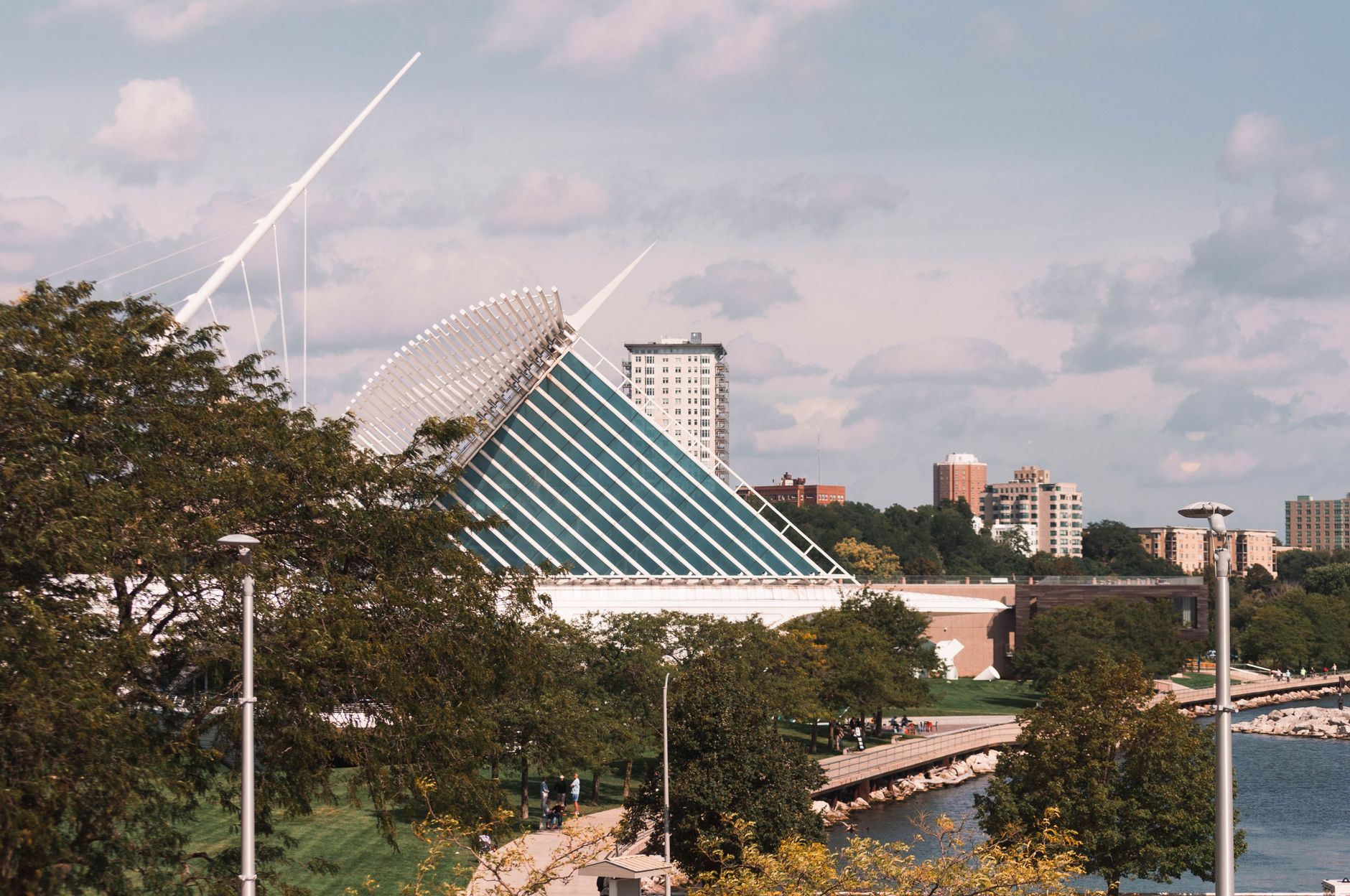
Industrial lakeside cool anchored by serious culinary chops and effortless urban grit.
Door County, Wisconsin
United States
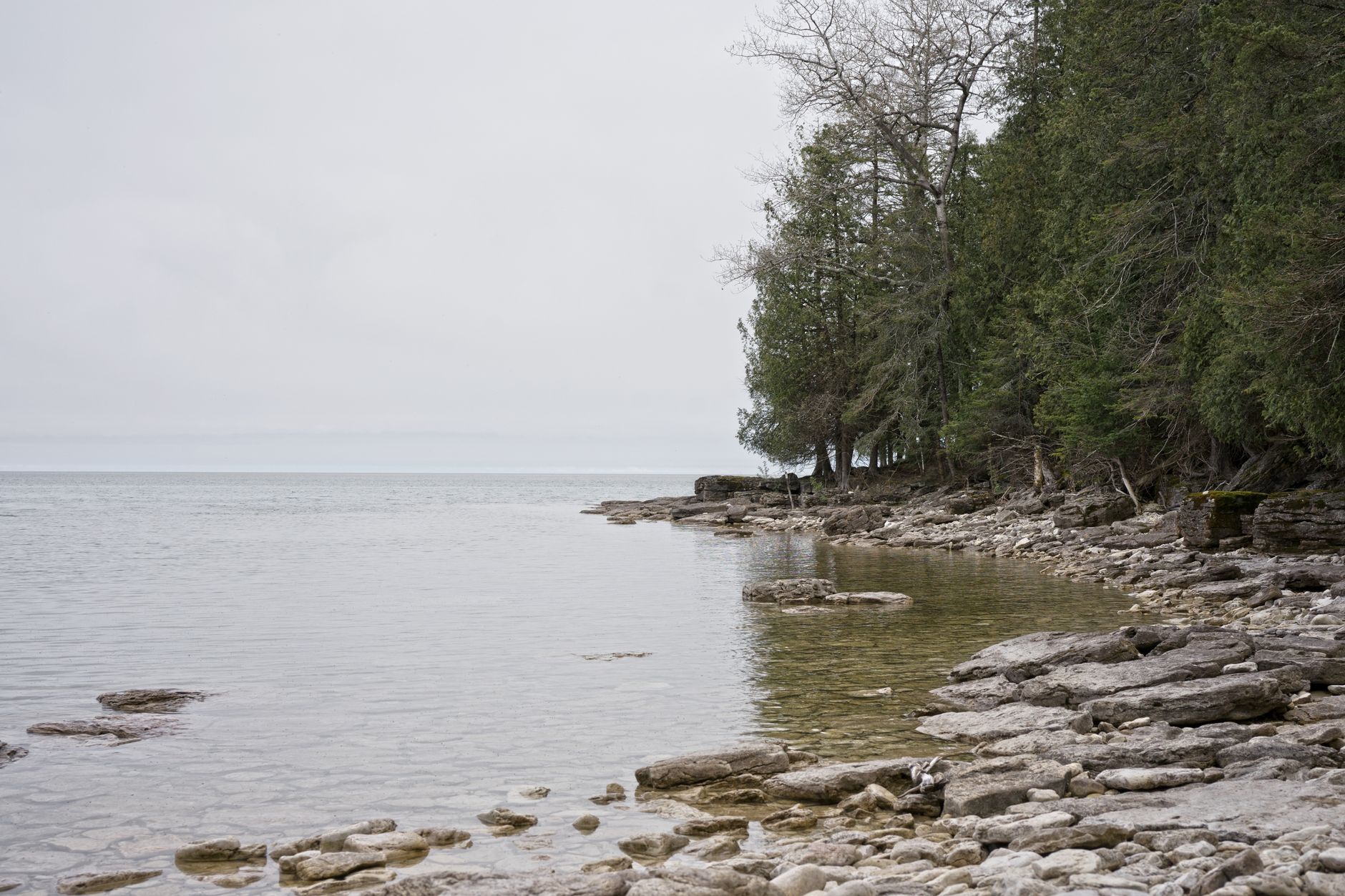
Limestone bluffs, heritage cherry orchards, and lakefront villages on Lake Michigan.

Traverse City, Michigan
United States
Freshwater bays, cool-climate vineyards, and windswept dunes anchored by a farm-driven culinary hub.

Mackinac Island, Michigan
United States
Car-free Victorian bluffs, freshwater coastlines, and horse-drawn transport

Baltimore, Maryland
United States
Industrial maritime roots, blue-collar grit, and distinct neighborhood enclaves.
Readymade itineraries
Start from a tested template — then make it yours.
Ready to book
Lock in your Yellowstone National Park trip
Everything in one place. We may earn a small commission — it never costs you more.
Plan a trip to Yellowstone National Park
Pick a length and we'll build a day-by-day plan around how you travel — neighborhoods clustered, budget-aware, and editable.
Get better at planning trips like this
Occasional notes on planning smarter — no spam, unsubscribe anytime.
Plan a trip to Yellowstone National Park
Turn this guide into a day-by-day plan built around your pace, your group, and your budget.
Build my Yellowstone National Park trip