
United States
Washington, DC Itinerary: How Many Days + Sample Plans
Washington, DC is free museums and monumental scale — the Mall, the memorials, and a city that's better than its reputation.
Traveler rating
Loved by first-timers.
Plan & book
Sort your Washington, DC trip in one place.
We point you to the booking tools we'd actually use — live prices, no markup. Or let us build the day-by-day plan around you first, then book.
Pick your trip length
How many days do you need in Washington, DC?
Each of these opens a full day-by-day plan you can make your own.
- 2 days — Two days — the essentials, no rushing.
- 3 days — Three days — the icons plus one neighborhood.
- 4 days — Four days — a full city without sprinting.
- 5 days — Five days — room for a day trip.
- 7 days — A week — the city at a human pace.
- With Kids trip — Shorter days, earlier dinners, what to skip.
- For Couples trip — Two-person pacing with evenings built in.
- Solo trip — A plan that works well on your own.
- Food trip — Meals and markets as the anchors.
- Outdoors trip — Nature, walks and open air.
- Culture trip — History, museums and the streets around them.
DC is a city of free world-class museums along the National Mall, monuments you can walk between, and neighborhoods (Shaw, U Street, Georgetown) with great food. Visit in spring for the cherry blossoms.
2–4 days
Best time
Mid-to-late October and April to mid-May provide ideal 60°F–70°F weather for heavy walking days.
Budget
$140–260 per person per day at mid-range. Free museums offset costs.
Build your own trip with these prebuilt itineraries
Each one is a tested, day-by-day plan for Washington, DC — start here, then make it yours.
2 Days in Washington, DC: The Essential Monumental Tour
First-time visitor focused on the National Mall, iconic monuments, and major Smithsonian museums.
4 Days in Washington, DC: Culture and Neighborhood Discovery
Deeper immersion into the city's local culture, exploring historic Georgetown, the U Street jazz corridor, and diverse culinary scenes.
6 Days in Washington, DC: History and Hidden Gems
Comprehensive exploration including suburban excursions like Mount Vernon, Alexandria, and specialized political and intelligence museums.
Washington, DC houses the dense epicenter of American history and monumental civic architecture alongside an unmatched collection of world-class, tuition-free museums. Beyond the marble government core lies a distinct, predominantly low-rise city anchored by historic African American cultural corridors, celebrated Ethiopian and Salvadoran food enclaves, and quiet row-house neighborhoods that contrast with political headlines.
Where to stay
Getting there
Getting around
Food & drink
What it costs
Things to do
Book tours & tickets in Washington, DCSkip it if
Skip it as a primary vacation if your idea of travel is untamed wilderness or an around-the-clock late-night club capital; DC's core operates around daytime museum walking, early-to-mid evening dining, and heavy civic history.
When to go
Spring trades magnificent cherry blossoms along the Tidal Basin for packed sidewalks and surge hotel pricing. Fall matches that ideal weather with far thinner tour-bus crowds, comfortable outdoor dining, and lower room rates.
Spring (March to May)
Peak crowds and peak room rates converge around the National Cherry Blossom Festival; expect shoulder-to-shoulder conditions near the Tidal Basin, but perfect walking temperatures.
Summer (June to August)
Oppressive swamp humidity and 90°F heat make walking the exposed National Mall exhausting; offset by empty office districts in August, high museum air conditioning, and occasional hotel deals.
Fall (September to November)
The smartest season to visit: crisper air, autumn color against neoclassical marble monuments, active cultural calendars, and noticeably manageable crowds once school resumes.
Winter (December to February)
Cold and wind-swept along the Mall, but January and February deliver rock-bottom hotel rates and completely empty galleries at the Smithsonian museums.
Neighborhoods
Where you stay shapes the trip. Here's how to think about it.
Capitol Hill
Federal brick row houses, leafy residential avenues, and the hum of political staffers over coffee.
Best for:Families, history lovers, and travelers wanting a quiet residential base near the monuments.
Don't miss:Eastern Market on a weekend morning for fresh blueberry buckwheat pancakes and local food vendors inside the 1873 brick hall.
Shaw & U Street
Historic Black cultural corridors lined with live jazz clubs, craft cocktail lounges, and Victorian streetscapes.
Best for:Foodies, music lovers, and anyone seeking nightlife beyond lobby bars.
Don't miss:Grabbing a chili half-smoke at Ben's Chili Bowl before heading to an intimate show at the 9:30 Club or Black Cat.
Georgetown
Cobblestone sidestreets, historic Federal architecture, and high-end retail along the C&O Canal.
Best for:Couples, shoppers, and travelers who prefer boutique stays over corporate high-rises.
Don't miss:Walking the towpath along the C&O Canal before stopping for pastries at Baked & Wired on Thomas Jefferson Street.
Dupont Circle
Cosmopolitan brownstones, historic embassies, leafy pocket parks, and an independent arts-and-book culture.
Best for:Walkers, culture seekers, and LGBTQ+ travelers looking for central transit access.
Don't miss:The Phillips Collection, America's first modern art museum, housed inside a warm Georgian Revival residence.
Penn Quarter & Chinatown
Energetic urban core packed with high-ceilinged dining spots, theaters, and sports crowds spilling from Capital One Arena.
Best for:First-timers who want to walk directly to the National Mall and major museums without riding the Metro.
Don't miss:The Robert and Arlene Kogod Courtyard shared by the National Portrait Gallery and Smithsonian American Art Museum.
Money & essentials
Currency
US dollar (USD). Cards everywhere.
Language
English.
Safety
Generally safe across primary visitor corridors, monument grounds, and central northwest neighborhoods; exercise typical big-city awareness after midnight, particularly around transit hubs and unlit side streets.
Budget range
$140–260 per person per day at mid-range. Free museums offset costs.
Tipping
18% to 22% in full-service restaurants; $1 to $2 per drink at bars; $2 to $5 per night for hotel housekeeping.
How to plan it
- Reserve timed-entry passes for the National Museum of African American History and Culture and the National Air and Space Museum 30 to 60 days ahead on their official Smithsonian portals.
- Do not attempt more than two Smithsonian museums in a single day; museum fatigue sets in quickly within multi-story institutions spanning hundreds of thousands of square feet.
- Base yourself in Penn Quarter or Downtown if you want to walk to the National Mall; base yourself in Dupont Circle or Logan Circle if you care more about neighborhood cafes and dinner.
- Schedule your US Capitol tour through your congressional representative's office well before your trip to secure a staff-led tour rather than competing for general visitor center slots.
- Tackle the Lincoln Memorial, Korean War Veterans Memorial, and Vietnam Veterans Memorial as an evening loop on foot when lighting softens the marble and tour bus volume drops.
Questions
More in United States
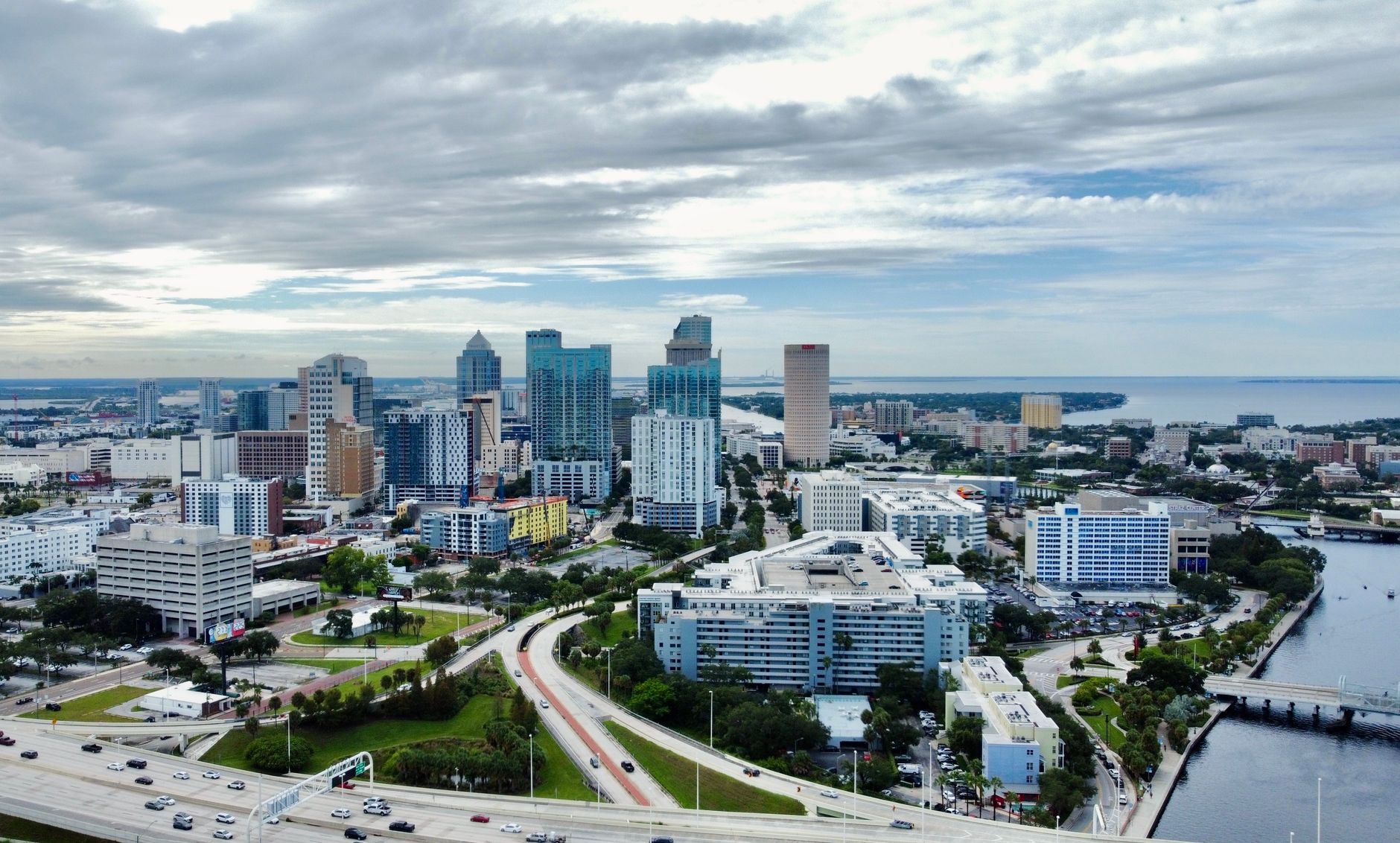
Tampa, Florida
United States
A historic cigar-making heritage wrapped in polished waterfront revivals and Gulf Coast culinary ambition.
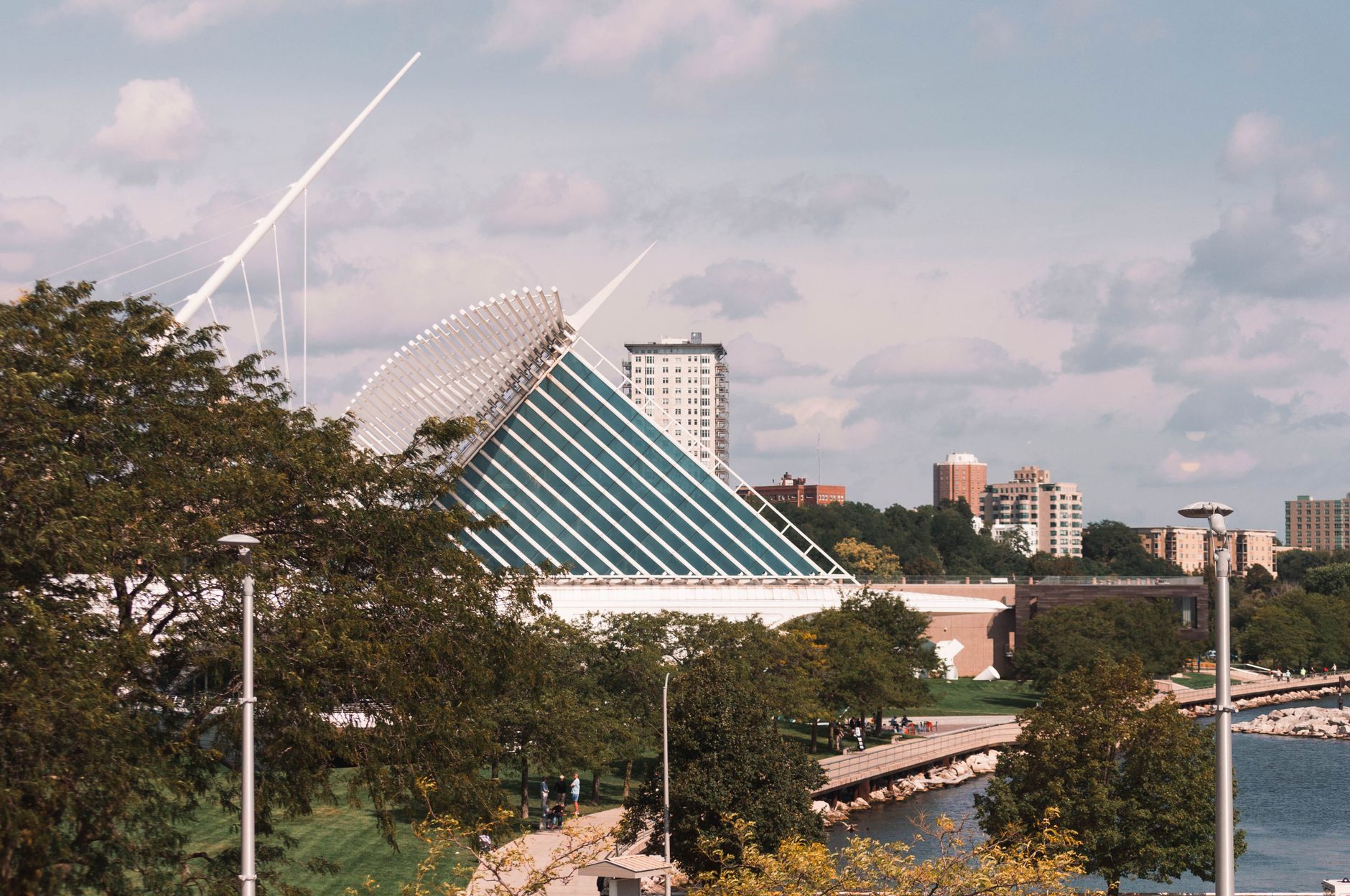
Milwaukee, Wisconsin
United States
Industrial lakeside cool anchored by serious culinary chops and effortless urban grit.

Door County, Wisconsin
United States
Limestone bluffs, heritage cherry orchards, and lakefront villages on Lake Michigan.

Traverse City, Michigan
United States
Freshwater bays, cool-climate vineyards, and windswept dunes anchored by a farm-driven culinary hub.
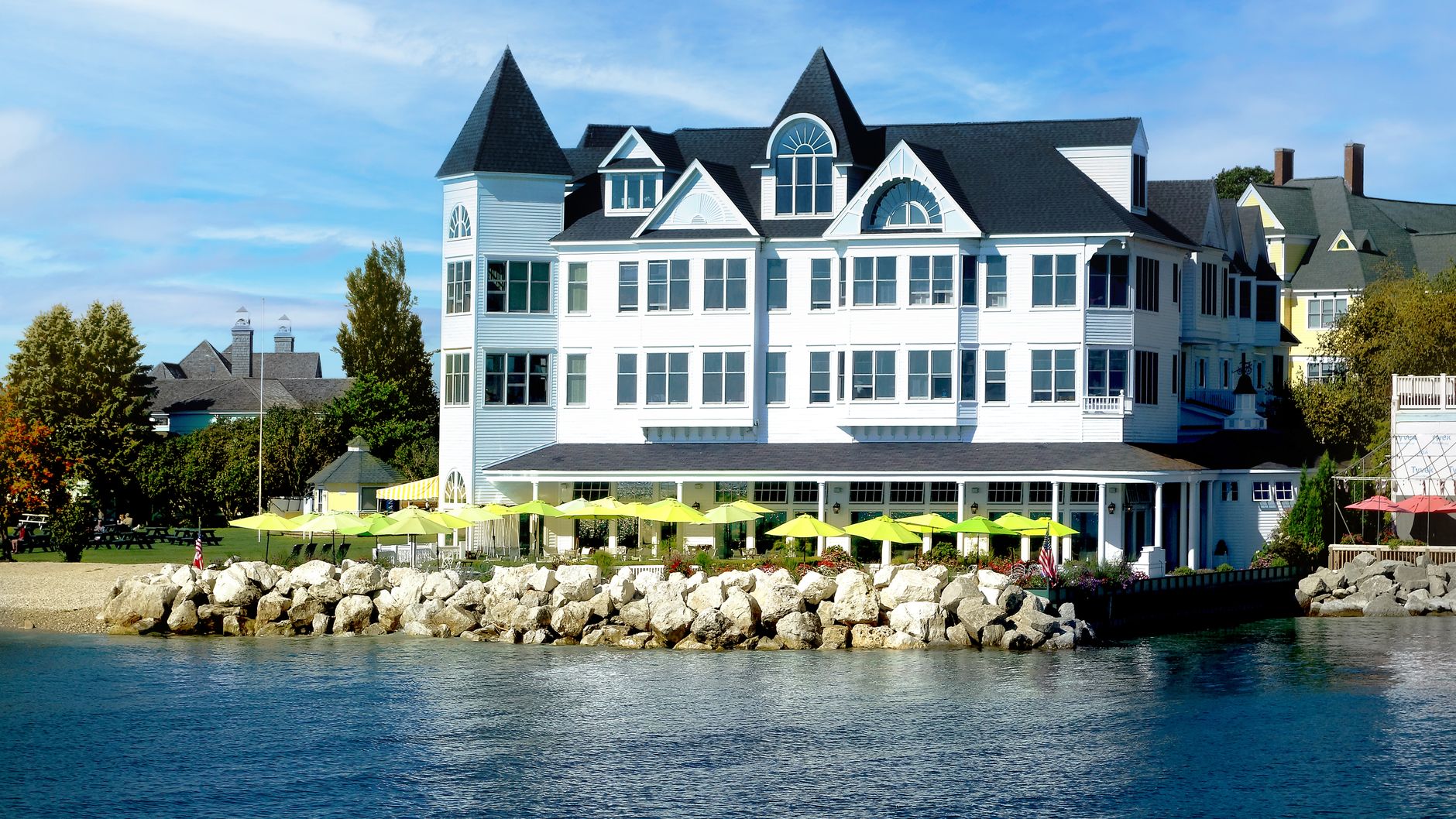
Mackinac Island, Michigan
United States
Car-free Victorian bluffs, freshwater coastlines, and horse-drawn transport
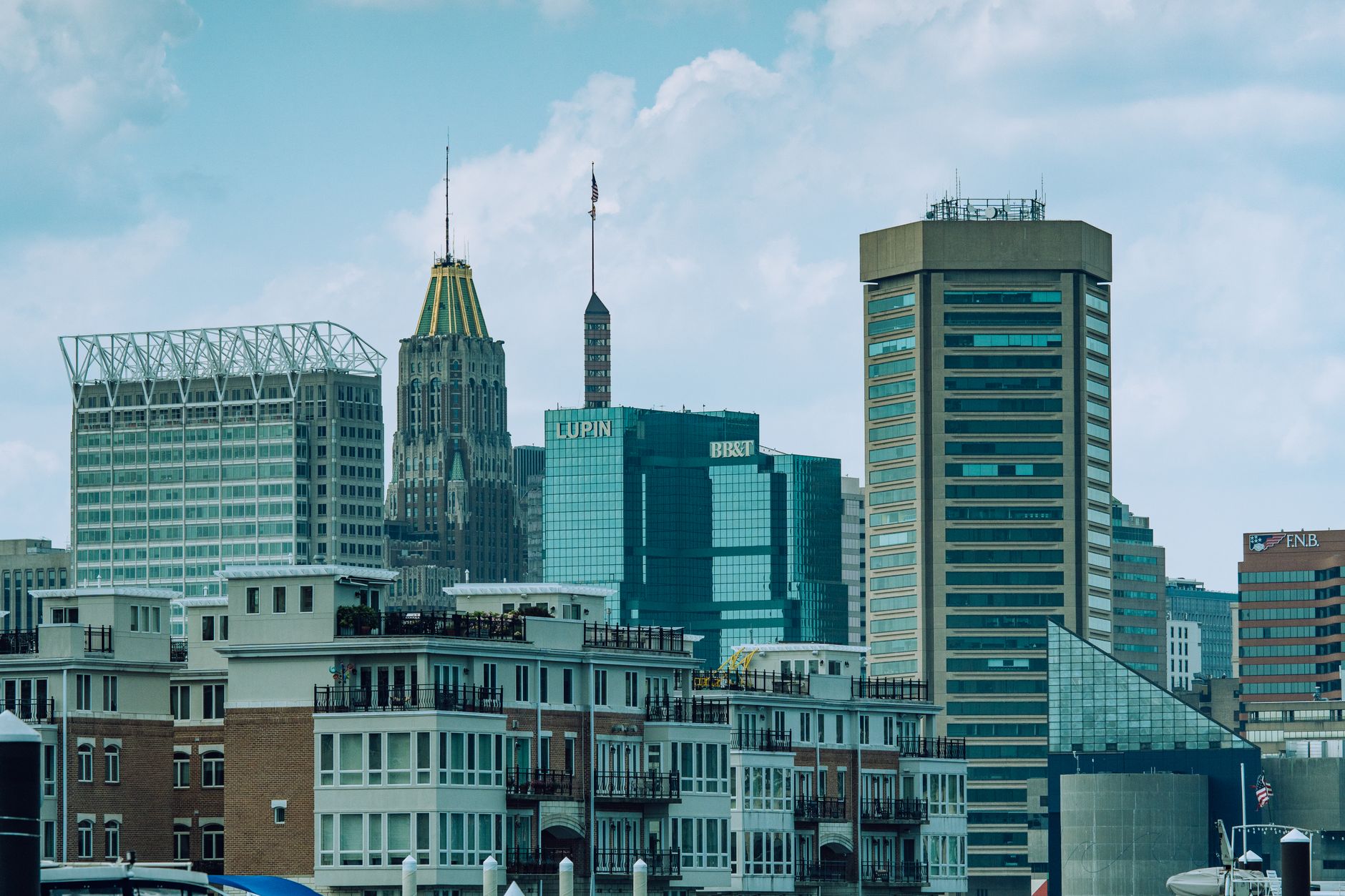
Baltimore, Maryland
United States
Industrial maritime roots, blue-collar grit, and distinct neighborhood enclaves.
Readymade itineraries
Start from a tested template — then make it yours.
Ready to book
Lock in your Washington, DC trip
Everything in one place. We may earn a small commission — it never costs you more.
Plan a trip to Washington, DC
Pick a length and we'll build a day-by-day plan around how you travel — neighborhoods clustered, budget-aware, and editable.
Get better at planning trips like this
Occasional notes on planning smarter — no spam, unsubscribe anytime.
Plan a trip to Washington, DC
Turn this guide into a day-by-day plan built around your pace, your group, and your budget.
Build my Washington, DC trip