Australia
Hobart & Southern Tasmania
Wild southern landscapes anchored by subterranean art, historic sandstone, and world-class cool-climate dining.
Plan & book
Sort your Hobart & Southern Tasmania trip in one place.
We point you to the booking tools we'd actually use — live prices, no markup. Or let us build the day-by-day plan around you first, then book.
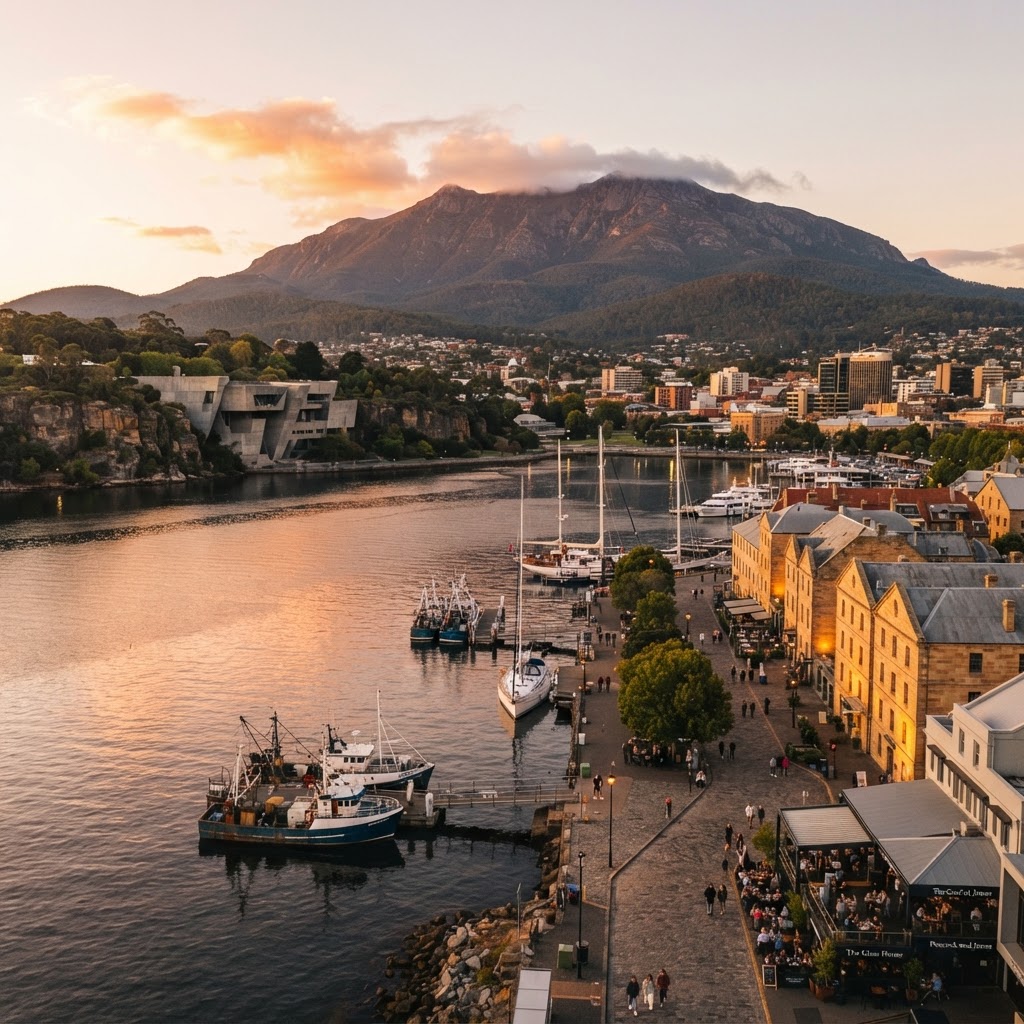
Hobart punches far above its weight for a city of roughly 250,000 residents. Sprawled between the striking fluted dolerite of kunanyi / Mount Wellington and the deep waters of the River Derwent, Tasmania's capital balances convict-era Georgian sandstone with David Walsh's provocative subterranean art monolith, MONA. It serves as Australia's premier culinary outpost for hyper-seasonal produce, maritime heritage, and gateway access to the raw wilderness of southern Tasmania.
4 to 5 days
Best time
March to May (Autumn) for crisp, clear days, turning deciduous beech (fagus), and far fewer crowds than peak summer.
Build your own trip with these prebuilt itineraries
Each one is a tested, day-by-day plan for Hobart & Southern Tasmania — start here, then make it yours.
7 Days of Wild Coasts & Maritime Heritage in Tasmania/Hobart
Active self-drive road trip extending through the rugged sea cliffs of the Tasman Peninsula and Maria Island
5 Days of Island Escapes & Southern Terroir in Tasmania/Hobart
Comprehensive southern Tasmania journey combining urban culture with Bruny Island and kunanyi excursions
3 Days of Art, Waterfront & Historic Charms in Tasmania/Hobart
Car-free city escape highlighting MONA, Sullivan's Cove dining, and historic Battery Point on foot
Go for a distinct collision of frontier wilderness and world-class creative culture. In a single day, you can summit an alpine plateau, browse heritage Georgian architecture at Salamanca, ride a camouflaged ferry upriver to an avant-garde private art bunker, and dine on wild-caught abalone paired with local cool-climate pinot noir.
Where to stay
Getting there
Getting around
Food & drink
What it costs
Skip it if
Skip it if you demand 24-hour mega-city nightlife, tropical heat, or rely entirely on comprehensive train-and-subway networks to explore broader regions.
When to go
Summer brings vibrant festivals and warm weather, but hotel prices surge and car rental inventories evaporate months out. Autumn provides the most reliable weather, stunning gold foliage in regional valleys, and comfortable walking temperatures without the summer festival markups.
Peak (December to February)
Daytime temperatures hover around 21°C (70°F) with buzzing energy around the Sydney to Hobart Yacht Race and Taste of Summer festival; book rooms and car rentals 3 to 6 months in advance.
Shoulder (March to May & September to November)
Autumn offers calm, sunny days and harvest produce; spring brings blooming gardens and unpredictable coastal wind, both with sensible lodging rates and relaxed dining availability.
Low (June to August)
Cold, brisk days averaging 5–12°C with occasional snow dustings on kunanyi; June experiences a massive lodging spike during Dark Mofo, while July and August are quiet, cozy, and affordable.
Neighborhoods
Where you stay shapes the trip. Here's how to think about it.
Sullivans Cove & Waterfront
Maritime working harbor lined with repurposed 19th-century sandstone warehouses, active fishing docks, and luxury quayside hotels.
Best for:First-timers, short stays, and luxury travelers who want ferry and dining access without touching a car.
Don't miss:Catching the camouflaged Mona Roma ferry directly from Brooke Street Pier up the River Derwent.
Battery Point
Immaculately preserved 19th-century maritime enclave featuring narrow lanes, colonial cottages, and historic pubs.
Best for:Couples, architecture buffs, and travelers wanting quiet, atmospheric boutique lodging within walking distance of downtown.
Don't miss:The freshly baked curried scallop pie at Jackman & McRoss on Hampden Road, followed by a stroll through the cottages of Arthur Circus.
Salamanca
Historic Georgian warehouse precinct buzzes with artisan workshops, galleries, courtyard bars, and vibrant dining.
Best for:Weekend visitors, market goers, and diners who want lively nightlife steps from their room.
Don't miss:Navigating the Saturday Salamanca Market early at 8:30 AM before tour bus crowds arrive, followed by coffee tucked into Salamanca Place.
North Hobart
Unpretentious, bohemian urban strip centering along Elizabeth Street with independent cinemas, late-night pubs, and casual dining.
Best for:Foodies on a budget, craft beer lovers, and younger travelers looking for local dining beyond tourist docks.
Don't miss:Catching an indie screening at the art-deco State Cinema, paired with a rooftop glass of Tasmanian Pinot Noir.
South Hobart
Lush, mountain-fringe hamlet sitting along the Hobart Rivulet below the dolerite slopes of kunanyi / Mount Wellington.
Best for:Hikers, trail runners, and nature lovers who prioritize easy mountain access over quayside dining.
Don't miss:Walking the Hobart Rivulet Track from town to spot wild platypus, ending at the historic Cascade Brewery.
Destination intelligence
Updated 9/14/2026The structured record we plan every Hobart & Southern Tasmania itinerary from.
Walkability
High in Sullivan's Cove, Battery Point, and the CBD; moderate to steep hill grades heading inland toward West Hobart.
Transit quality
Limited; reliable local bus services exist, but regional exploration requires dedicated tourist shuttles or a rental vehicle.
Car needed
Not for central Hobart and MONA ferry; mandatory for day excursions to Mount Wellington, Bruny Island, and the Tasman Peninsula.
Ideal duration
4 to 5 days
Minimum useful
2 days
Peak season
December to February (warm summer days, Sydney to Hobart yacht arrivals, and vibrant outdoor festivals).
Shoulder season
March to May (crisp autumn air, turning foliage, and stable conditions) and September to November (spring wildflowers and fewer crowds).
Low season
June to August (cold, shorter days, offset by roaring indoor fires and the midwinter Dark Mofo festival).
Best for
Common mistakes
- Renting a car for the days spent strictly within central Hobart and paying steep hotel parking rates
- Underestimating mountain weather: heading up kunanyi / Mount Wellington in summer without windproof layers
- Failing to reserve dining weeks in advance for celebrated neighborhood restaurants
- Treating Tasmania like a small day-trip island rather than budgeting real driving time across rugged terrain
Best nearby
See what a trip to Australia actually costs. Travel Budget Co.
How to plan it
- Base yourself in Sullivans Cove or Battery Point for your first two nights so you can walk to dinner, the harbor, and the Saturday market without paying downtown parking fees.
- Split your rental car booking: walk central Hobart and take the Mona Roma ferry first, then pick up a rental car from a CBD depot on Day 3 for your regional Southern Tasmania road trips.
- Never combine Bruny Island and the Tasman Peninsula on the same day; they sit on opposing coastlines requiring dedicated 8- to 10-hour loops from Hobart.
- Time your visit over a Friday through Sunday window to catch the Saturday Salamanca Market and Sunday Farm Gate Market on Bathurst Street when hyper-local growers come into town.
- Book high-demand restaurants like Aloft, Fico, and Peppina at least 4 to 6 weeks in advance, especially during the summer and Dark Mofo periods.
Questions
More in Australia
Darwin & Kakadu
Australia
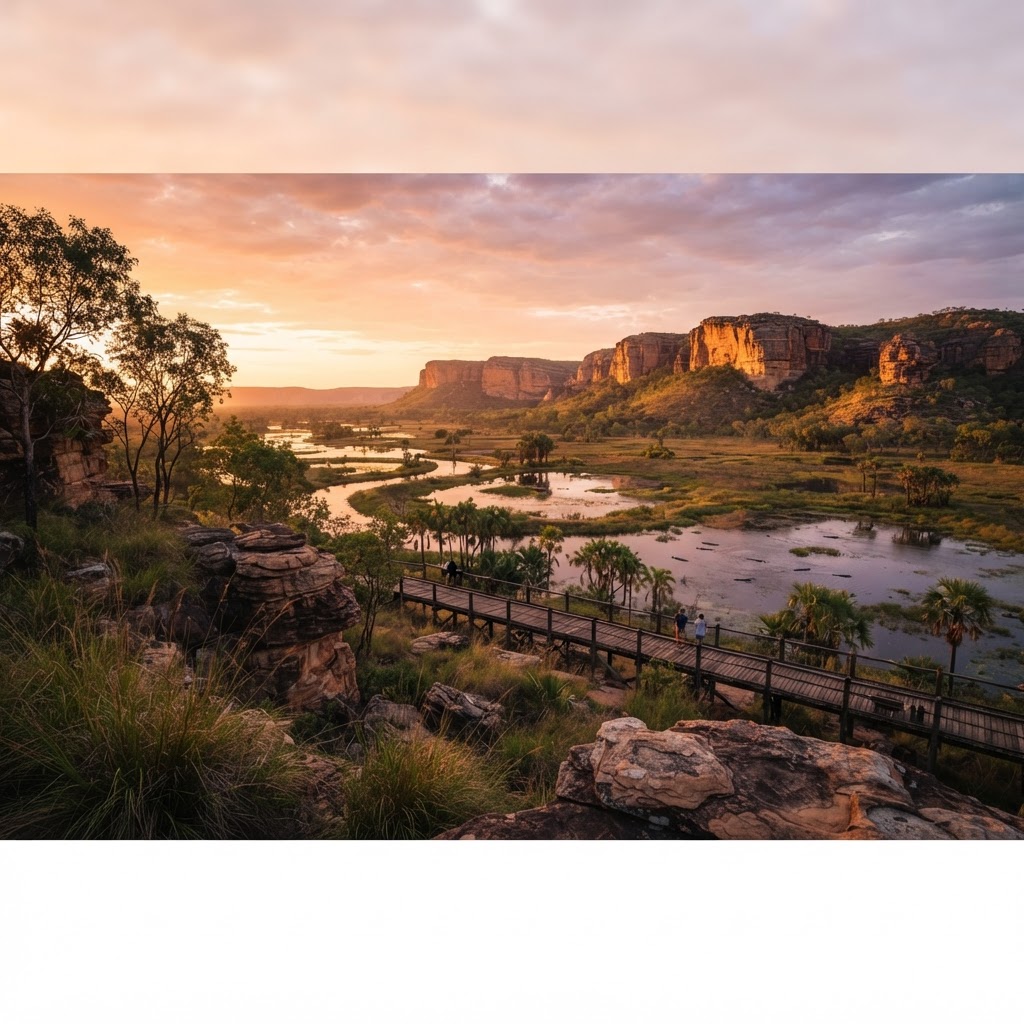
Ancient sandstone floodplains, saltie territory, and balmy tropical open-air nights.
Port Douglas, Queensland
Australia
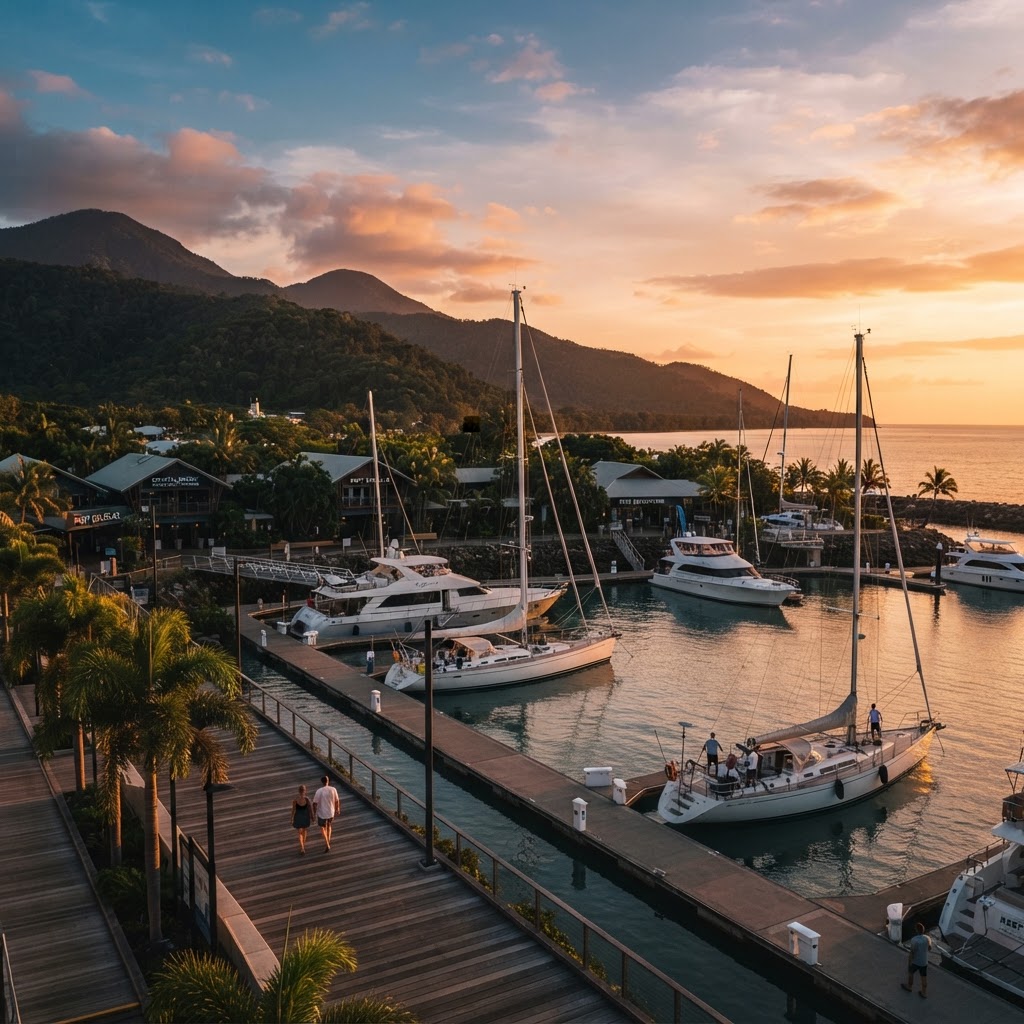
The sophisticated launchpad where the ancient Daintree meets the outer Great Barrier Reef.
Readymade itineraries
Start from a tested template — then make it yours.
Ready to book
Lock in your Hobart & Southern Tasmania trip
Everything in one place. We may earn a small commission — it never costs you more.
Plan a trip to Hobart & Southern Tasmania
Pick a length and we'll build a day-by-day plan around how you travel — neighborhoods clustered, budget-aware, and editable.
Get better at planning trips like this
Occasional notes on planning smarter — no spam, unsubscribe anytime.
Plan a trip to Hobart & Southern Tasmania
Turn this guide into a day-by-day plan built around your pace, your group, and your budget.
Build my Hobart & Southern Tasmania trip