
Australia
Tasmania Itinerary: How Many Days + Sample Plans
Tasmania is Australia's wild island — a capital of sandstone, the mountains of Cradle Mountain, and a coast of sea cliffs.
Traveler rating
Loved by nature.
Plan & book
Sort your Tasmania trip in one place.
We point you to the booking tools we'd actually use — live prices, no markup. Or let us build the day-by-day plan around you first, then book.
Pick your trip length
How many days do you need in Tasmania?
Each of these opens a full day-by-day plan you can make your own.
- 2 days — Two days — the essentials, no rushing.
- 3 days — Three days — the icons plus one neighborhood.
- 4 days — Four days — a full city without sprinting.
- 5 days — Five days — room for a day trip.
- 7 days — A week — the city at a human pace.
- With Kids trip — Shorter days, earlier dinners, what to skip.
- For Couples trip — Two-person pacing with evenings built in.
- Solo trip — A plan that works well on your own.
- Food trip — Meals and markets as the anchors.
- Outdoors trip — Nature, walks and open air.
- Culture trip — History, museums and the streets around them.
Tasmania is Australia's island state — Hobart's sandstone Salamanca market, the wilderness of Cradle Mountain, and the historic Port Arthur convict site. It's cooler, greener, and wilder than the mainland; hike the Overland Track, eat oysters, and go in summer (December–February). The Australia of forests and devils.
5–7 days
Best time
December through March for settled summer weather and open alpine tracks.
Budget
A$140–260 per person per day at mid-range.
Build your own trip with these prebuilt itineraries
Each one is a tested, day-by-day plan for Tasmania — start here, then make it yours.
10 Days Ultimate Wilderness Expedition
Outdoor adventure focus targeting deep hiking trails and remote national parks
7 Days East Coast Road Trip
Coastal scenery and beaches from Bay of Fires to Hobart
5 Days in Northern Tasmania
Food and Wine focus exploring the Tamar Valley and Cradle Mountain
Tasmania trades mainland Australia's humid tropics and sprawling deserts for temperate rainforests, stark sea cliffs, and crisp southern air. It concentrates cool-climate pinot noir, farm-gate honesty boxes, and convict history on a compact scale where dramatic changes in geography happen in an hour's drive. The wildlife encounters are unmatched: wombats, platypuses, and Tasmanian devils roam wild rather than in fenced enclosures.
Where to stay
Getting there
Getting around
Food & drink
What it costs
Things to do
Book tours & tickets in TasmaniaSkip it if
Skip it if you crave bustling tropical nightlife, mega-resort poolside culture, or warm turquoise swimming waters—Tasmanian seas are Antarctic-fed and brisk even in midsummer.
When to go
Summer brings maximum daylight and stable mountain conditions, but accommodation near Freycinet and Cradle Mountain books out months in advance. Shoulder months like March and April offer crisp autumn foliage and fewer rental cars clogging single-lane passes, with only slightly chillier nights.
Peak (December–February)
Warmest temperatures (highs around 22–24°C), active hiking conditions, and busy festivals like the Rolex Sydney Hobart finish; requires booking car rentals and lodges months ahead.
Shoulder (March–April & October–November)
Autumn turns the native deciduous beech (fagus) golden in April; spring brings blooming orchards and rushing waterfalls, with brisk wind and occasional snow flurries.
Low (May–September)
Sub-zero alpine nights, snow dusting Cradle Mountain, and short days; Hobart comes alive in June during Dark Mofo, but several regional dining spots close for winter.
Neighborhoods
Where you stay shapes the trip. Here's how to think about it.
Hobart Waterfront & Sullivans Cove
Salty maritime docklands framed by Georgian sandstone warehouses, fishing punts, and craft distilleries.
Best for:first-timers, walkers, short stays
Don't miss:Fresh oysters off the dock at Flippers Cooked Seafood, followed by a dram at Lark Distillery Cellar Door.
Battery Point (Hobart)
Narrow, preserved 19th-century maritime village with historic cottages, steep lanes, and quiet bakery corners.
Best for:couples, architecture enthusiasts, quiet mornings
Don't miss:Grabbing sourdough pastries at Jackman & McRoss before walking down Kelly's Steps into Salamanca.
Midtown & North Hobart
Gritty, bohemian culinary strip lined with indie bookstores, craft beer taps, and mid-century pubs.
Best for:foodies, night owls, casual dining
Don't miss:Dinner along Elizabeth Street paired with natural Tasmanian cider at the State Cinema rooftop.
Launceston Tamar Valley Basin
Victorian parklands meeting deep river gorge cliffs, surrounded by cool-climate wine country.
Best for:wine travelers, Northern explorers, hikers
Don't miss:Walking the suspension bridge across Cataract Gorge early in the morning before the day-trippers arrive.
Coles Bay (Freycinet Peninsula)
Low-slung coastal outpost nestled under pink granite peaks with access to turquoise ocean bays.
Best for:hikers, beach lovers, slow pacing
Don't miss:Hiking the steep granite saddle to the Wineglass Bay lookout at sunrise, skipping the midday bus tours.
Money & essentials
Currency
Australian dollar (AUD). Cards everywhere.
Language
English.
Safety
Extremely safe with low violent crime; primary hazards involve rapid wilderness weather shifts and wildlife collisions on dark roads.
Budget range
A$140–260 per person per day at mid-range.
Tipping
Optional in Australia; 10% is customary in upscale table-service restaurants for exceptional hospitality, but never demanded.
See what a trip to Australia actually costs. Travel Budget Co.
How to plan it
- Book an open-jaw flight (fly into Hobart, fly out of Launceston) to avoid a full day of backtracking along the inland Heritage Highway.
- Don't try to cross the entire island in one day: mountain passes are winding, sealed two-lane roads where Google Maps drive times are consistently optimistic.
- Book the Mona Roma ferry Posh Pit ticket at least two weeks out if you want guaranteed entry times and free sparkling wine on the ride upriver.
- Base yourself in Coles Bay or Bicheno for at least two nights if doing Freycinet, so you can hike early and avoid the tourist coach rush between 11:00 AM and 2:00 PM.
- Time your Hobart stay over a Saturday morning if you want to browse Salamanca Market's woodwork and wool stalls without disrupting a hiking itinerary.
Questions
More in Australia
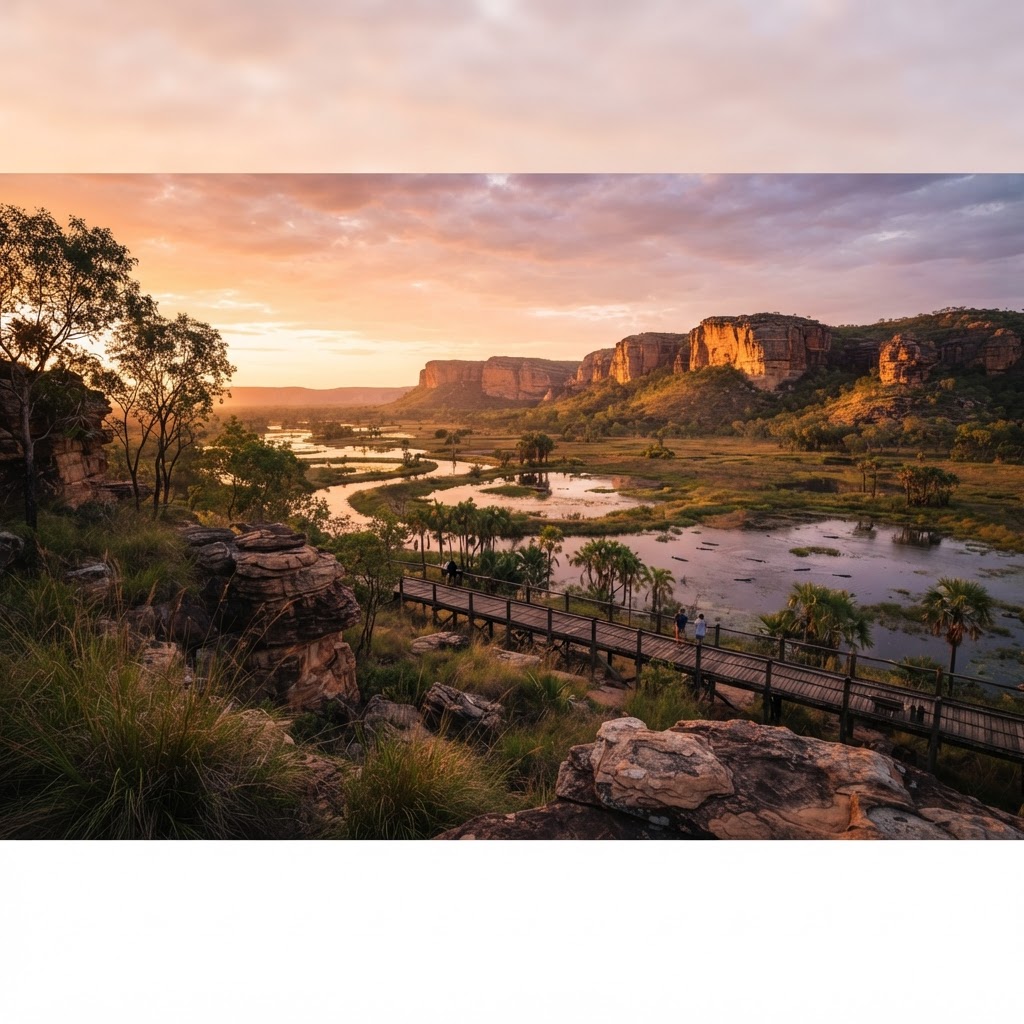
Darwin & Kakadu
Australia
Ancient sandstone floodplains, saltie territory, and balmy tropical open-air nights.
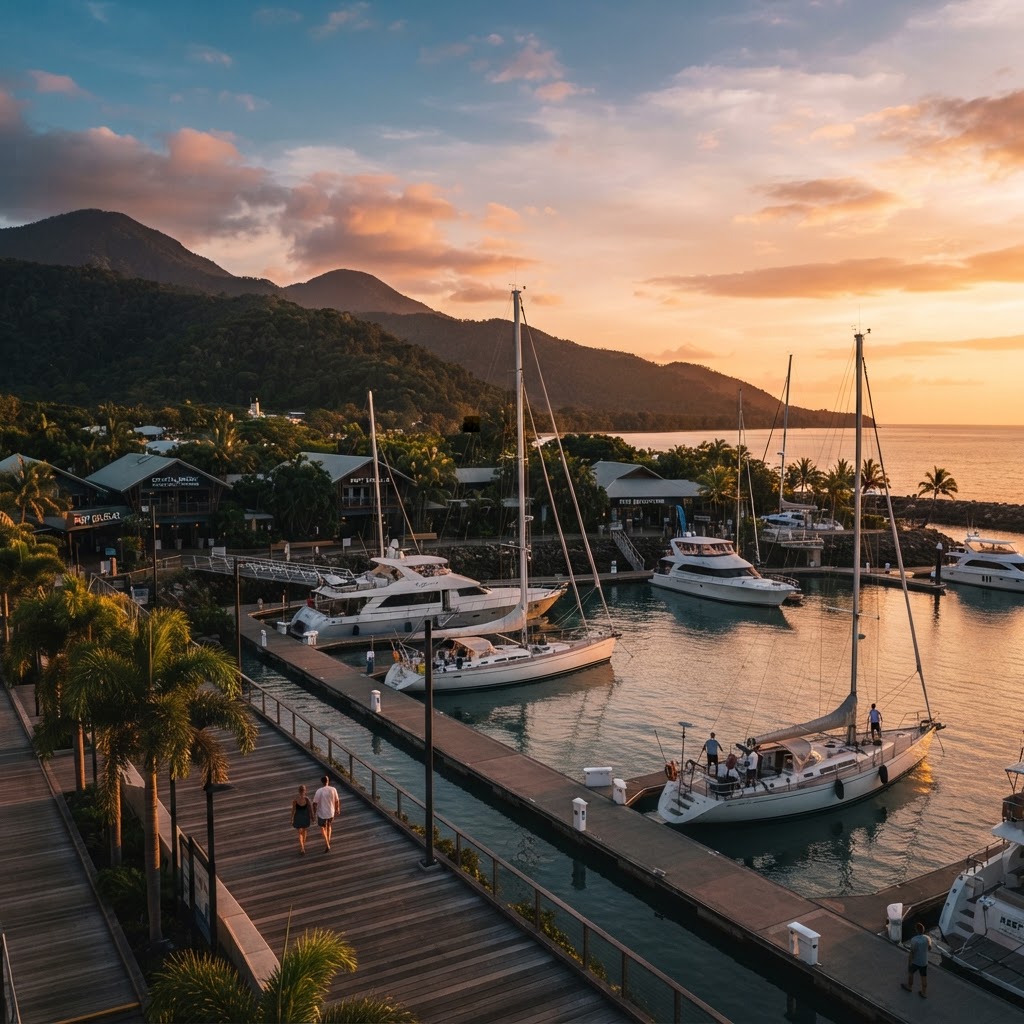
Port Douglas, Queensland
Australia
The sophisticated launchpad where the ancient Daintree meets the outer Great Barrier Reef.
Readymade itineraries
Start from a tested template — then make it yours.
Ready to book
Lock in your Tasmania trip
Everything in one place. We may earn a small commission — it never costs you more.
Plan a trip to Tasmania
Pick a length and we'll build a day-by-day plan around how you travel — neighborhoods clustered, budget-aware, and editable.
Get better at planning trips like this
Occasional notes on planning smarter — no spam, unsubscribe anytime.
Plan a trip to Tasmania
Turn this guide into a day-by-day plan built around your pace, your group, and your budget.
Build my Tasmania trip