United States
Taos, New Mexico
High-desert adobe culture, living Indigenous sovereignty, and rugged Sangre de Cristo peaks.
Plan & book
Sort your Taos, New Mexico trip in one place.
We point you to the booking tools we'd actually use — live prices, no markup. Or let us build the day-by-day plan around you first, then book.
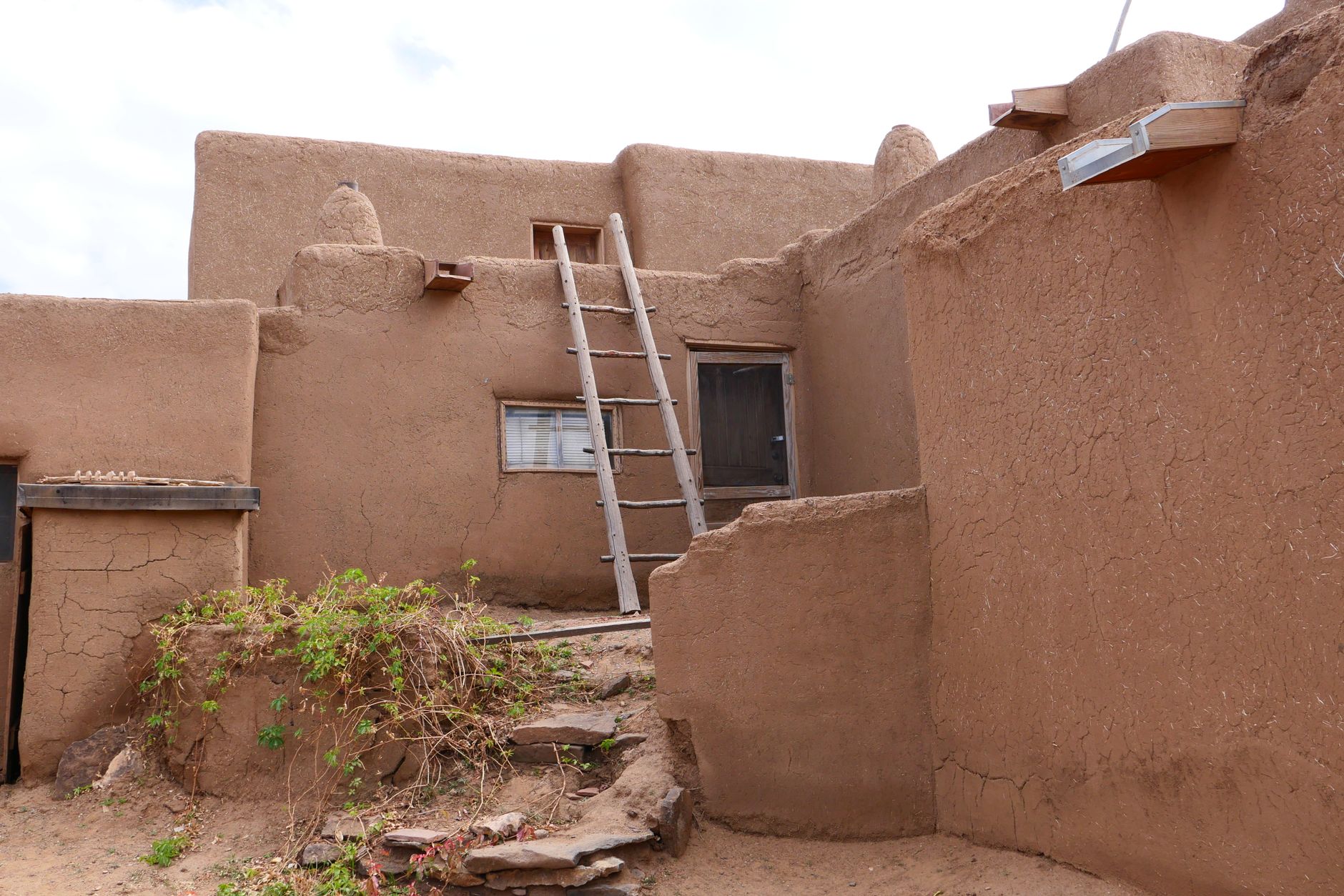
Set on a wind-swept mesa 7,000 feet above sea level beneath the towering Sangre de Cristo Mountains, Taos occupies a distinct cultural and ecological crossroads. It is neither a glossy resort enclave like Aspen nor an easily walkable arts suburb like central Santa Fe; it is a layered, independent community rooted in the continuous habitation of Taos Pueblo, centuries of Hispano farming settlements, and a century-old Anglo bohemian arts colony. Visitors come for dramatic high-altitude landscapes—from the precipitous Rio Grande Gorge to the steep chutes of Taos Ski Valley—paired with distinctive Northern New Mexico cuisine and enduring adobe architecture.
4 days
Best time
Mid-September through mid-October for crisp high-desert air, flaming yellow cottonwoods, and peak hiking conditions.
Build your own trip with these prebuilt itineraries
Each one is a tested, day-by-day plan for Taos, New Mexico — start here, then make it yours.
4 Days in Taos: The Complete Cultural & Scenic Route in Taos
Essential highlights spanning historic adobe culture, Earthships, Rio Grande Gorge, and Taos Pueblo
2 Days in Taos: High-Desert Art & Architecture in Taos
A relaxed weekend focused on the historic plaza, modernist art colonies, Ledoux Street galleries, and local craft
3 Days in Taos Ski Valley: Alpine Adventure & Terrain in Taos
High-altitude outdoor sports, steep technical ski slopes, and alpine hiking based around the Ski Valley
Go to experience one of the few places in North America where profound cultural history, world-class high-desert art, and dramatic outdoor topography meet without mass commercialization. Stand atop the 650-foot Rio Grande Gorge Bridge, explore the multi-story adobe homes of Taos Pueblo that have stood for a millennium, examine modernist legacies at the Harwood Museum of Art, and ski or hike alpine peaks rising above 12,000 feet just thirty minutes from the town center.
Where to stay
Getting there
Getting around
Food & drink
What it costs
Things to do
Book tours & tickets in Taos, New MexicoSkip it if
Skip Taos if you require high-density nightlife, slick luxury mega-malls, or entirely car-free public transit infrastructure. Travelers seeking polished, gentle beginner-only ski terrain or commercialized entertainment will likely find Taos too raw, idiosyncratic, and dispersed.
When to go
Fall bypasses the dry 85°F summer heat, high-altitude afternoon lightning storms, and peak vacation crowds, while delivering ideal temperatures for the Rio Grande Gorge trails. Winter delivers premier steep skiing, but roads get slick and town life slows to a crawl.
Peak (June–August & late December–March)
Summer draws road trippers and regional art travelers; afternoon monsoons hit almost daily in July and August. Winter is dialed squarely for technical skiers heading up NM-150 to Taos Ski Valley.
Shoulder (September–October)
The smartest window to visit: golden foliage along the High Road, roasted Hatch chile smoke in the air, open trailheads, and uncrowded Plaza parking.
Low (April–May 'Mud Season')
Mountain snowmelt turns unpaved dirt lanes and trailheads into thick clay mud; TSV operations wind down and select indie restaurants shutter for annual staff breaks.
Neighborhoods
Where you stay shapes the trip. Here's how to think about it.
Taos Historic Plaza & Ledoux Street
Pueblo revival adobes, narrow gravel lanes, working galleries, and centuries of preserved civic history.
Best for:First-time visitors who want walking access to dinner, art history buffs, and travelers without an early-morning ski agenda.
Don't miss:The Harwood Museum of Art on Ledoux Street, particularly the contemplative octagonal Agnes Martin gallery.
Ranchos de Taos
Unvarnished Hispano farming hamlet centered on heavy-buttressed 18th-century adobe architecture and quiet backroads.
Best for:History seekers, photographers, and travelers who prefer low-key bed-and-breakfasts over town-center motels.
Don't miss:San Francisco de Asís Mission Church—view the rear buttresses made famous by Georgia O'Keeffe and Ansel Adams.
El Prado
Sprawling pastureland transition zone dotted with indie roasters, craft taprooms, and wide-open mountain views.
Best for:Road trippers wanting a strategic midpoint between the Plaza dining scene and the Ski Valley access road.
Don't miss:A flat white and pastry at Taos Mesa Brewing Taproom or Coffee Sentinel along Highway 64.
Taos Ski Valley (TSV)
Steep alpine basin sitting above 9,200 feet, dominated by rugged European-style ski culture and high-altitude scree fields.
Best for:Serious downhill skiers, snowboarders, and high-peak summer hikers tackling Wheeler Peak.
Don't miss:Hiking the steep bootpack up to Kachina Peak (12,481 ft) for expert-only alpine chutes.
Upper Mesa & Greater World Earthship Community
Off-grid, wind-whipped sagebrush desert punctuated by radical passive-solar architecture and vast sky horizons.
Best for:Architects, off-grid futurists, and stargazers who do not mind gravel washboard roads.
Don't miss:Self-guided tour of the Earthship Visitor Center along US-64 West past the Rio Grande Gorge Bridge.
Destination intelligence
Updated 9/14/2026The structured record we plan every Taos, New Mexico itinerary from.
Walkability
Low overall. Historic Plaza and Ledoux Street are intimately walkable, but all regional highlights require driving.
Transit quality
Limited. Regional RTD bus service connects main arteries, but service is too infrequent for dependable vacation use.
Car needed
Yes. A rental car is essential for accessing the gorge, ski mountain, hot springs, and surrounding pueblos.
Ideal duration
4 days
Minimum useful
2 days
Peak season
Summer (June to August) for hiking and art festivals; Winter (late December to March) for alpine skiing in Taos Ski Valley.
Shoulder season
Fall (September to October) offering golden cottonwoods, crisp desert air, the Taos Mountain Balloon Rally, and light crowds.
Low season
Spring 'Mud Season' (April to May) when mountain snow thaws, runoff clouds rivers, and some resort facilities temporarily shutter.
Best for
Common mistakes
- Underestimating altitude sickness: Taos town sits at 6,969 feet, and the Ski Valley village sits at 9,200 feet, which requires heavy hydration and acclimatization
- Assuming rideshares like Uber or Lyft are readily available; drivers are very scarce and you will be stranded without a rental car
- Not checking Taos Pueblo operational calendars: the community periodically closes for tribal ceremonies, maintenance, and seasonal quiet weeks
- Attempting to rush Taos as a quick two-hour stop on a loop without allowing time for winding mesa and canyon drives
- Skipping sun and wind protection: high-altitude UV radiation is intense year-round even on freezing winter afternoons
Best nearby
How to plan it
- Base yourself in town for culture, but TSV for pure skiing: Staying on the Plaza gives you walking access to morning coffee and dinners, but demands a 35-minute commute up winding NM-150 each ski morning. If your trip is 80% skiing, stay slope-side at The Blake; otherwise, base in town or El Prado.
- Drive the High Road, but time the Chimayó stop before 4 PM: The High Road through Truchas and Las Trampas is slow (allow 2.5 hours driving time without stops). Plan to reach the Santuario de Chimayó early enough to see the historic chapel before it closes, and grab carne adovada at Rancho de Chimayó.
- Pair the Rio Grande Gorge Bridge with West Rim Trail at sunrise: Midday traffic on the US-64 bridge crossing is noisy and blustery. Walk the flat West Rim Trail at sunrise to watch the canyon walls light up and spot desert bighorn sheep before crowds gather.
- Book signature dinners 2 to 3 weeks ahead in peak season: Independent spots like The Love Apple and Lambert's of Taos have limited seating capacities in historic adobe buildings. Reserve well in advance for weekend slots, especially during ski holidays and July art weekends.
Questions
More in United States
Tampa, Florida
United States
A historic cigar-making heritage wrapped in polished waterfront revivals and Gulf Coast culinary ambition.
Milwaukee, Wisconsin
United States
Industrial lakeside cool anchored by serious culinary chops and effortless urban grit.
Door County, Wisconsin
United States
Limestone bluffs, heritage cherry orchards, and lakefront villages on Lake Michigan.

Traverse City, Michigan
United States
Freshwater bays, cool-climate vineyards, and windswept dunes anchored by a farm-driven culinary hub.
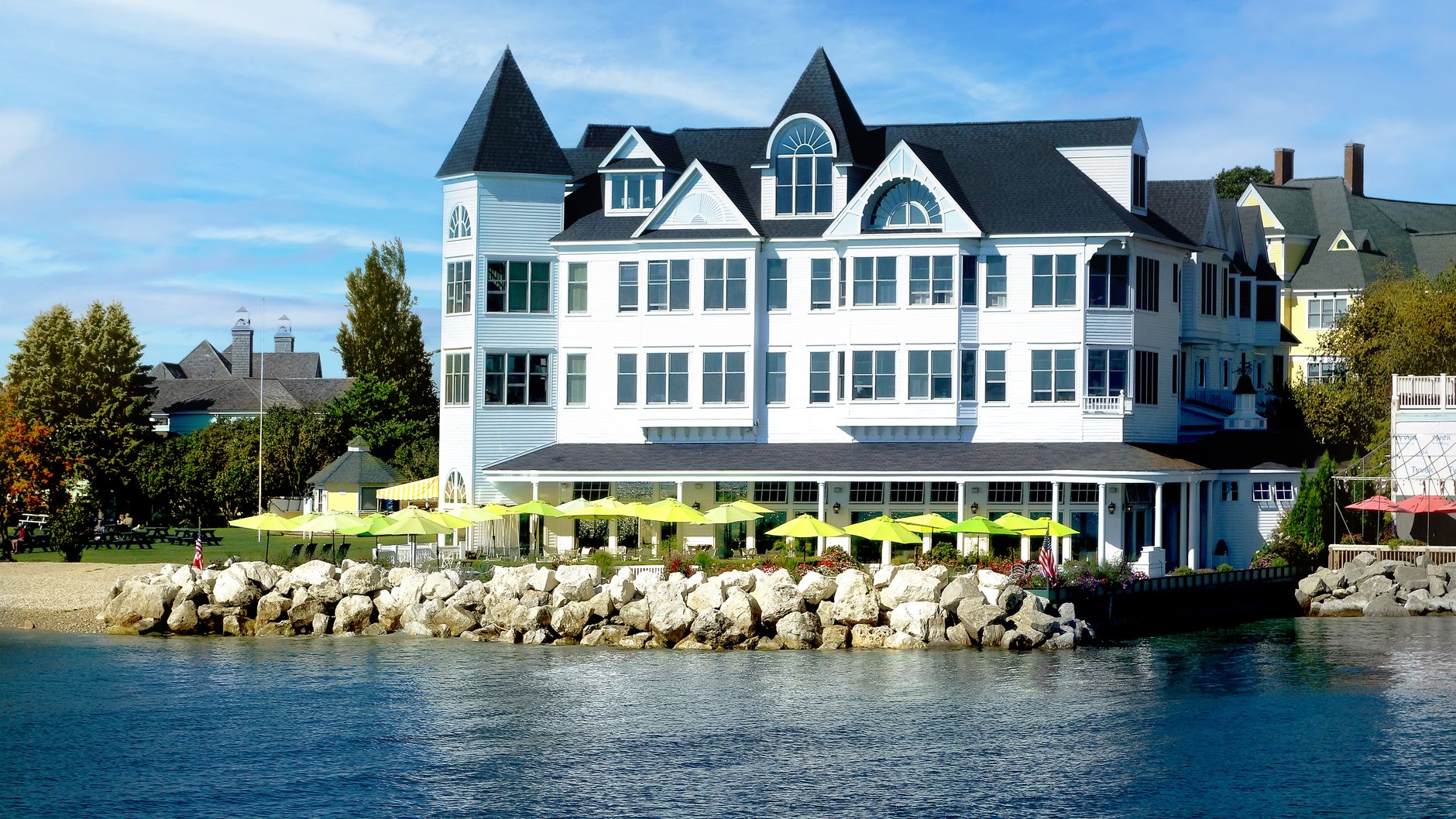
Mackinac Island, Michigan
United States
Car-free Victorian bluffs, freshwater coastlines, and horse-drawn transport

Baltimore, Maryland
United States
Industrial maritime roots, blue-collar grit, and distinct neighborhood enclaves.
Readymade itineraries
Start from a tested template — then make it yours.
Ready to book
Lock in your Taos, New Mexico trip
Everything in one place. We may earn a small commission — it never costs you more.
Plan a trip to Taos, New Mexico
Pick a length and we'll build a day-by-day plan around how you travel — neighborhoods clustered, budget-aware, and editable.
Get better at planning trips like this
Occasional notes on planning smarter — no spam, unsubscribe anytime.
Plan a trip to Taos, New Mexico
Turn this guide into a day-by-day plan built around your pace, your group, and your budget.
Build my Taos, New Mexico trip