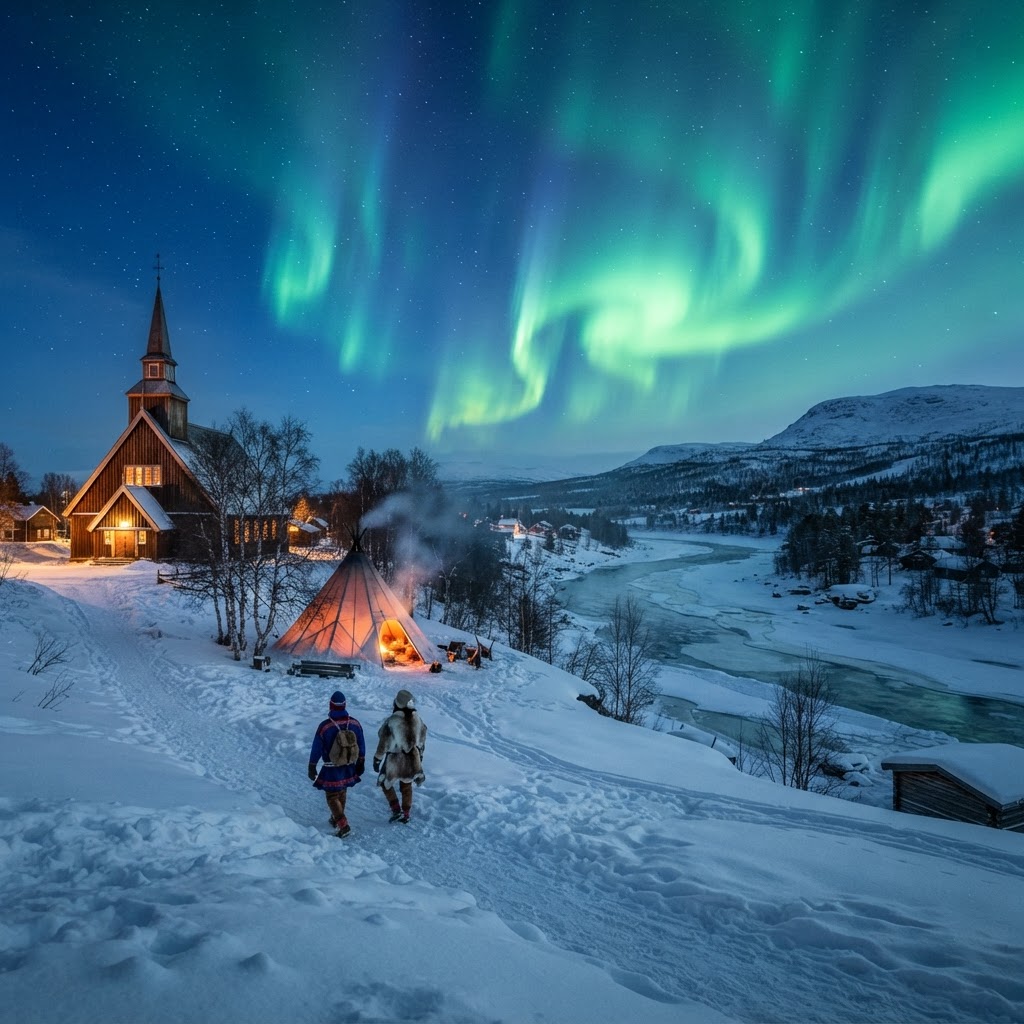
Sweden
Swedish Lapland, Sweden
Unfiltered Arctic wilderness, pristine aurora skies, and rooted Sámi heritage.
Plan & book
Sort your Swedish Lapland, Sweden trip in one place.
We point you to the booking tools we'd actually use — live prices, no markup. Or let us build the day-by-day plan around you first, then book.
Swedish Lapland stretches across the northern quarter of Sweden, an expanse of taiga forest, tundra, and Arctic mountains where nature operates entirely on its own terms. Unlike the commercial resort corridors elsewhere in the north, this region trades spectacle for authenticity: silence, local craftsmanship, Sámi cultural depth, and dark skies anchored by the Kiruna–Abisko corridor.
5 to 7 days
Best time
Late January through March for peak snowpack and reliable aurora viewing; September for fall foliage and dark skies without subzero freezes.
Build your own trip with these prebuilt itineraries
Each one is a tested, day-by-day plan for Swedish Lapland, Sweden — start here, then make it yours.
10-Day Lapland Winter Road Trip in Swedish Lapland
Self-drive coast-to-mountain traverse from Luleå through Jokkmokk to Kiruna and Abisko
7 Days of Nordic Design & Arctic Winter in Swedish Lapland
Iconic architectural lodges, Sámi cultural immersion, and frozen landscapes
5 Days of Aurora Hunting & Abisko Skies in Swedish Lapland
Aurora microclimates, dog sledding, and Arctic wilderness via rail
Go for genuine Arctic immersion without artificial resort veneer. The region offers some of the highest statistical probabilities of seeing the Northern Lights in Europe—particularly in Abisko thanks to its microclimatic rain-shadow—alongside iconic Scandinavian design milestones like the ICEHOTEL in Jukkasjärvi and Treehotel in Harads, all balanced by real, living Sámi cultural traditions.
Where to stay
Getting there
Getting around
Food & drink
What it costs
Things to do
Book tours & tickets in Swedish Lapland, SwedenSkip it if
Skip it if you require vibrant nightlife, high-energy shopping districts, reliable indoor balmy comfort, or quick budget weekend getaways with zero tolerance for sub-zero weather.
When to go
December and early January bring severe polar night and limited daytime light, while late winter (February–March) delivers solid snowpack, longer daylight for dog sledding, and clear, active aurora skies. Summer offers the Midnight Sun, while late spring brings an unusable, muddy thaw.
Peak (December to March)
Subzero temperatures (-15°C to -30°C) with prime snow conditions for mushing, snowmobiling, and dark night skies. Book iconic lodges 6–10 months ahead.
Shoulder (September to October)
Brilliant autumn ruska foliage and early aurora activity with milder weather, though summer activities are closed and snow sports haven't started.
Low (May to June)
The spring thaw ('vårvinter' runoff) leaves trails slushy and unhikeable, while many rural lodges and seasonal guided outfitters close.
Neighborhoods
Where you stay shapes the trip. Here's how to think about it.
Abisko & Björkliden
Rugged alpine wilderness framed by Lake Torneträsk, dominated by serious hikers and skywatchers.
Best for:Dedicated aurora chasers and winter backcountry hikers
Don't miss:Taking the chairlift to the Aurora Sky Station on Mount Nuolja for near-zero light pollution views.
Jukkasjärvi
Historic riverfront village where quiet Sámi heritage meets cutting-edge ephemeral ice art.
Best for:Design lovers, first-time Arctic visitors, and cultural travelers
Don't miss:Sampling souvas (smoked reindeer) inside a lávvu tent at Nutti Sámi Siida before sleeping at ICEHOTEL.
Kiruna Central
A surreal, rapidly relocating Arctic mining town shifting eastward to dodge underground fissures.
Best for:Transit hub stays, industrial heritage buffs, and logistics resets
Don't miss:The historic Kiruna Kyrka (church), scheduled to be moved intact in the town's massive relocation project.
Harads & Lule River Valley
Dense pine forests and silent river valleys home to boundary-pushing Nordic architectural retreats.
Best for:Couples, design enthusiasts, and restorative luxury getaways
Don't miss:A cold plunge into the frozen Lule River followed by a birch sauna cycle at Arctic Bath.
Jokkmokk
The quiet cultural heart of Swedish Sápmi, anchored by traditional artisan crafts and seasonal gatherings.
Best for:Indigenous culture seekers, folk art collectors, and off-the-beaten-path travelers
Don't miss:Browsing traditional horn and pewter duodji crafts at Ájtte Swedish Mountain and Sámi Museum.
Destination intelligence
Updated 9/14/2026The structured record we plan every Swedish Lapland, Sweden itinerary from.
Walkability
Low. Towns like Kiruna have compact centers, but attractions, lodges, and excursions are scattered across expansive Arctic nature.
Transit quality
Moderate. The SJ rail spine connects major hubs reliably, but rural lodges require rental cars, pre-booked resort transfers, or guided tour transport.
Car needed
Recommended. A 4x4 or AWD with studded tires gives essential autonomy outside train-accessible Kiruna and Abisko.
Ideal duration
5 to 7 days
Minimum useful
4 days
Peak season
December through March (peak winter activities, deep snow, and dark skies for aurora viewing).
Shoulder season
September to October (vibrant autumn ruska foliage and early aurora without extreme deep winter freezes).
Low season
May to June (spring thaw and mud season, as snow melts before summer hiking trails settle).
Best for
Common mistakes
- Treating the Northern Lights as a single-night checklist item rather than budgeting 3–4 dark nights for weather variation
- Renting a standard two-wheel-drive city vehicle without understanding winter snow-pack driving requirements
- Packing heavy city coats instead of technical moisture-wicking wool thermals and windproof Arctic outer shells
- Underestimating distances between hubs—Luleå, Harads, Kiruna, and Abisko are hours apart, not quick hops
Best nearby
How to plan it
- Anchor your Northern Lights chances by spending at least 3 consecutive nights in Abisko rather than town-hopping every night.
- Book ICEHOTEL for a split stay: spend one night in a cold art suite for the novelty, then transition to a heated warm chalet to actually sleep well.
- Do not try to drive between Kiruna and the Harads lodges in a blizzard; if a winter storm is forecast, take the regional train between Kiruna and Boden/Luleå instead.
- If traveling in early February, align your trip with the historic Jokkmokk Winter Market (running since 1605), but secure local lodging a year in advance.
- Pack thermal base layers and thin glove liners; while reputable excursion operators provide heavy Arctic outer suits and boots, your underlayers dictate whether you freeze.
Questions
More in Sweden
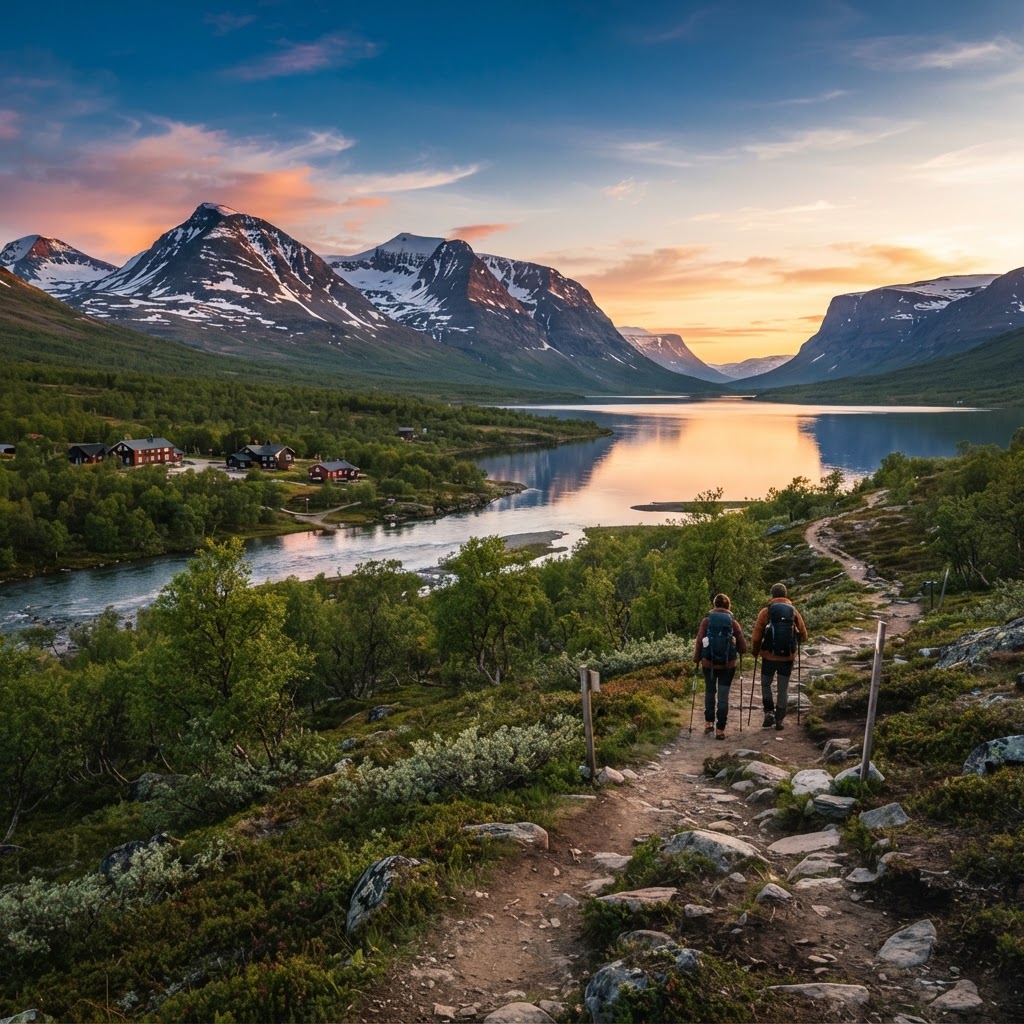
Abisko, Sweden
Sweden
The Arctic's clearest vantage point for raw alpine treks and unpolluted auroras.
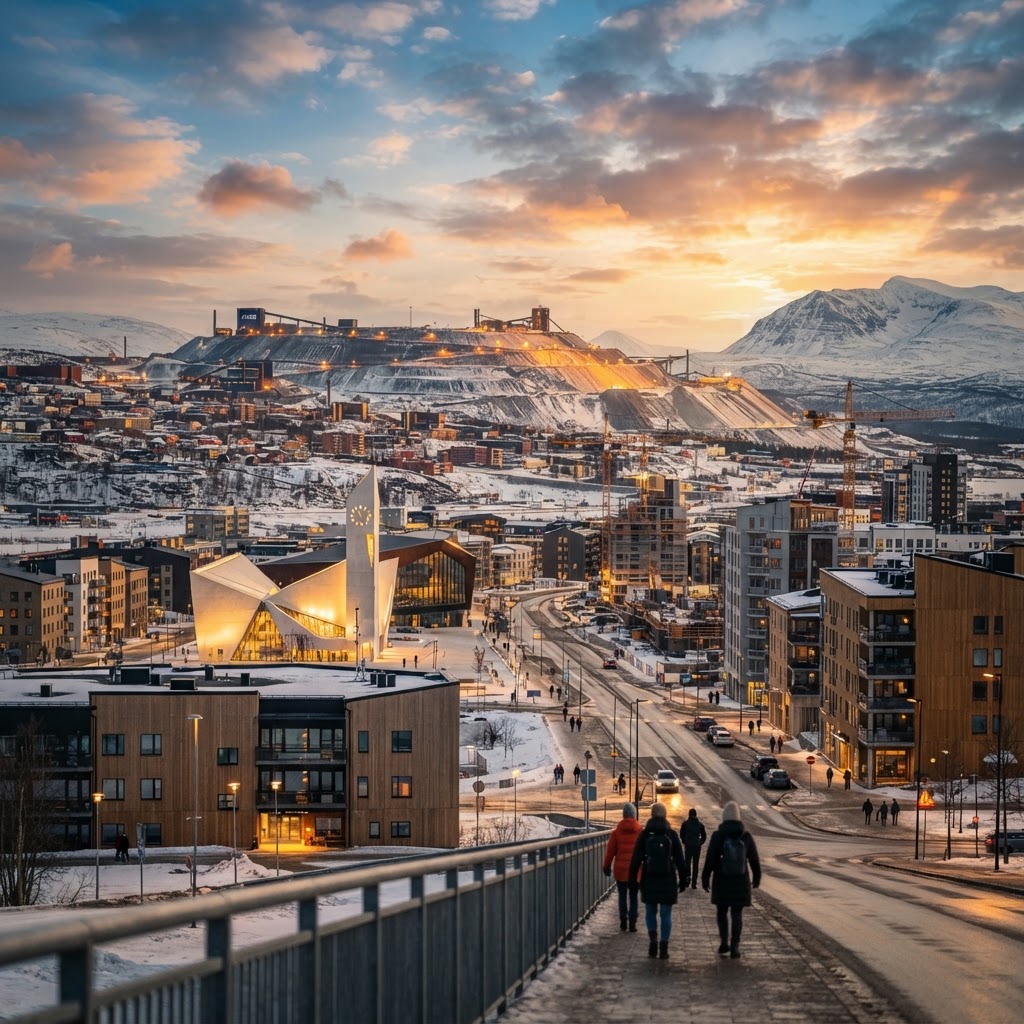
Kiruna, Sweden
Sweden
The Arctic mining city rebuilding its entire downtown while commanding Sweden's wild north.
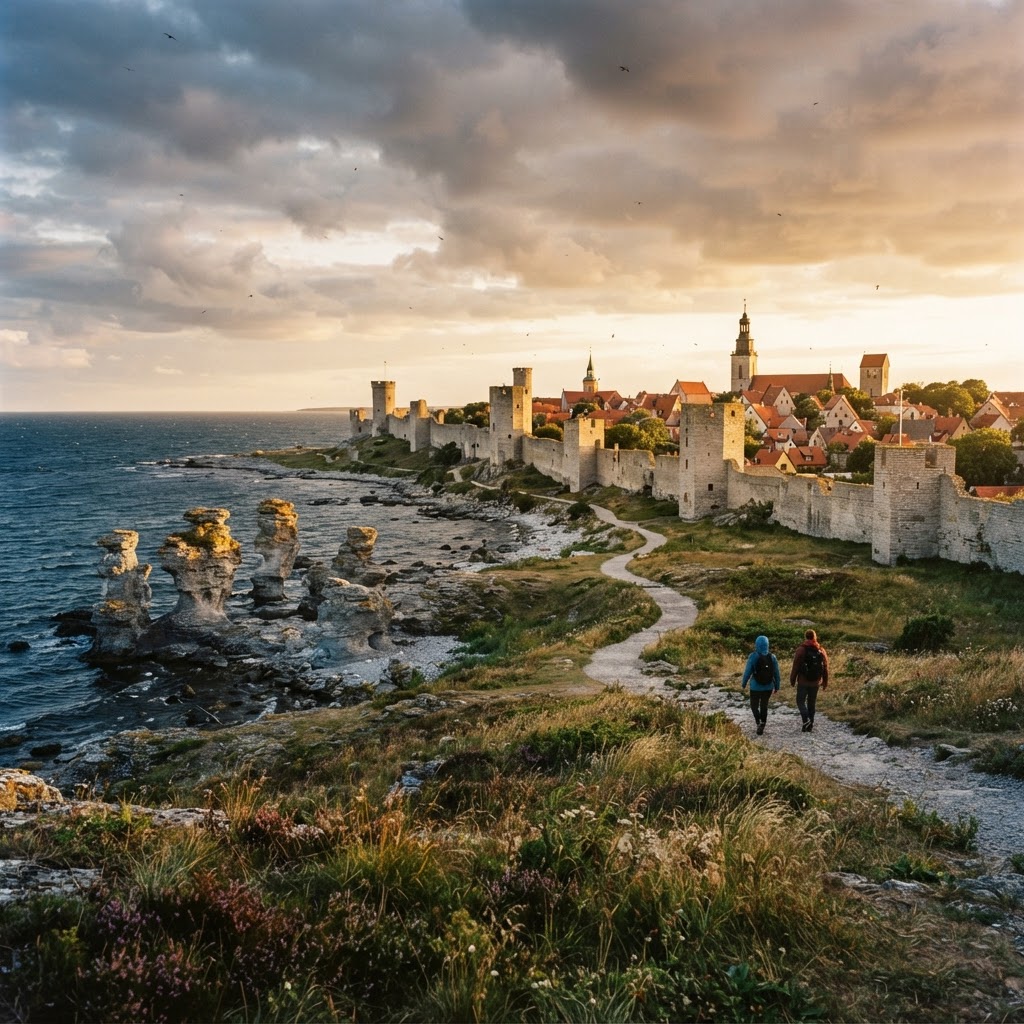
Gotland, Sweden
Sweden
A windswept Baltic outpost of Hanseatic stone walls, coastal sea stacks, and wild open light.
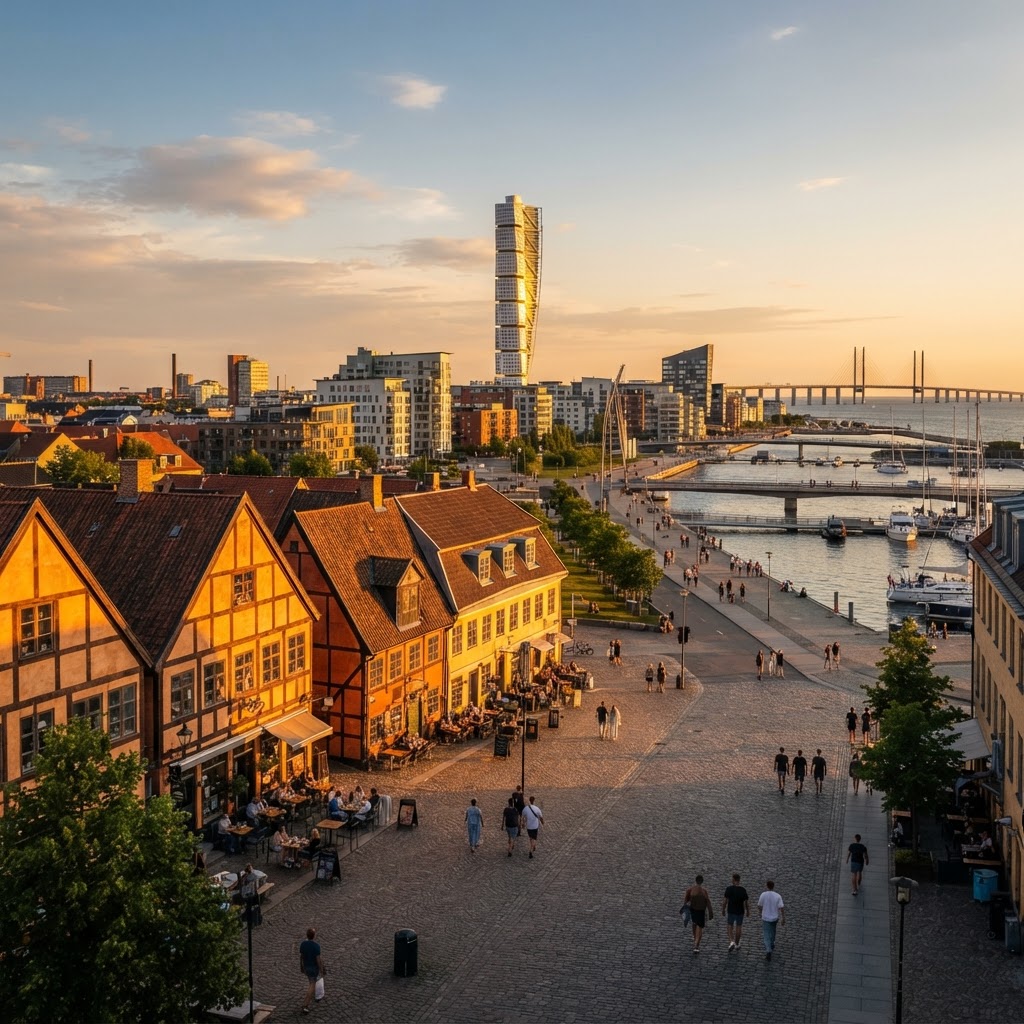
Malmö, Sweden
Sweden
A post-industrial design hub where historic timber squares meet the Öresund waterfront.
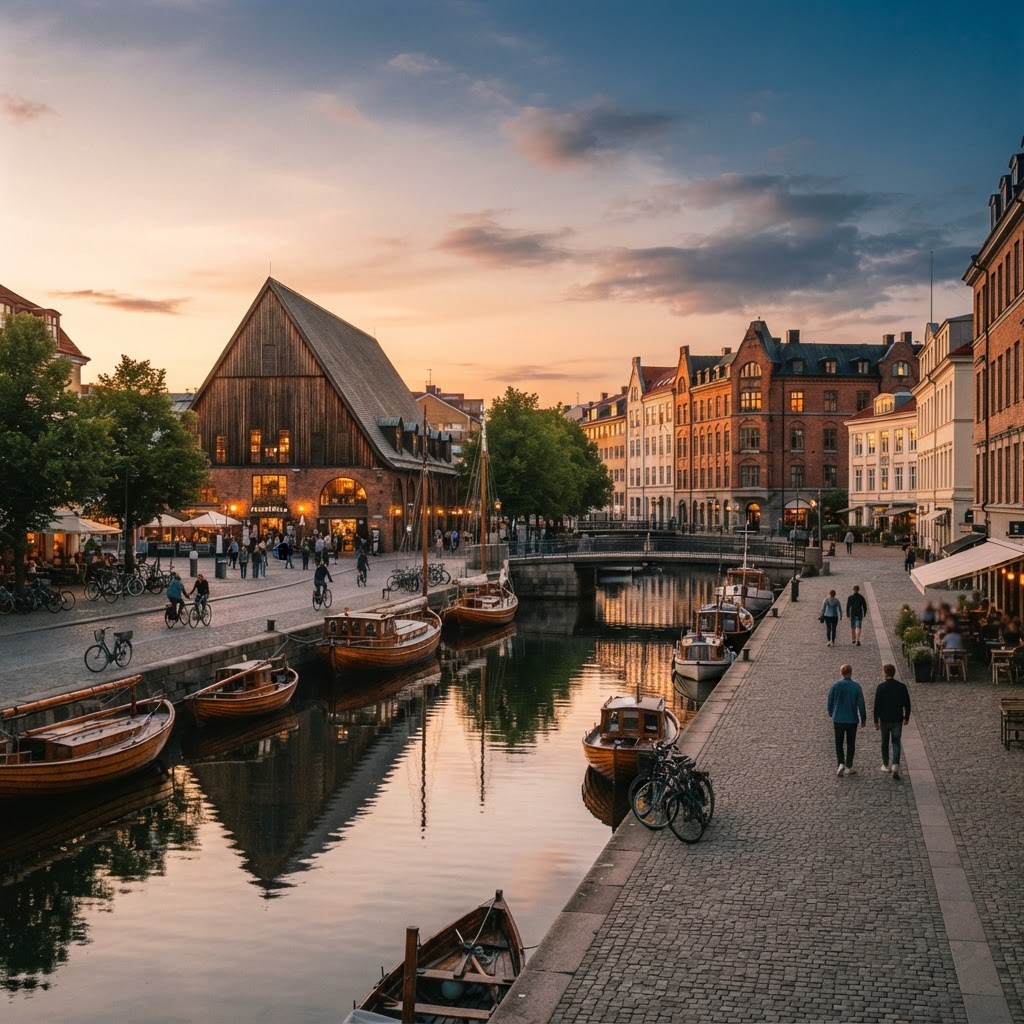
Gothenburg, Sweden
Sweden
Sweden’s laid-back maritime capital of exceptional seafood, artisanal fika, and island escapism.
Readymade itineraries
Start from a tested template — then make it yours.
Ready to book
Lock in your Swedish Lapland, Sweden trip
Everything in one place. We may earn a small commission — it never costs you more.
Plan a trip to Swedish Lapland, Sweden
Pick a length and we'll build a day-by-day plan around how you travel — neighborhoods clustered, budget-aware, and editable.
Get better at planning trips like this
Occasional notes on planning smarter — no spam, unsubscribe anytime.
Plan a trip to Swedish Lapland, Sweden
Turn this guide into a day-by-day plan built around your pace, your group, and your budget.
Build my Swedish Lapland, Sweden trip