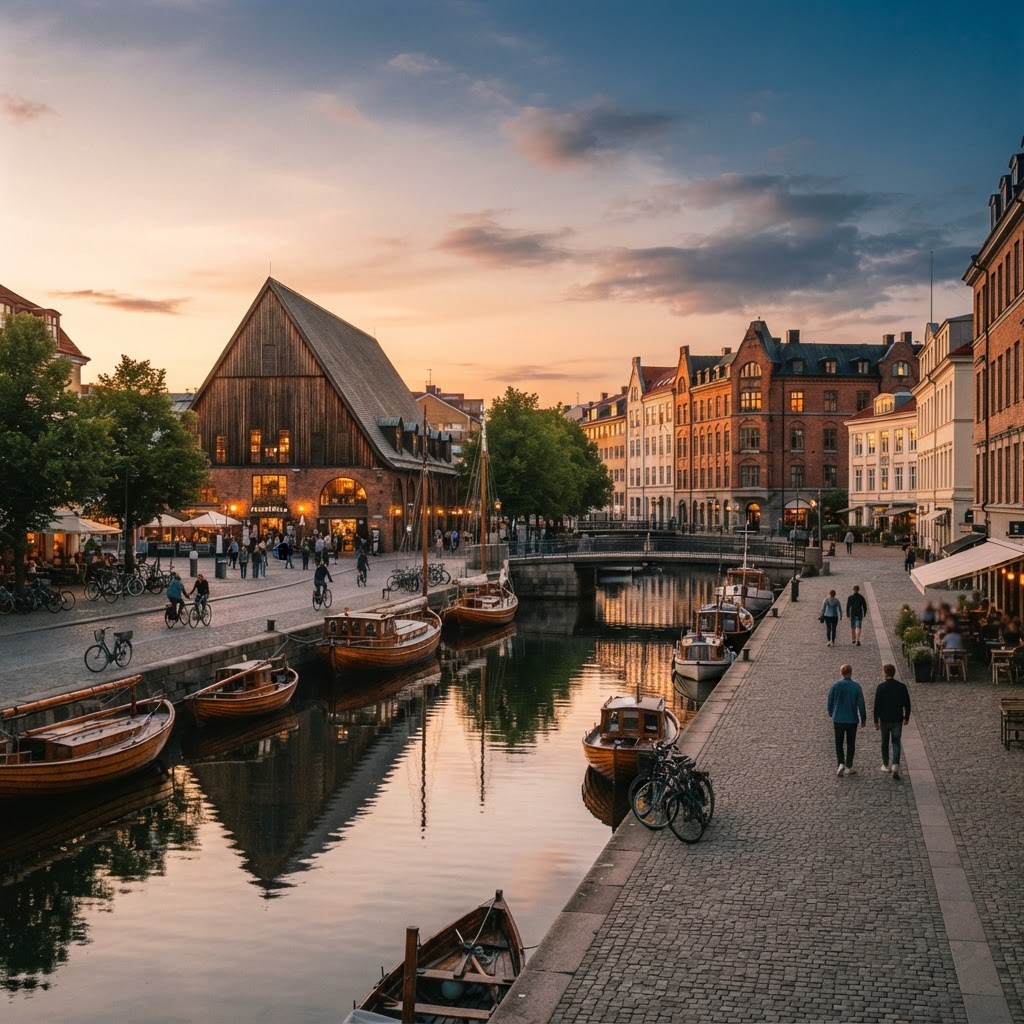
Sweden
Gothenburg, Sweden
Sweden’s laid-back maritime capital of exceptional seafood, artisanal fika, and island escapism.
Plan & book
Sort your Gothenburg, Sweden trip in one place.
We point you to the booking tools we'd actually use — live prices, no markup. Or let us build the day-by-day plan around you first, then book.
Sweden’s second city trades Stockholm’s stately royal grandeur for an unpretentious maritime pulse, world-class cold-water seafood, and a tight-knit design scene. Built around 17th-century canals and facing an expansive, car-free granite archipelago, Gothenburg delivers top-tier culinary dining, historic wooden districts, and thriving café culture without metropolitan pretense or crushing crowds.
3 days
Best time
June through August for the full coastal archipelago experience and outdoor living.
Build your own trip with these prebuilt itineraries
Each one is a tested, day-by-day plan for Gothenburg, Sweden — start here, then make it yours.
5 Days in Gothenburg: Coastal Nature & Family Adventures in Gothenburg
A relaxed pace with museum discoveries, Slottsskogen green spaces, Liseberg, and deep day trips across Bohuslän islands
3 Days in Gothenburg: Classic Highlights & Archipelago in Gothenburg
First-time balance of vibrant historic neighborhoods, specialty coffee, and car-free southern island hopping via public transit
2 Days in Gothenburg: Seafood & Fika Trail in Gothenburg
A weekend dedicated to progressive West Coast dining, curated seafood halls, third-wave bakeries, and craft beer
Gothenburg is Scandinavia at its most approachable and culinary-forward. Its proximity to cold North Sea waters makes it the shellfish capital of Sweden, while its walkable design core around Magasinsgatan pairs world-standard micro-roasters with boundary-pushing independent boutiques. Add a seamless tram ride that connects straight to passenger ferries across granite islands, and it offers an effortlessly balanced urban-to-coastal Swedish itinerary.
Where to stay
Getting there
Getting around
Food & drink
What it costs
Things to do
Book tours & tickets in Gothenburg, SwedenSkip it if
Travelers expecting royal palaces, grand Baroque vistas, or frantic around-the-clock nightlife should opt for Stockholm or Copenhagen instead. If you dislike brisk coastal maritime winds, overcast skies, or quiet Sunday trading hours, Gothenburg will feel too sleepy.
When to go
Summer brings nearly 18 hours of daylight, regular archipelago ferries, and warm patio dining, balanced against peak hotel rates. Visiting in late autumn or early spring drops prices considerably, but blustery coastal winds and reduced ferry runs curtail island excursions.
Peak (Mid-June–August)
Endless daylight and buzzing outdoor terraces; highest hotel prices and island ferries can get crowded on warm weekends.
Shoulder (May–early June, September)
Mild walking weather, fewer crowds, and lower room rates, though ferry timetables run on leaner seasonal frequencies.
Low (October–April)
Cold maritime rains, brisk winds, and short daylight, rescued during December by Liseberg's winter lights and cozy candlelit fika culture.
Neighborhoods
Where you stay shapes the trip. Here's how to think about it.
Haga
Cobblestone 19th-century timber quarter with antique shops and slow-paced street life.
Best for:Strollers, vintage hunters, and classic fika seekers.
Don't miss:Giant cinnamon buns (*enorm kanelbulle*) along the pedestrian thoroughfare of Haga Nygata.
Inom Vallgraven
Canal-ringed retail core packed with independent Swedish fashion and sleek interior design.
Best for:First-timers, architecture buffs, and design shopping.
Don't miss:Magasinsgatan's courtyard food trucks, Da Matteo coffee roastery, and local fashion flagship stores.
Linnéstaden & Långgatorna
Grand stone boulevards flanked by unpretentious dive bars, microbreweries, and natural wine bistros.
Best for:Evening dining, craft beer enthusiasts, and night owls.
Don't miss:Bar hopping along Andra Långgatan before grabbing dinner on Linnégatan.
Majorna
Laid-back, creative enclave lined with traditional landshövdingehus timber buildings and record shops.
Best for:Independent culture lovers, thrifters, and returning visitors.
Don't miss:Röda Sten Konsthall under the Älvsborg Bridge, followed by casual pints along Mariaplan.
Lorensberg & Avenyn
Stately 19th-century civic district housing premier performing arts, grand hotels, and museums.
Best for:Art lovers, theatergoers, and travelers prioritizing convenience to major venues.
Don't miss:Gothenburg Museum of Art and the iconic Poseidon statue at Götaplatsen.
Destination intelligence
Updated 9/14/2026The structured record we plan every Gothenburg, Sweden itinerary from.
Walkability
High. The inner canal district, Haga, Linnéstaden, and Majorna are flat and pedestrian-friendly, with dedicated bike paths and tram tracks flanking every major corridor.
Transit quality
Exceptional. Västtrafik's integrated tram, bus, and ferry lines are punctual, comprehensive, clean, and easily paid for using the 'Västtrafik To Go' app.
Car needed
Not required. A car is an active disadvantage within the city and useless on the pedestrian-only Southern Archipelago islands. Only consider one if driving deeper into rural Bohuslän.
Ideal duration
3 days
Minimum useful
2 days
Peak season
Mid-June through August: Long daylight hours, warm outdoor dining, active swimming spots, and open archipelago ferries, accompanied by higher hotel rates.
Shoulder season
May to early June and September: Crisp coastal air, fewer crowds, open seasonal businesses, and comfortable walking temperatures, though daylight shrinks quickly by late autumn.
Low season
November through March: Cold, blustery maritime rains, minimal daylight hours, and reduced coastal ferry timetables, partially offset by Liseberg's winter lights and Christmas markets in December.
Best for
Common mistakes
- Renting a car for a city visit; municipal trams, bikes, and archipelago ferries make private vehicles a slow, expensive liability
- Buying separate tourist boat excursions to see the islands instead of using the standard municipal ferries from Saltholmen included on a Västtrafik Zone A transit pass
- Assuming Feskekörka is a rough-and-ready working fisherman's wet market; it has evolved into a curated restaurant, bar, and tasting hall destination
- Focusing entirely on the giant plate-sized cinnamon buns in Haga at the expense of superior artisanal sourdough cardamom buns at third-wave bakeries like Da Matteo
- Skipping the southern archipelago because you only have a weekend; islands like Vrångö can be explored in a half-day trip using tram 11 and a 30-minute ferry
Best nearby
How to plan it
- Dedicate one entire morning to the car-free island of Vrångö or Styrsö rather than trying to hop across three islands in half a day.
- Stay in Inom Vallgraven or Linnéstaden to walk everywhere and avoid transit dependence for evening dining.
- Download the 'Västtrafik To Go' app before landing to seamlessly pay for airport buses, trams, and island ferries.
- Pair Gothenburg with a drive up the rugged Bohuslän coast if staying longer than four days, but ditch the car while in the city.
- Save indoor spots like Universeum or the Gothenburg Museum of Art for windy, rain-prone coastal afternoons.
Questions
More in Sweden
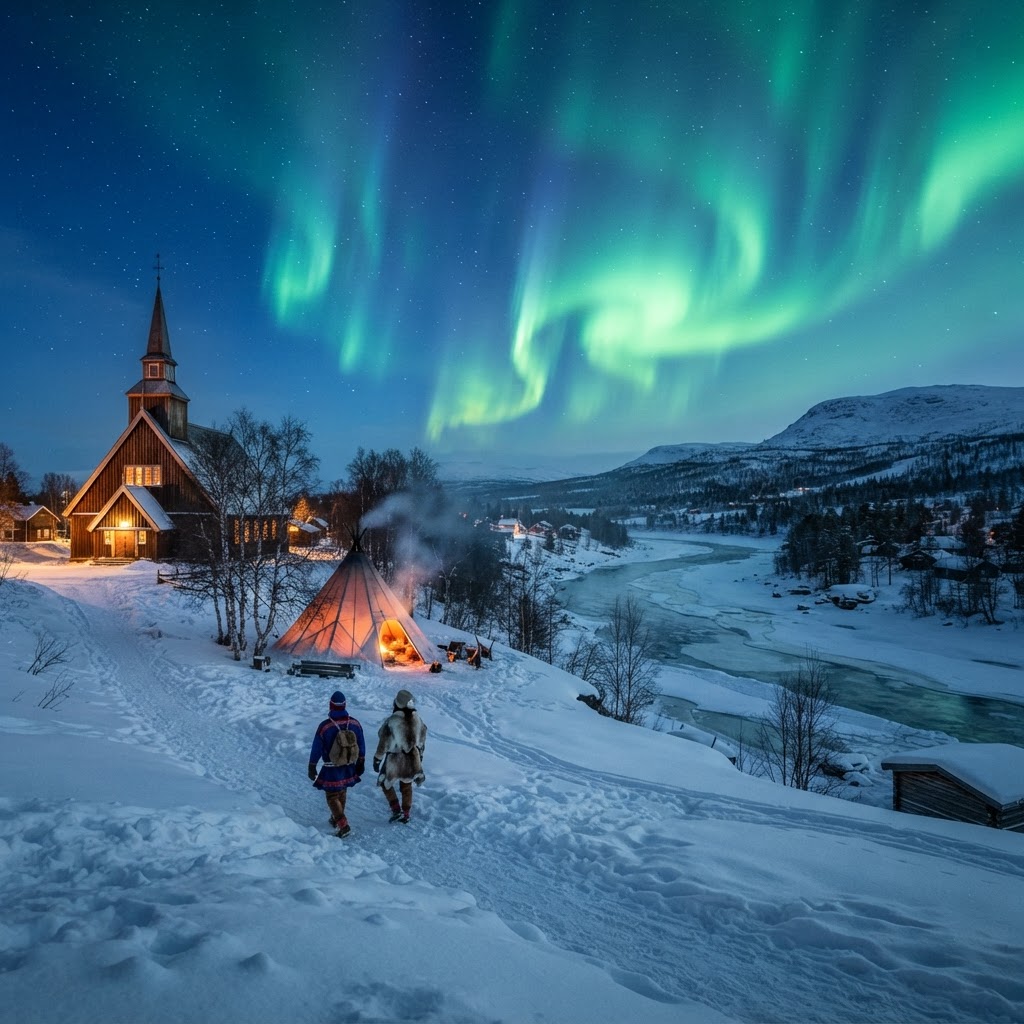
Swedish Lapland, Sweden
Sweden
Unfiltered Arctic wilderness, pristine aurora skies, and rooted Sámi heritage.

Abisko, Sweden
Sweden
The Arctic's clearest vantage point for raw alpine treks and unpolluted auroras.

Kiruna, Sweden
Sweden
The Arctic mining city rebuilding its entire downtown while commanding Sweden's wild north.
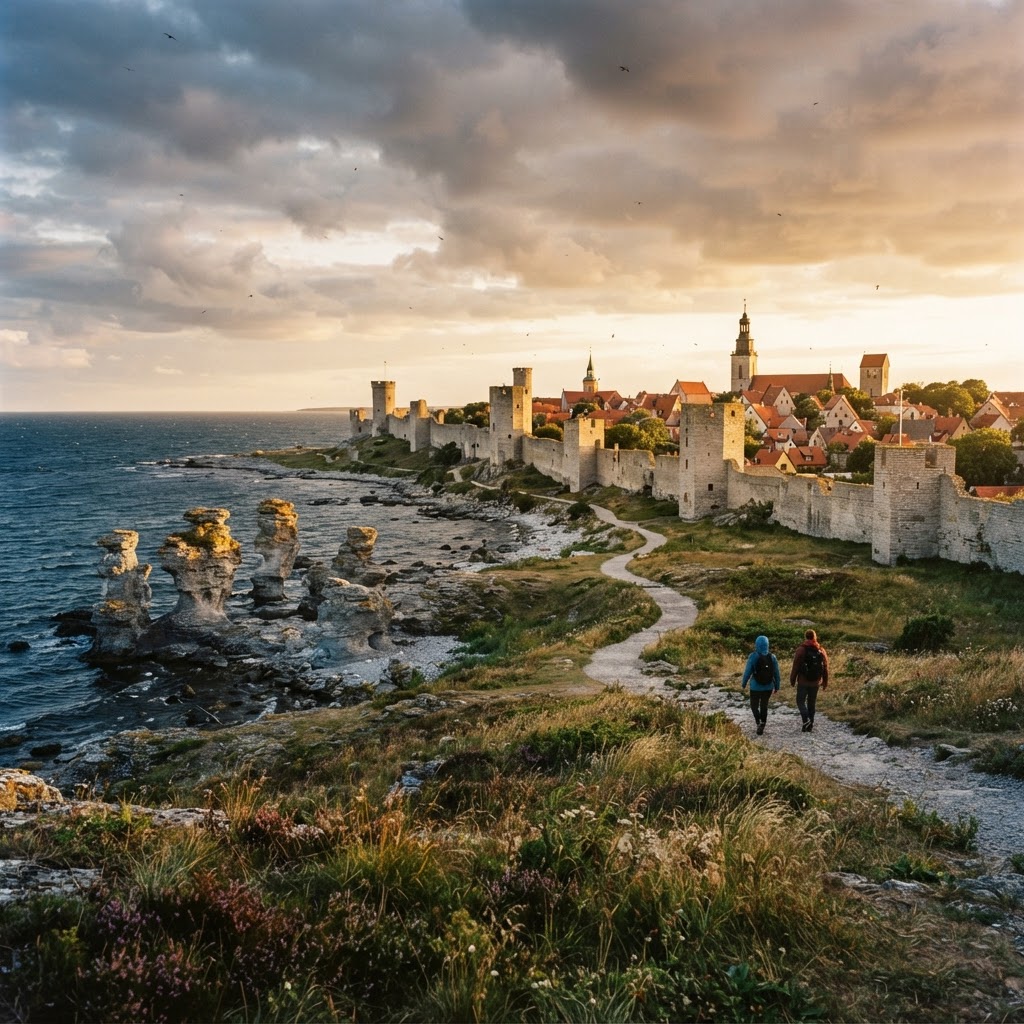
Gotland, Sweden
Sweden
A windswept Baltic outpost of Hanseatic stone walls, coastal sea stacks, and wild open light.
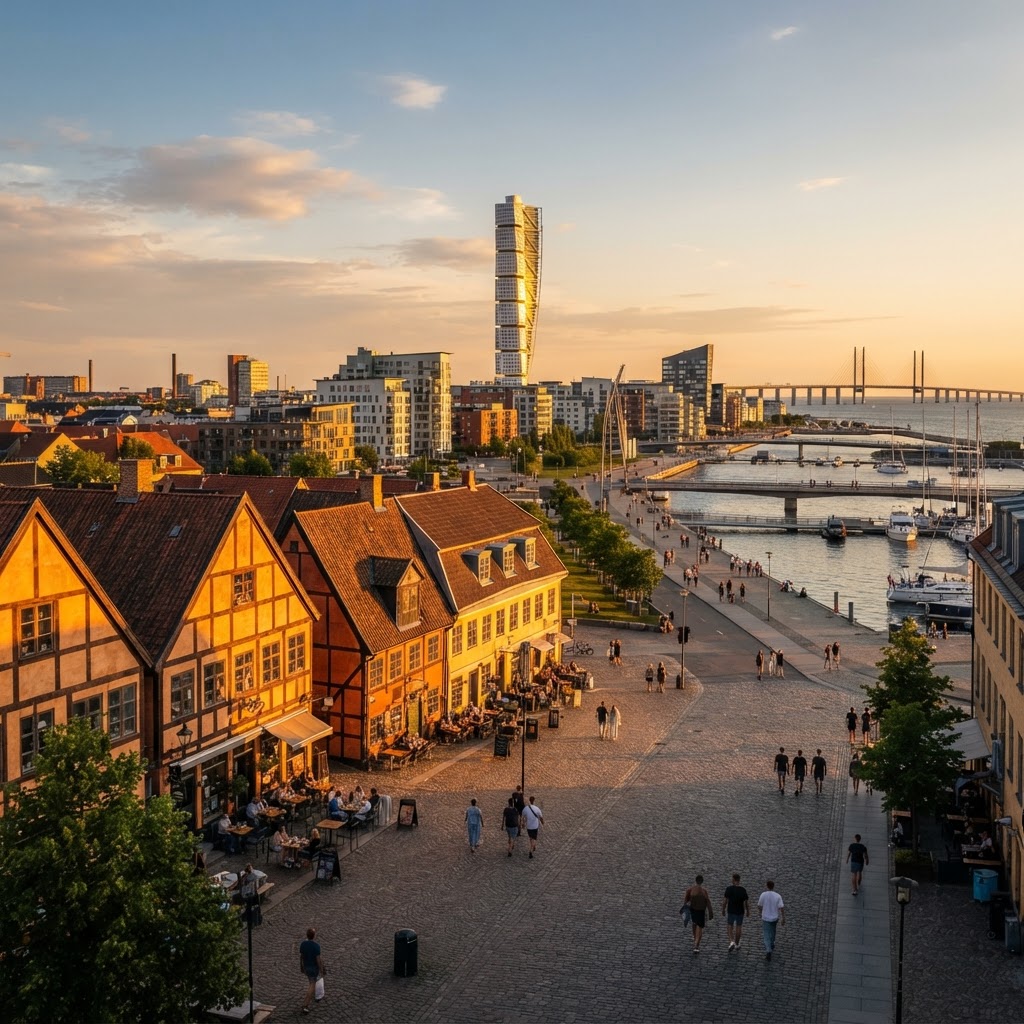
Malmö, Sweden
Sweden
A post-industrial design hub where historic timber squares meet the Öresund waterfront.
Readymade itineraries
Start from a tested template — then make it yours.
Ready to book
Lock in your Gothenburg, Sweden trip
Everything in one place. We may earn a small commission — it never costs you more.
Plan a trip to Gothenburg, Sweden
Pick a length and we'll build a day-by-day plan around how you travel — neighborhoods clustered, budget-aware, and editable.
Get better at planning trips like this
Occasional notes on planning smarter — no spam, unsubscribe anytime.
Plan a trip to Gothenburg, Sweden
Turn this guide into a day-by-day plan built around your pace, your group, and your budget.
Build my Gothenburg, Sweden trip