
United States
St. Augustine, Florida
America's oldest continuously occupied European settlement, wrapped in Spanish coquina, Gilded Age architecture, and barrier island marshes.
Plan & book
Sort your St. Augustine, Florida trip in one place.
We point you to the booking tools we'd actually use — live prices, no markup. Or let us build the day-by-day plan around you first, then book.
Founded in 1565 by Spanish admiral Pedro Menéndez de Avilés, St. Augustine predates Jamestown and Plymouth by decades. Its identity is anchored by the 17th-century Castillo de San Marcos, Spanish colonial side alleys, Gilded Age opulence spurred by Henry Flagler's Florida East Coast Railway, and coastal salt marshes across the Bridge of Lions. The compact historic core rewards slow walking, Minorcan clam chowder tastings, and architectural exploration away from the tourist kitsch.
3 days
Best time
Mid-October through November, and mid-March through April.
Build your own trip with these prebuilt itineraries
Each one is a tested, day-by-day plan for St. Augustine, Florida — start here, then make it yours.
4 Days in St. Augustine: Culture, Heritage & Coastal Byways in St. Augustine
Deep dive into Civil Rights history, hidden coastal preserves, and regional lighthouse exploration by car
3 Days in St. Augustine: History & Coastal Escape in St. Augustine
Balanced classic route combining Castillo de San Marcos with Anastasia Island beaches and state park nature
2 Days in St. Augustine: Walkable Historic Downtown in St. Augustine
Car-free weekend exploring Spanish colonial architecture, Gilded Age landmarks, and Lincolnville heritage
St. Augustine delivers a layered historic texture that exists nowhere else in the continental United States. Within an easily walkable mile, you move from a 1672 Spanish coquina fortress overlooking Matanzas Bay to Henry Flagler's grand Spanish Renaissance Revival Ponce de Leon Hotel (now Flagler College) and the historic Victorian and shotgun homes of Lincolnville. It pairs legitimate colonial and Civil Rights history with Atlantic barrier island nature at Anastasia State Park, avoiding the sterile master-planned atmosphere typical of much of central and south Florida.
Where to stay
Getting there
Getting around
Food & drink
What it costs
Things to do
Book tours & tickets in St. Augustine, FloridaSkip it if
Skip St. Augustine if your Florida trip requires modern high-rise beach resorts, high-energy mega-clubs, or extensive public subway/light-rail transit. Travelers seeking flat-out tropical warm waters in midwinter will also be disappointed, as northeast Florida coastal winter temperatures frequently dip into the 40s and 50s Fahrenheit.
When to go
Spring and mid-autumn offer daytime temperatures in the mid-70s with minimal rainfall and manageable pedestrian foot traffic. You avoid the suffocating summer humidity and the massive vehicle gridlock of peak holiday festival weekends.
Peak (Mid-Nov to Jan & Mar to May)
Nights of Lights draws gridlocked crowds and doubled hotel rates in winter; spring brings mild coastal breezes, garden blooms, and heavy festival weekends.
Shoulder (Oct to early Nov & late Feb to early Mar)
Crisp evenings, lower humidity, and empty sidewalk cafes make walking Historic Downtown effortless, though autumn still carries late-season hurricane watch considerations.
Low (Jun to Aug & late Jan)
Summer temperatures top 90°F with stifling humidity and reliable 3:00 PM thunderstorms; beach stays are fine, but walking the coquina battlements downtown will wipe you out by noon.
Neighborhoods
Where you stay shapes the trip. Here's how to think about it.
Historic Downtown
Cobblestone pedestrian alleys, 17th-century coquina masonry, and Gilded Age Spanish Renaissance architecture.
Best for:First-timers, architecture buffs, and car-free weekenders
Don't miss:Wandering the quiet residential stretch of Aviles Street in the early morning before the commercial bustle takes over.
Lincolnville
Historic, residential, and quietly dignified, with preserved Victorian-era cottages and pivotal Civil Rights heritage.
Best for:History travelers, slow walkers, and diners seeking neighborhood spots away from the St. George Street crush
Don't miss:The Lincolnville Museum and Cultural Center, followed by coffee or breakfast along MLK Avenue.
Uptown
Antique shops, oak-shaded residential streets, and a relaxed, slightly retro village feel north of the City Gate.
Best for:Antique hunters, curious shoppers, and travelers wanting historic charm without dense crowds
Don't miss:Strolling San Marco Avenue for salvage, antiques, and casual courtyard dining.
Anastasia Island / St. Augustine Beach
Laid-back maritime scrub, wind-swept sand dunes, coastal oyster shacks, and active surf culture.
Best for:Beach lovers, kayakers, campers, and travelers traveling with a car
Don't miss:The protected dunes and Salt Run estuary inside Anastasia State Park, plus climbing the 219 steps of the St. Augustine Lighthouse.
Vilano Beach
Unfussy, retro Old Florida coastal community framed between the Tolomato River and the Atlantic Ocean.
Best for:Waterfront sunset chasers, fishing enthusiasts, and travelers looking for a quieter coastal base
Don't miss:Sunset drinks overlooking the Matanzas River basin from the Vilano Pier.
Destination intelligence
Updated 9/14/2026The structured record we plan every St. Augustine, Florida itinerary from.
Walkability
High in Historic Downtown and Lincolnville; low for beaches and regional barrier island sites without a car or rideshare.
Transit quality
Limited. There is no rail transit; local municipal bus transit is minimal, though commercial sightseeing trollies serve major historic clusters.
Car needed
Optional for a historic-only downtown weekend, but recommended if visiting Anastasia State Park, the beaches, or outlying nature preserves.
Ideal duration
3 days
Minimum useful
2 days
Peak season
March through May (mild coastal spring weather, festival season) and mid-November through January (the massive Nights of Lights festival draws heavy crowds).
Shoulder season
October to early November and late February to early March (pleasant temperatures, lower humidity, manageable crowds).
Low season
June through August (intense summer heat, humidity, daily afternoon rain) and January outside of festival weekends.
Best for
Common mistakes
- Spending all your time on tourist-heavy St. George Street and missing the quieter, historically rich residential avenues of South City and Lincolnville.
- Driving a car into the historic center for short trips rather than parking once and walking; downtown parking garages fill up quickly on weekends.
- Visiting in July or August expecting breezy beach weather, only to be overwhelmed by intense humidity, mid-afternoon thunderstorms, and high heat indices.
- Visiting the Castillo de San Marcos during peak afternoon hours without reserving timed-entry passes ahead of time, leading to long ticket lines in direct sun.
Best nearby
How to plan it
- Stay in Lincolnville or Historic Downtown if your goal is an entirely on-foot trip with wine bars and early breakfast within a 5-minute walk.
- Pair your downtown colonial exploration with an afternoon at Anastasia State Park rather than driving down to crowded Daytona or Orlando resort strips.
- Do not try to visit the Castillo de San Marcos midday on a Saturday without a pre-purchased entry ticket, as ticket lines bake under direct sun on open coquina.
- Cross the Bridge of Lions outside of peak rush hours and bridge opening schedules (typically on the hour and half-hour for marine traffic) to avoid 20-minute vehicle standstills.
- Reserve Flagler College's student-led architectural tour two weeks ahead if you want to see the Louis Comfort Tiffany stained glass inside the former Ponce de Leon Hotel.
Questions
More in United States
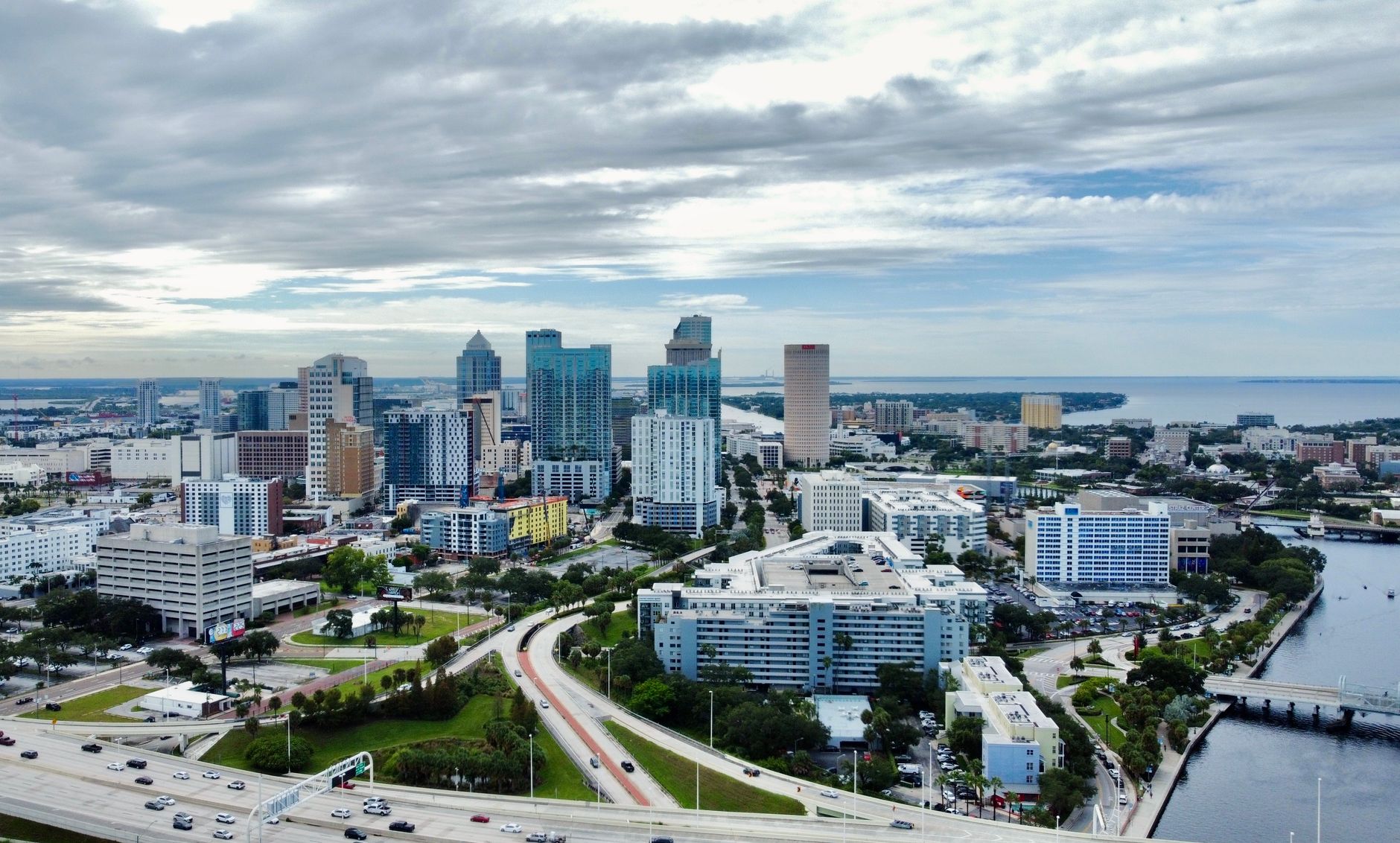
Tampa, Florida
United States
A historic cigar-making heritage wrapped in polished waterfront revivals and Gulf Coast culinary ambition.
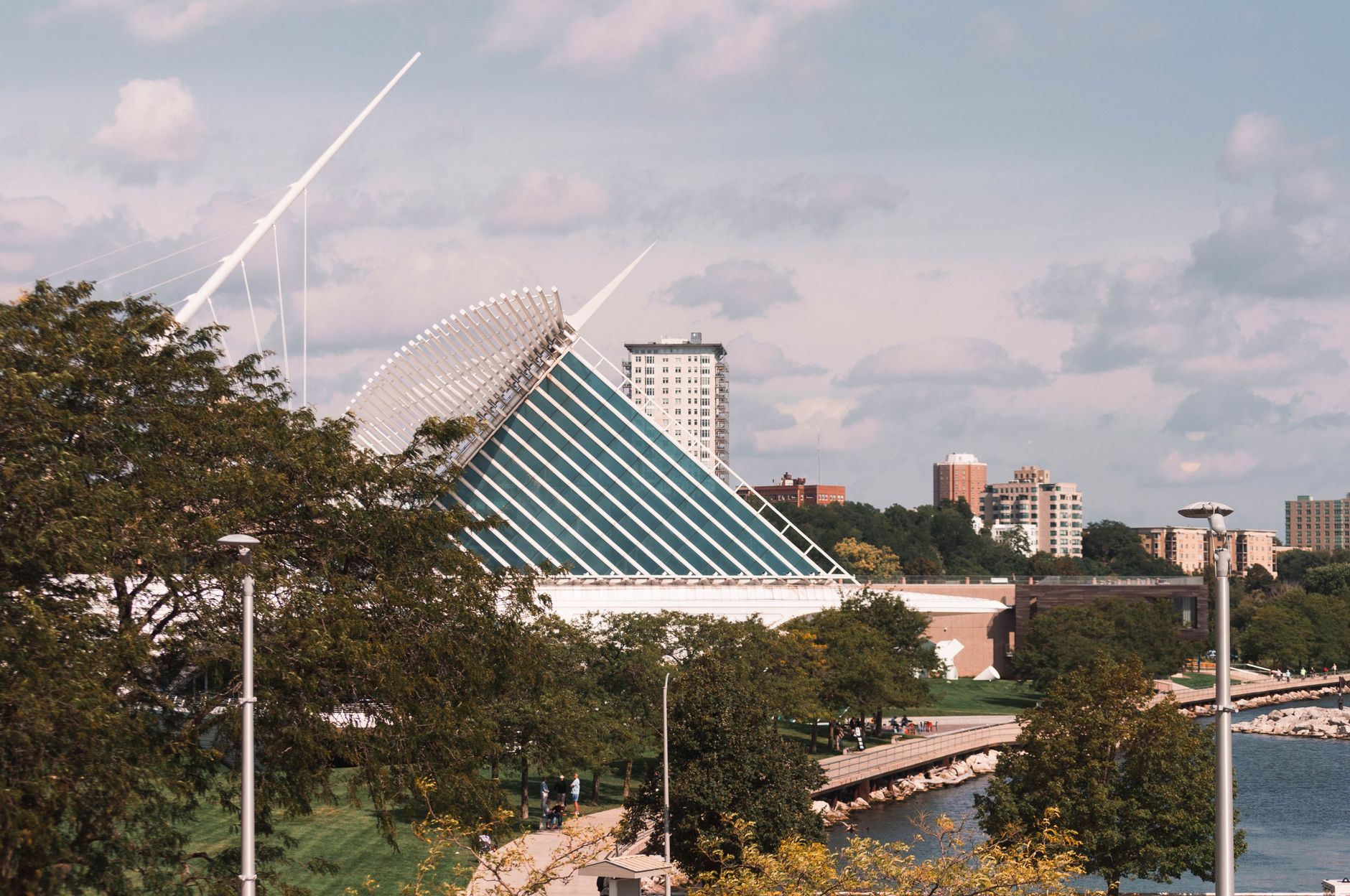
Milwaukee, Wisconsin
United States
Industrial lakeside cool anchored by serious culinary chops and effortless urban grit.
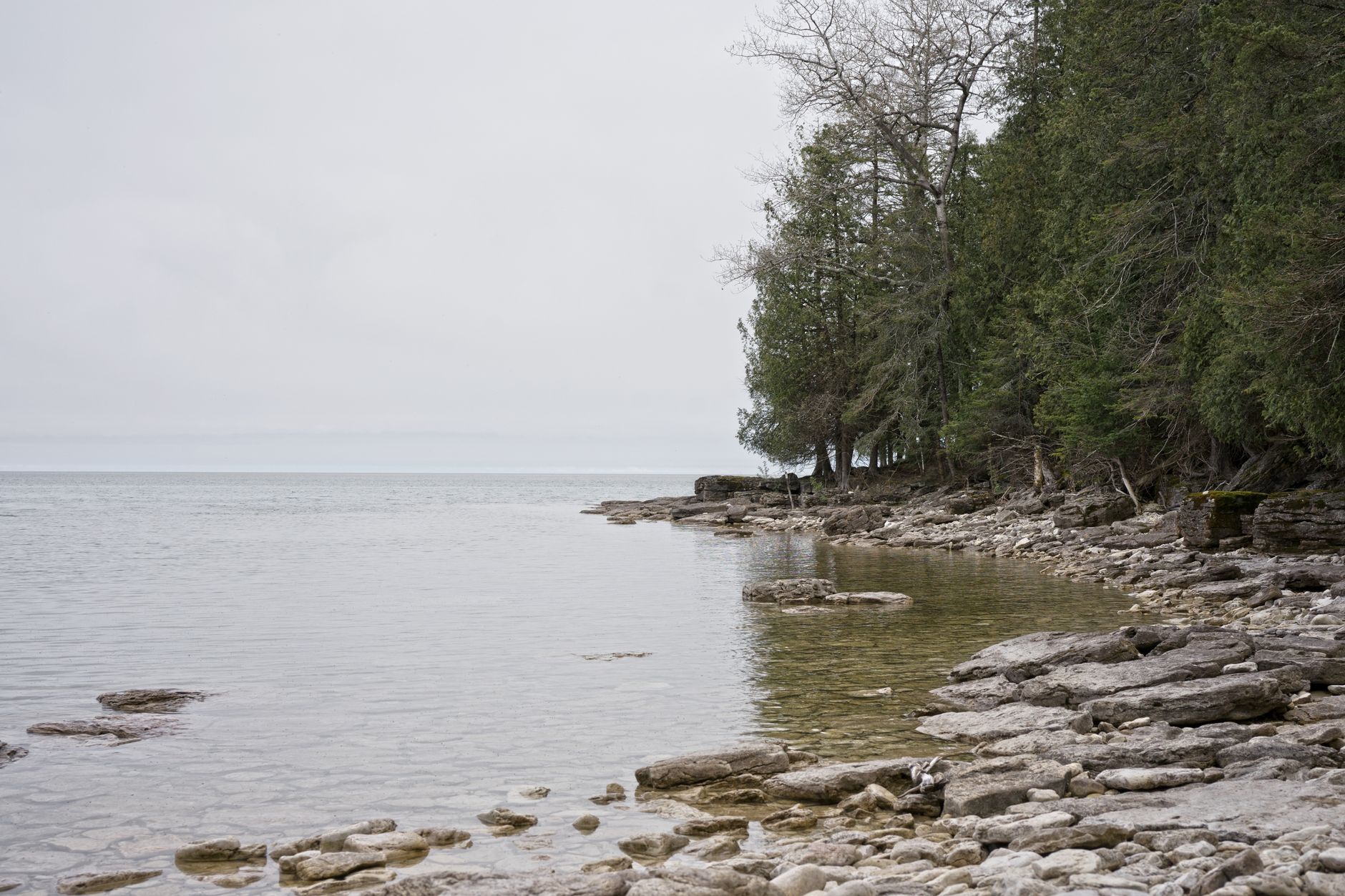
Door County, Wisconsin
United States
Limestone bluffs, heritage cherry orchards, and lakefront villages on Lake Michigan.

Traverse City, Michigan
United States
Freshwater bays, cool-climate vineyards, and windswept dunes anchored by a farm-driven culinary hub.
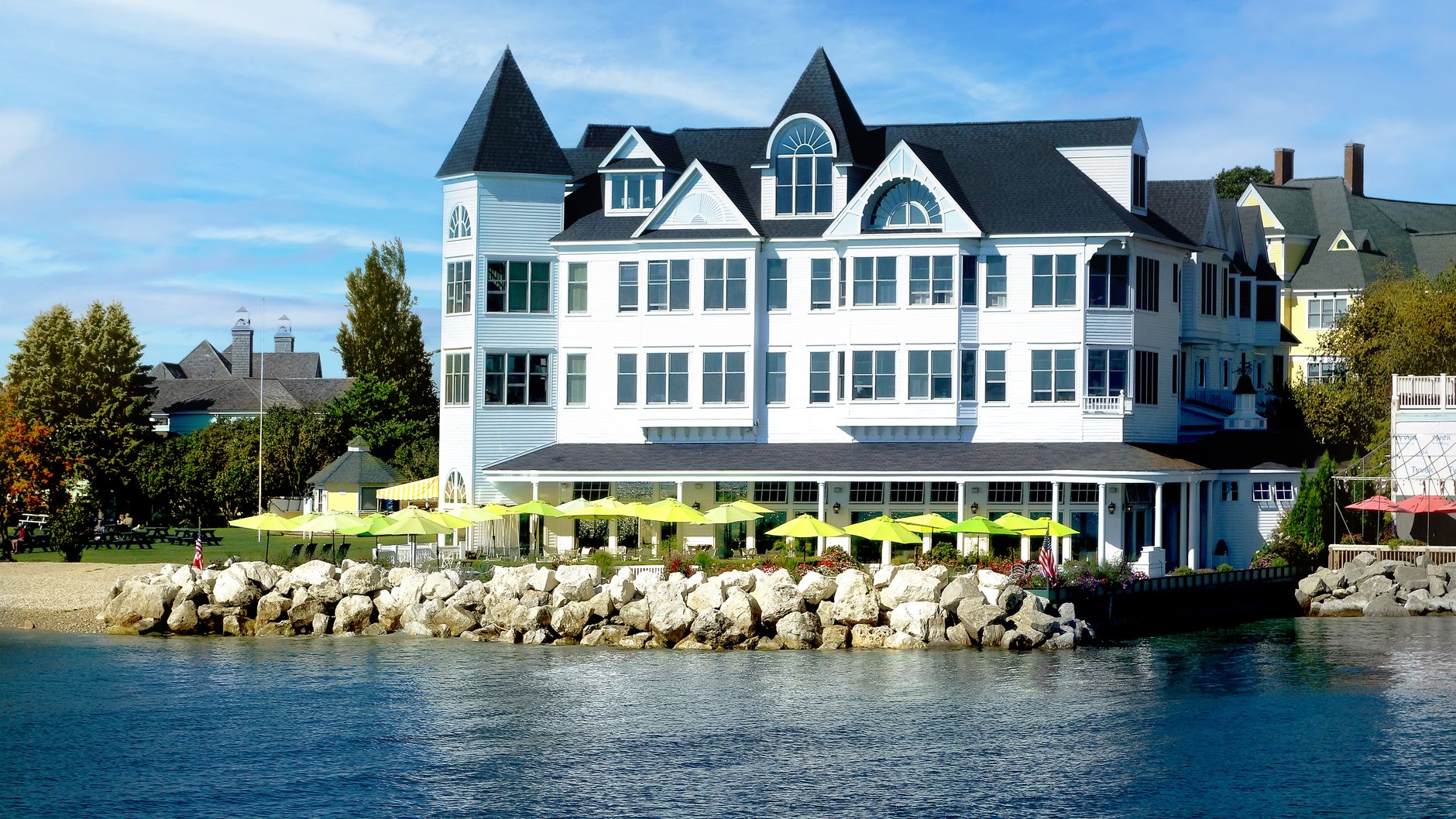
Mackinac Island, Michigan
United States
Car-free Victorian bluffs, freshwater coastlines, and horse-drawn transport

Baltimore, Maryland
United States
Industrial maritime roots, blue-collar grit, and distinct neighborhood enclaves.
Readymade itineraries
Start from a tested template — then make it yours.
Ready to book
Lock in your St. Augustine, Florida trip
Everything in one place. We may earn a small commission — it never costs you more.
Plan a trip to St. Augustine, Florida
Pick a length and we'll build a day-by-day plan around how you travel — neighborhoods clustered, budget-aware, and editable.
Get better at planning trips like this
Occasional notes on planning smarter — no spam, unsubscribe anytime.
Plan a trip to St. Augustine, Florida
Turn this guide into a day-by-day plan built around your pace, your group, and your budget.
Build my St. Augustine, Florida trip