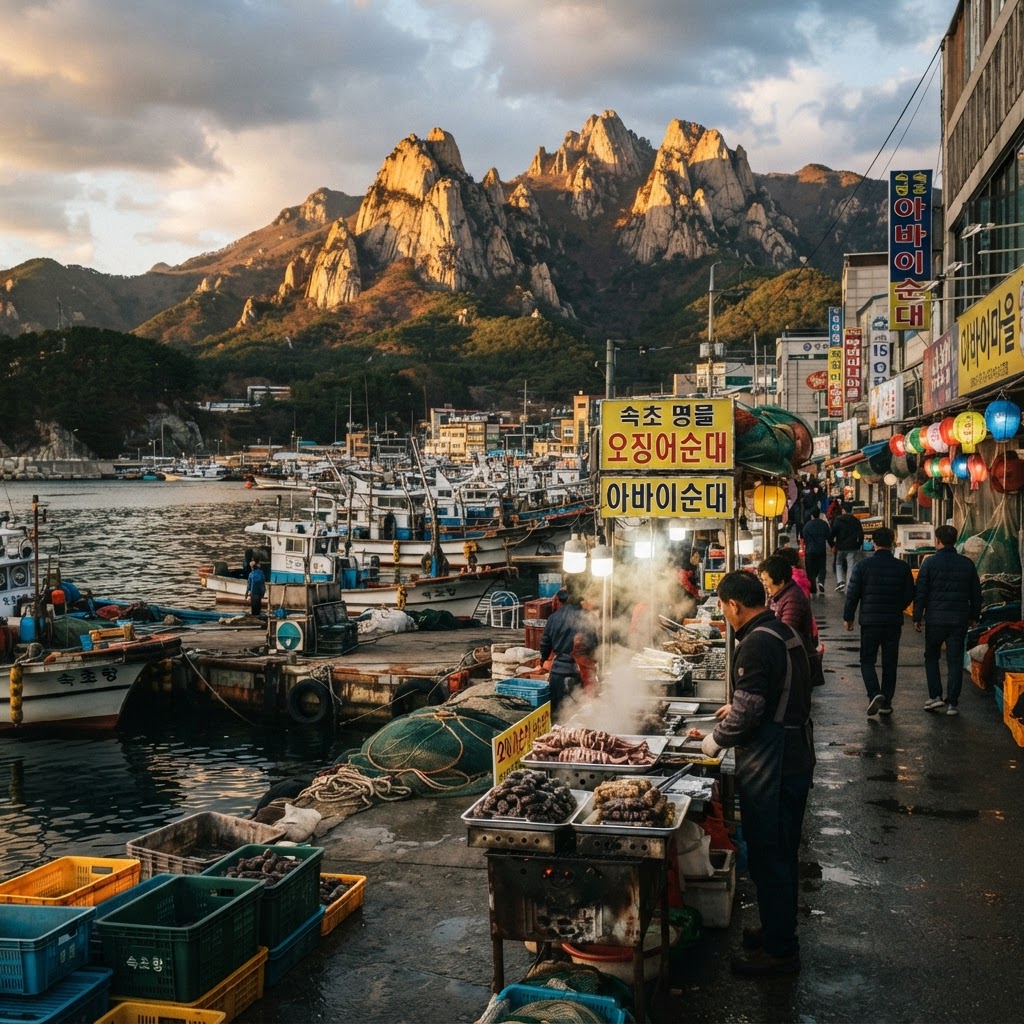
South Korea
Sokcho & Seoraksan National Park
Granite peaks towering above cold coastal waters, squid blood sausage, and raw harbor energy.
Plan & book
Sort your Sokcho & Seoraksan National Park trip in one place.
We point you to the booking tools we'd actually use — live prices, no markup. Or let us build the day-by-day plan around you first, then book.
Sokcho is where South Korea's most dramatic alpine landscape directly meets the East Sea. Dominated by the saw-toothed granite ridges of Seoraksan National Park to the west and a salty, workaday fishing port to the east, it pairs lung-burning mountain ascents with unpretentious culinary traditions shaped by North Korean refugees and coastal fishermen. It is not an international resort enclave; it is a brisk, functional, and striking Korean coastal town built for active hikers, seafood devotees, and anyone seeking wild topography beyond Seoul.
3 days
Best time
Mid-September to late October for vivid mountain foliage, or May to June for lush, temperate trail conditions.
Build your own trip with these prebuilt itineraries
Each one is a tested, day-by-day plan for Sokcho & Seoraksan National Park — start here, then make it yours.
5 Days Deep Nature & Coastal Road Trip in Sokcho/Seoraksan
An immersive regional exploration with a rental car, covering challenging multi-peak ridge trails, Osaek mineral hot springs, and serene Goseong beaches.
3 Days of Mountains, Markets & Heritage in Sokcho/Seoraksan
The definitive classic itinerary balancing the Gwongeumseong cable car, Sinheungsa temple, Abai Village ferry, and coastal viewpoints without a car.
2 Days of Peaks & Coastal Bites in Sokcho/Seoraksan
An active weekend escape combining the iconic Ulsanbawi granite climb with Sokcho's famous squid sundae and bustling fishing harbor culture.
Seoraksan is South Korea's crown jewel for mountain hiking, featuring sheer granite faces, suspension bridges, and ancient temples tucked into forested gorges. Just thirty minutes downstream, Sokcho provides the antidote to mountain exhaustion with Korea's best stuffed squid sundae (Ojingeo Sundae), raw fish markets, and chilled East Sea harbor views. You can scale the iron staircases of Ulsanbawi at sunrise and eat piping-hot dakgangjeong in a bustling fish market by mid-afternoon.
Where to stay
Getting there
Getting around
Food & drink
What it costs
Skip it if
Skip Sokcho if you dislike rugged outdoor hiking, steep stairs, and pungent seafood ports, or if you only have 48 hours in South Korea and cannot afford 5 hours of round-trip bus travel away from Seoul. If your goal is luxury shopping, nightlife, or gentle resort-style strolling, staying in Seoul or visiting Busan will yield a much higher return on your vacation hours.
When to go
Autumn turns the dramatic granite spires of Seoraksan into Korea's finest foliage show, but weekends bring gridlocked park access roads and inflated hotel rates. Late spring trades blazing fall colors for crisp mountain air, blooming flora, empty trails, and pleasant beach walks without the stifling summer humidity.
Peak (Mid-Sep to late Oct & late Jul to mid-Aug)
Autumn brings breathtaking crimson foliage but intense crowds; book express buses and rooms two months out. High summer packs the beaches with domestic vacationers, but brings heavy humidity and monsoon showers.
Shoulder (Apr to Jun & early Sep)
Ideal hiking weather with daytime temperatures around 18–24°C, vibrant green foliage, minimal mountain queues, and accessible room rates.
Low (Dec to Mar)
Sub-zero Siberian winds and ice on high trails like Dinosaur Ridge, though temples are peaceful and snow-draped granite crags look dramatic.
Neighborhoods
Where you stay shapes the trip. Here's how to think about it.
Seorak-dong (Park Entrance)
Quiet, alpine base lined with pensions, traditional teahouses, and pine trees right at the foot of the outer peaks.
Best for:serious hikers and early risers
Don't miss:The early 06:30 trailhead entry before tour buses arrive at Sinheungsa Temple.
Joyang-dong & Sokcho Beach
Breezy coastal resort strip featuring open sands, high-rise hotels, waterfront espresso spots, and the neon-lit Sokcho Eye ferris wheel.
Best for:first-timers and relaxed coastal travelers
Don't miss:Fresh roast coffee overlooking the East Sea breaks along Haorum-ro after completing your descent.
Jungang-dong (Central Market)
Dense, loud, and aromatic urban core anchored by deep fryers, fresh catch tanks, and endless pedestrian market alleys.
Best for:food devotees and market lovers
Don't miss:Freshly fried Dakgangjeong (crispy sweet-spicy chicken) and hot-griddled potato pancakes inside Sokcho Tourist & Fishery Market.
Abai Village (Cheongho-dong)
Historic fishing sandbar settlement established by North Korean refugees, linked to the main market area by a hand-pulled wooden ferry.
Best for:cultural history and regional food enthusiasts
Don't miss:Taking the ₩500 Gaetbae hand-pulled cable raft across the port canal and ordering authentic Ojingeo Sundae (stuffed squid sausage).
Dongmyeong-dong & Port
Salt-crusted, blue-collar fishing harbor where trawlers dock adjacent to rocky coastal lookouts and raw seafood halls.
Best for:seafood purists and sunset watchers
Don't miss:Watching fishing boats clear the breakwater from Yeonggeumjeong Pavilion before dining at the Dongmyeong live-fish stalls.
Destination intelligence
Updated 9/14/2026The structured record we plan every Sokcho & Seoraksan National Park itinerary from.
Walkability
Moderate: Downtown harbors and market districts are very walkable, but mountain trailheads and coastal stretches require local buses or quick Kakao T rides.
Transit quality
Good: High-frequency local buses (7 and 7-1) connect the bus terminals directly to the park gate, and express coaches run constantly from Seoul.
Car needed
Optional: Entirely feasible without a car using express buses, local lines 7/7-1, and Kakao T; rent a car only if exploring remote valleys like Osaek or coastal Goseong.
Ideal duration
3 days
Minimum useful
2 days
Peak season
Mid-September through late October (spectacular autumn foliage season that packs trails and roads) and late July to mid-August (summer domestic beach rush).
Shoulder season
May to June (fresh green forests, mild trail temperatures, and manageable crowds) and April (spring blossoms).
Low season
December through March (freezing Siberian winter winds, icy trails, and shuttered beach facilities, though great for peaceful frozen-temple views).
Best for
Common mistakes
- Attempting a weekend day trip from Seoul by bus: the 2-hour expressway drive routinely balloons to 4-5 hours each way due to weekend highway gridlock, devouring your trail time.
- Assuming the cable car goes to the top of Daecheongbong: the cable car only accesses Gwongeumseong Fortress ruins, not the mountain's highest summit.
- Waiting until noon to arrive at the Seoraksan Sogongwon gate during October foliage season: parking lots fill by 7:00 AM, and traffic backs up for miles down Route 7.
- Relying solely on Google Maps for navigation: Google Maps cannot generate walking or driving transit paths in South Korea; you must download Naver Map or KakaoMap before arriving.
- Packing only lightweight street sneakers for Ulsanbawi: the slick granite faces and steep steel staircases require solid-traction hiking shoes, especially if wet.
Best nearby
See what a trip to South Korea actually costs. Travel Budget Co.
How to plan it
- Base yourself in Joyang-dong near Sokcho Beach if you want evening dining and nightlife, but stay in Seorak-dong near the park gate if your priority is sunrise hiking.
- Board bus 7 or catch a Kakao T before 07:30 AM to beat the massive tour bus queues and car parking logjams at the Seoraksan ticketing gate.
- Do not attempt both Ulsanbawi and Cheonbuldong Valley in a single day unless you are an endurance mountain runner; separate them across two mornings.
- Pair your trip with nearby Naksansa Temple (20 minutes south by bus 9 or 9-1) for a coastal cliff temple experience overlooking the East Sea.
- Secure your return express bus tickets to Seoul via the Tmoney GO app or at the station counter immediately upon arriving in Sokcho during peak seasons.
Questions
More in South Korea
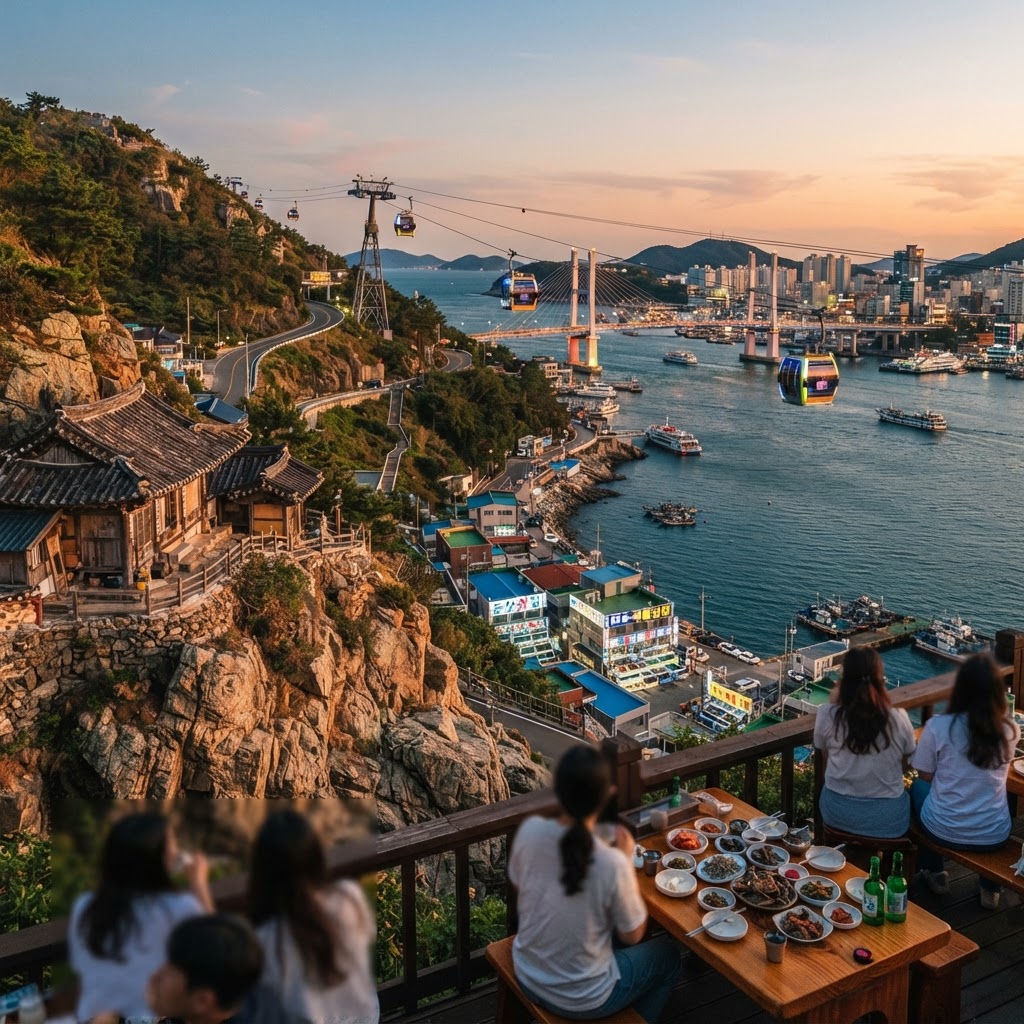
Yeosu, South Korea
South Korea
Korea's southern maritime retreat of cliffside hermitages, sea cable cars, and coastal banchan
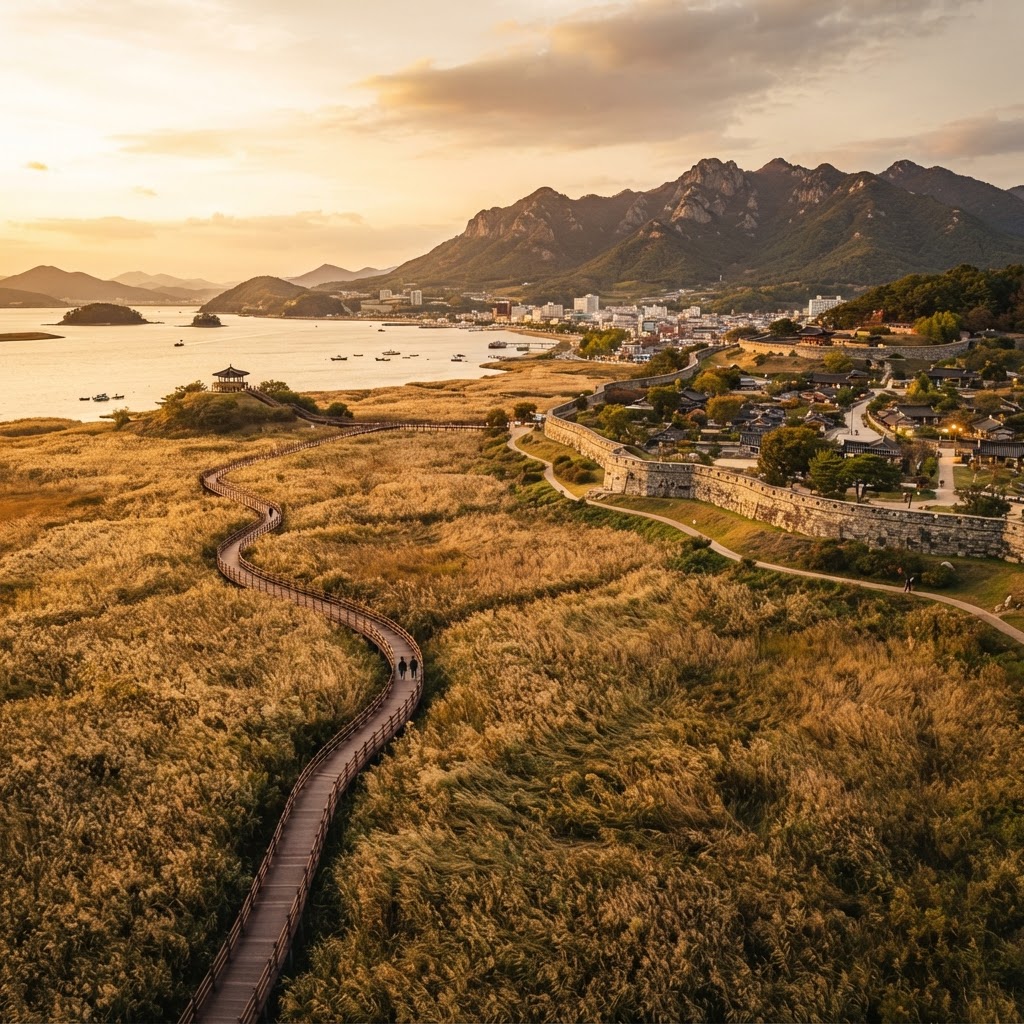
Suncheon, South Korea
South Korea
Expansive coastal reed beds, living fortress walls, and quiet southern culinary depth.
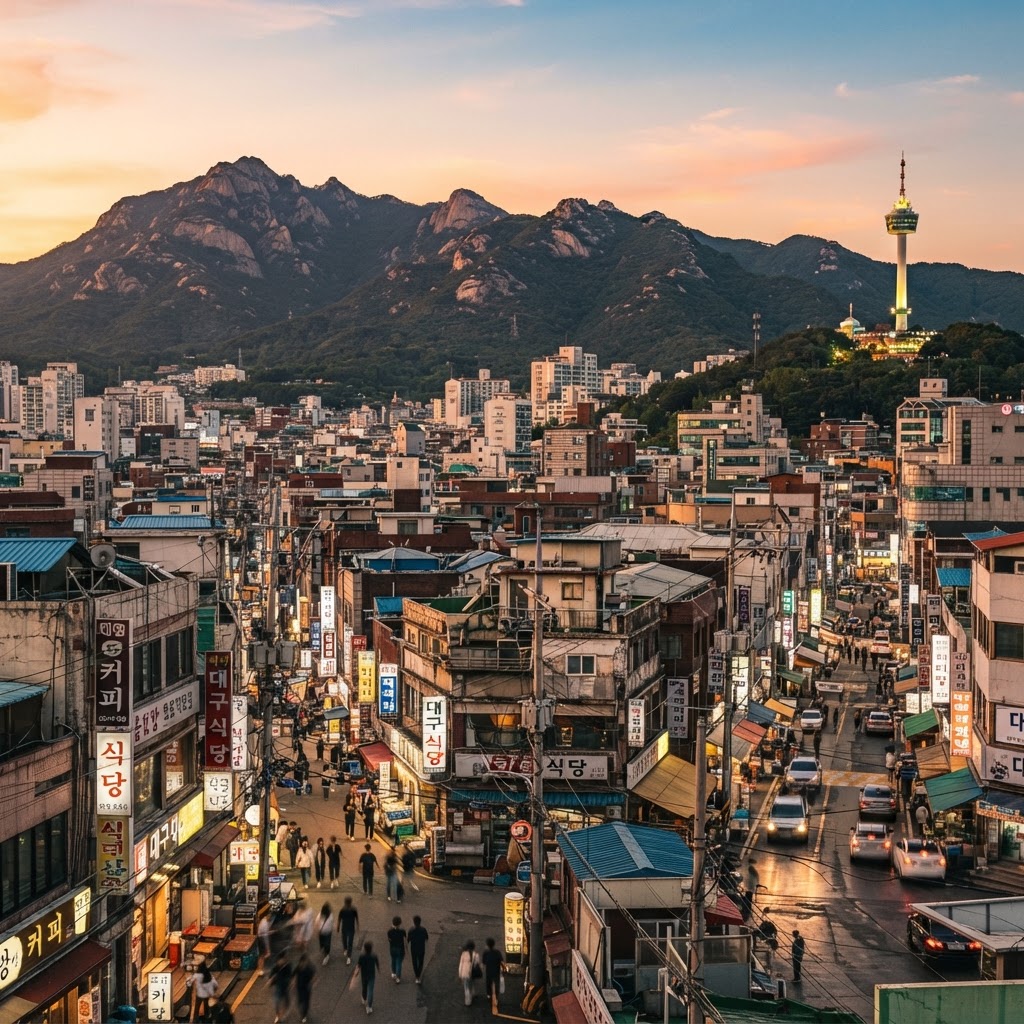
Daegu
South Korea
A gritty mountain-ringed textile hub turned coffee capital and culinary heavyweight
Readymade itineraries
Start from a tested template — then make it yours.
Ready to book
Lock in your Sokcho & Seoraksan National Park trip
Everything in one place. We may earn a small commission — it never costs you more.
Plan a trip to Sokcho & Seoraksan National Park
Pick a length and we'll build a day-by-day plan around how you travel — neighborhoods clustered, budget-aware, and editable.
Get better at planning trips like this
Occasional notes on planning smarter — no spam, unsubscribe anytime.
Plan a trip to Sokcho & Seoraksan National Park
Turn this guide into a day-by-day plan built around your pace, your group, and your budget.
Build my Sokcho & Seoraksan National Park trip