
Czechia
Prague Itinerary: How Many Days + Sample Plans
Gothic spires, storied pub cellars, and world-class transit wrapped in Central Europe's most intact historic core.
Traveler rating
Loved by architecture lovers wanting centuries of intact Gothic, Baroque, and Cubist buildings in one.
Plan & book
Sort your Prague trip in one place.
We point you to the booking tools we'd actually use — live prices, no markup. Or let us build the day-by-day plan around you first, then book.
Pick your trip length
How many days do you need in Prague?
Each of these opens a full day-by-day plan you can make your own.
- 2 days — Two days — the essentials, no rushing.
- 3 days — Three days — the icons plus one neighborhood.
- 4 days — Four days — a full city without sprinting.
- 5 days — Five days — room for a day trip.
- 7 days — A week — the city at a human pace.
- With Kids trip — Shorter days, earlier dinners, what to skip.
- For Couples trip — Two-person pacing with evenings built in.
- Solo trip — A plan that works well on your own.
- Food trip — Meals and markets as the anchors.
- Outdoors trip — Nature, walks and open air.
- Culture trip — History, museums and the streets around them.
Prague escaped the widespread aerial bombing of World War II, leaving behind an architecturally pristine urban core spanning Romanesque rotundas, Gothic cathedrals, high-Baroque palaces, and Art Nouveau facades. Divided neatly by the Vltava River, the city pairs intense visual drama with an exceptionally pragmatic, grounded daily life centered around local draft beer culture, expansive hilltop parks, and an immaculate public transit grid. While heavy tourist footfall chokes the main thoroughfare between the Old Town Hall and Charles Bridge, stepping merely two tram stops away reveals leafy residential quarters rich in specialty roasteries, traditional hospodas, and distinct residential character.
4 days
Best time
May to June or September to mid-October for crisp walking weather, beer gardens in full swing, and manageable queues.
Build your own trip with these prebuilt itineraries
Each one is a tested, day-by-day plan for Prague — start here, then make it yours.
2 Days in Prague for First-Time Visitors
2 days in prague first time
3 Days in Prague for Beer & Pub Lovers
prague beer pubs itinerary
4 Days in Prague with Day Trips (Kutná Hora, Český Krumlov)
prague kutna hora cesky krumlov itinerary
3 Days in Prague on a Budget
prague budget itinerary
Few European capitals deliver this degree of layered, walkable architectural preservation at this price point. Beyond the storybook aesthetic of Staré Město, Prague rewards travelers with a vibrant tavern culture where lager pouring is treated as a culinary science, world-class museum collections without staggering entry fees, and exceptional urban transit that makes escaping the crowds effortlessly fast.
Where to stay
Getting there
Getting around
Food & drink
What it costs
Things to do
Book tours & tickets in PragueSkip it if
Skip Prague if your trip cannot tolerate dense crowds in historic spaces during summer peak months, or if you require an ultra-modern, car-centric city. Travelers who strictly want secluded nature or who disengage from European architectural history will find Prague's primary attractions exhausting.
When to go
Summer brings hot, airless afternoons and suffocating human traffic across Charles Bridge, while midwinter brings freezing grey days and short daylight hours. Spring and early autumn provide mild 15°C to 20°C weather, lower accommodation costs, and full operational hours across all castles and gardens.
Peak (July–August & December)
High lodging rates, intense midday crowds, and muggy heat in summer; December is freezing but packed for festive Old Town Square Christmas markets.
Shoulder (April–June & September–October)
The sweet spot: pleasant temperatures for hill climbing, vibrant foliage, full sight access, and far fewer tour bus groups.
Low (January–March)
Sub-zero temperatures and grey skies, but hotel rates drop by 40-50% and you can cross Charles Bridge in near silence at dawn.
Neighborhoods
Where you stay shapes the trip. Here's how to think about it.
Staré Město (Old Town) & Josefov
Cobblestone alleys, soaring Gothic spires, and heavy tourist thoroughfares flanked by historic synagogues and Baroque facades.
Best for:First-timers who want all primary landmarks within a 10-minute walk and do not mind heavy midday foot traffic.
Don't miss:The 13th-century Old-New Synagogue and the Old Jewish Cemetery in Josefov before tour groups arrive around 10:00.
Malá Strana (Lesser Town)
Atmospheric Baroque palaces, embassy walled gardens, and quiet gas-lit side streets hugging the slopes below the castle.
Best for:Couples and travelers seeking historic immersion with significantly calmer evenings than Old Town.
Don't miss:Walking through the terraced Wallenstein Garden or climbing the quiet slopes of Petřín Hill at dusk.
Vinohrady
Leafy residential avenues lined with pastel Art Nouveau apartments, indie wine bars, and neighborhood roasteries.
Best for:Foodies, repeat visitors, and digital nomads wanting an authentic residential base outside the tourist bubble.
Don't miss:Catching sunset over Prague Castle from the sloping lawn at Riegrovy Sady beer garden with a draft pilsner.
Karlín
Post-industrial flatland turned design-forward hub packed with converted warehouses, bakeries, and modern bistros.
Best for:Travelers who prioritize specialty coffee, cutting-edge dining, and a flat, walkable district off the tourist radar.
Don't miss:Grabbing sourdough pastries at Antonínovo Pekařství or dinner at Lokál Hamburk along Křižíkova street.
Holešovice & Letná
Gritty-cool arts district defined by former industrial yards, expansive bluff parks, and creative subculture.
Best for:Art lovers, younger travelers, and anyone who prefers contemporary galleries over souvenir shops.
Don't miss:The vast collection of 20th- and 21st-century art at Veletržní Palác, followed by drinks at the Letná Park beer garden overlooking the Vltava bridges.
Destination intelligence
Updated 9/14/2026The structured record we plan every Prague itinerary from.
Walkability
High: The entire historic center (Prague 1) is compact and mostly pedestrianized, though uneven cobblestones demand supportive walking shoes.
Transit quality
Exceptional: An integrated grid of three metro lines (A, B, C) and extensive tram routes running 24/7 with strict timetables and low fares.
Car needed
Not required: A rental car is a major liability within central Prague due to strict residential permit parking, one-way pedestrian mazes, and traffic congestion.
Ideal duration
4 days
Minimum useful
3 days
Peak season
June through August and December (Christmas market dates), characterized by heavy crowds, high accommodation rates, and humid summer afternoons.
Shoulder season
April to May and September to October, offering pleasant walking temperatures, vibrant autumn or spring foliage, and manageable queues.
Low season
January through early March, featuring chilly grey weather and short daylight hours, compensated by low lodging rates and nearly empty historic sights.
Best for
Common mistakes
- Walking across Charles Bridge between 11:00 AM and 5:00 PM when overcrowding ruins the experience
- Exchanging money at street booths advertising '0% commission' or using standalone Euronet ATMs that levy predatory exchange rates; stick to official bank branch ATMs
- Buying traditional 'trdelník' chimney cakes under the assumption they are ancient Czech food; they are modern tourist imports
- Failing to validate a paper transit ticket before boarding trams or entering metro platforms, which triggers an automatic non-negotiable fine from transit inspectors
- Paying for restaurant bills in Euros rather than Czech Koruna (CZK), which incurs punitive exchange conversions
Best nearby
How to plan it
- Cross Charles Bridge before 07:30 or after 22:00; between 10:00 and 18:00 it is packed wall-to-wall with tour groups and street hawkers.
- Take Tram 22 up to Pohořelec stop to tour Prague Castle downhill rather than exhausting yourself climbing the Old Castle Stairs.
- Pair a morning visiting the Jewish Quarter (Josefov) monuments with an afternoon across the river in Malá Strana to balance heavy indoor history with open park walks.
- Skip the overpriced sit-down dining along Karlova and the immediate perimeter of Old Town Square; walk two blocks east toward Dlouhá or south toward Národní for authentic local kitchens.
- If taking a day trip, choose Kutná Hora (1 hour by direct train) for Gothic architecture and the Sedlec Ossuary, rather than spending 6+ hours round-trip sitting on a bus to Český Krumlov.
Questions
More in Czechia
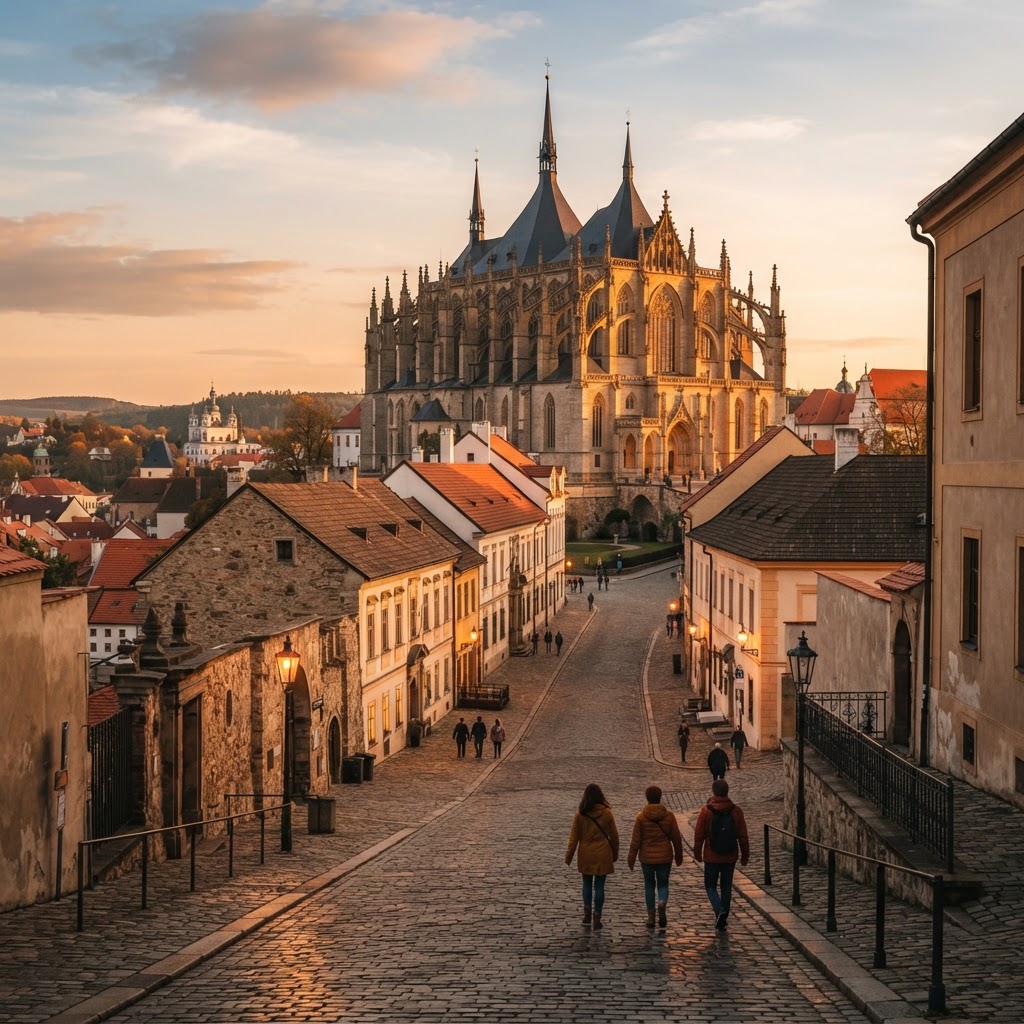
Kutná Hora
Czechia
Gothic silver-mining grandeur and macabre ossuary art just an hour from Prague.
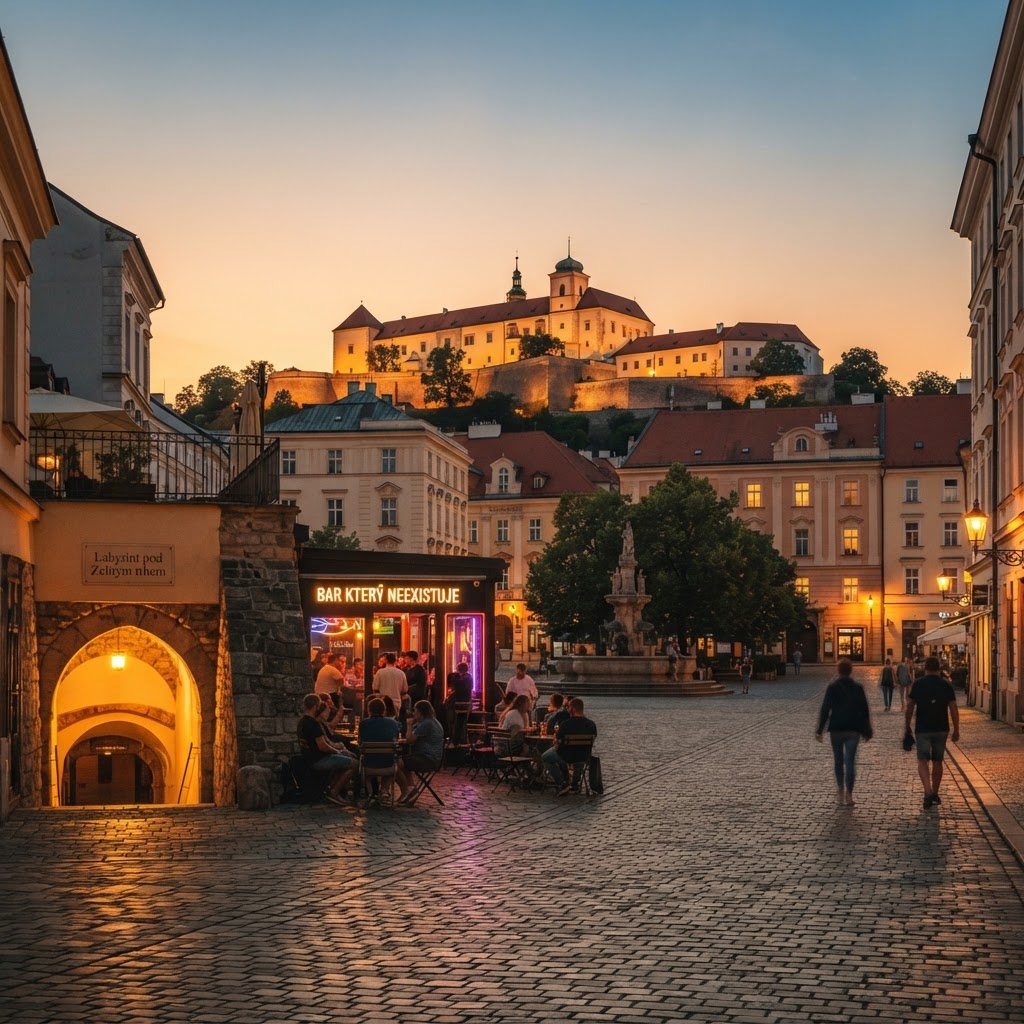
Brno
Czechia
Modernist architecture, underground history, and Central Europe’s sharpest cocktail culture without the tourist crowds.
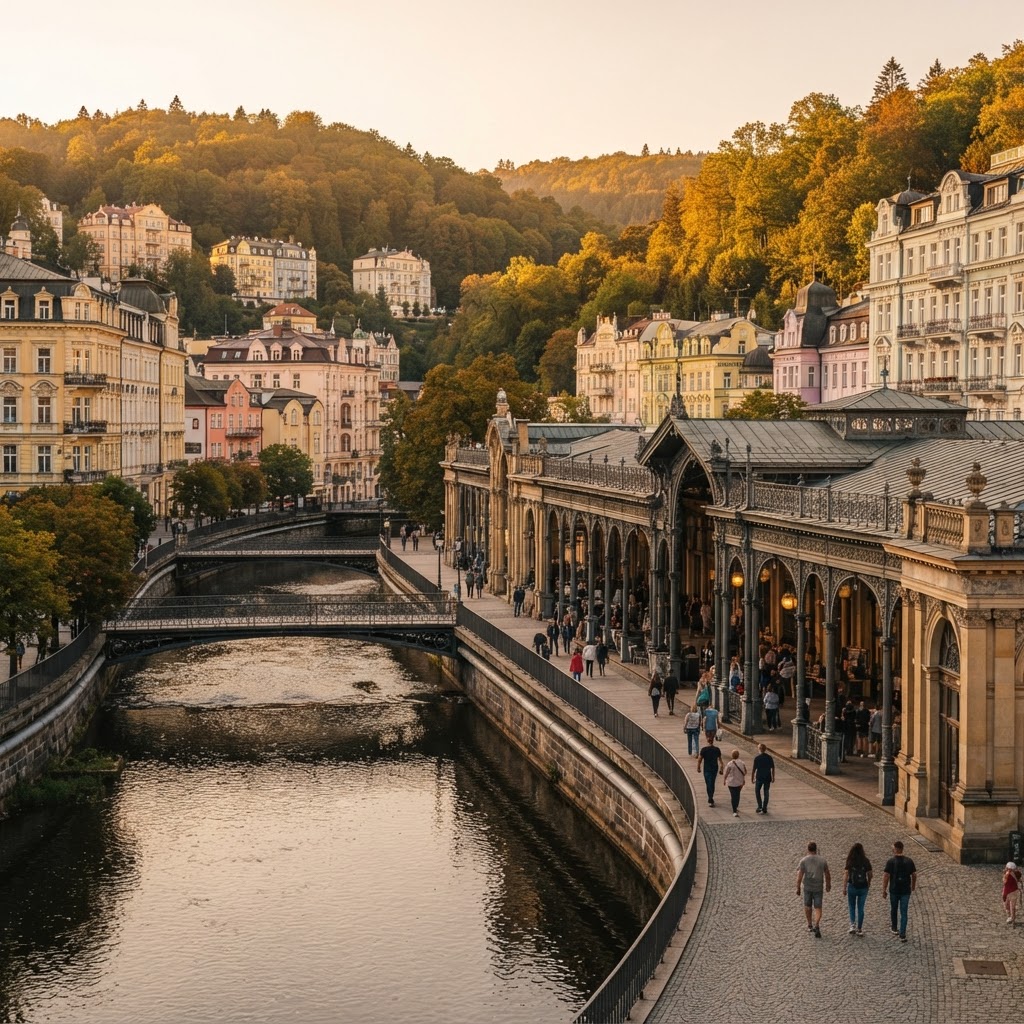
Karlovy Vary
Czechia
Grand Belle Époque colonnades, curative thermal springs, and slow-paced woodland walks along the Teplá River.
Readymade itineraries
Start from a tested template — then make it yours.
Ready to book
Lock in your Prague trip
Everything in one place. We may earn a small commission — it never costs you more.
Plan a trip to Prague
Pick a length and we'll build a day-by-day plan around how you travel — neighborhoods clustered, budget-aware, and editable.
Get better at planning trips like this
Occasional notes on planning smarter — no spam, unsubscribe anytime.
Plan a trip to Prague
Turn this guide into a day-by-day plan built around your pace, your group, and your budget.
Build my Prague trip