Czechia
Brno
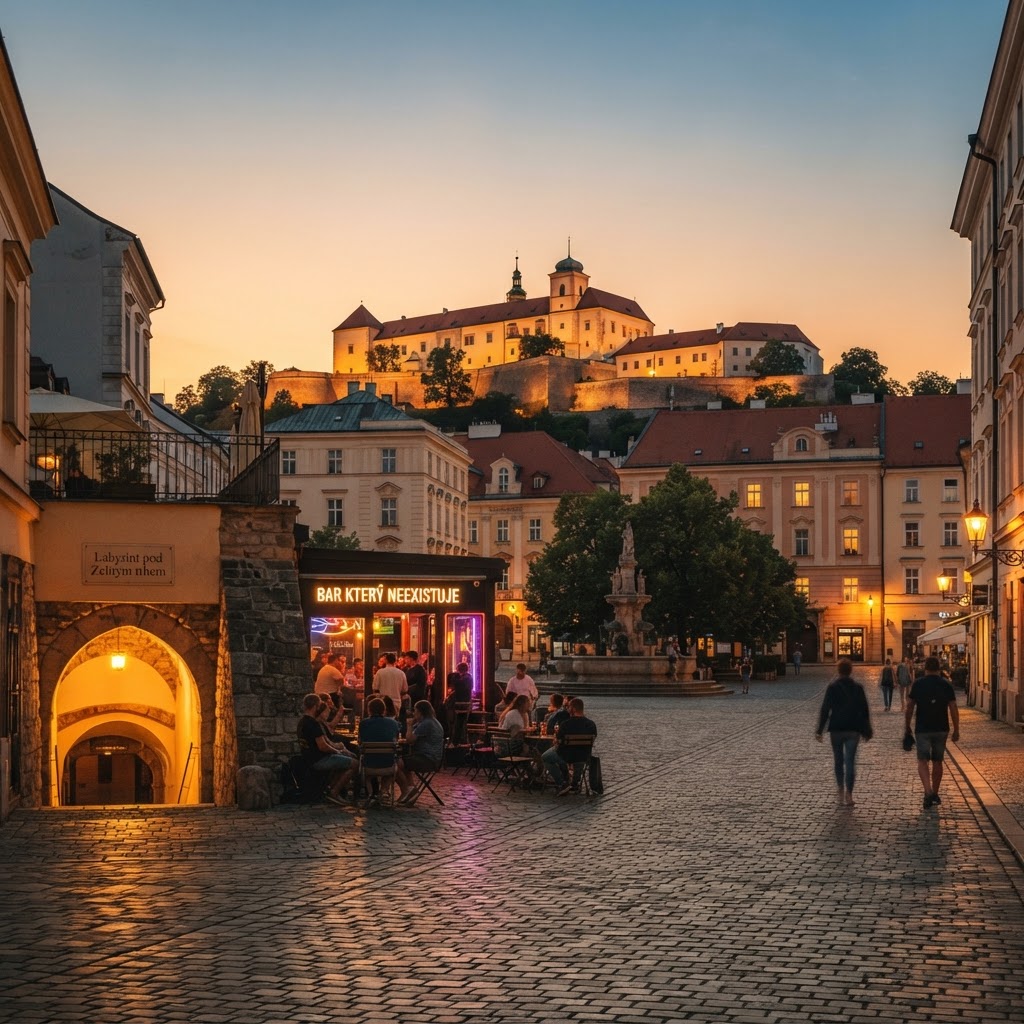
Modernist architecture, underground history, and Central Europe’s sharpest cocktail culture without the tourist crowds.
Plan & book
Sort your Brno trip in one place.
We point you to the booking tools we'd actually use — live prices, no markup. Or let us build the day-by-day plan around you first, then book.
Brno is Czechia’s second city and the cultural capital of Moravia, yet it operates at a completely different rhythm from Prague. Powered by a vast student population and a thriving tech corridor, the city trades crowded selfie bridges for world-class functionalist architecture, an extensive underground labyrinth, and an internationally respected dining and cocktail scene.
3 days
Best time
September to mid-October for ideal weather, grape harvest energy, and university life in full swing.
Build your own trip with these prebuilt itineraries
Each one is a tested, day-by-day plan for Brno — start here, then make it yours.
5 Days in Brno: Wine Regions & Moravian Karst Day Trips in Brno
Urban exploration paired with regional transit trips to local vineyards, caves, and chateaux
3 Days in Brno: The Complete Moravian Culture Trip in Brno
Historic city center, underground labyrinths, Špilberk Castle, and vibrant café culture
2 Days in Brno: Modernist Architecture & Speakeasies in Brno
Functionalist masterworks, Villa Tugendhat, and Europe-leading craft cocktail bars
Brno delivers authentic Central European urban culture stripped of mass tourism. You visit for Ludwig Mies van der Rohe's landmark Villa Tugendhat, subterranean ossuaries and medieval cellar labyrinths, cutting-edge specialty espresso bars, and a boundary-pushing cocktail scene led by spots like Bar, který neexistuje—all priced for local university students and young professionals rather than tour bus crowds.
Where to stay
Getting there
Getting around
Food & drink
What it costs
Things to do
Book tours & tickets in BrnoSkip it if
Skip Brno if you are seeking monumental, postcard-famous fairytale landmarks like Prague Castle or need constant English-guided group tour infrastructure; Brno is an understated, living regional city that rewards wandering over sightseeing checklists.
When to go
Early autumn avoids the midsummer heat while retaining vibrant outdoor terrace culture across the squares. You also get prime access to regional South Moravian vinobraní (grape harvest) tastings without the peak summer tourist spikes of Central Europe.
Peak (June–August)
Expect long 16-hour daylight days, buzzing beer gardens, and outdoor music, but occasional humid heat above 28°C and higher hotel rates.
Shoulder (April–May & September–October)
Crisp, comfortable walking temperatures (12–20°C), active university scene, and access to Moravian wine festivals; our recommended window.
Low (November–March)
Chilly weather near freezing and short daylight hours, though December brings atmospheric, authentic Christmas markets without Prague-level crowding.
Neighborhoods
Where you stay shapes the trip. Here's how to think about it.
Brno-střed (Historic Old Town)
Compact pedestrian network of baroque squares, gothic spires, and energetic coffee counters.
Best for:First-time visitors who want everything walkable and immediate access to dining.
Don't miss:The sprawling morning produce market at Zelný trh, followed by a climb up the Old Town Hall tower.
Černá Pole
Quiet, leafy residential hillside showcasing premier interwar functionalist residential architecture.
Best for:Design and architecture travelers seeking calm streets away from student bars.
Don't miss:Villa Tugendhat's iconic onyx wall and glass curtain facade, paired with Villa Löw-Beer just across the garden.
Veveří
Academic, slightly scruffy district packed with specialty coffee roasters, indie bookshops, and beer pubs.
Best for:Travelers who want an authentic local routine, affordable dining, and evening bar crawls.
Don't miss:Specialty espresso and quiet courtyard seating at Café Falk, a longtime intellectual haunt near the university faculties.
Žabovřesky
Relaxed garden suburb marked by avant-garde interwar villas and quiet residential streets.
Best for:Design buffs eager to see how modernism translated into experimental private housing estates.
Don't miss:The Kolonie Nový dům (New House Estate), a seminal 1928 functionalist housing exhibition.
Destination intelligence
Updated 9/14/2026The structured record we plan every Brno itinerary from.
Walkability
Exceptional
Transit quality
High
Car needed
No
Ideal duration
3 days
Minimum useful
1.5 days
Peak season
June through August, featuring warm weather, bustling outdoor garden terraces on Zelný trh, and seasonal festivals.
Shoulder season
April to May and September to October, offering crisp weather, Moravian autumn grape harvest festivals (vinobraní), and fewer visitors.
Low season
November through March (excluding the December Christmas markets), marked by chilly weather and shorter operating hours for outdoor castle walks.
Best for
Common mistakes
- Failing to reserve Villa Tugendhat interior tickets months in advance, leaving travelers locked out with only garden access tickets.
- Treating Brno merely as a rushed 2-hour train transit stop between Prague and Vienna instead of an overnight base.
- Renting a car to explore the city; parking in central Brno is heavily restricted by permit zones, and public transit is vastly superior.
Best nearby
How to plan it
- Book Villa Tugendhat interior tour tickets three months before your trip date; build your remaining schedule around this fixed slot.
- Base yourself within a 10-minute walk of Náměstí Svobody or Zelný trh to eliminate transit needs for late-night bar crawls and early morning markets.
- Do not cram Špilberk Castle, the 10-Z Bunker, and the Labyrinth under Zelný trh into the same afternoon; subterranean tunnels cause quick mental fatigue.
- Dedicate one full evening to the cocktail triangle of Super Panda Circus and Bar, který neexistuje, arriving before 7:30 PM to avoid queueing.
- Combine Brno with Vienna or Bratislava by direct RegioJet or České dráhy rail rather than taking an isolated domestic detour from Prague.
Questions
More in Czechia
Kutná Hora
Czechia
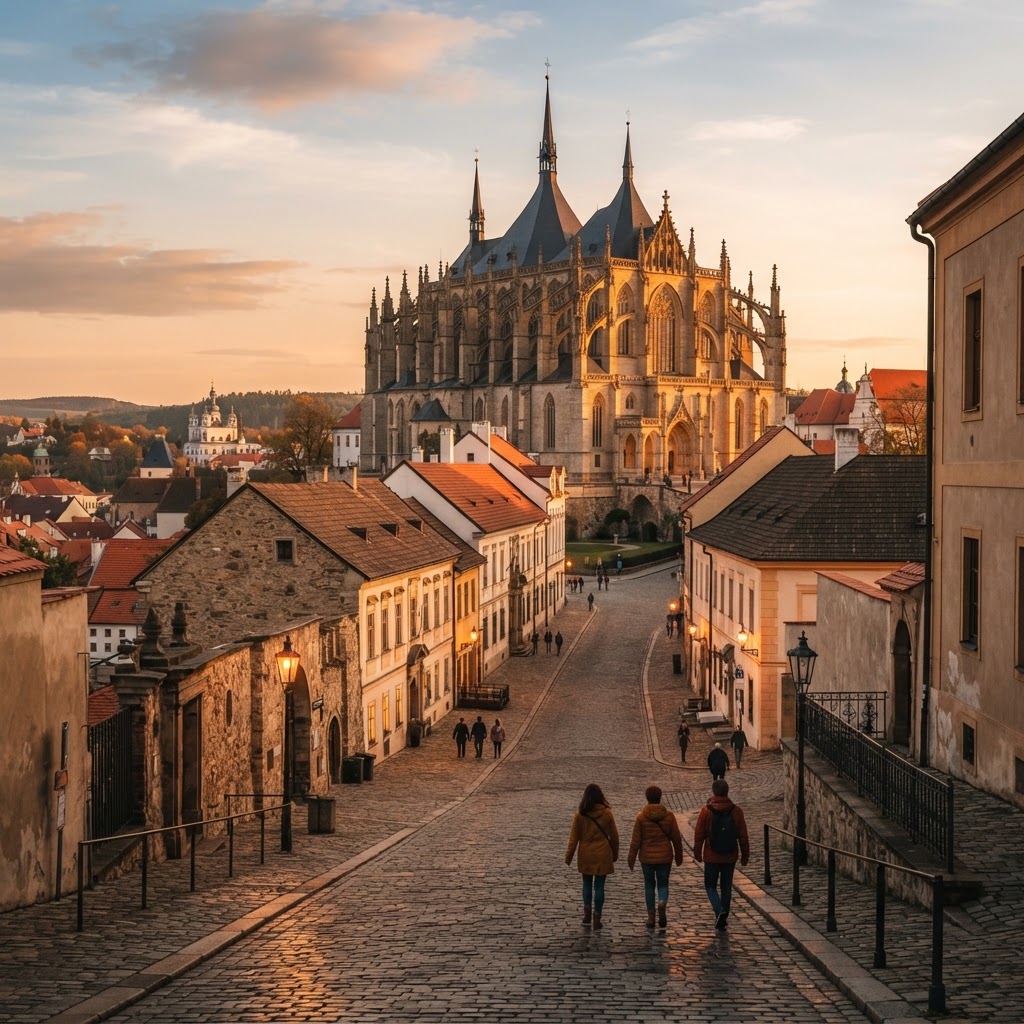
Gothic silver-mining grandeur and macabre ossuary art just an hour from Prague.
Karlovy Vary
Czechia
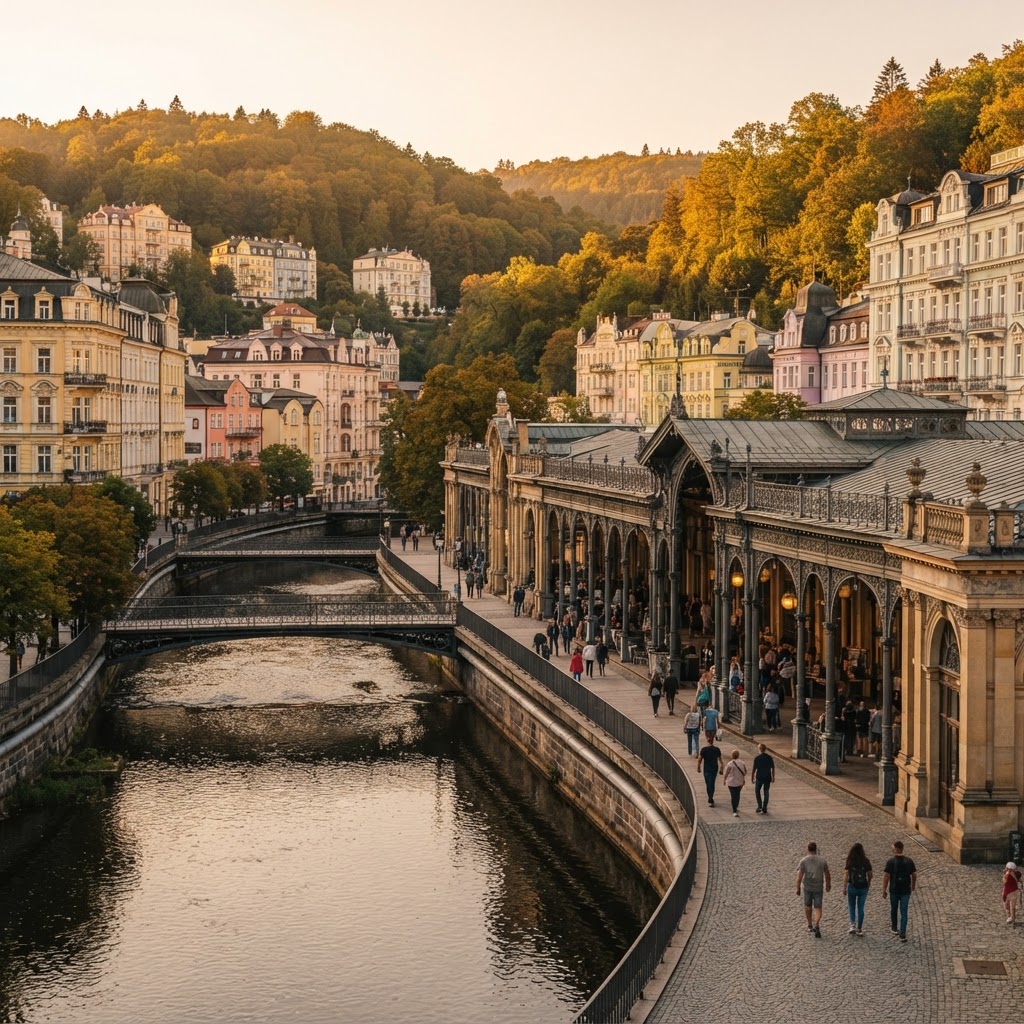
Grand Belle Époque colonnades, curative thermal springs, and slow-paced woodland walks along the Teplá River.
Readymade itineraries
Start from a tested template — then make it yours.
Ready to book
Lock in your Brno trip
Everything in one place. We may earn a small commission — it never costs you more.
Plan a trip to Brno
Pick a length and we'll build a day-by-day plan around how you travel — neighborhoods clustered, budget-aware, and editable.
Get better at planning trips like this
Occasional notes on planning smarter — no spam, unsubscribe anytime.
Plan a trip to Brno
Turn this guide into a day-by-day plan built around your pace, your group, and your budget.
Build my Brno trip