
United States
Portland, Oregon
Neighborhood coffee, hyper-local food carts, and quiet pine-lined forest ridges.
Plan & book
Sort your Portland, Oregon trip in one place.
We point you to the booking tools we'd actually use — live prices, no markup. Or let us build the day-by-day plan around you first, then book.
Portland defies standard big-city logic: its downtown core is functional rather than captivating, but its residential commercial strips across the Willamette River are among the best urban walking environments in the United States. Visitors who evaluate Portland by its central business district often leave underwhelmed. The magic happens along leafy, 200-foot city blocks where third-wave roasters, vintage clothing emporiums, independent bakeries, and chef-driven cart pods form distinct village hubs. Backed by the dense green wilderness of Forest Park and the snowy cone of Mount Hood on clear horizons, Portland offers an unmatched combination of craft food, relaxed outdoor access, and hyper-local culture.
4 days
Best time
July through September for dry sunshine, outdoor cart dining, and clear mountain vistas.
Build your own trip with these prebuilt itineraries
Each one is a tested, day-by-day plan for Portland, Oregon — start here, then make it yours.
5 Days in Portland: City Greens & Pacific Northwest Day Trips in Portland, Oregon
A hybrid trip balancing urban forest hikes in Forest Park and Washington Park with rental-car excursions to the Columbia River Gorge waterfalls and Willamette Valley wine country
4 Days in Portland: The Ultimate Food Cart & Culinary Trail in Portland, Oregon
An immersive food and drink journey through food cart pods, farm-to-table destination dining, craft microbreweries, and urban cideries
3 Days in Portland: Urban Walking & Neighborhood Gems in Portland, Oregon
First-timer urban highlights focusing on vibrant Eastside neighborhoods, third-wave coffee, Powell's Books, and city parks via transit and walking
Portland delivers an exceptional food and drink culture without pretense or coastal prices. Between sprawling food cart pods, world-class microbreweries, James Beard-recognized neighborhood kitchens, and an urban forest system spanning over 5,000 acres, it is the premier mid-size American city for travelers who prioritize eating exceptionally well and stepping directly into lush Pacific Northwest nature without an agonizing commute.
Where to stay
Getting there
Getting around
Food & drink
What it costs
Things to do
Book tours & tickets in Portland, OregonSkip it if
Skip Portland if your travel priorities hinge on bustling financial-district skyscrapers, glitzy nightlife clubs, designer luxury flagship shopping, or guaranteed sunny weather outside of July and August.
When to go
Summer delivers pristine 80-degree days with essentially zero humidity and minimal rain, making neighborhood patio hopping effortless. Late spring and early autumn trade slightly more unpredictable cloud cover for lower hotel rates, changing foliage, and smaller lines at major food hubs.
Peak (July–August)
Reliably warm, sunny, and bone-dry; outdoor dining and beer gardens operate at peak capacity, driving the highest lodging prices of the year.
Shoulder (May–June & September–October)
Crisp air, dramatic spring blooms or glowing autumn leaves, and mild rainfall; ideal balance of restaurant availability and manageable room rates.
Low (November–April)
Cool, persistent Pacific Northwest drizzle and gray skies; trails can be muddy, but lines vanish at bakeries and indoor culinary hubs thrive.
Neighborhoods
Where you stay shapes the trip. Here's how to think about it.
Nob Hill (Northwest / NW 23rd)
Polished Victorian residential streets flanking a dense, tree-lined boutique and dining promenade.
Best for:First-timers, architecture fans, boutique shoppers, and trail runners wanting Forest Park access
Don't miss:Starting with pastries at St. Honoré Boulangerie before hiking the Lower Macleay Trail straight into Forest Park
Alberta Arts District
Creative Eastside village centered on a vibrant, independent stretch of gallery spaces, murals, and distinct patios.
Best for:Art lovers, casual browsers, patio diners, and brunch purists
Don't miss:The sprawling multi-course breakfast plates and flat whites at Australia-born Proud Mary Coffee
Pearl District
Converted industrial warehouse zone turned walkable hub of modern lofts, indie bookstores, and sleek dining.
Best for:First-timers without a car, book lovers, art gallery hoppers, and business travelers
Don't miss:Losing two hours navigating the multi-story, city-block footprint of Powell's City of Books
Mississippi Avenue & Central Eastside
Gritty-industrial edge meets creative energy with taprooms, live music venues, and hyper-dense food cart gatherings.
Best for:Craft beer aficionados, night owls, vintage vinyl seekers, and street-food grazing
Don't miss:Ordering loaded fried biscuit sandwiches from Pine State Biscuits or exploring the Prost! Marketplace food cart pod
Hawthorne & Division (Southeast)
Bohemian counterculture legacy mingling with one of the most celebrated restaurant corridors in the country.
Best for:Thrifters, specialty coffee fanatics, epicurean foodies, and relaxed park wanderers
Don't miss:Browsing vintage clothing racks along Hawthorne Boulevard followed by an evening climb up volcanic Mount Tabor
Destination intelligence
Updated 9/14/2026The structured record we plan every Portland, Oregon itinerary from.
Walkability
High within individual commercial neighborhoods, though hopping between non-adjacent Eastside pockets requires short bus trips or rideshares.
Transit quality
High: TriMet MAX Light Rail links PDX airport directly to downtown, supported by modern streetcars and extensive bus corridors.
Car needed
No for exploring the city center and primary neighborhoods; yes if planning excursions into the Columbia River Gorge, Willamette Valley, or Oregon Coast.
Ideal duration
4 days
Minimum useful
2 days
Peak season
July to August: warm, reliably sunny, low humidity, and bustling outdoor dining patios and festivals.
Shoulder season
May to June and September to October: crisp temperatures, changing foliage or spring blooms, manageable rainfall, and fewer crowds.
Low season
November to April: persistent Pacific Northwest drizzle, cool temperatures, and gray skies, offset by quiet museums, empty trails, and active restaurant dining rooms.
Best for
Common mistakes
- Staying confined to Downtown and Old Town Chinatown, where post-pandemic office vacancies and homelessness are most visible, while missing the vibrant residential high streets of the Eastside.
- Renting a car for the entire trip and paying $45 nightly hotel parking fees when the MAX light rail, streetcars, and walking cover nearly all intra-city travel.
- Underestimating the rain by carrying a clumsy umbrella instead of a proper breathable waterproof hooded jacket, which locals rely on to stay mobile outdoors.
- Assuming dinner spots have walk-in bar seating on weekends without reserving 10 to 14 days ahead for popular neighborhood restaurants.
Best nearby
How to plan it
- Stay on the Westside (Nob Hill or Pearl) for effortless transit and first-time navigation; stay on the Eastside (Central Eastside, Alberta, or Division) for neighborhood dining and coffee immersion.
- Do not attempt Forest Park hiking, the International Rose Test Garden, and the Columbia River Gorge waterfalls in a single day—group urban parks together and preserve Gorge outings for a dedicated car day.
- Secure reservations for premier culinary flagships like Kann exactly when booking windows open, but deliberately keep lunches open for spontaneous food cart pod grazing.
- Pair a 3-day urban food and coffee stay in Portland with an overnight drive down through the Willamette Valley's pinot noir country or west along Highway 26 to Cannon Beach.
- Avoid renting a car at PDX upon arrival; take the MAX Red Line directly into the city center and rent locally only on the morning of your regional day trip to avoid daily parking fees.
Questions
More in United States
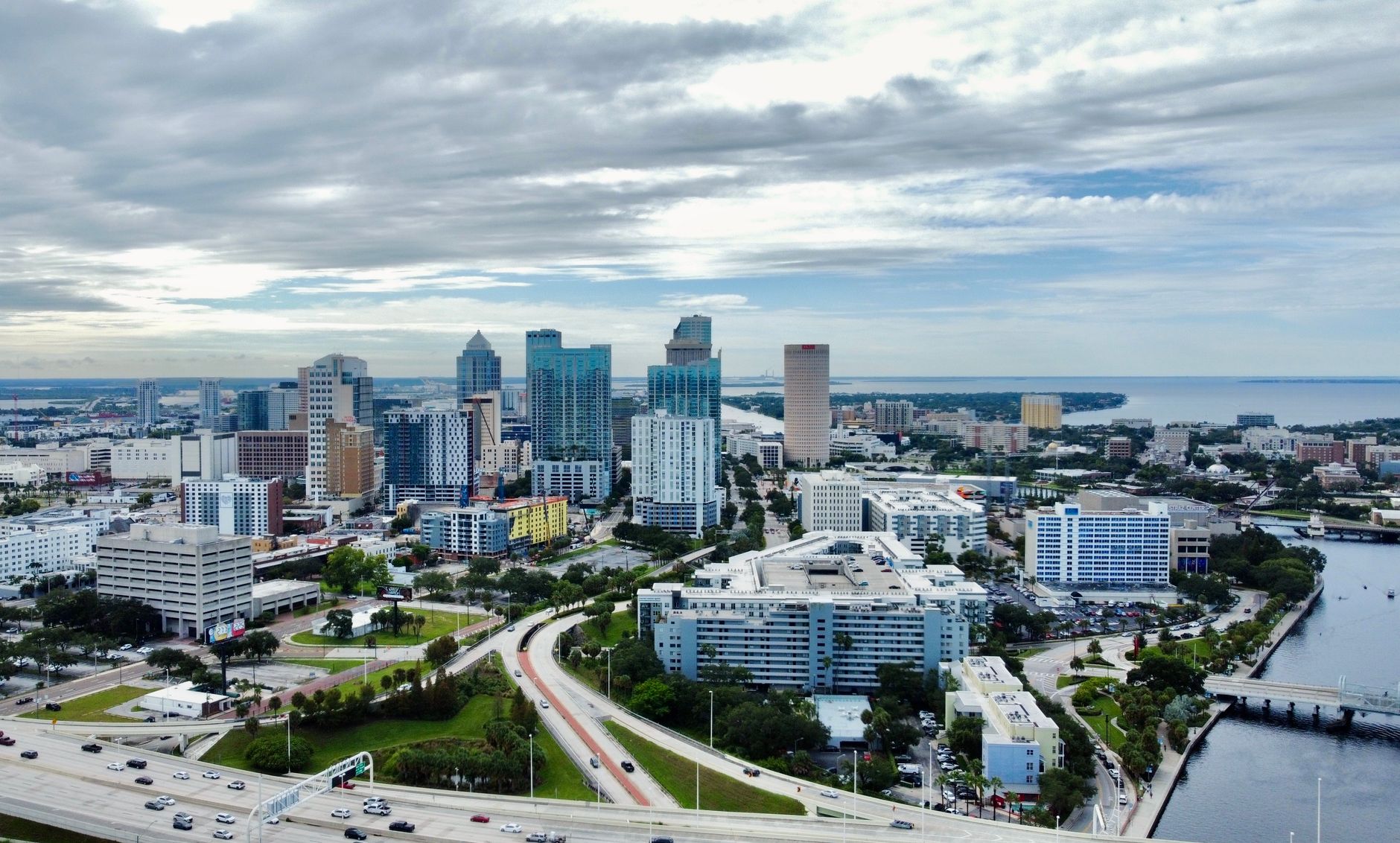
Tampa, Florida
United States
A historic cigar-making heritage wrapped in polished waterfront revivals and Gulf Coast culinary ambition.
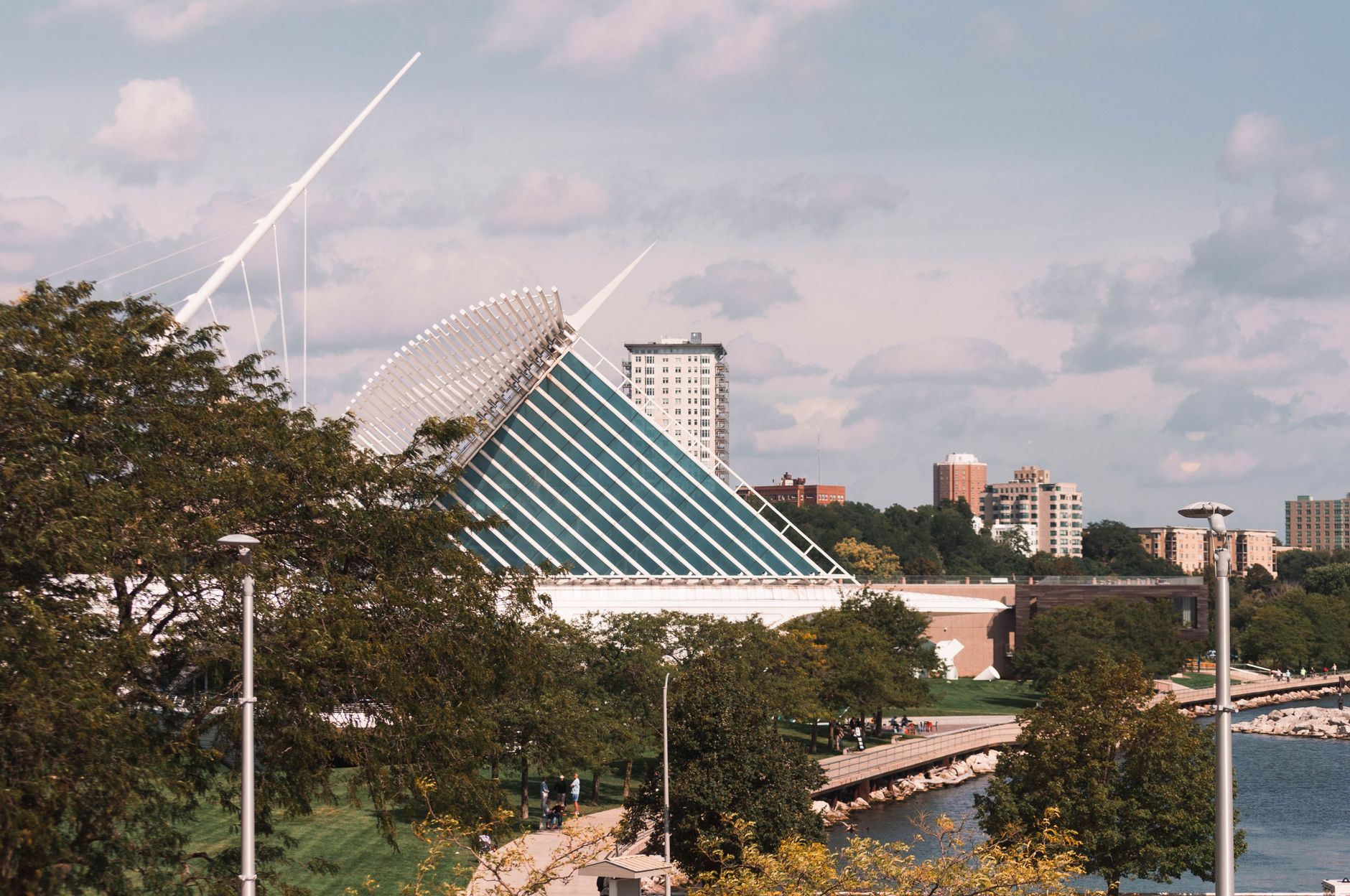
Milwaukee, Wisconsin
United States
Industrial lakeside cool anchored by serious culinary chops and effortless urban grit.
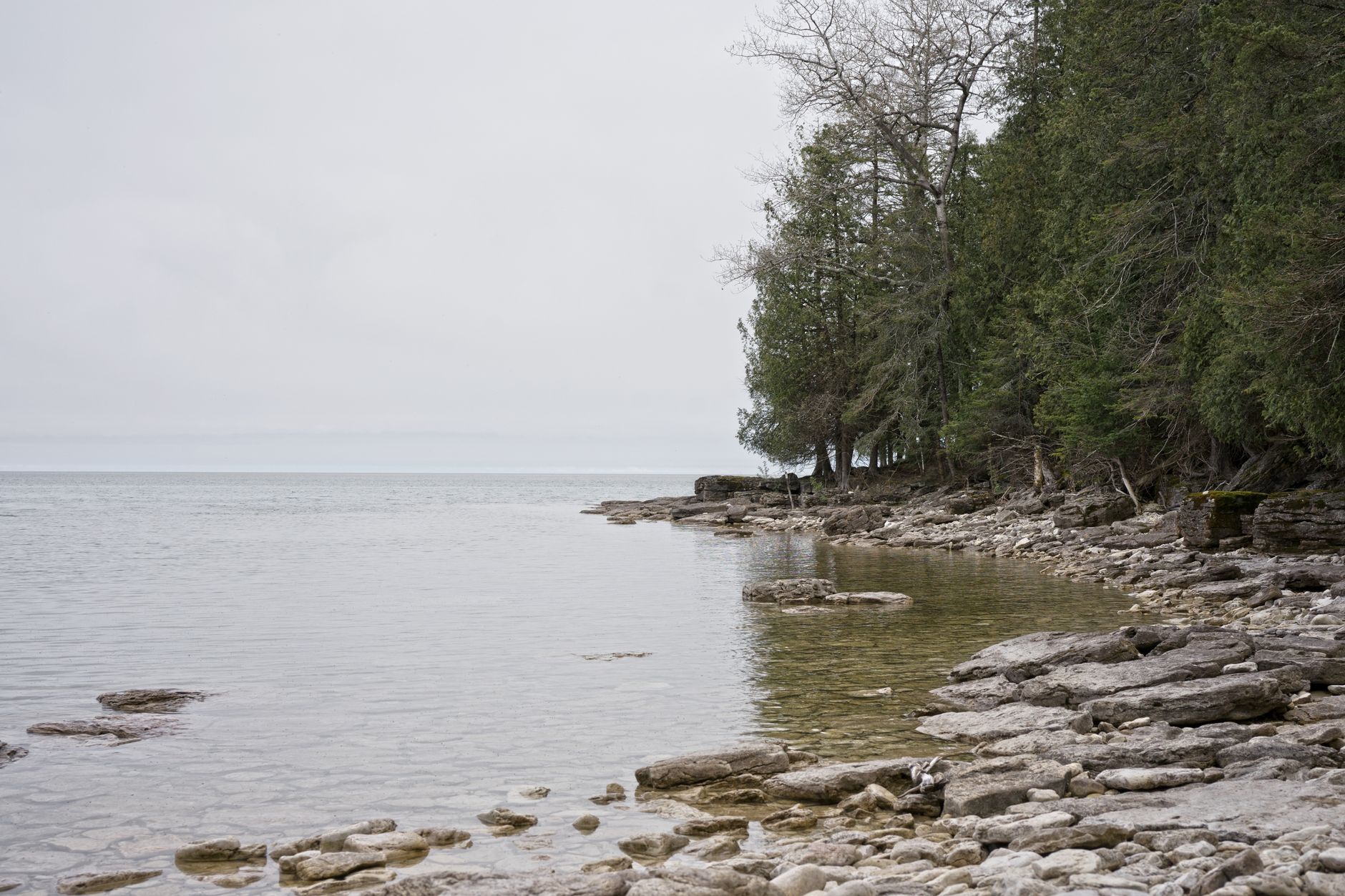
Door County, Wisconsin
United States
Limestone bluffs, heritage cherry orchards, and lakefront villages on Lake Michigan.

Traverse City, Michigan
United States
Freshwater bays, cool-climate vineyards, and windswept dunes anchored by a farm-driven culinary hub.
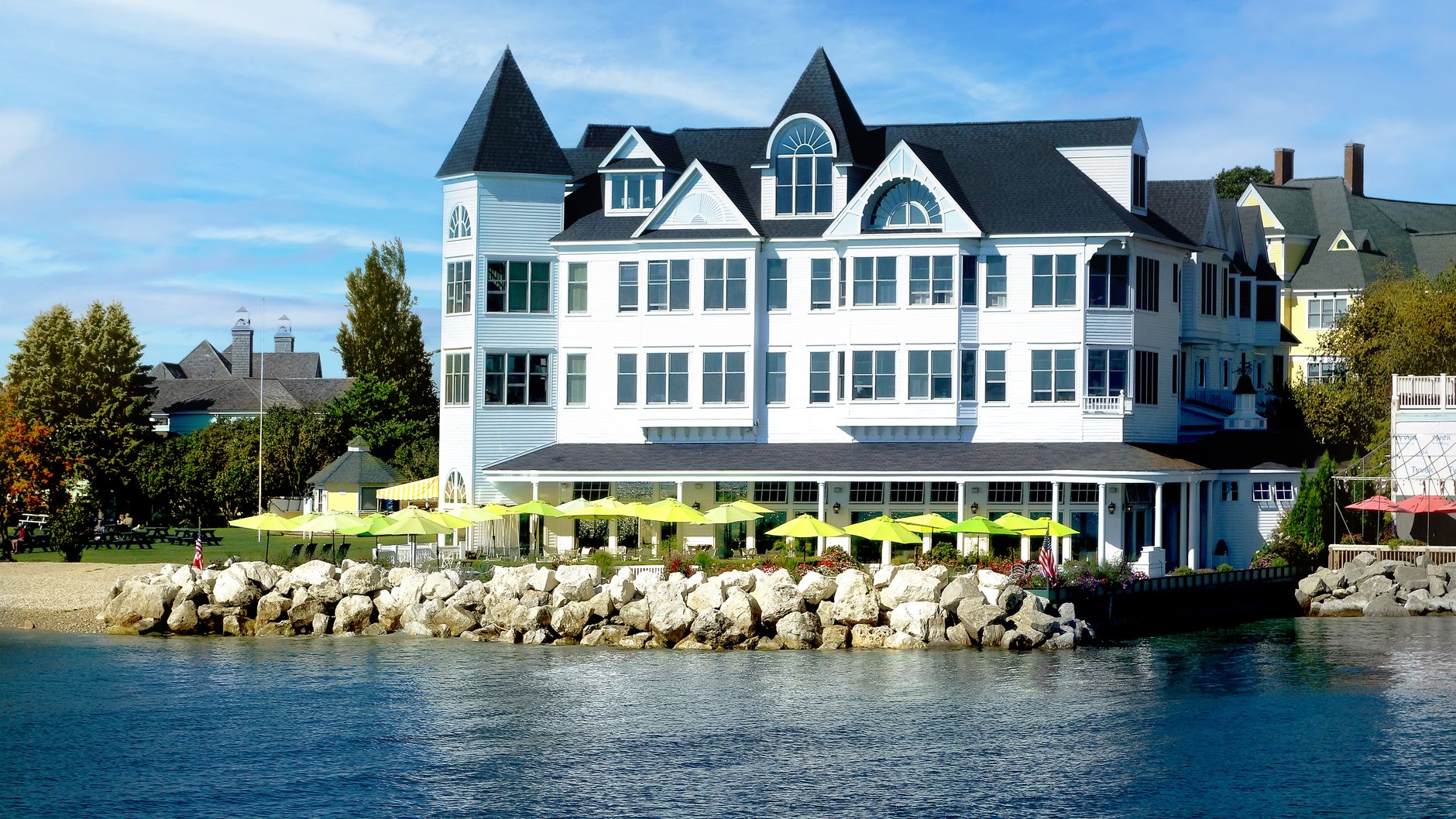
Mackinac Island, Michigan
United States
Car-free Victorian bluffs, freshwater coastlines, and horse-drawn transport
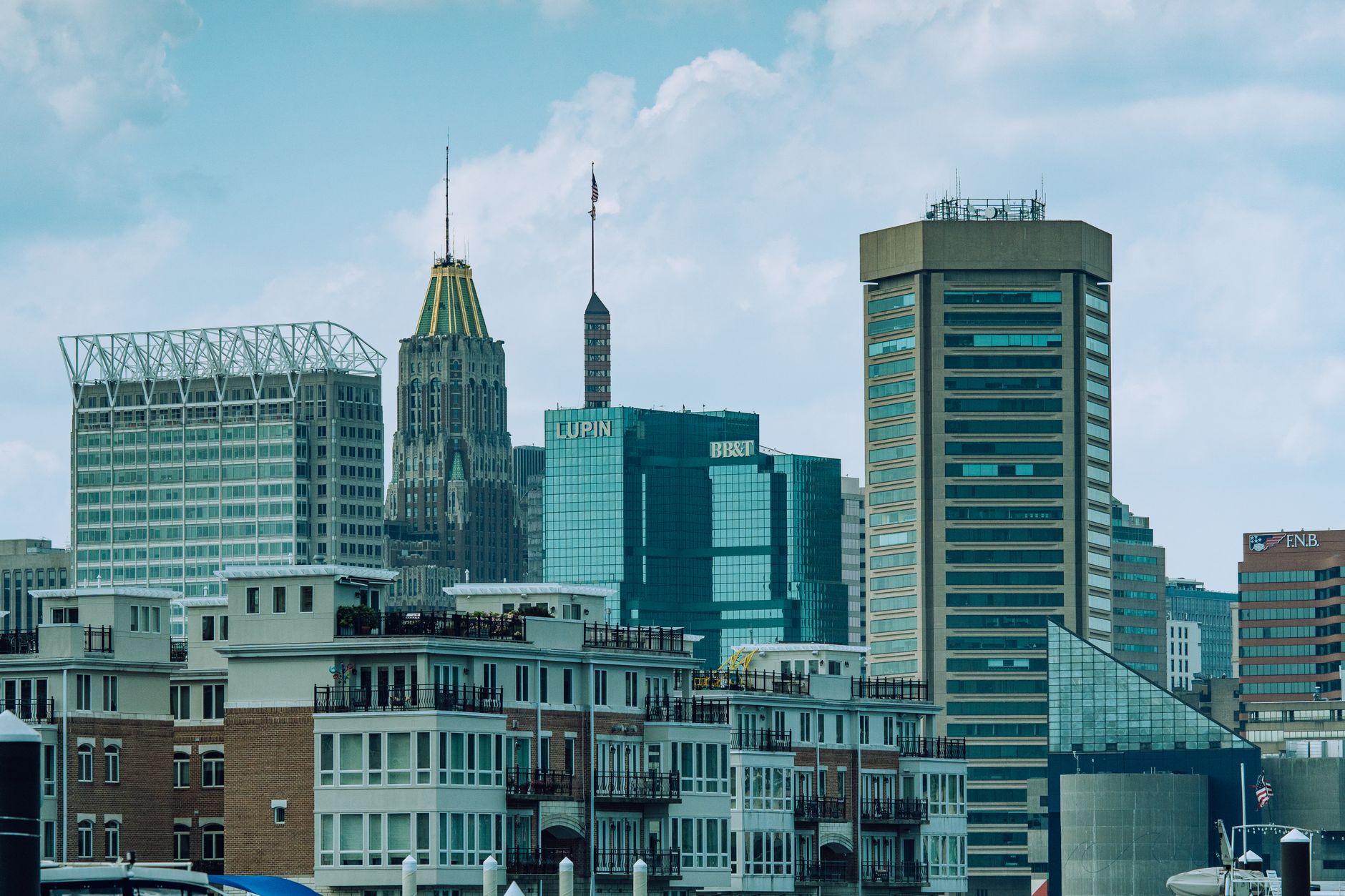
Baltimore, Maryland
United States
Industrial maritime roots, blue-collar grit, and distinct neighborhood enclaves.
Readymade itineraries
Start from a tested template — then make it yours.
Ready to book
Lock in your Portland, Oregon trip
Everything in one place. We may earn a small commission — it never costs you more.
Plan a trip to Portland, Oregon
Pick a length and we'll build a day-by-day plan around how you travel — neighborhoods clustered, budget-aware, and editable.
Get better at planning trips like this
Occasional notes on planning smarter — no spam, unsubscribe anytime.
Plan a trip to Portland, Oregon
Turn this guide into a day-by-day plan built around your pace, your group, and your budget.
Build my Portland, Oregon trip