
Norway
Oslo Itinerary: How Many Days + Sample Plans
Oslo is a fjord capital reborn — a waterfront of museums, opera, and a forest on the metro.
Traveler rating
Loved by first-timers.
Plan & book
Sort your Oslo trip in one place.
We point you to the booking tools we'd actually use — live prices, no markup. Or let us build the day-by-day plan around you first, then book.
Pick your trip length
How many days do you need in Oslo?
Each of these opens a full day-by-day plan you can make your own.
- 2 days — Two days — the essentials, no rushing.
- 3 days — Three days — the icons plus one neighborhood.
- 4 days — Four days — a full city without sprinting.
- 5 days — Five days — room for a day trip.
- 7 days — A week — the city at a human pace.
- With Kids trip — Shorter days, earlier dinners, what to skip.
- For Couples trip — Two-person pacing with evenings built in.
- Solo trip — A plan that works well on your own.
- Food trip — Meals and markets as the anchors.
- Outdoors trip — Nature, walks and open air.
- Culture trip — History, museums and the streets around them.
Oslo is Norway's redesigned capital — a waterfront of museums, the opera house you can walk on, and a forest (Nordmarka) reachable by metro. It's expensive, green, and quiet; see the Viking ships, the Munch museum, and the new Munch. Summer for the fjord; winter for the ski routes.
2–3 days
Best time
June through August for endless daylight and active fjord swimming; mid-May for spring energy.
Budget
NOK 1,200–2,200 per person per day at mid-range. Oslo is pricey.
Build your own trip with these prebuilt itineraries
Each one is a tested, day-by-day plan for Oslo — start here, then make it yours.
2 Days in Oslo: The Culture and Design Highlights
A fast-paced deep dive into Oslo's modern architecture, world-class art museums like the Munch Museum, and the historic Akershus Fortress.
3 Days in Oslo: Maritime History and Fjord Life
Focuses on the Bygdøy peninsula's maritime museums, ferry trips across the Oslofjord, and a visit to the iconic Fram and Kon-Tiki exhibits.
5 Days in Oslo: Nature, Sauna Culture, and Hidden Gems
A relaxed pace incorporating Oslo's vibrant floating sauna scene, hiking in the Oslomarka forests, and exploring neighborhood artisan hubs like Grünerløkka.
Oslo is one of Europe's most dramatic urban redesigns, having traded industrial ports for bold waterfront architecture, harbor swimming, and world-class contemporary institutions. It offers the rare ability to admire Edvard Munch's masterpieces in the morning, plunge into cold fjord water from a floating wood-fired sauna at noon, and ride the subway straight into virgin pine forests before dinner.
Where to stay
Getting there
Getting around
Food & drink
What it costs
Things to do
Book tours & tickets in OsloSkip it if
Skip it as an extended standalone trip if you expect towering mountain fjords or budget-friendly street-food crawling; Oslo is an urban cultural launchpad, best combined with western fjord routes.
When to go
Summer offers 18+ hours of daylight, open harbor swimming decks, outdoor terrace dining, and direct ferry schedules. Winter has an austere Nordic beauty and direct metro access to skiing, but daylight shrinks to six hours and cold rain or slush can dampen urban wandering.
Summer (June–August)
Peak season. Mild temperatures (65–75°F / 18–24°C), midnight sun twilight, fjord bathing, and packed outdoor docks; hotel rates peak and restaurants require early reservations.
Shoulder (May & September)
May brings vibrant green forests, rushing snowmelt, and National Day celebrations on May 17; September offers crisp autumn foliage in Nordmarka and thinner crowds with museum hours intact.
Winter (November–March)
Sub-freezing days and short light hours, but ideal for city-to-trail winter sports—metro line 1 delivers you directly to the cross-country trails of Frognerseteren.
Neighborhoods
Where you stay shapes the trip. Here's how to think about it.
Grünerløkka
Industrial brick warehouses turned indie coffee hubs, vintage boutiques, and riverside microbreweries.
Best for:independent travelers, coffee lovers, design hunters, and relaxed evening drinks
Don't miss:A flat white and pour-over at Tim Wendelboe, followed by a walk down the Akerselva river path.
Bjørvika & Sørenga
Ultra-contemporary waterfront architecture with bold glass towers, floating fjord saunas, and harbor swimming decks.
Best for:architecture buffs, modern art fans, luxury weekenders, and first-timers
Don't miss:Taking the sloping marble roof walk on the Oslo Opera House before heading to a Kok sauna session right in the harbor basin.
Frogner & Majorstuen
Stately 19th-century residential avenues, high-end design boutiques, quiet embassies, and sprawling sculpture-filled lawns.
Best for:travelers wanting peace, upscale boutique hotels, green spaces, and families
Don't miss:The sprawling granite and bronze human forms inside the open-air Vigeland Sculpture Park (Vigelandsparken).
Sentrum & Kvadraturen
The historic transit hub and commercial core, balancing 17th-century grid architecture with rapid airport train connections.
Best for:short stays, business travelers, rail connections, and first-time efficiency
Don't miss:Wandering the ramparts of the 14th-century Akershus Fortress overlooking the Oslofjord docks.
Aker Brygge & Tjuvholmen
Polished pedestrian wharf with timber boardwalks, waterfront seafood terraces, and sleek private art pavilions.
Best for:splurge dinners, contemporary galleries, and warm-weather outdoor dining
Don't miss:The Renzo Piano-designed Astrup Fearnley Museet for modern art right at the water's edge.
Money & essentials
Currency
Norwegian krone (NOK). Cards near-universal.
Language
Norwegian. English universal.
Safety
One of the safest capital cities in the world, with low violent crime rates; exercise standard awareness around Oslo Central Station late at night.
Budget range
NOK 1,200–2,200 per person per day at mid-range. Oslo is pricey.
Tipping
Not mandatory. Service is included in bills; rounding up to the nearest 50 or 100 NOK for attentive restaurant service is customary but optional.
How to plan it
- Base yourself in Bjørvika or near Sentrum if you have under 48 hours; you can walk to both Munch and the central station without ever needing a taxi.
- Do not cram Bygdøy's maritime museums and the Munch Museum into the same afternoon; Bygdøy demands a dedicated morning via ferry or bus #30 followed by lunch.
- Book floating saunas like KOK or Oslo Badstuforening at least two to three weeks ahead if traveling during summer or weekend winter slots.
- Pair your city break with the Bergen Line (Bergensbanen) railway westward across the Hardangervidda plateau rather than treating Oslo as an isolated weeklong destination.
- Take T-bane Line 1 to Frognerseteren on a clear morning for sweeping fjord views and an effortless walk through the Nordmarka pine forests back to Holmenkollen.
Questions
More in Norway
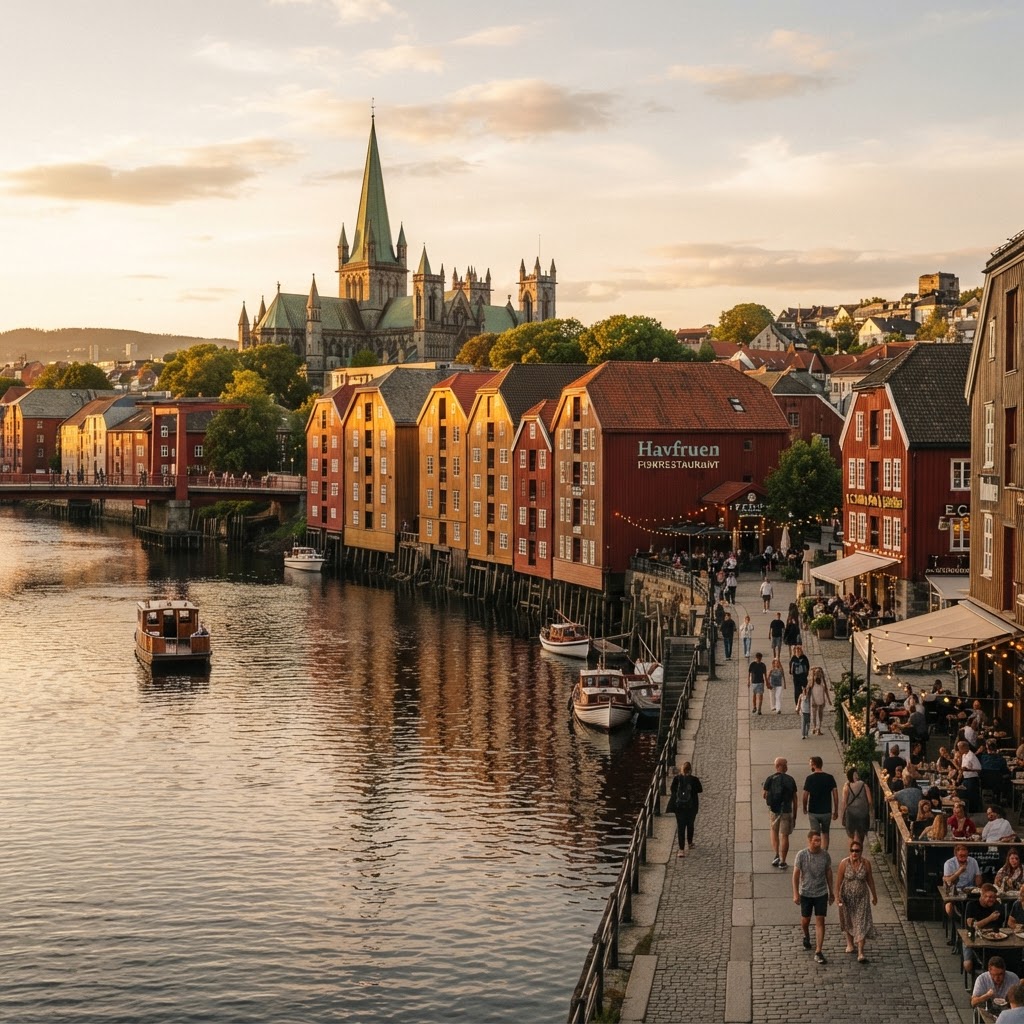
Trondheim
Norway
Norway’s medieval capital transformed into a Nordic culinary powerhouse
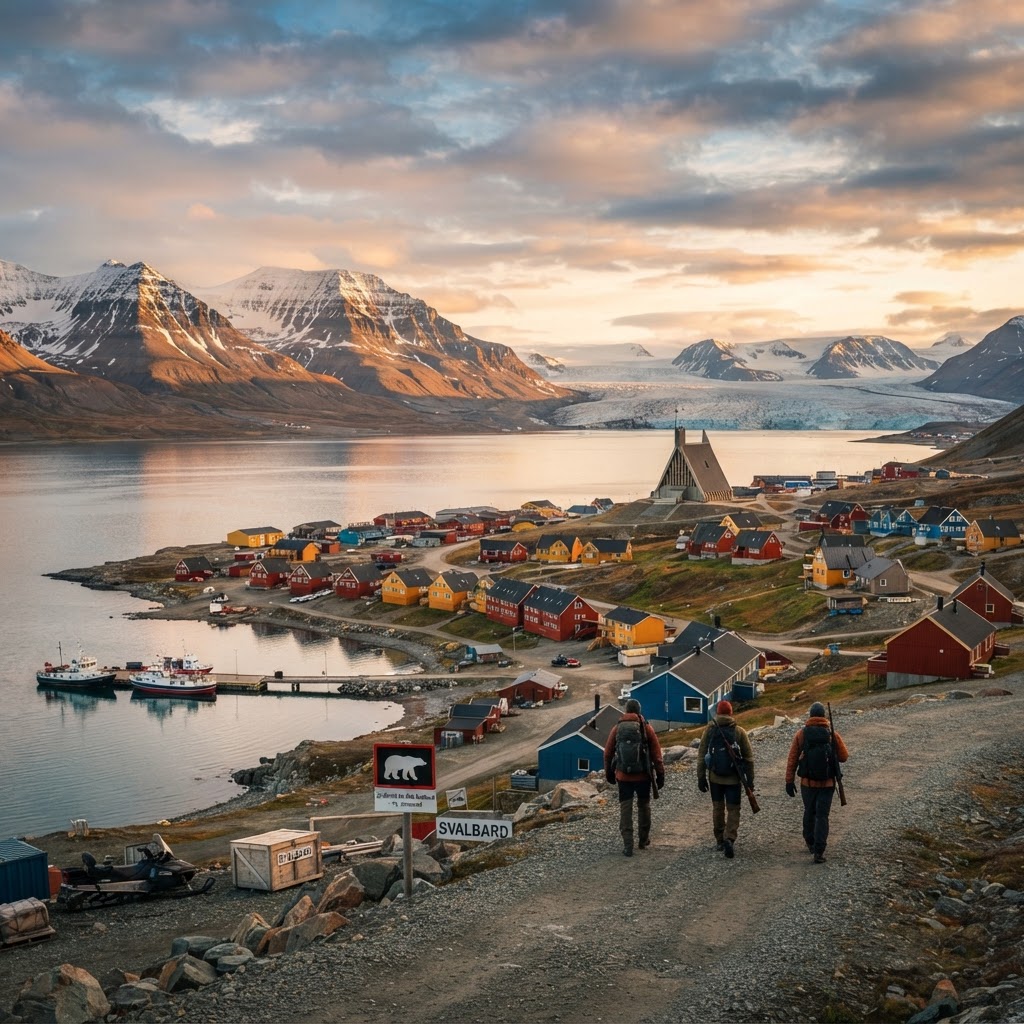
Svalbard
Norway
A high-Arctic outpost of active glaciers, polar wilderness, and strict wilderness protocol.
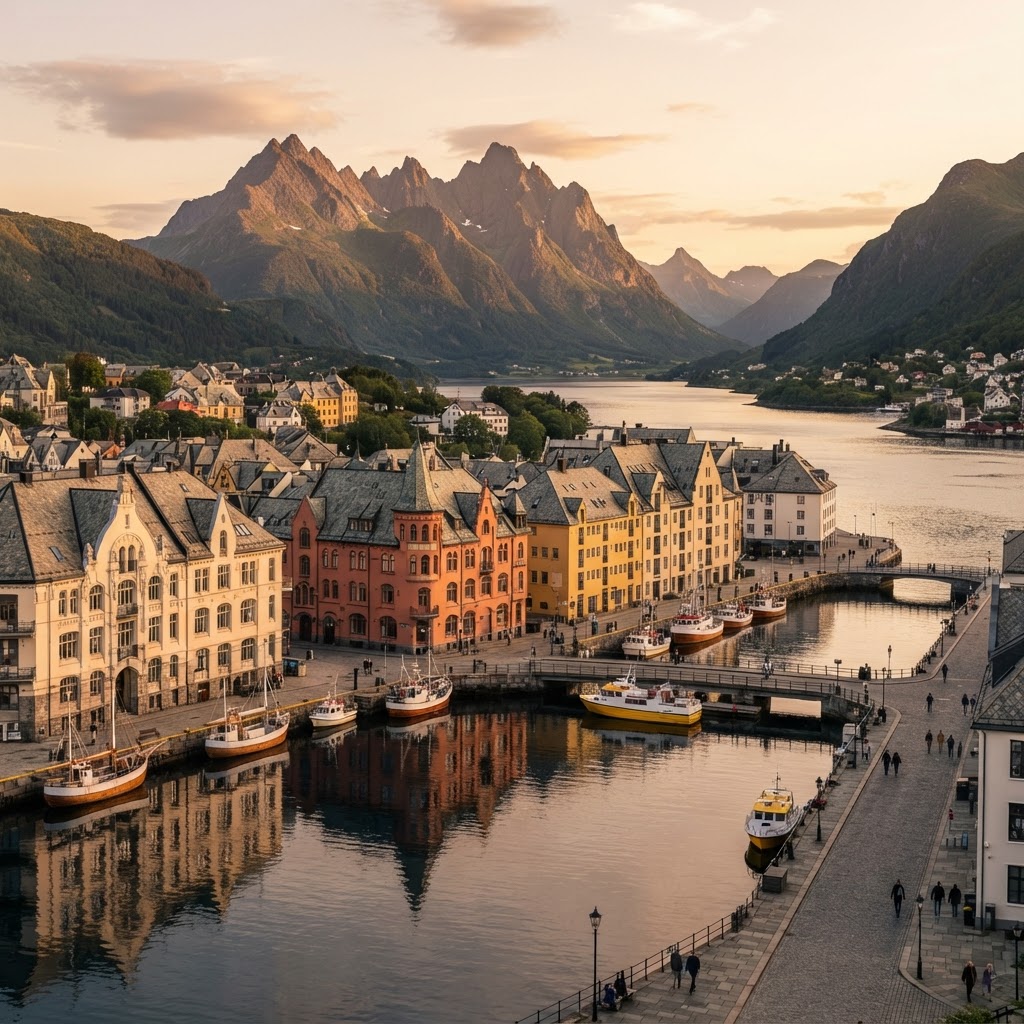
Ålesund
Norway
Art Nouveau waterfronts meeting untamed fjords and jagged Sunnmøre Alps.
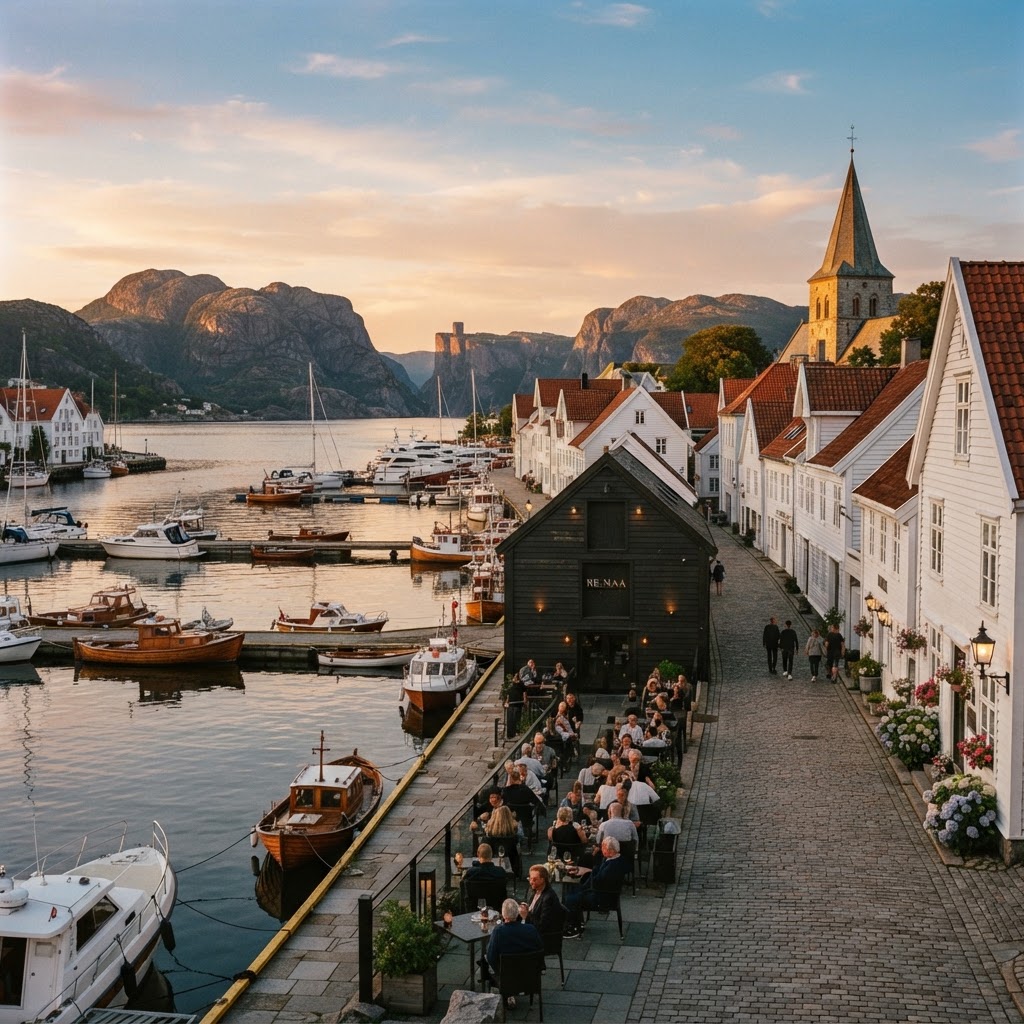
Stavanger, Norway
Norway
Architectural heritage, Michelin-caliber dining, and the rugged gateway to Lysefjord.
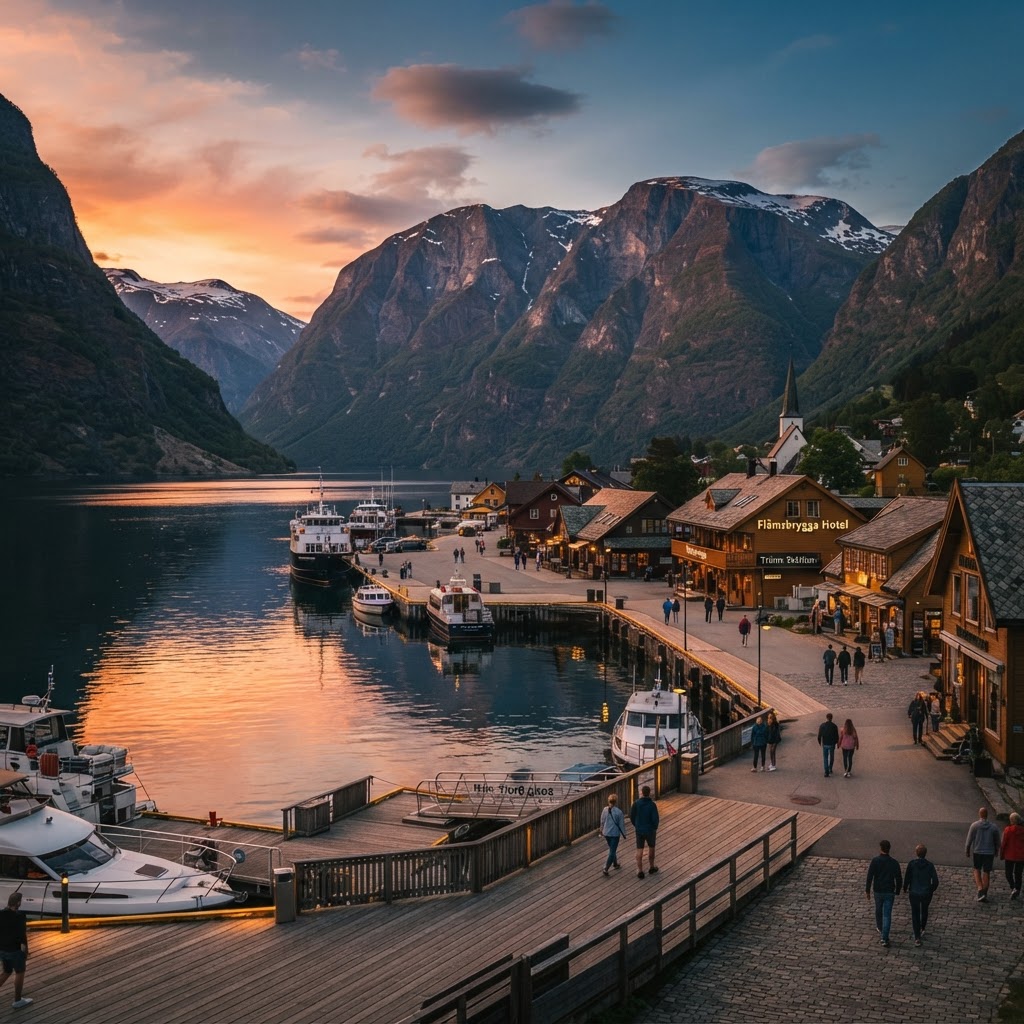
Flåm, Norway
Norway
A dramatic fjord terminus overwhelmed by day trippers at noon, magical at dusk.
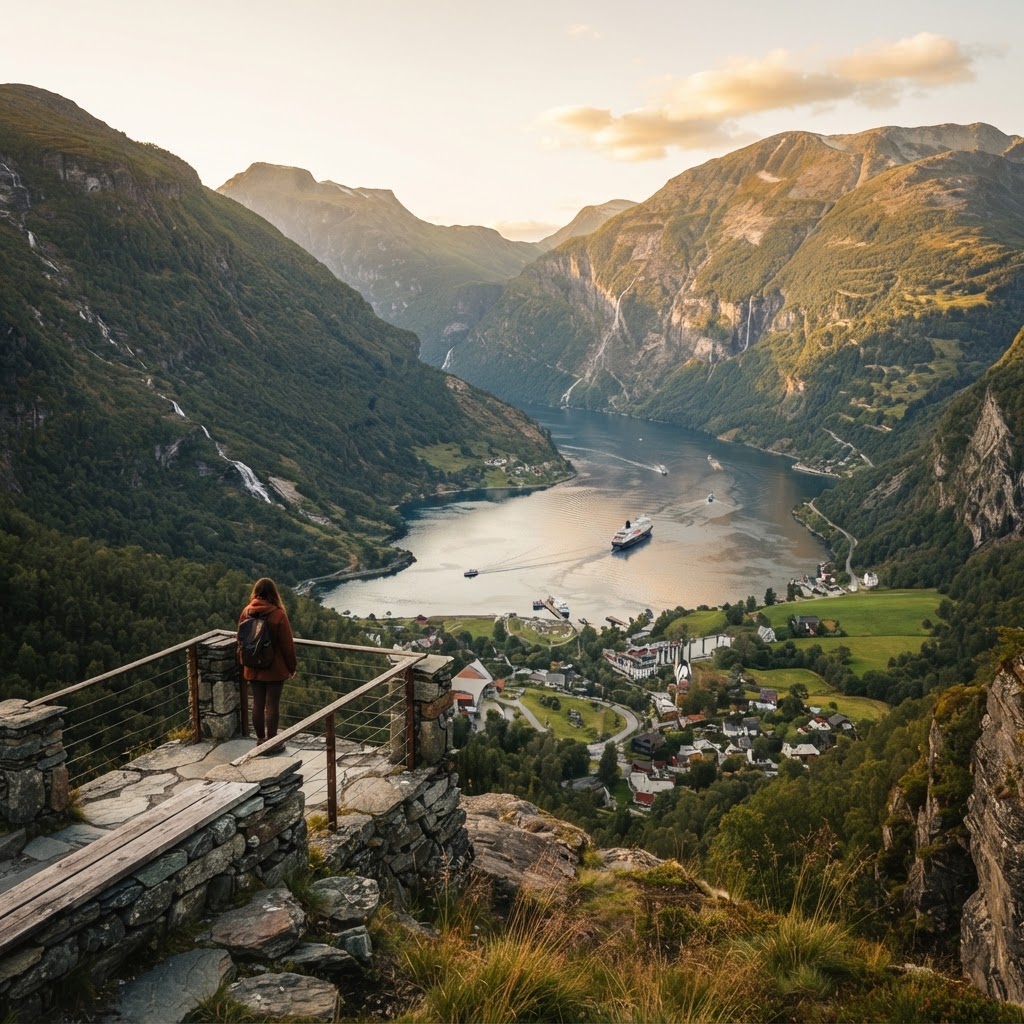
Geirangerfjord, Norway
Norway
Sheer granite cliffs, thunderous waterfalls, and high mountain viewpoints above Norway's most dramatic waterway.
Readymade itineraries
Start from a tested template — then make it yours.
Ready to book
Lock in your Oslo trip
Everything in one place. We may earn a small commission — it never costs you more.
Plan a trip to Oslo
Pick a length and we'll build a day-by-day plan around how you travel — neighborhoods clustered, budget-aware, and editable.
Get better at planning trips like this
Occasional notes on planning smarter — no spam, unsubscribe anytime.
Plan a trip to Oslo
Turn this guide into a day-by-day plan built around your pace, your group, and your budget.
Build my Oslo trip