Norway
Svalbard
A high-Arctic outpost of active glaciers, polar wilderness, and strict wilderness protocol.
Plan & book
Sort your Svalbard trip in one place.
We point you to the booking tools we'd actually use — live prices, no markup. Or let us build the day-by-day plan around you first, then book.
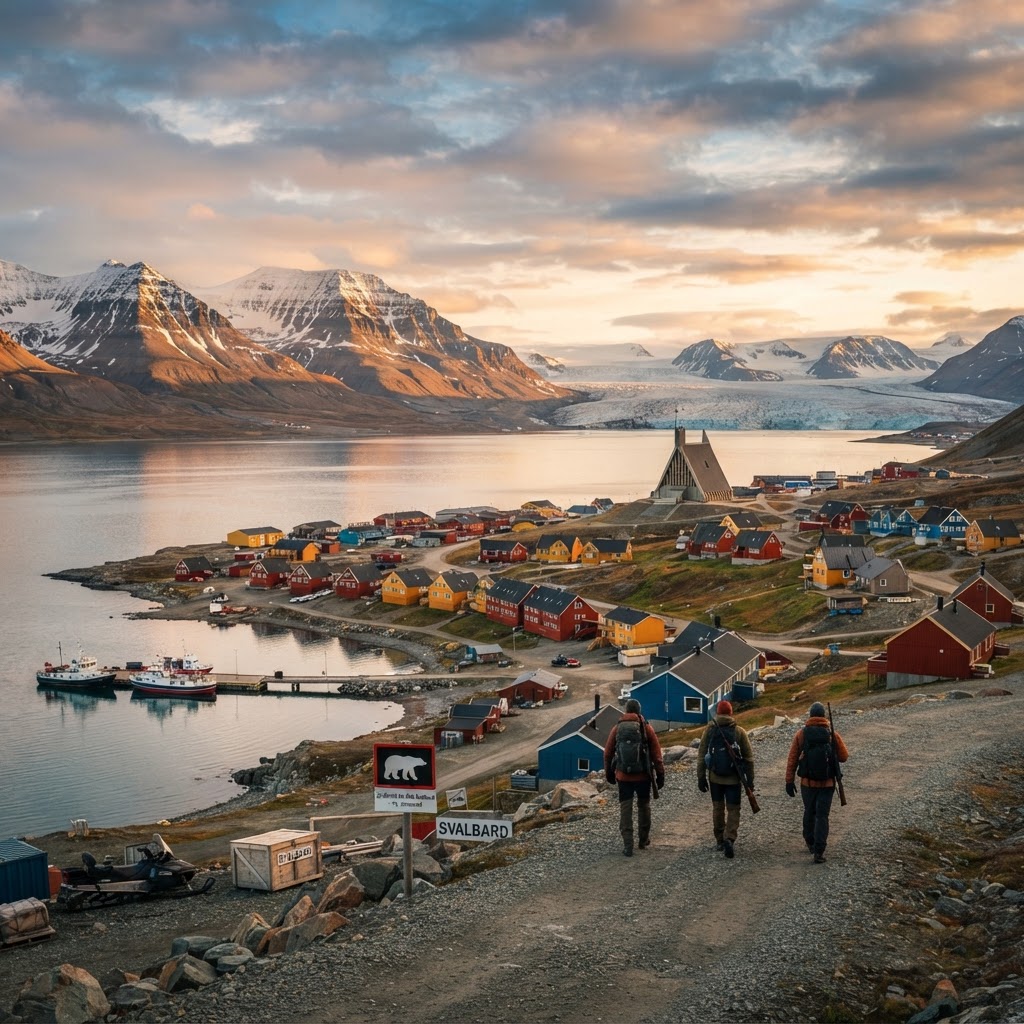
Perched at 78 degrees north midway between northern Norway and the North Pole, Svalbard is one of the planet's northernmost permanently inhabited settlements. The archipelago delivers severe Arctic beauty, calving glaciers, and genuine polar bear habitat, where human routine yields entirely to strict wilderness safety regulations and shifting ice.
4 to 5 days
Best time
March to April for 'Sunny Winter' adventures, or July to August for open fjords and wildlife.
Build your own trip with these prebuilt itineraries
Each one is a tested, day-by-day plan for Svalbard — start here, then make it yours.
3 Days in Svalbard: Polar History & Ghost Towns in Svalbard
A cultural and geopolitical dive exploring Soviet mining relics in Pyramiden or Barentsburg alongside Longyearbyen's frontier heritage
5 Days in Svalbard: Wildlife & Fjord Expedition in Svalbard
Summer midnight sun journey focused on boat expeditions, Arctic bird cliffs, marine wildlife spotting, and glacier fronts
4 Days in Svalbard: Arctic Winter Adventure in Svalbard
Active winter exploration featuring snowmobiling, dog sledding, and ice cave traverses during the sunny winter months
Svalbard offers raw Arctic access with standard civilian infrastructure. In Longyearbyen, travelers can base themselves in modern warmth while embarking on guided expeditions into remote fjord systems, ice caves, and abandoned Soviet mining settlements like Pyramiden and Barentsburg, all under 24-hour midnight sun or absolute polar darkness.
Where to stay
Getting there
Getting around
Food & drink
What it costs
Things to do
Book tours & tickets in SvalbardSkip it if
Travelers seeking budget breaks, casual unguided countryside strolls, warm-weather lounging, or accessible public transit networks should skip Svalbard.
When to go
March to April delivers blue skies, stable sea ice, and crisp snow ideal for snowmobiling without the deep freeze of midwinter. July and August unlock ice-free fjords for boat excursions to ghost towns and bird cliffs, though lodge rates and ship berths peak sharply.
Peak (March-April & June-August)
March and April bring crisp light, frozen terrain, and peak dog sledding; July and August bring 24-hour Midnight Sun, whale watching, and boat charters. Book outfitter guides and hotel rooms 6 to 10 months ahead.
Shoulder (May & September-October)
May brings thawing snow and slush, limiting both boat and snowmobile transit. September to October brings dramatic golden sunsets and rapid loss of daylight, offering quieter streets but restricted wilderness routes.
Low (November-February)
The Polar Night submerges Svalbard in 24-hour total darkness, offering midday auroras and cozy tavern culture, but sea ice and black tundra close most wilderness corridors outside the settlement perimeter.
Neighborhoods
Where you stay shapes the trip. Here's how to think about it.
Longyearbyen Sentrum
Compact pedestrian strip with expedition shops, Nordic dining, and historic mining heritage.
Best for:first-timers and walkable access
Don't miss:Taking off your shoes at the door at Svalbard Museum before touring the interactive Arctic history and polar research displays.
Sjøområdet (The Port Area)
Industrial waterfront hub serving as the embarkation point for Zodiacs, catamarans, and Arctic cruise ships.
Best for:expeditioners and boat-tour departures
Don't miss:The panoramic view of Adventfjorden and Mount Hiorthfjellet from the quayside before boarding a fjord cruise.
Nybyen
Rustic, elevated valley enclave composed of mid-century miners' barracks flanked by sheer scree slopes.
Best for:budget travelers and fine dining enthusiasts
Don't miss:Tasting multi-course Arctic gastronomy and touring the historic 20,000-bottle cellar at Huset restaurant.
Gruvedalen & Haugen
Quiet residential stretch of colorful stilt houses home to scientists, researchers, and local families.
Best for:photographers and academic visitors
Don't miss:Svalbard Church (Svalbard Kirke), the world's northernmost open church, offering 24/7 warmth and a peaceful overlook of the valley.
Destination intelligence
Updated 9/14/2026The structured record we plan every Svalbard itinerary from.
Walkability
High inside Longyearbyen's perimeter; strictly prohibited outside the town safety boundary without dedicated firearms and bear deterrents.
Transit quality
Low. There is no municipal transit system; transit consists of the Svalbard flybuss airport shuttle, a handful of local taxis, and outfitter minibuses.
Car needed
No. Road infrastructure is disconnected and under 50 km total. Travel between sights and outposts happens by snowmobile, expedition boat, or dog sled.
Ideal duration
4 to 5 days
Minimum useful
3 days
Peak season
June through August (Midnight Sun, boat touring, active wildlife) and March through April (Sunny Winter, prime snowmobiling and dog sledding).
Shoulder season
May (snow thaw transition) and September to October (first snowfalls, rapidly diminishing light).
Low season
November through January (Polar Night, 24-hour total darkness, restricted water access).
Best for
Common mistakes
- Stepping past the designated polar bear warning signs outside Longyearbyen without an armed licensed guide or approved firearm and flare kit.
- Booking a winter Northern Lights trip expecting reliable colorful auroras; Svalbard sits so far north it is often inside the auroral oval, yielding fainter daytime auroras rather than explosive southern-latitude green bands.
- Attempting to rent a standard car for exploration; Svalbard has roughly 40 kilometers of isolated roadway that never connects the scattered settlements.
- Underestimating windchill during snowmobile or open-boat excursions; extreme thermal suits are required gear even in spring.
Best nearby
How to plan it
- Stay in Longyearbyen Sentrum if you want easy foot access to outfitter meeting points, cafes, and supermarkets without relying on hotel shuttles.
- Base yourself in Nybyen for lower accommodation rates and direct trail access, but expect a 25-minute walk or taxi ride into the commercial town center.
- Do not book back-to-back high-intensity excursions on your arrival or departure days; Arctic weather delays flights routinely.
- Book guided boat tours to Pyramiden or Barentsburg at least two to four months ahead for peak summer, as passenger berths fill with expedition traffic.
- Plan your trip around daylight season: choose mid-November through January purely for total darkness and auroras, or April through July for round-the-clock outdoor exploration.
Questions
More in Norway
Trondheim
Norway
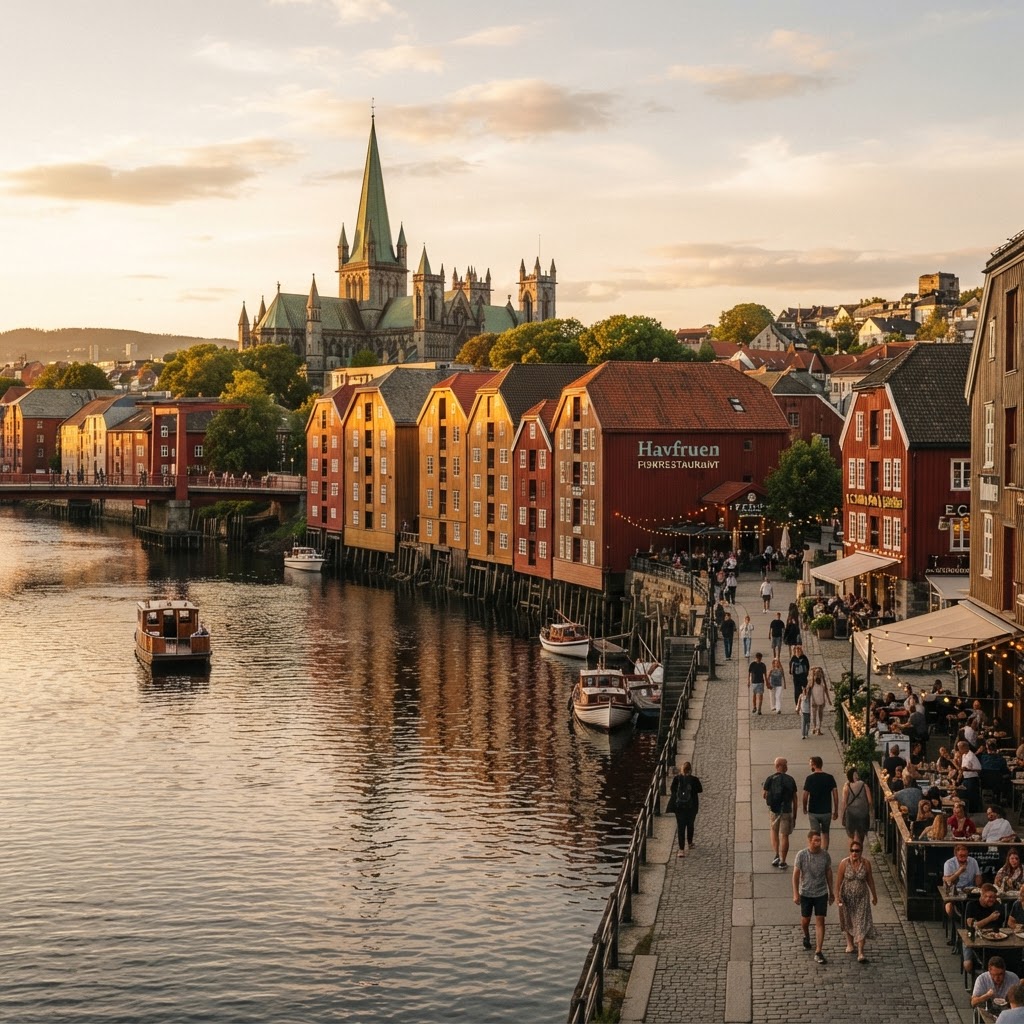
Norway’s medieval capital transformed into a Nordic culinary powerhouse
Ålesund
Norway
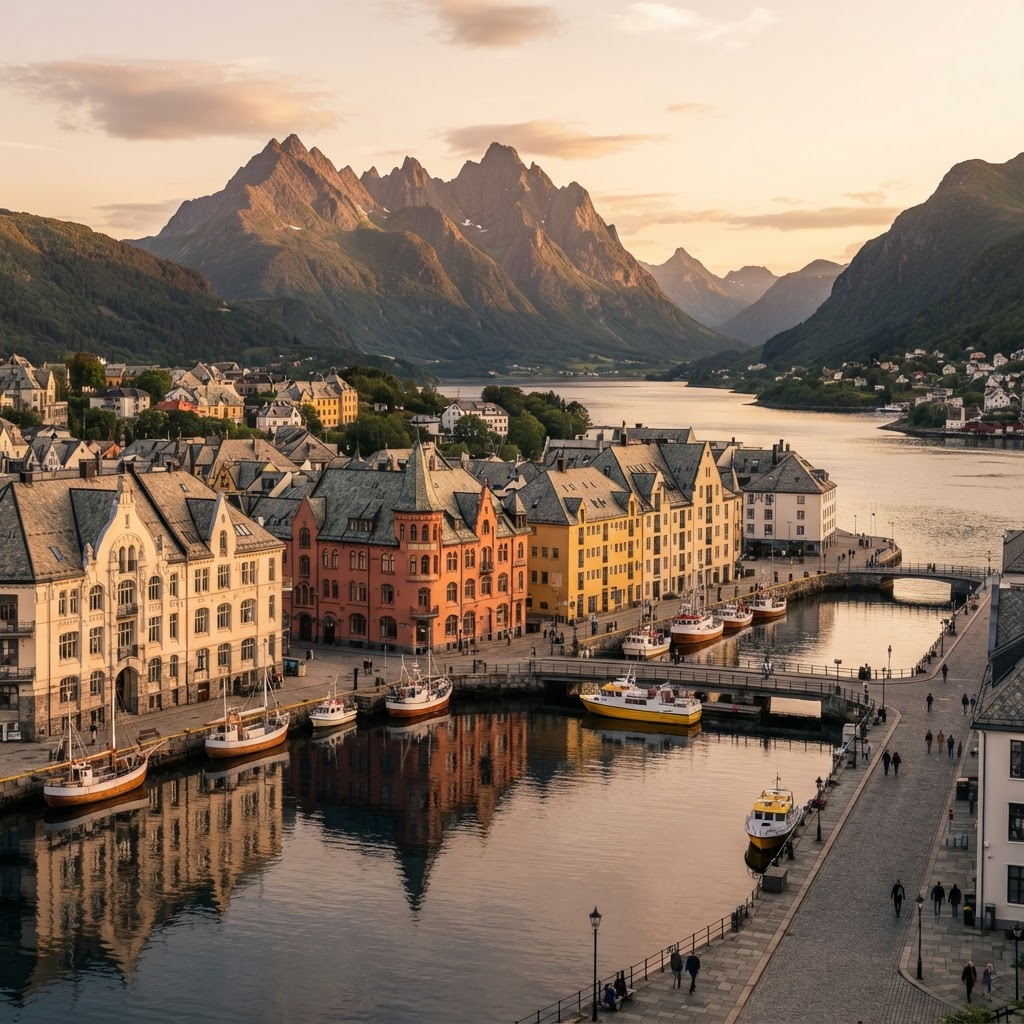
Art Nouveau waterfronts meeting untamed fjords and jagged Sunnmøre Alps.
Stavanger, Norway
Norway
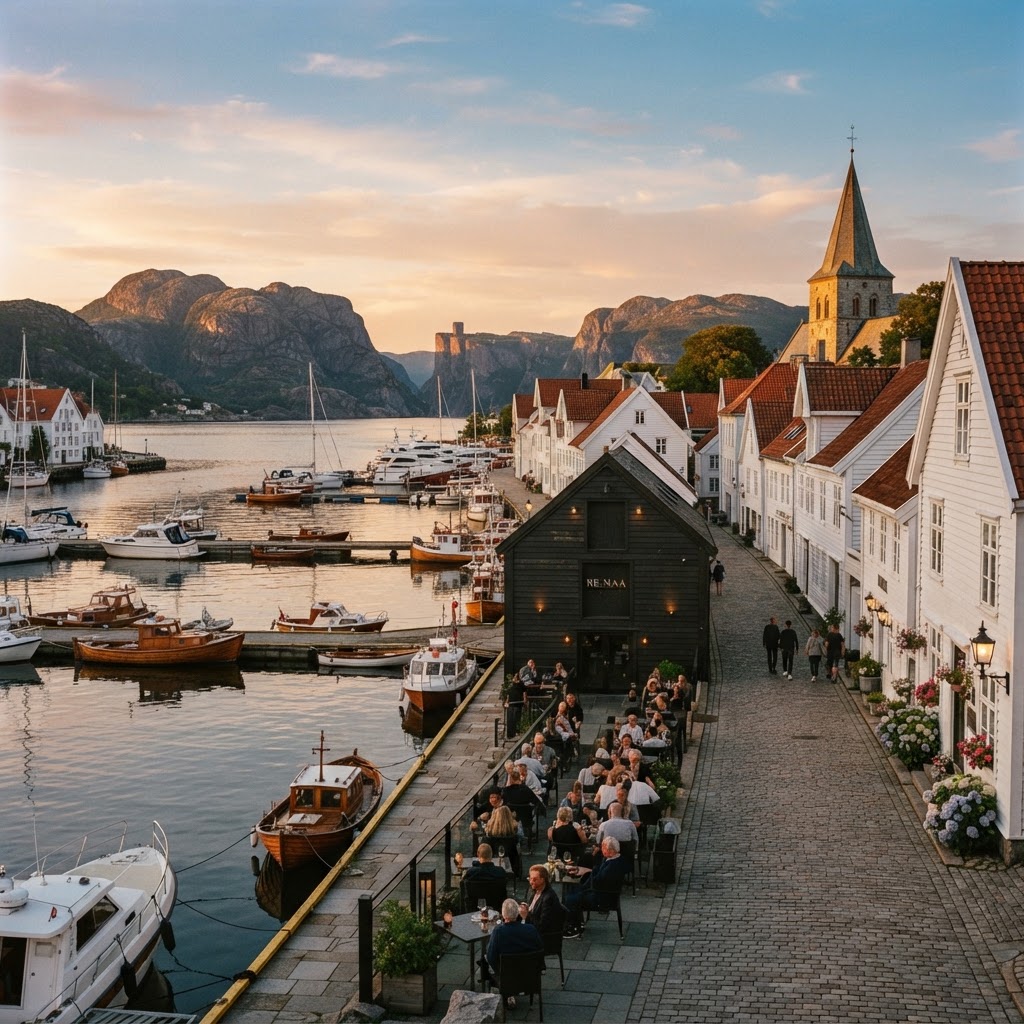
Architectural heritage, Michelin-caliber dining, and the rugged gateway to Lysefjord.
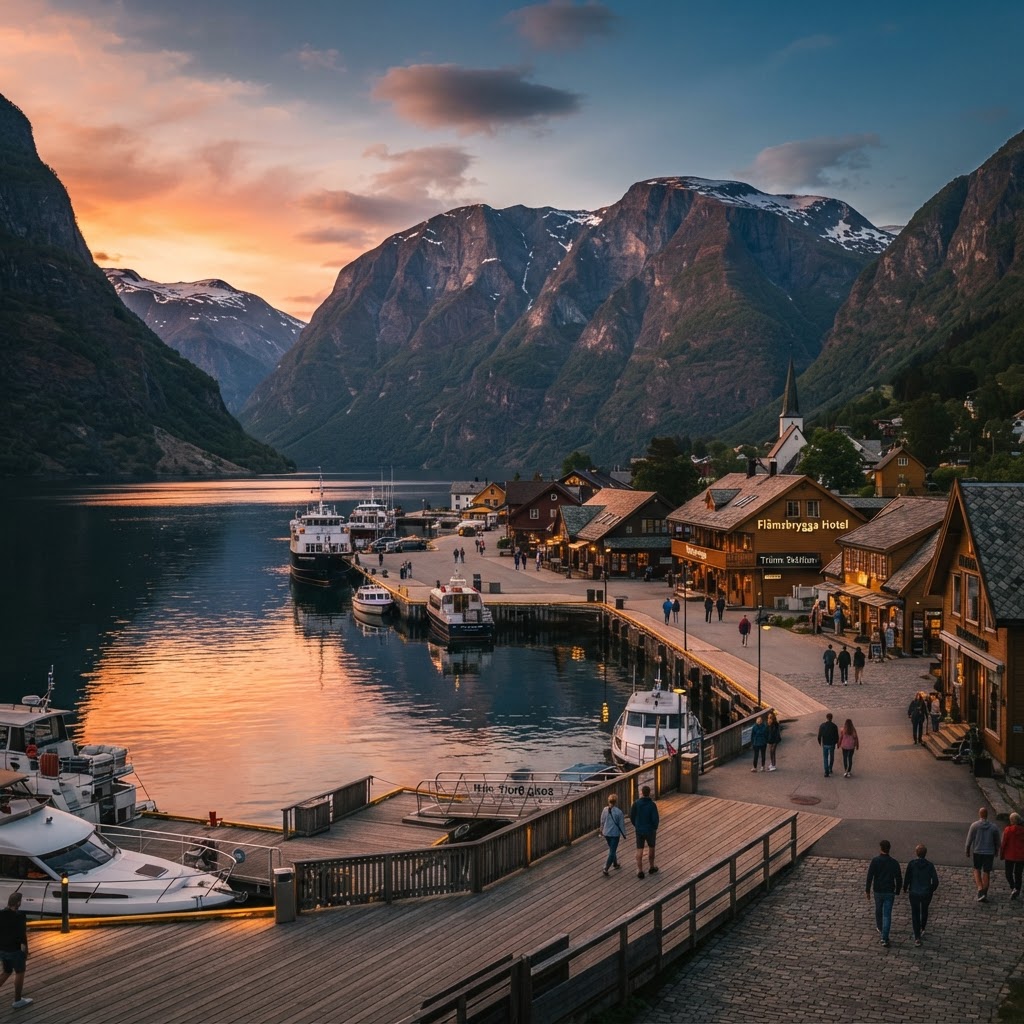
Flåm, Norway
Norway
A dramatic fjord terminus overwhelmed by day trippers at noon, magical at dusk.
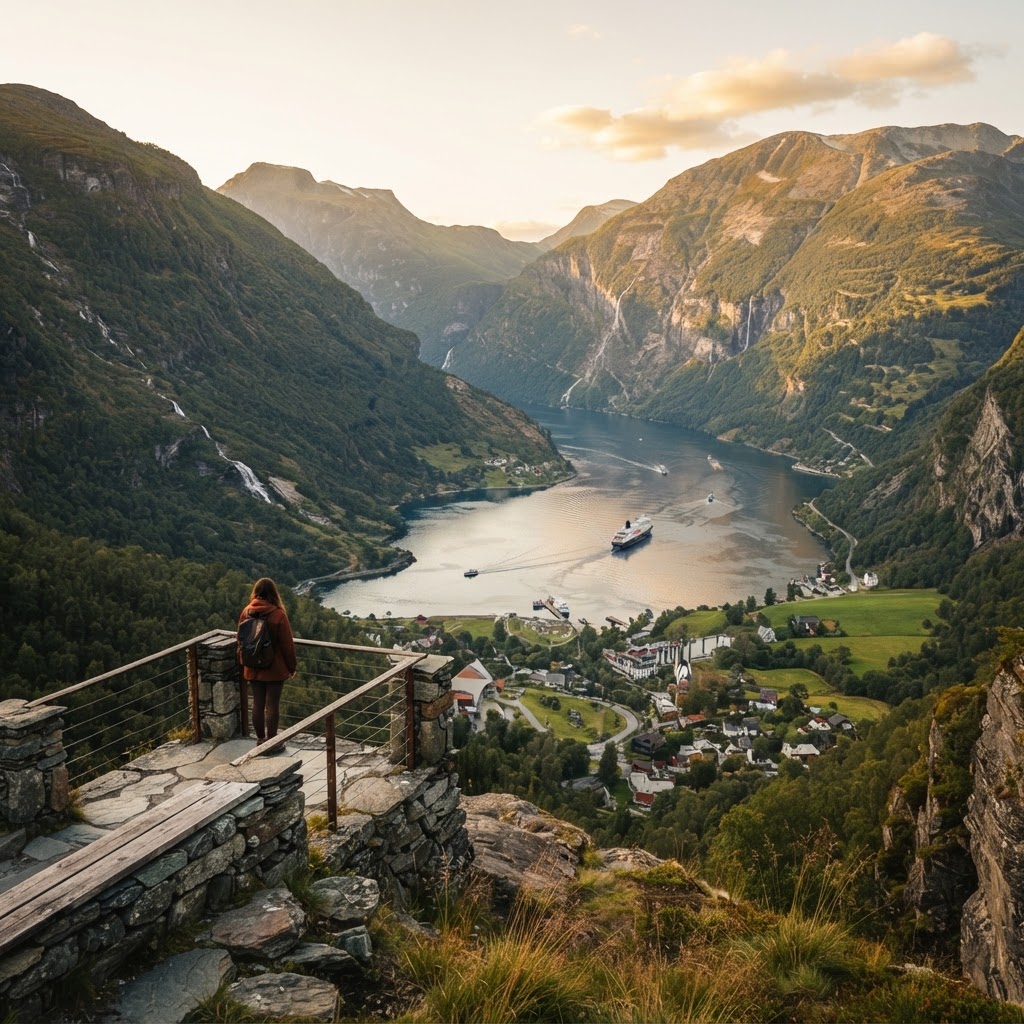
Geirangerfjord, Norway
Norway
Sheer granite cliffs, thunderous waterfalls, and high mountain viewpoints above Norway's most dramatic waterway.
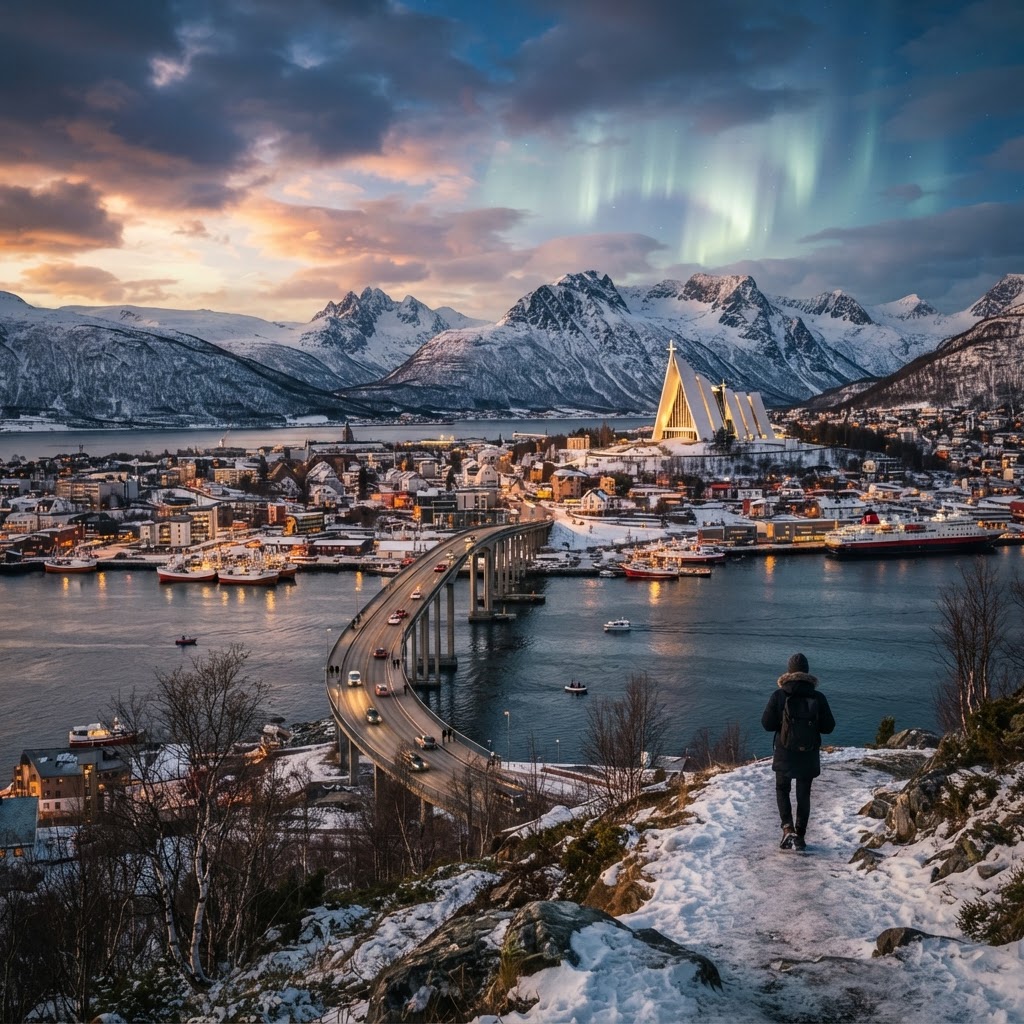
Tromsø
Norway
The Arctic gateway where jagged fjords meet high culture and unpredictable aurora skies.
Readymade itineraries
Start from a tested template — then make it yours.
Ready to book
Lock in your Svalbard trip
Everything in one place. We may earn a small commission — it never costs you more.
Plan a trip to Svalbard
Pick a length and we'll build a day-by-day plan around how you travel — neighborhoods clustered, budget-aware, and editable.
Get better at planning trips like this
Occasional notes on planning smarter — no spam, unsubscribe anytime.
Plan a trip to Svalbard
Turn this guide into a day-by-day plan built around your pace, your group, and your budget.
Build my Svalbard trip