
United States
Olympic National Park, Washington
Three distinct wilderness ecosystems packed into one rugged, road-encircled peninsula.
Plan & book
Sort your Olympic National Park, Washington trip in one place.
We point you to the booking tools we'd actually use — live prices, no markup. Or let us build the day-by-day plan around you first, then book.
Covering nearly one million acres on Washington's rugged Olympic Peninsula, Olympic National Park contains three distinct biomes: subalpine peaks, temperate rainforests, and wild Pacific coastline. Because no paved roads traverse the park's mountainous interior, exploring it requires circling its perimeter along US Highway 101, splitting your nights between gateway coastal towns and mountain bases.
4 to 5 days
Mid-July through September
Build your own trip with these prebuilt itineraries
Each one is a tested, day-by-day plan for Olympic National Park, Washington — start here, then make it yours.
5 Days in Olympic: The Grand Loop in Olympic National Park
A classic multi-base road trip circling Highway 101 to take in Hurricane Ridge alpine vistas, Lake Crescent, deep rainforests, and wild Pacific headlands
4 Days in Olympic: Backcountry & Alpine Day Hikes in Olympic National Park
An active, trail-intensive itinerary targeting high-elevation ridgelines, glacial river valleys, and rugged tide-timed coastal traverses
3 Days in Olympic: Rugged Coast & Rainforest in Olympic National Park
A high-impact coastal and temperate rainforest route prioritizing early morning access to Hoh and iconic sea stack beaches from a western base
Few places on earth allow you to hike through snow-dusted subalpine ridges at Hurricane Ridge, stand beneath massive moss-draped Sitka spruce in the Hoh Rain Forest, and inspect tidal surge channels bordered by colossal sea stacks at Rialto Beach, all across a single weekend.
Where to stay
Getting there
Getting around
Food & drink
What it costs
Skip it if
Skip Olympic if you hate driving long distances between stops, require luxury urban amenities and high-end dining steps from your room, or have only one single day to spare from Seattle—Mount Rainier is far better suited for a tight single-day excursion.
When to go
This narrow window delivers open alpine trails, minimal coastal rain, and warm daylight. The clear tradeoff is peak traffic backlogs at the Hoh Rain Forest gate and inflated lodging rates across Highway 101.
Peak (July to August)
Lowest seasonal rainfall and completely snow-free high-country routes, but expect packed trailheads by 9:00 AM and sold-out lodging months in advance.
Shoulder (May to June & September to October)
Autumn brings elk rut bugling and dramatic lighting with fewer cars; late spring is lush and rushing with meltwater waterfalls, though high mountain passes stay snowbound.
Low (November to April)
Relentless Pacific frontal deluges flood the rainforests, while Hurricane Ridge operates with restricted winter weekend access requiring tire chains.
Neighborhoods
Where you stay shapes the trip. Here's how to think about it.
Port Angeles
Salty harbor supply hub with working docks, craft taprooms, and direct mountain access.
Best for:First-timers, dining options, and staging alpine hikes to Hurricane Ridge
Don't miss:Fresh Dungeness crab at down-to-earth waterfront eateries followed by a morning run up Hurricane Ridge Road.
Forks
Quiet, logging-and-twilight coastal highway crossroads built for pure staging logistics.
Best for:Road-trippers prioritizing early entries to Hoh Rain Forest and Rialto Beach
Don't miss:Picking up early morning diner breakfasts before racing the crowds to the Hoh entrance station.
Lake Quinault
Serene, historic lakeside enclave dwarfed by mossy temperate old-growth giants.
Best for:Couples, photographers, and travelers seeking rustic historic lodge pacing
Don't miss:Walking the Quinault Rain Forest loop from Lake Quinault Lodge under record-breaking Sitka spruce trees.
Port Townsend
Stately Victorian seaport packed with preservation architecture, bookstores, and cideries.
Best for:Design lovers, foodies, and travelers wanting historic charm on the approach drive
Don't miss:Sampling heirloom orchard cider along the historic uptown streets and touring Fort Worden Historical State Park.
Sequim & Dungeness
Sun-drenched agricultural valley sitting safely inside the Olympic Mountains' rain shadow.
Best for:Families, relaxed lodging, and avoiding coastal rainstorms
Don't miss:Walking the windy spit trail out along the Dungeness National Wildlife Refuge.
Destination intelligence
Updated 9/14/2026The structured record we plan every Olympic National Park, Washington itinerary from.
Walkability
Car-dependent base to base; walking is strictly confined to designated hiking trails and small downtown strips in Port Angeles and Port Townsend.
Transit quality
Very Poor. Clallam Transit operates limited regional buses connecting coastal towns along Highway 101, but they do not provide workable schedules for internal park trailheads.
Car needed
Yes, absolutely essential.
Ideal duration
4 to 5 days
Minimum useful
2 full days
Peak season
July to August, offering the lowest rainfall, open high-country trails, and accessible alpine ridgelines, paired with dense crowds and full parking lots.
Shoulder season
May to June and September to October, featuring crisp weather, dramatic cloudscapes, elk bugling in autumn, and significantly fewer vehicles at trailhead gates.
Low season
November to April, characterized by intense Pacific frontal storms, heavy rainforest precipitation, and snow closures across high-elevation routes like Hurricane Ridge.
Best for
Common mistakes
- Treating Olympic as a day trip from Seattle, resulting in 6+ hours behind the wheel and missing the best coastal or rainforest light.
- Booking a single hotel base for the whole trip, forcing redundant 3-hour daily round-trips along Highway 101.
- Arriving at the Hoh Rain Forest entrance station between 10:00 AM and 2:00 PM in July or August, when vehicle waits routinely exceed 90 minutes.
- Hiking coastal beaches without checking NOAA tide charts, risking being cut off by rising waters at headlands like Hole-in-the-Wall.
- Underpacking rain gear and warm layers during summer; coastal fog and rainforest drizzle can drop temperatures to 50°F even when Seattle is 85°F.
Best nearby
How to plan it
- Split your stay: spend 2 nights in Port Angeles for northern alpine access, then 2 nights around Forks or Quinault for the coast and rainforest.
- Never attempt Hurricane Ridge and the Hoh Rain Forest on the same day; they sit nearly 2.5 hours apart on winding two-lane roads.
- Time your visit to Rialto Beach and the Hole-in-the-Wall trail strictly around low tide to access the marine tidepools safely.
- Pack serious waterproof shells and layered fleece even in mid-summer; coastal fog and rainforest drizzle can drop temperatures abruptly.
- Pre-book vehicle passage on the Bainbridge or Edmonds-Kingston ferries if traveling during Friday afternoons or holiday weekends from Seattle.
Questions
More in United States
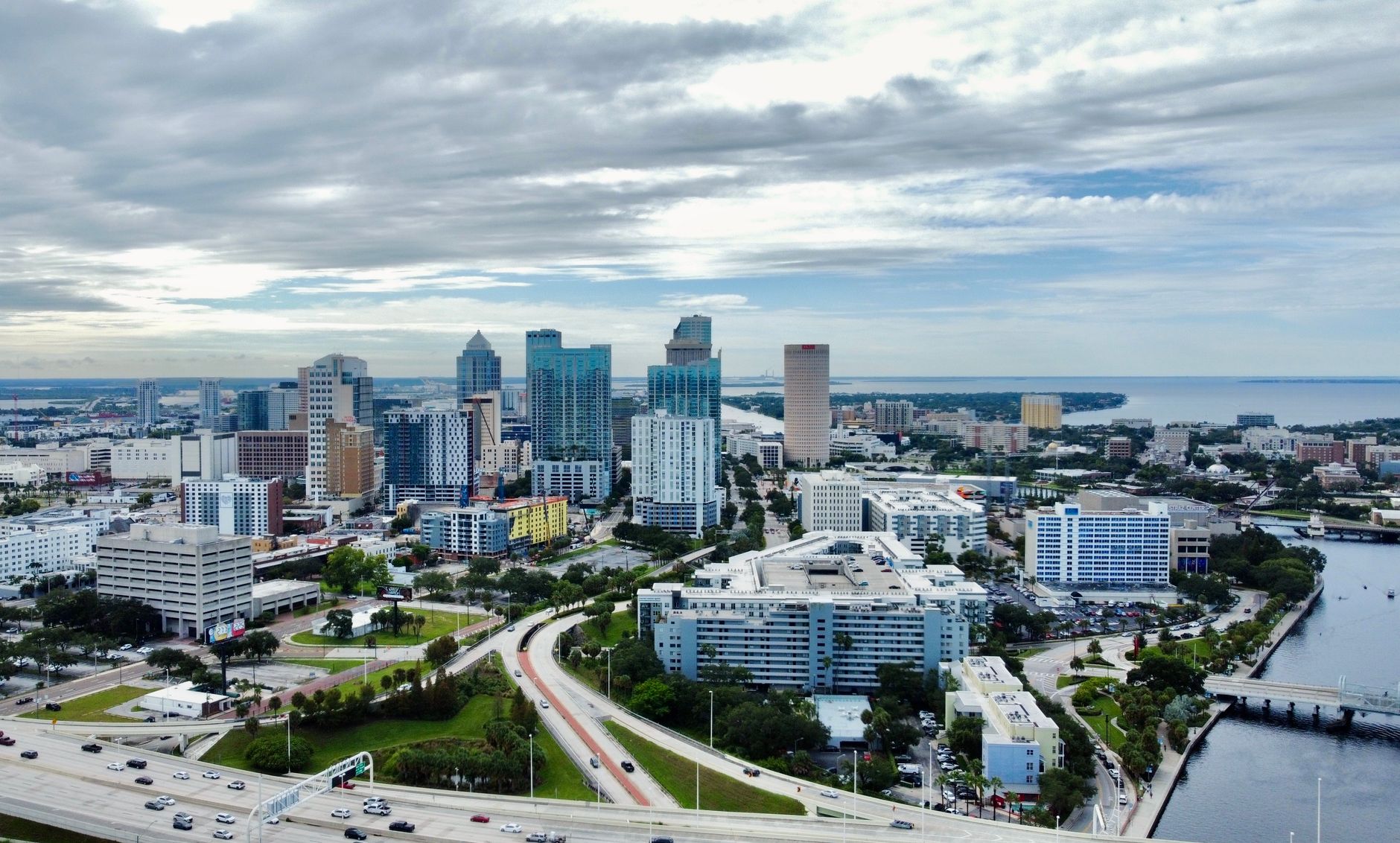
Tampa, Florida
United States
A historic cigar-making heritage wrapped in polished waterfront revivals and Gulf Coast culinary ambition.
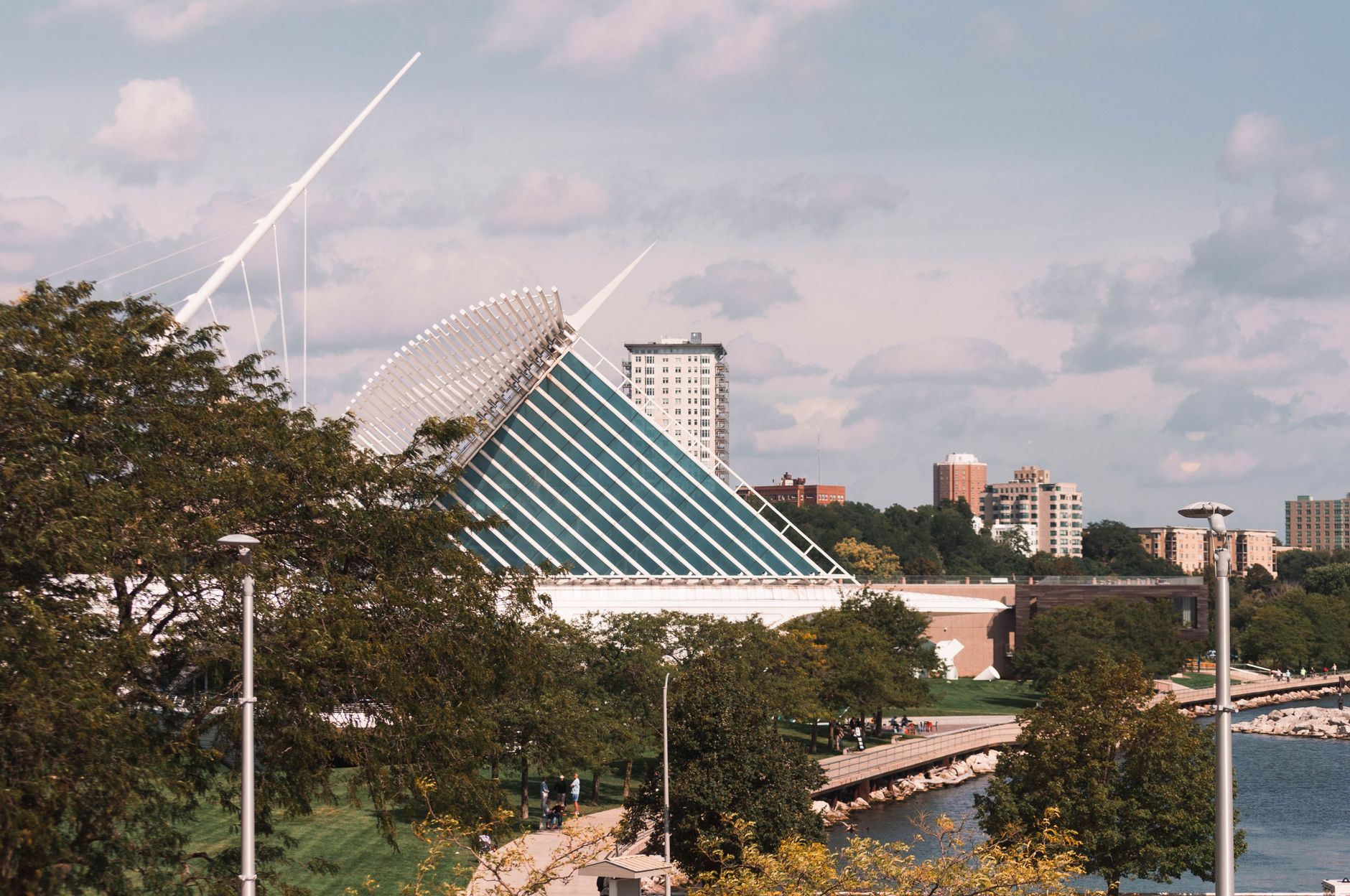
Milwaukee, Wisconsin
United States
Industrial lakeside cool anchored by serious culinary chops and effortless urban grit.
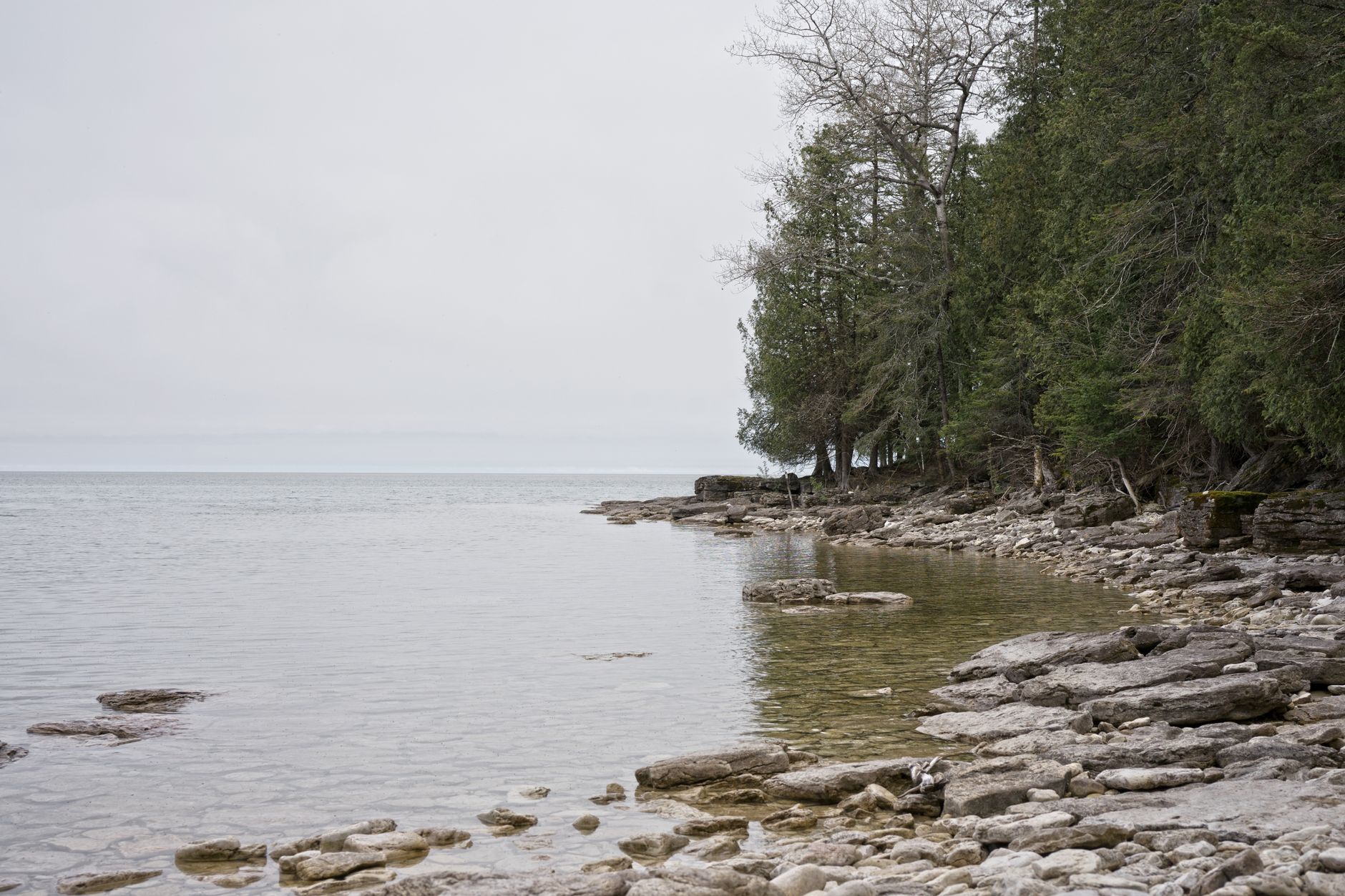
Door County, Wisconsin
United States
Limestone bluffs, heritage cherry orchards, and lakefront villages on Lake Michigan.

Traverse City, Michigan
United States
Freshwater bays, cool-climate vineyards, and windswept dunes anchored by a farm-driven culinary hub.
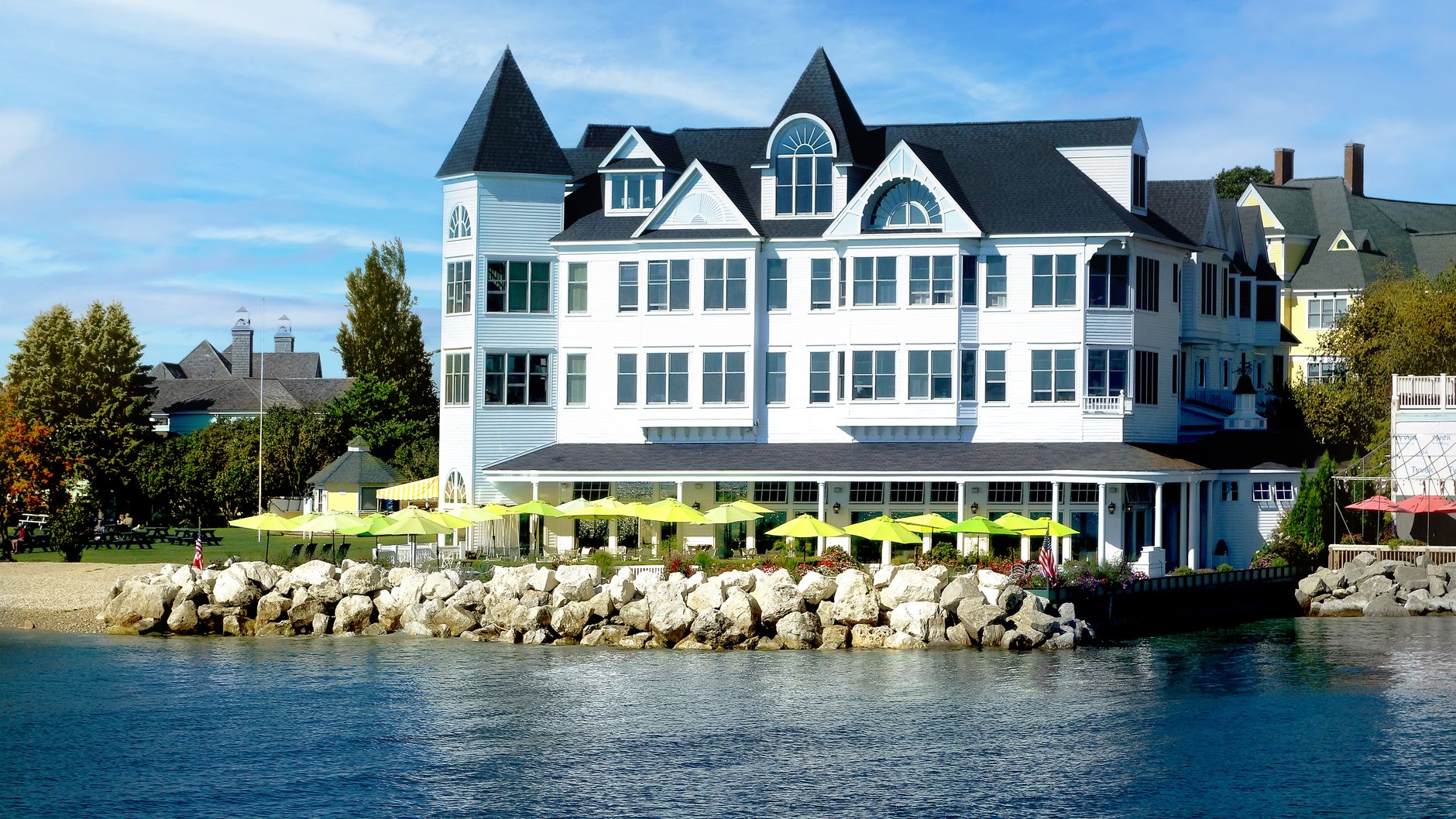
Mackinac Island, Michigan
United States
Car-free Victorian bluffs, freshwater coastlines, and horse-drawn transport

Baltimore, Maryland
United States
Industrial maritime roots, blue-collar grit, and distinct neighborhood enclaves.
Readymade itineraries
Start from a tested template — then make it yours.
Ready to book
Lock in your Olympic National Park, Washington trip
Everything in one place. We may earn a small commission — it never costs you more.
Plan a trip to Olympic National Park, Washington
Pick a length and we'll build a day-by-day plan around how you travel — neighborhoods clustered, budget-aware, and editable.
Get better at planning trips like this
Occasional notes on planning smarter — no spam, unsubscribe anytime.
Plan a trip to Olympic National Park, Washington
Turn this guide into a day-by-day plan built around your pace, your group, and your budget.
Build my Olympic National Park, Washington trip