Indonesia
Nusa Penida
Dramatic limestone precipices, rough tracks, and wild pelagic marine encounters
Plan & book
Sort your Nusa Penida trip in one place.
We point you to the booking tools we'd actually use — live prices, no markup. Or let us build the day-by-day plan around you first, then book.
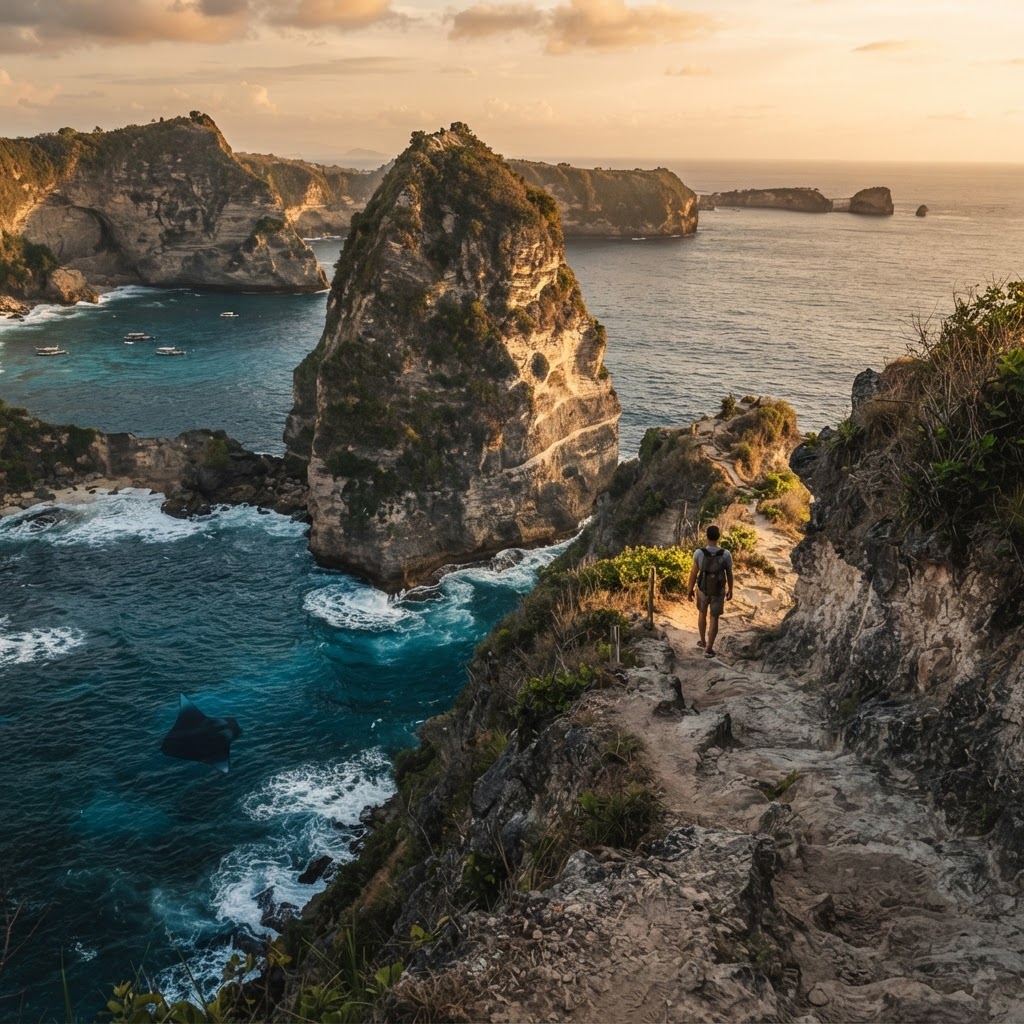
Lying 25 kilometers southeast across the Badung Strait from mainland Bali, Nusa Penida is an arid, rugged limestone plateau known for towering sea cliffs, bone-jarring secondary roads, and world-class drift diving. The island rewards physical grit and patience with sights like the T-Rex headland at Kelingking and giant manta rays gliding through cleaning stations at Manta Point.
3 days
Best time
May to June and September to October for clear skies, manageable crowds, and calm sea crossings.
Build your own trip with these prebuilt itineraries
Each one is a tested, day-by-day plan for Nusa Penida — start here, then make it yours.
5 Days in Nusa Penida: Ocean Diving & Hidden Scrambles in Nusa Penida
An adventurous in-depth expedition tailored for certified scuba divers chasing Mola mola and active explorers tackling remote southern trails and deep sea caves.
3 Days in Nusa Penida: Complete Highlights & Snorkeling in Nusa Penida
The ideal classic route balancing the dramatic clifftop lookouts with boat trips to snorkel with manta rays at Manta Point and Crystal Bay.
2 Days in Nusa Penida: Essential Coastlines in Nusa Penida
A high-impact loop separating the iconic west and east dramatic cliff landscapes using a dedicated private driver.
Come for sheer vertical terrain and marine drama that mainland Bali cannot replicate. Between the sheer limestone headlands of Diamond Beach and the chance to scuba dive or snorkel alongside year-round resident manta rays and seasonal ocean sunfish (Mola mola), Nusa Penida offers raw, visceral nature for travelers willing to bypass resort pampering.
Where to stay
Getting there
Getting around
Food & drink
What it costs
Things to do
Book tours & tickets in Nusa PenidaSkip it if
Skip Nusa Penida if you require seamless resort walkability, travel with small children or strollers, experience severe motion sickness in cars, or expect upscale nightlife, beach clubs, and polished infrastructure.
When to go
Dry season offers crisp views and safe road conditions, but July and August bring dense tour-boat traffic and surging accommodation rates. The shoulder months retain dry weather for scooter and car transit while bypassing peak tourist congestion.
Peak (July to August)
Bone-dry weather and prime conditions for spotting ocean sunfish (Mola mola), but fast boats sell out and cliffside trails get severely bottlenecked.
Shoulder (May to June & September to October)
Optimal balance of dry roads, clear waters, and relaxed vibes at major viewpoints like Kelingking and Diamond Beach.
Low (November to April)
Monsoon squalls turn steep dirt tracks into slick mud, while rough swell frequently delays Sanur speedboats and ruins snorkel visibility.
Neighborhoods
Where you stay shapes the trip. Here's how to think about it.
Toyapakeh & Banjar Nyuh
Bustling harbor hub packed with dive shops, boat transfers, and easy port access.
Best for:first-timers and divers
Don't miss:Catching morning dive boat departures directly from the harbor toward Manta Point and Toyapakeh reef.
Ped & Batununggul (North Coast)
Laid-back coastal strip with beachfront warungs, evening cafes, and Mount Agung vistas.
Best for:independent travelers, couples, and food lovers
Don't miss:Sunset drinks on the sand at Penida Colada followed by fresh local grilled seafood.
Crystal Bay & Sakti
Sleepy, rural pocket bordering palm groves and the island's prime western swimming cove.
Best for:sunset seekers, snorkelers, and quiet retreats
Don't miss:Afternoon snorkeling along the sheltered reef edge at Crystal Bay before the cliff shades the sand.
Suana & East Coast
Remote, untouched coastal fringe fronting seaweed farms and dramatic sunrise views.
Best for:early risers and photographers hitting Diamond Beach
Don't miss:An early morning descent into the subterranean limestone cavern shrine at Pura Goa Giri Putri.
Destination intelligence
Updated 9/14/2026The structured record we plan every Nusa Penida itinerary from.
Walkability
Very Poor: Sights are separated by miles of mountainous, unpaved terrain without sidewalks. Foot travel is limited strictly to your immediate resort pocket or beach paths.
Transit quality
Non-existent: No public buses, shared shuttles, app-based hailing, or metered taxis exist. All travel relies on pre-booked private drivers or rented scooters.
Car needed
Yes: A hired private car with an experienced local driver is strongly recommended for safety and efficiency.
Ideal duration
3 days
Minimum useful
2 days (1 night)
Peak season
July to August (dry skies, busy boat crossings, prime conditions for Mola mola diving)
Shoulder season
May to June & September to October (optimal balance of dry roads, clear water, and manageable crowds)
Low season
November to April (monsoon downpours make dirt roads muddy, sea crossings rough, and snorkeling visibility variable)
Best for
Common mistakes
- Booking an express day trip from Bali: you spend 5 hours in transit and traffic only to see two viewpoints during peak midday heat and crowds.
- Renting a scooter with minimal riding experience: loose gravel, sheer drops, and single-lane potholes cause daily wipeouts and injuries.
- Underestimating ocean currents: swimming at Kelingking or Angel's Billabong can be lethal due to sudden rogue swells and rip currents; heed warning flags.
- Attempting both the West Coast (Kelingking, Broken Beach) and East Coast (Diamond Beach, Atuh) on the same day without factoring in 90-minute cross-island transfer times.
Best nearby
See what a trip to Indonesia actually costs. Travel Budget Co.
How to plan it
- Dedicate Day 1 exclusively to the West Coast (Kelingking Cliff, Broken Beach, Angel's Billabong) and Day 2 to the East Coast (Diamond Beach, Atuh Beach, Thousand Islands viewpoint) to avoid spending six hours in transit across unpaved roads.
- Book an early morning manta ray snorkel or dive trip to Manta Point and Crystal Bay before 08:30 AM to beat the massive fleet of day-trip speedboats streaming in from Sanur and Nusa Lembongan.
- Stay along the northern coastal strip (Ped or Batununggul) if you want dinner and cafe options within easy reach after sunset without navigating unlit highland roads in the dark.
- If descending the steep stairs at Kelingking or Diamond Beach, wear proper grip shoes with closed toes; doing these cliff climbs in flip-flops is unsafe and slows foot traffic on single-file handrail paths.
- Secure fast boat return tickets to Sanur at least 48 hours in advance during the dry season, as popular afternoon departures sell out quickly.
Questions
More in Indonesia
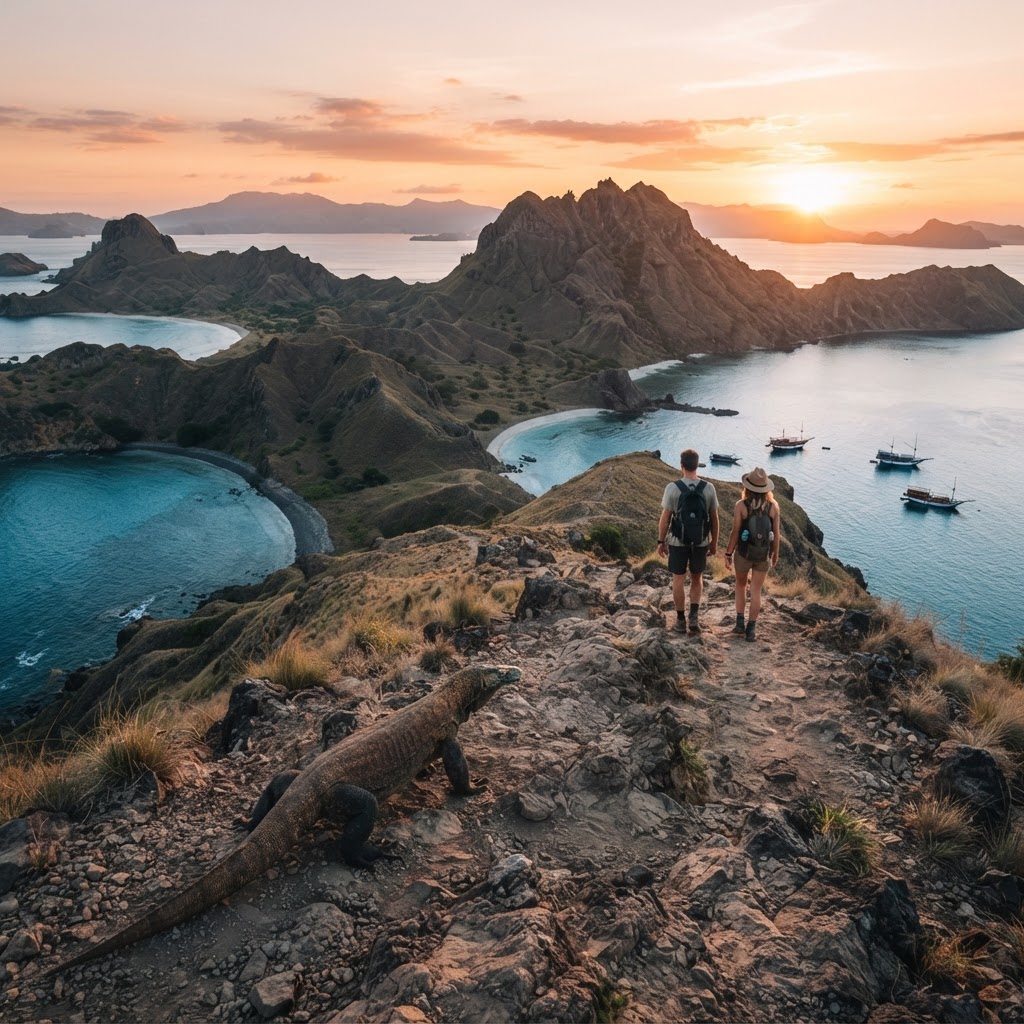
Flores
Indonesia
Volcanic ridges, prehistoric dragons, and the rugged gateway to Komodo
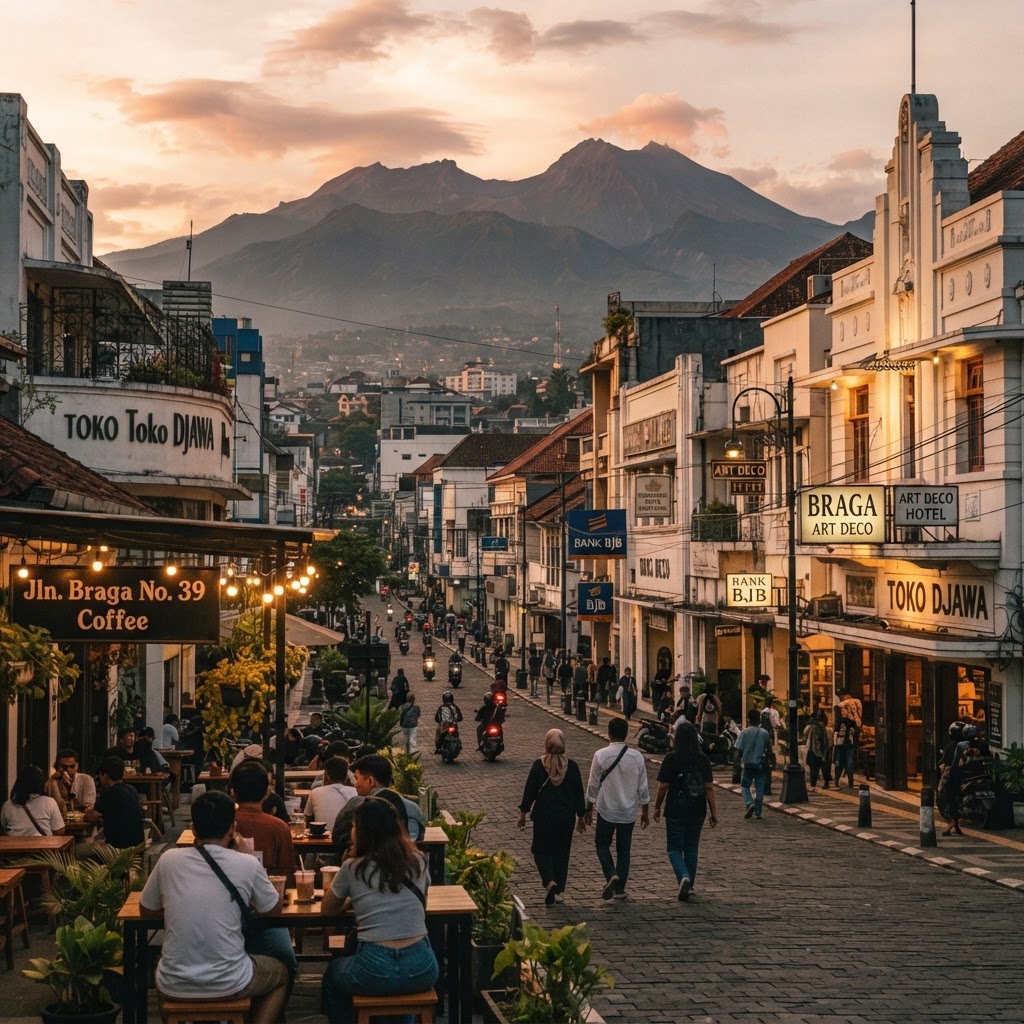
Bandung
Indonesia
Volcanic craters, Dutch Art Deco boulevards, and Java's coolest highland cafe culture
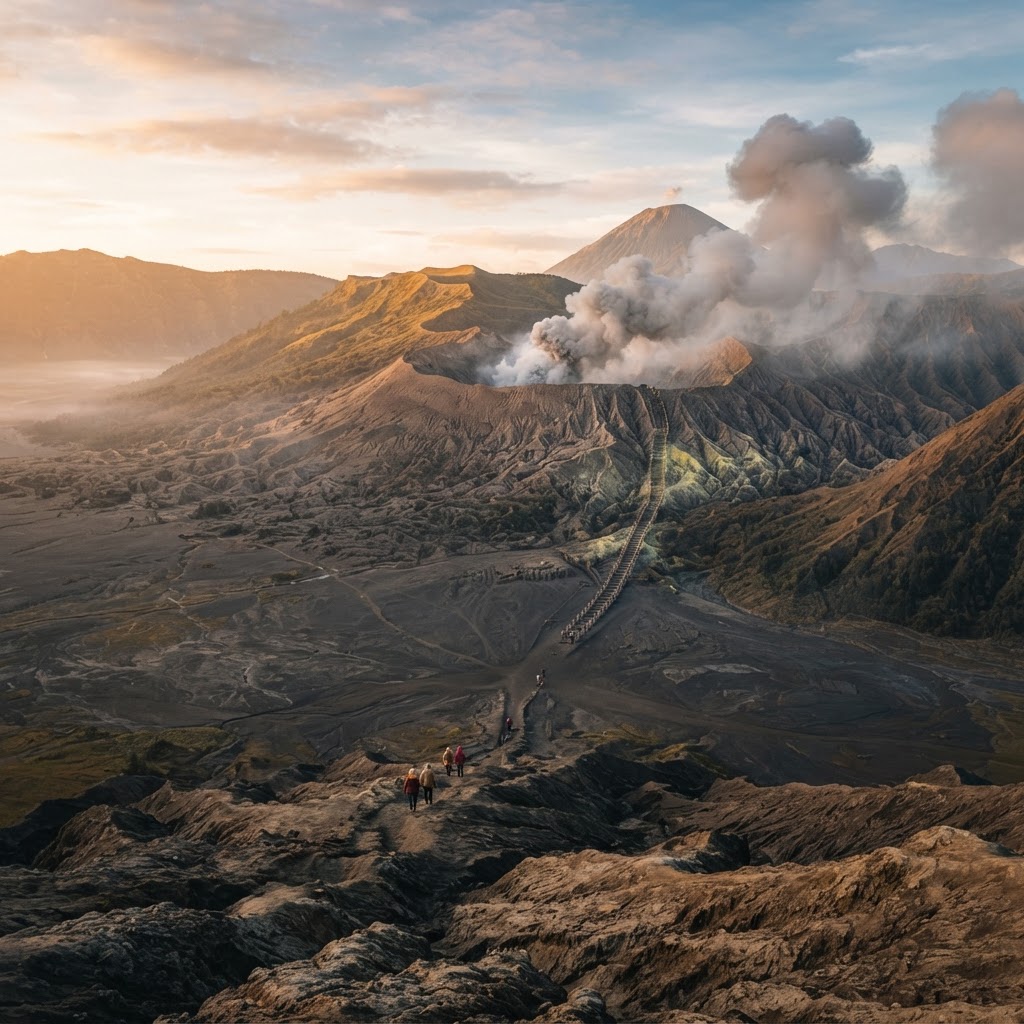
Mount Bromo, East Java, Indonesia
Indonesia
An otherworldly caldera crossing with direct access to a roaring volcanic crater.
Readymade itineraries
Start from a tested template — then make it yours.
Ready to book
Lock in your Nusa Penida trip
Everything in one place. We may earn a small commission — it never costs you more.
Plan a trip to Nusa Penida
Pick a length and we'll build a day-by-day plan around how you travel — neighborhoods clustered, budget-aware, and editable.
Get better at planning trips like this
Occasional notes on planning smarter — no spam, unsubscribe anytime.
Plan a trip to Nusa Penida
Turn this guide into a day-by-day plan built around your pace, your group, and your budget.
Build my Nusa Penida trip