United States
New Orleans
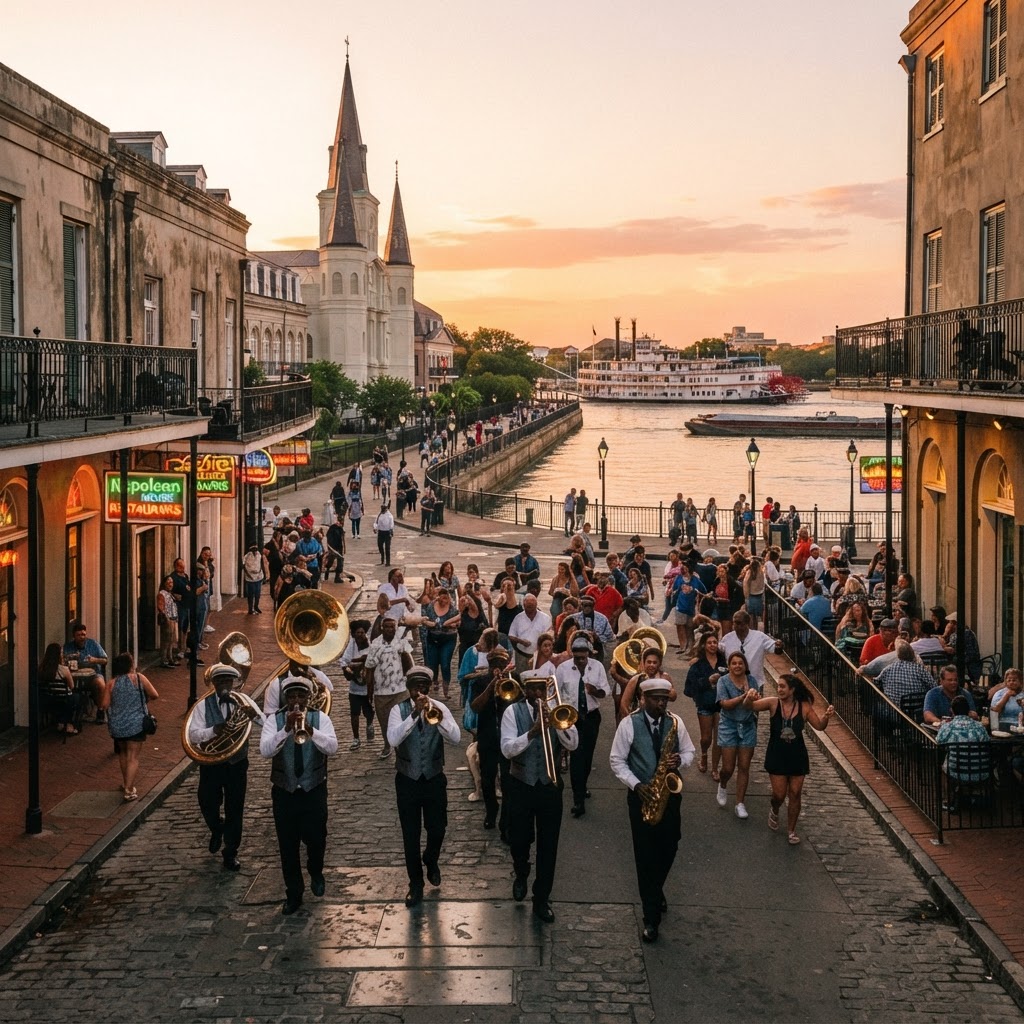
Living brass culture, Creole gastronomy, and architectural preservation on the Mississippi River bend.
Plan & book
Sort your New Orleans trip in one place.
We point you to the booking tools we'd actually use — live prices, no markup. Or let us build the day-by-day plan around you first, then book.
New Orleans is not just a party town, though Bourbon Street works hard to convince tourists otherwise. It is one of the only true cultural anomalies in the United States: an 18th-century Franco-Spanish grid threaded with Afro-Caribbean percussion, neighborhood social clubs, and a layered culinary canon found nowhere else on the continent. The real city reveals itself through brass-band horn lines spilled onto Frenchmen Street, gumbo z'herbes simmered over hours, and oak-shaded avenues running along the Mississippi River.
4 to 5 days
Build your own trip with these prebuilt itineraries
Each one is a tested, day-by-day plan for New Orleans — start here, then make it yours.
5 Days of Heritage, Architecture & Hidden Neighborhoods in New Orleans
A slower-paced deep immersion into historic preservation, Garden District mansions, Tremé, Bywater arts, and Mid-City bayous
3 Days of Historic Highlights & Classic Jazz in New Orleans
First-time essential culture, streetcar rides, and iconic live music beyond Bourbon Street
4 Days of Creole & Cajun Culinary Exploration in New Orleans
A deep dive into neighborhood dining, legendary cocktails, and culinary heritage from the French Quarter to Magazine Street
Go for an authentic, living immersion into indigenous American music and hyper-regional food history that has resisted homogenization. Unlike generic museum cities, New Orleans practices its culture daily: second-line parades still halt traffic on Sundays, historic preservation laws maintain antebellum cast-iron balconies, and classic culinary institutions like Dooky Chase's and Commander's Palace still set the baseline for Creole cooking.
Where to stay
Getting there
Getting around
Food & drink
What it costs
Things to do
Book tours & tickets in New OrleansSkip it if
Skip New Orleans if you require pristine, whisper-quiet streets, complete sobriety-focused nightlife, or relief from intense summer humidity. Travelers who dislike atmospheric decay, uneven sidewalks, or dense nightlife energy may find the city exhausting.
Destination intelligence
Updated 9/13/2026The structured record we plan every New Orleans itinerary from.
Walkability
High in central historic districts (French Quarter, Marigny, CBD, Garden District), but broken sidewalks require vigilance.
Transit quality
Moderate: iconic historic streetcars are charming and functional for primary tourist spines, backed by affordable city buses, but cross-town transit requires patience.
Car needed
Not required. A car is an expensive liability due to limited parking and strict ticketing; rely on walking, streetcars, and rideshares.
Ideal duration
4 to 5 days
Minimum useful
3 days
Peak season
February through May: comfortable spring weather, Mardi Gras festivities, French Quarter Festival, and the New Orleans Jazz & Heritage Festival.
Shoulder season
October through January: pleasant fall temperatures, Halloween celebrations, and quiet holiday season (excluding Sugar Bowl/New Year's).
Low season
June through September: extreme southern summer heat, high humidity, frequent thunderstorms, and peak Atlantic hurricane season.
Best for
Common mistakes
- Treating Bourbon Street as the whole city rather than spending evenings in the Marigny or Bywater.
- Renting a rental car at the airport, then paying high overnight valet rates and battling one-way streets.
- Visiting in July or August without anticipating stifling 95°F/90% humidity that makes daytime walking grueling.
- Falling for the classic street hustles around the Quarter (e.g., someone betting they know where you got your shoes).
- Only eating in the French Quarter and missing iconic culinary outposts along Magazine Street, Mid-City, and Treme.
Best nearby
More in United States
Tampa, Florida
United States
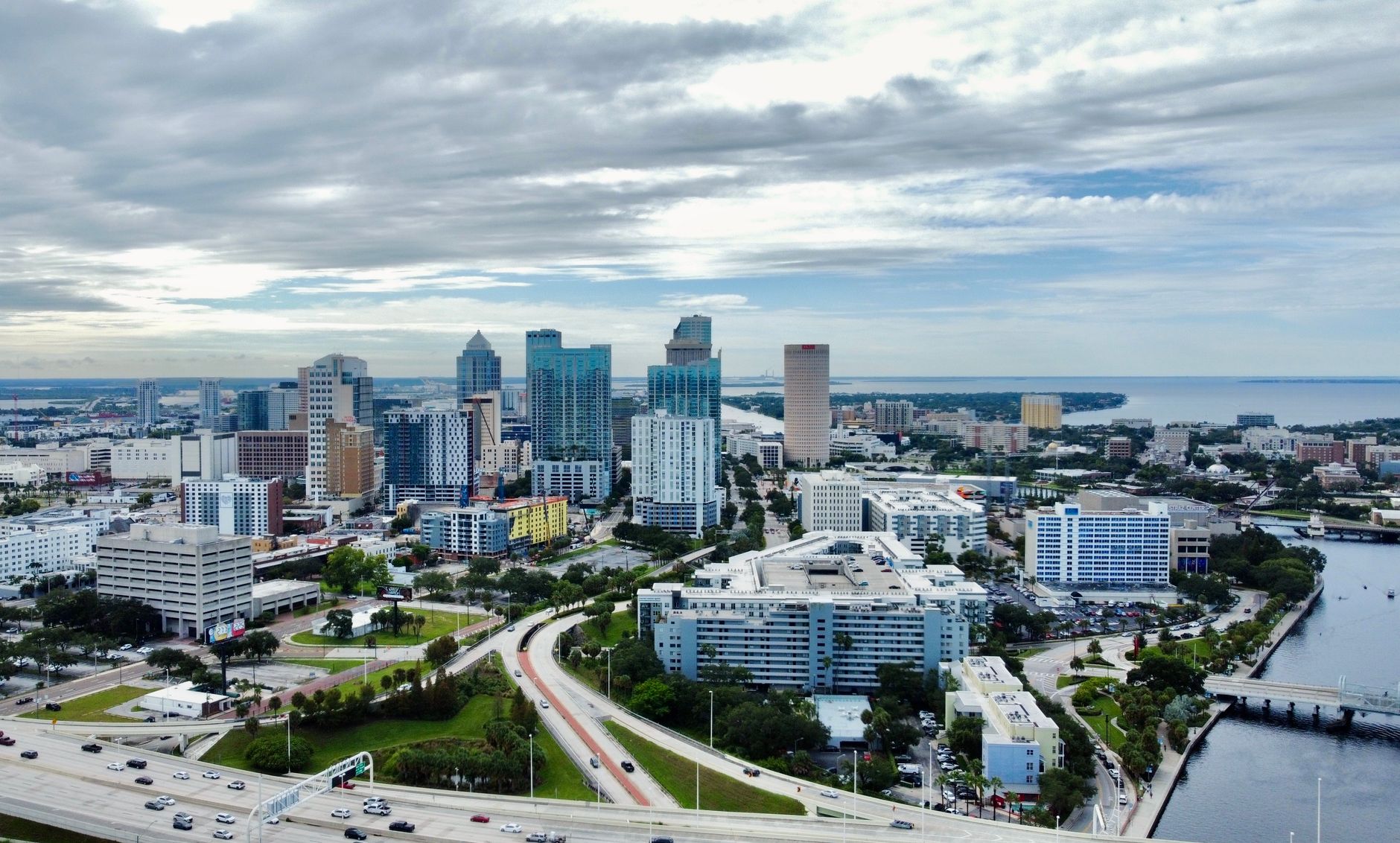
A historic cigar-making heritage wrapped in polished waterfront revivals and Gulf Coast culinary ambition.
Milwaukee, Wisconsin
United States
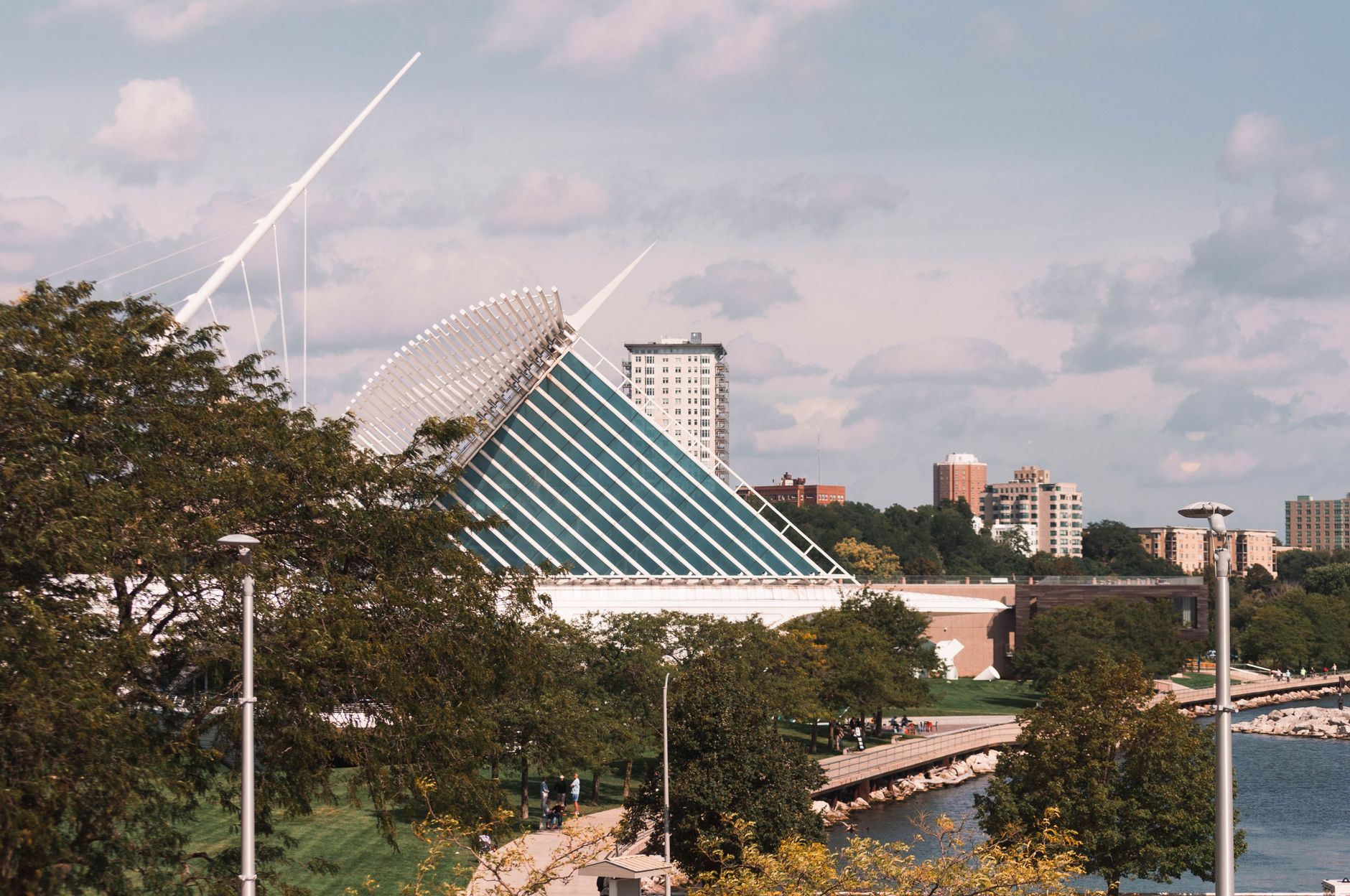
Industrial lakeside cool anchored by serious culinary chops and effortless urban grit.
Door County, Wisconsin
United States
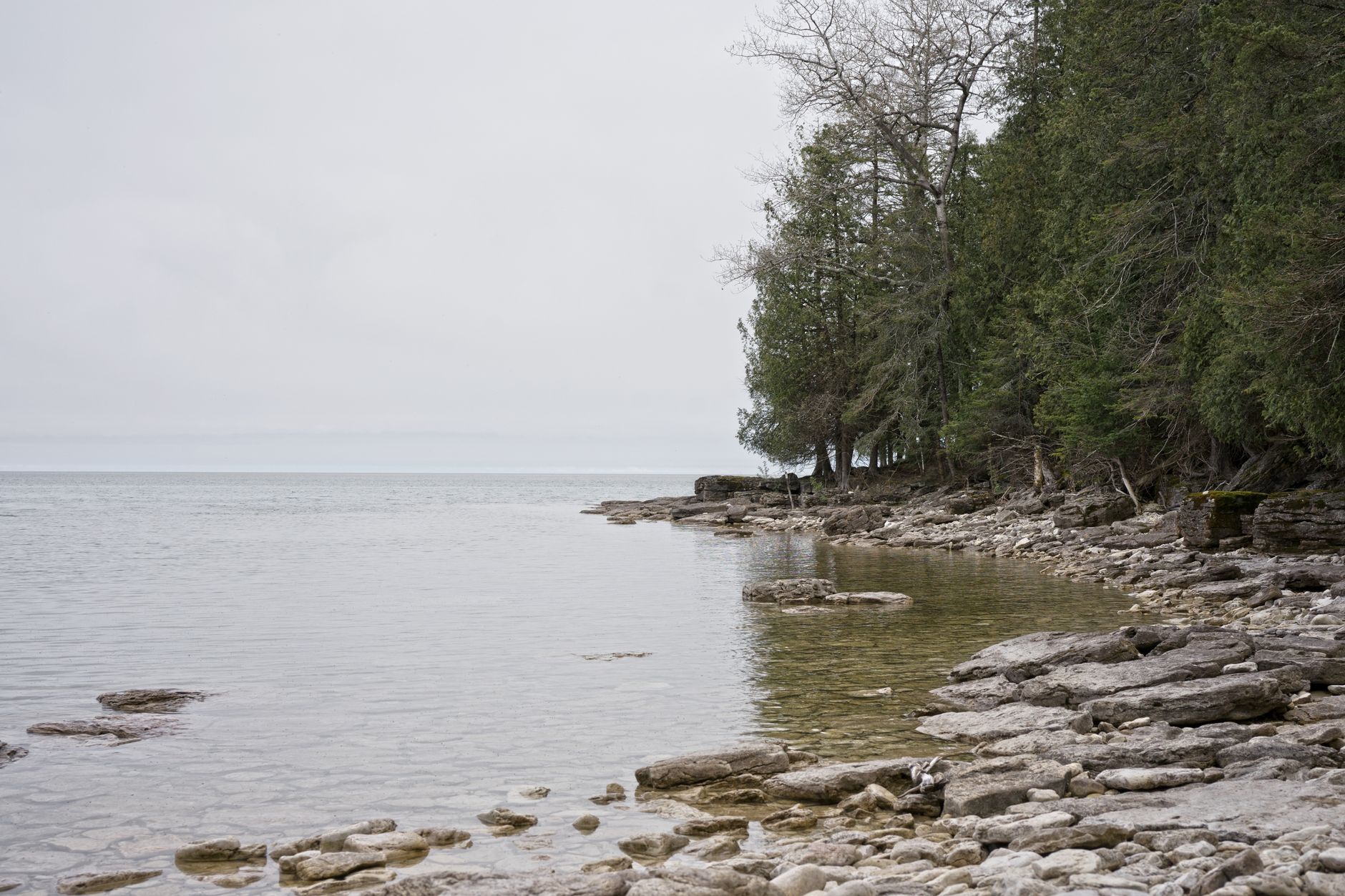
Limestone bluffs, heritage cherry orchards, and lakefront villages on Lake Michigan.

Traverse City, Michigan
United States
Freshwater bays, cool-climate vineyards, and windswept dunes anchored by a farm-driven culinary hub.
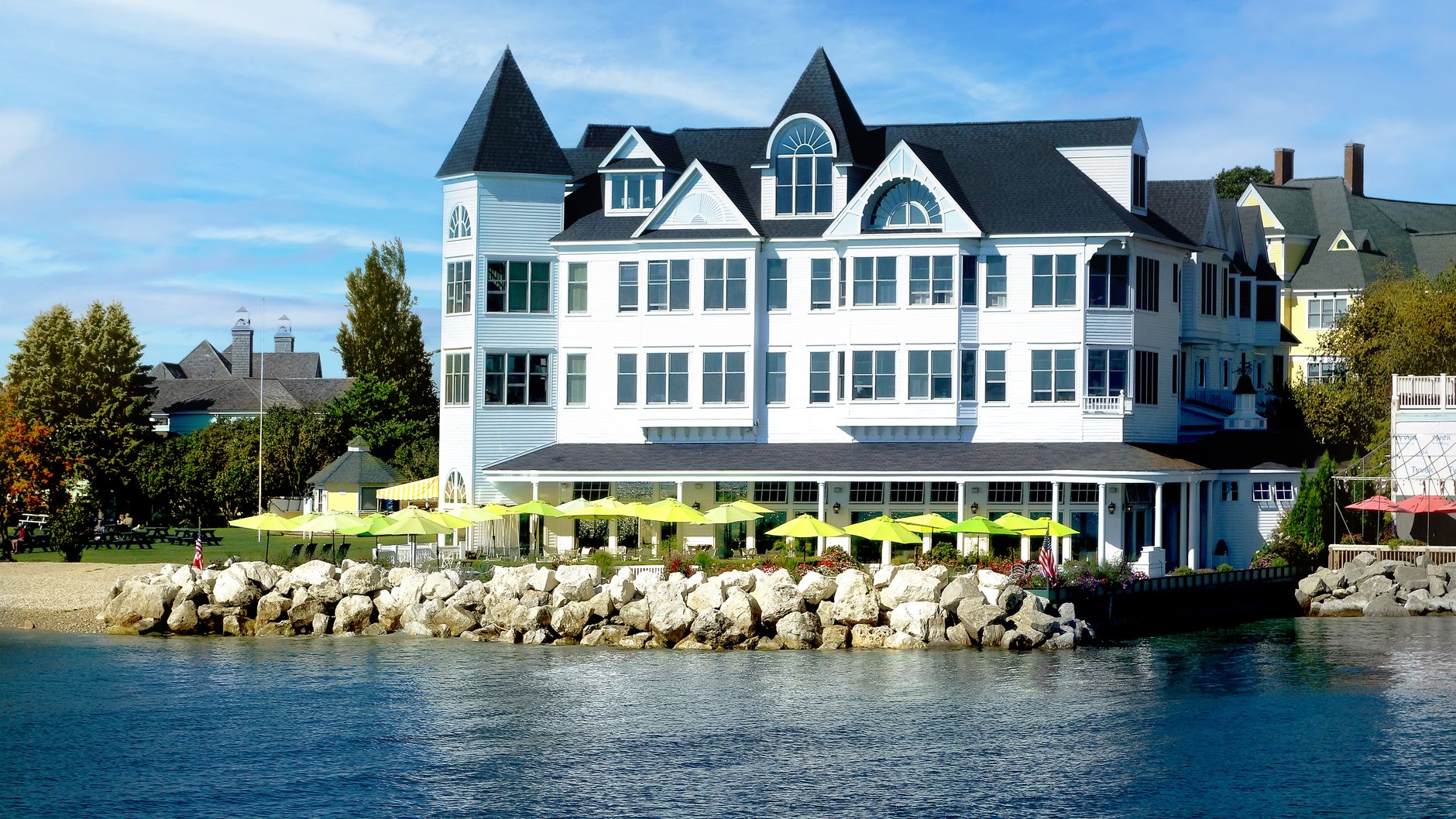
Mackinac Island, Michigan
United States
Car-free Victorian bluffs, freshwater coastlines, and horse-drawn transport

Baltimore, Maryland
United States
Industrial maritime roots, blue-collar grit, and distinct neighborhood enclaves.
Readymade itineraries
Start from a tested template — then make it yours.
Ready to book
Lock in your New Orleans trip
Everything in one place. We may earn a small commission — it never costs you more.
Plan a trip to New Orleans
Pick a length and we'll build a day-by-day plan around how you travel — neighborhoods clustered, budget-aware, and editable.
Get better at planning trips like this
Occasional notes on planning smarter — no spam, unsubscribe anytime.
Plan a trip to New Orleans
Turn this guide into a day-by-day plan built around your pace, your group, and your budget.
Build my New Orleans trip