United States
Napa Valley, California, United States
World-class viticulture, architectural cellar doors, and serious dining across 16 distinct American Viticultural Areas.
Plan & book
Sort your Napa Valley, California, United States trip in one place.
We point you to the booking tools we'd actually use — live prices, no markup. Or let us build the day-by-day plan around you first, then book.
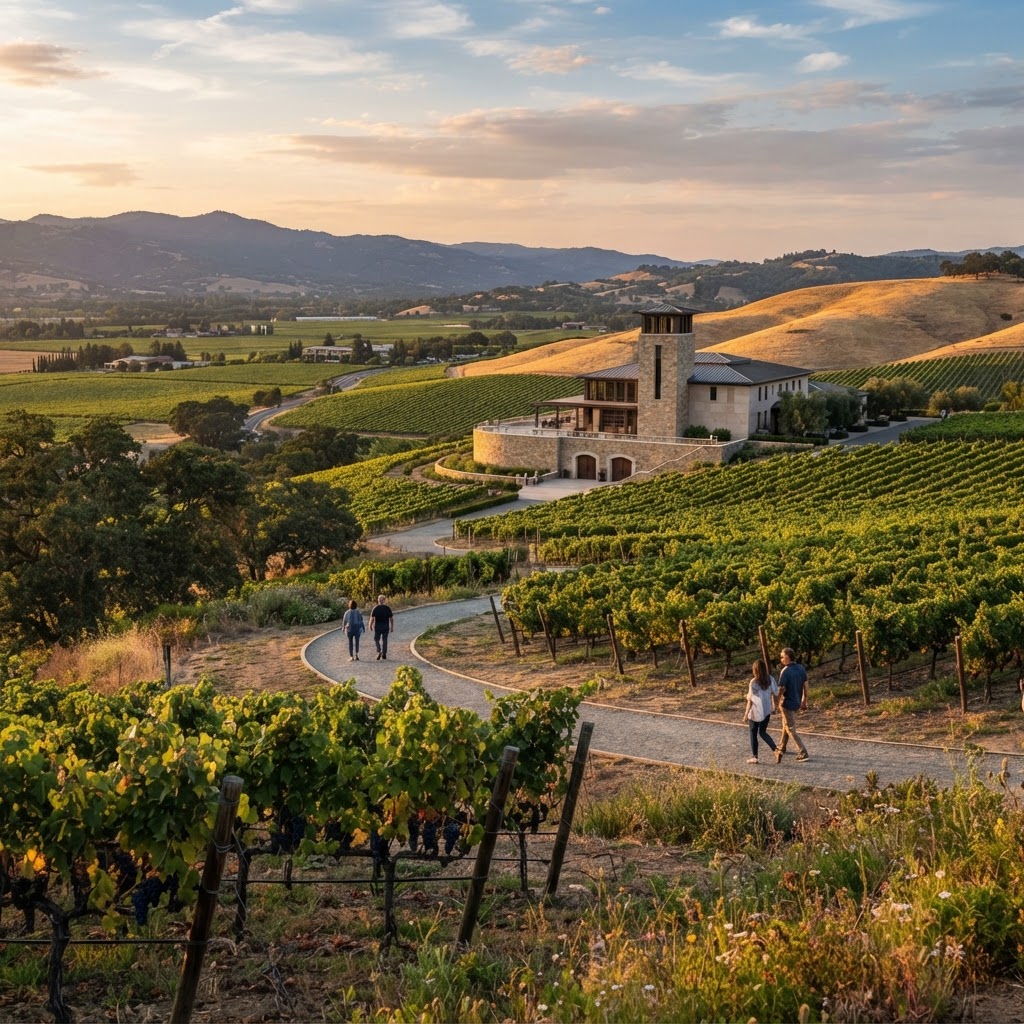
Stretching 30 miles from the San Pablo Bay flats up to Mount Saint Helena, Napa Valley is the definitive benchmark of American winemaking. Flanked by the Mayacamas and Vaca mountain ranges, the corridor contains over 400 wineries and 16 AVAs, operating as a sophisticated, agricultural playground centered around Cabernet Sauvignon, Michelin-starred tasting menus, and historic thermal springs.
4 days
Build your own trip with these prebuilt itineraries
Each one is a tested, day-by-day plan for Napa Valley, California, United States — start here, then make it yours.
5 Days in Napa Valley: Wellness, Thermal Springs & Slower Sips in Napa Valley
A relaxed pace centered on Calistoga's geothermal baths, mud treatments, vineyard cycling, and unhurried organic farm-to-table dining.
3 Days in Napa Valley: The Classic Wine & Fine Dining Escape in Napa Valley
Premier estate tastings, Michelin-starred culinary highlights in Yountville, and scenic Silverado Trail cruising for a classic long weekend.
4 Days in Napa Valley: Collector Cellars & Hillside Terroir in Napa Valley
An in-depth, connoisseur-focused exploration of mountain AVAs, private cave tours, and historic architectural wineries across the valley.
Go for an uncompromised intersection of viticultural mastery, heritage estate architecture, and destination-grade gastronomy. Beyond tasting legacy bottlings at estates like Chateau Montelena or Beringer, the valley offers unmatched culinary density—from Thomas Keller's compound in Yountville to roadside burger stands—set against the dramatic physical geography between Highway 29 and the Silverado Trail.
Where to stay
Getting there
Getting around
Food & drink
What it costs
Skip it if
Budget backpackers, travelers who do not drink alcohol, and families with young children seeking amusement or outdoor theme parks will find poor value and limited infrastructure here compared to Lake Tahoe, Sonoma Coast, or San Francisco.
Destination intelligence
Updated 9/13/2026The structured record we plan every Napa Valley, California, United States itinerary from.
Walkability
Low overall across the valley corridor, though downtown pockets in Napa, Yountville, St. Helena, and Calistoga are highly walkable once parked.
Transit quality
Limited. Regional bus transit exists via NVTA Vine, but frequencies and stops are tailored to workers and commuters rather than winery hops.
Car needed
Yes, a car or dedicated hired driver is necessary to explore the vineyards and hillside AVAs comfortably.
Ideal duration
4 days
Minimum useful
2 days
Peak season
August through October (Harvest/'Crush'): vibrant vineyard activity, warm days, heavy crowds, and peak lodging rates.
Shoulder season
April through June (Spring bloom and vineyard bud break) and November (fall colors with thinning crowds).
Low season
December through March (Cabernet Season): chilly temps, mustard flowers in bloom, easier reservations, and lowest accommodation prices.
Best for
Common mistakes
- Booking more than three winery tastings in a single day, leading to palate fatigue and rushed transit
- Attempting drop-in tastings without checking reservation requirements; almost all premier estates require advance booking
- Underestimating Highway 29 gridlock during peak afternoon rush hour and harvest weekends
- Relying solely on on-demand rideshares for late-night Upvalley dinners or remote hillside estate visits
- Drinking exclusively along Highway 29 while ignoring the more scenic, less congested Silverado Trail
Best nearby
More in United States
Tampa, Florida
United States
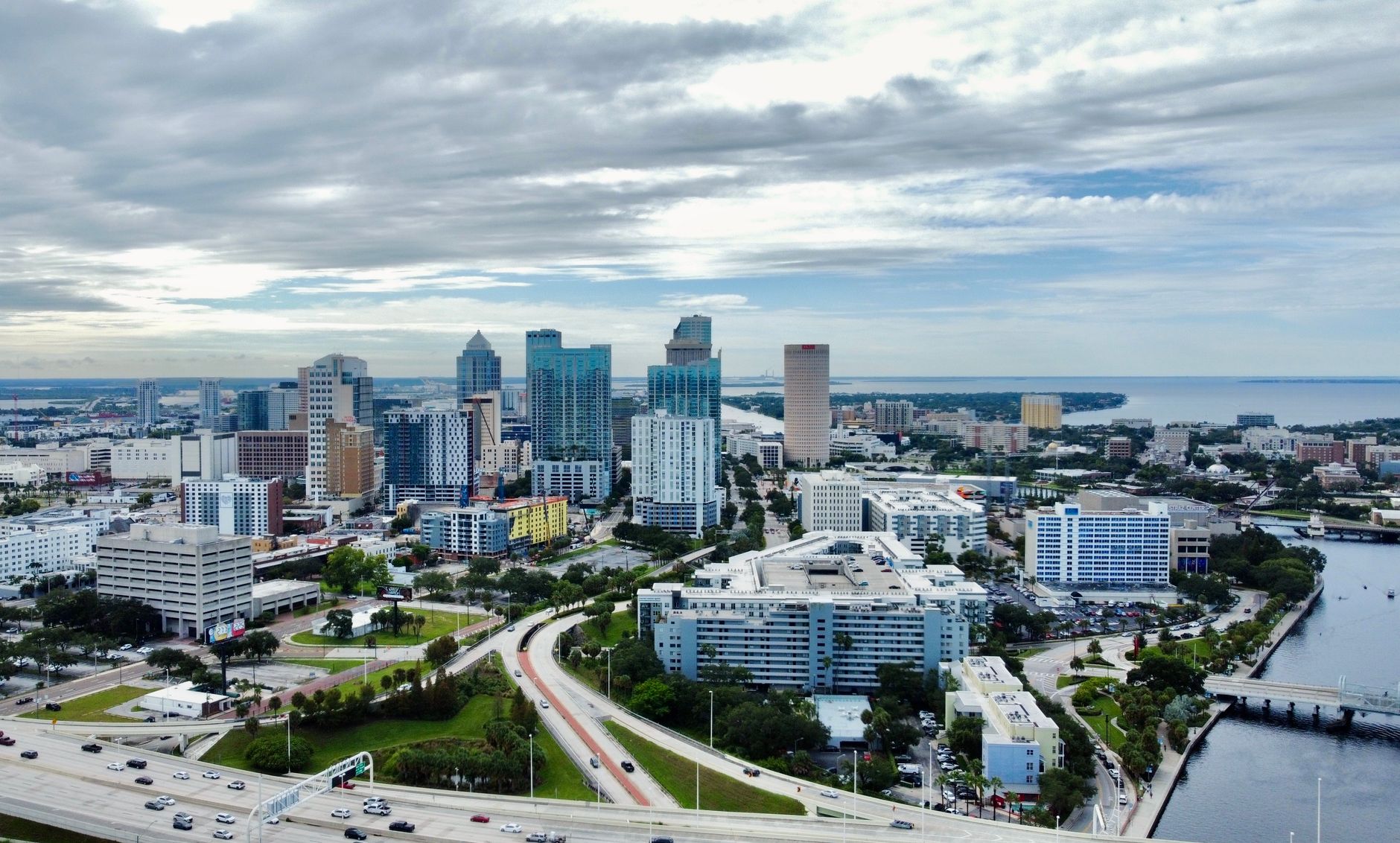
A historic cigar-making heritage wrapped in polished waterfront revivals and Gulf Coast culinary ambition.
Milwaukee, Wisconsin
United States
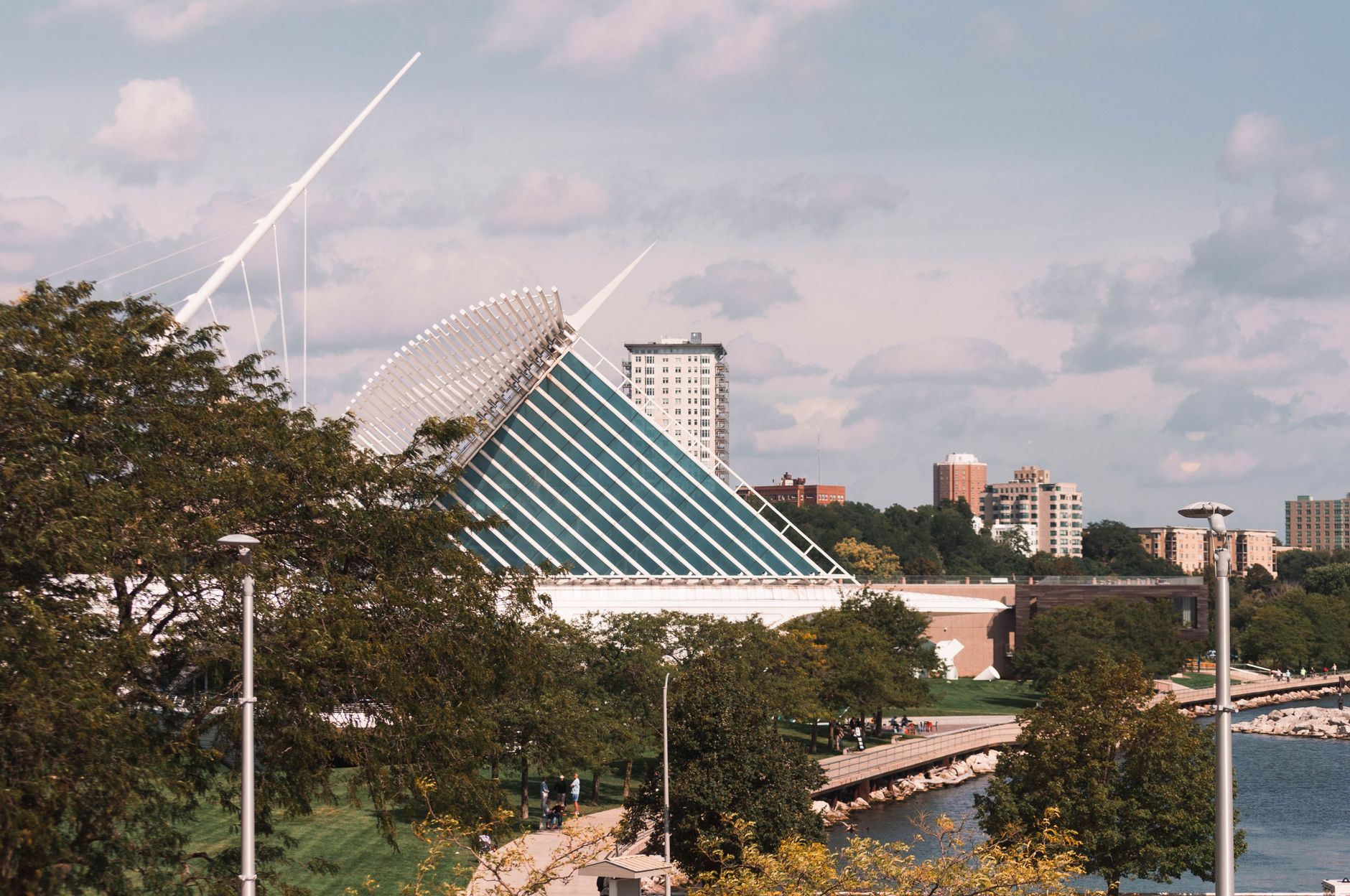
Industrial lakeside cool anchored by serious culinary chops and effortless urban grit.
Door County, Wisconsin
United States
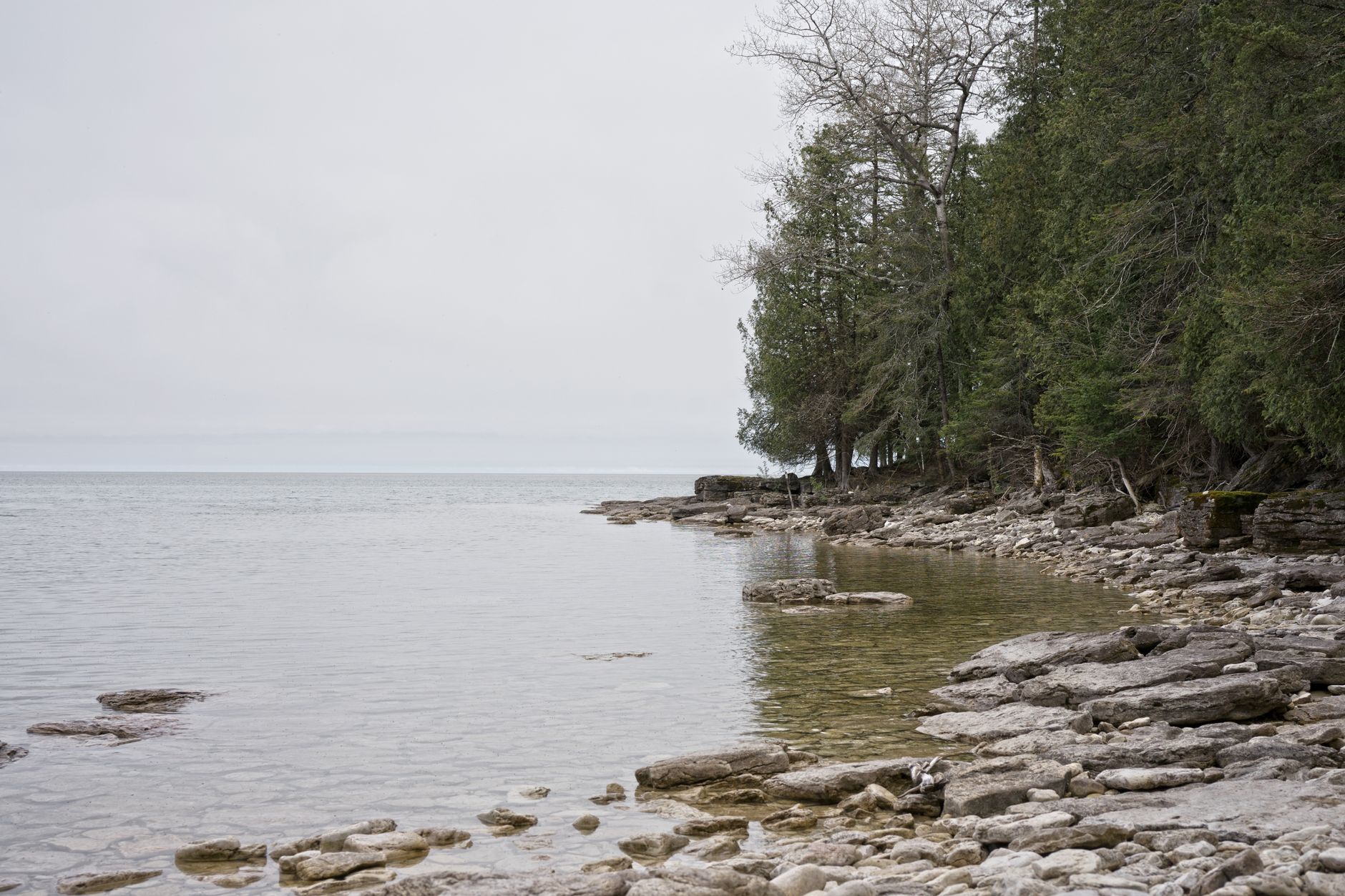
Limestone bluffs, heritage cherry orchards, and lakefront villages on Lake Michigan.

Traverse City, Michigan
United States
Freshwater bays, cool-climate vineyards, and windswept dunes anchored by a farm-driven culinary hub.
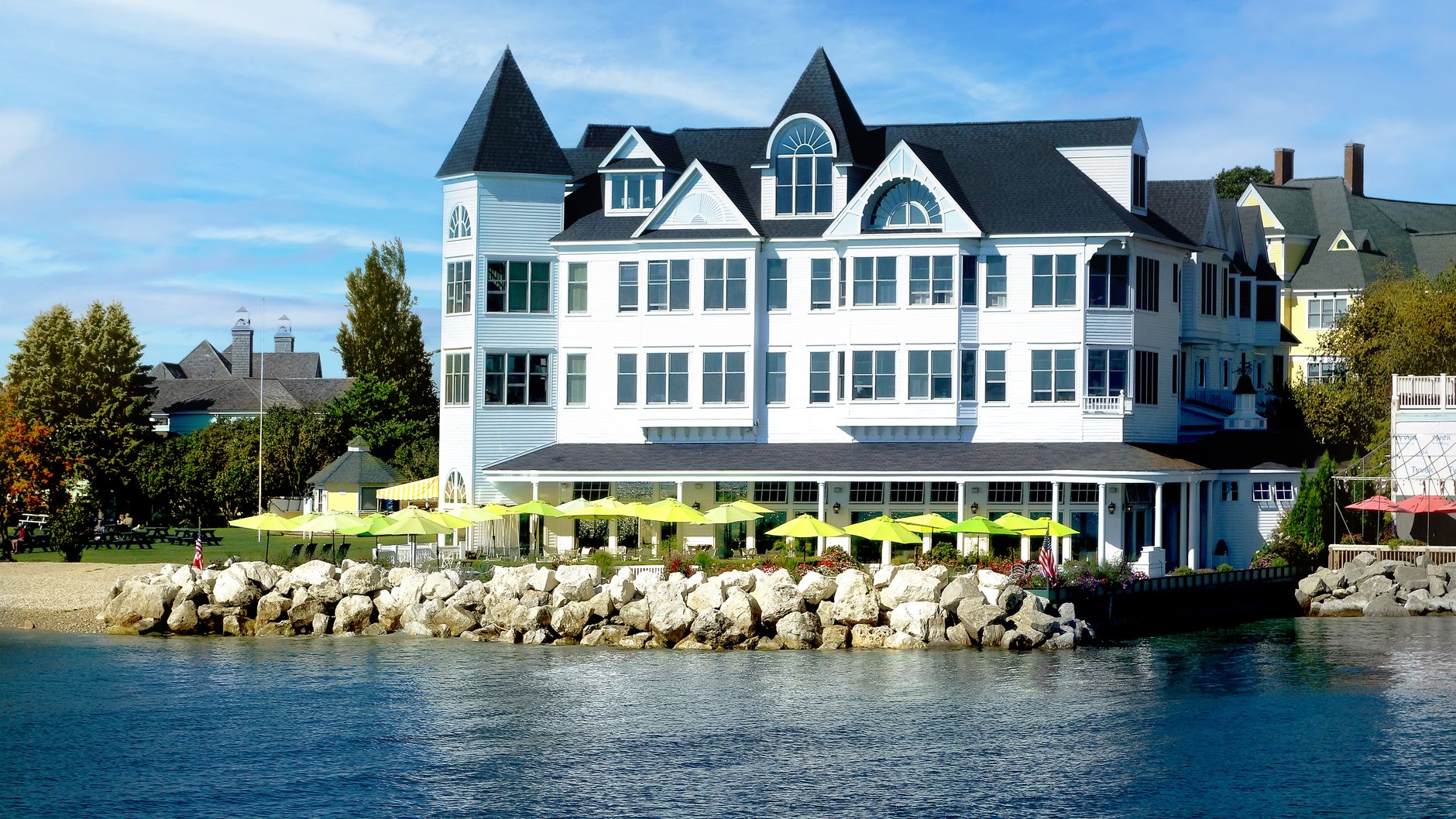
Mackinac Island, Michigan
United States
Car-free Victorian bluffs, freshwater coastlines, and horse-drawn transport

Baltimore, Maryland
United States
Industrial maritime roots, blue-collar grit, and distinct neighborhood enclaves.
Readymade itineraries
Start from a tested template — then make it yours.
Ready to book
Lock in your Napa Valley, California, United States trip
Everything in one place. We may earn a small commission — it never costs you more.
Plan a trip to Napa Valley, California, United States
Pick a length and we'll build a day-by-day plan around how you travel — neighborhoods clustered, budget-aware, and editable.
Get better at planning trips like this
Occasional notes on planning smarter — no spam, unsubscribe anytime.
Plan a trip to Napa Valley, California, United States
Turn this guide into a day-by-day plan built around your pace, your group, and your budget.
Build my Napa Valley, California, United States trip