Greece
Meteora, Greece
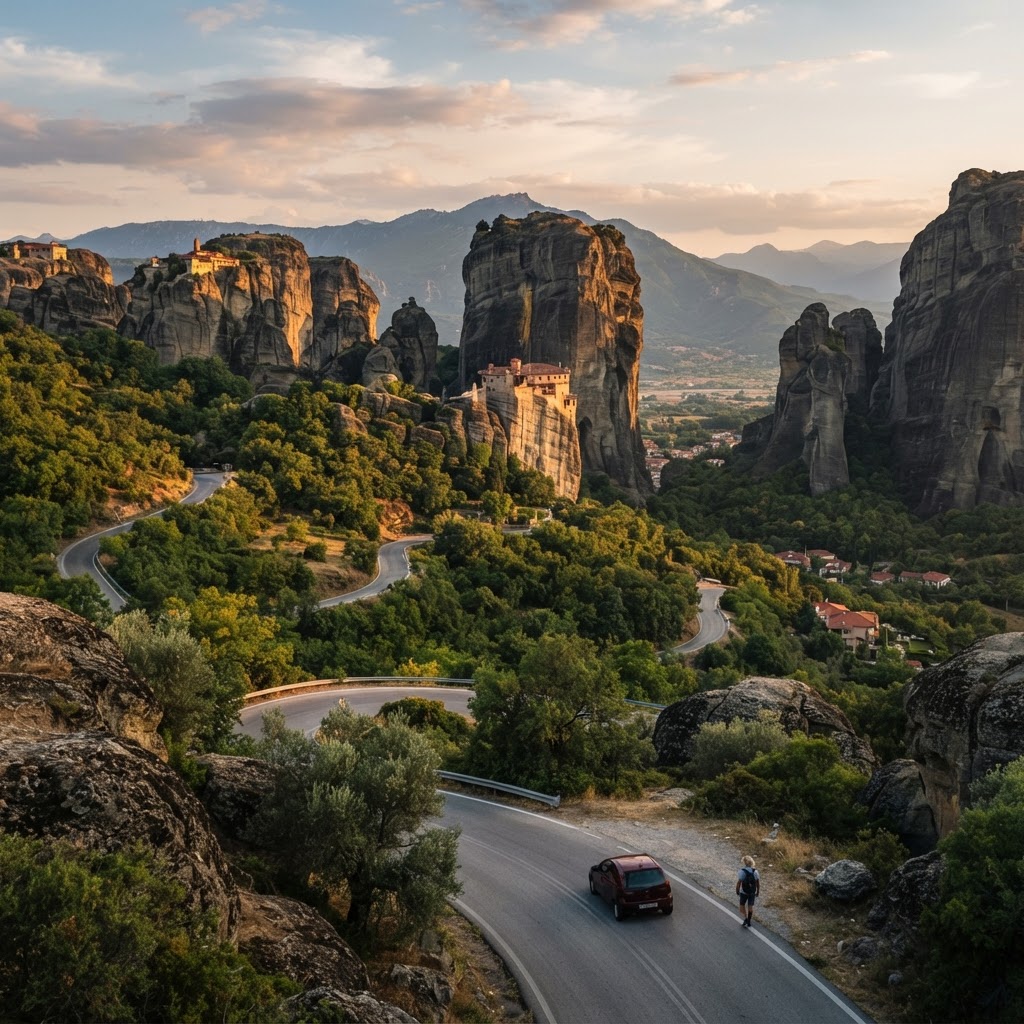
Precipitous sandstone pinnacles crowned with 14th-century Eastern Orthodox monasteries
Plan & book
Sort your Meteora, Greece trip in one place.
We point you to the booking tools we'd actually use — live prices, no markup. Or let us build the day-by-day plan around you first, then book.
Meteora is not an ordinary Greek town, but a geological anomaly of colossal dark sandstone pillars rising above the plain of Thessaly, hosting six active Eastern Orthodox monasteries perched atop sheer rock faces. Travelers base themselves in the adjacent settlements of Kalambaka or Kastraki, using old monk footpaths or high ring roads to explore religious sanctuaries that once required rope ladders and windlass nets for access. It represents a dramatic departure from the sun-and-sea Greek island itinerary, trading beach clubs for monastic frescoes, quiet cliff walks, and mountain solitude.
2 nights
Best time
Mid-April to May and late September to late October.
Build your own trip with these prebuilt itineraries
Each one is a tested, day-by-day plan for Meteora, Greece — start here, then make it yours.
3 Days in Meteora: Hikes & Hidden Trails in Meteora
Outdoor and active focus navigating ancient hermit paths, hidden caves, and rock-scrambling trails between monasteries away from the bus crowds.
1 Day in Meteora: Essential Monasteries Express in Meteora
Fast-paced, high-efficiency route designed for mainland road-trippers optimizing monastery opening times, dress codes, and scenic overlooks.
2 Days in Meteora: The Classic Highlights in Meteora
First-time visitor focus covering the most iconic monasteries, prime sunset viewpoints, and Byzantine history at a comfortable pace.
Meteora justifies the 4-to-5-hour transit from Athens because nowhere else in Europe combines this scale of sheer rock pillar topography with living fourteenth-century monastic culture. Standing atop Great Meteoron or Holy Trinity provides a view of Byzantine frescoed chapels suspended over massive valleys, while dawn and dusk turn the surrounding Pindus mountain ridges purple and gold. Visiting lets you trace centuries-old hermit trails through narrow clefts, seeing an intensely grounded, contemplative side of mainland Greece that island-hopping cannot replicate.
Where to stay
Getting there
Getting around
Food & drink
What it costs
Things to do
Book tours & tickets in Meteora, GreeceSkip it if
Skip Meteora if severe mobility issues prevent you from climbing long flights of uneven stairs, as only St. Stephen's Monastery has a flat entry bridge while the others demand strenuous ascents. It is also not worth the long detour if you only have four or five days in Greece and your primary objective is lounging on Cycladic beaches.
When to go
Summer brings punishing 38°C midday heat on unshaded stone stairs and tour bus gridlock along the single ring road. Shoulder season delivers crisp 18–22°C temperatures, brilliant fall foliage or wildflowers against dark sandstone, and reasonable midday parking at monastery turnouts.
Peak (June to August)
Scorching midday heat, scarce parking at popular monastic gates between 10:00 and 14:00, and long lines to climb narrow staircases. Book well in advance and do your exterior viewing early morning or late afternoon.
Shoulder (April–May, September–October)
Optimal hiking weather, rich foliage colors, and full monastery visiting schedules without extreme parking delays. Some spring rain showers can make exposed rocks slippery.
Low (November to March)
Dramatic fog, occasional snow dusting the spires, and peaceful monasteries, but operating on reduced winter hours with multi-day closures per complex and limited evening taverna service.
Neighborhoods
Where you stay shapes the trip. Here's how to think about it.
Kastraki Village
Quiet stone hamlet wrapped right against the foot of dramatic pinnacles.
Best for:Romantic getaways, photographers, and hikers wanting trail access out the door
Don't miss:Starting the steep walking path up to Rousanou and St. Nicholas Anapafsas right from the village square.
Old Town Kalambaka (Palio Horio)
Atmospheric, steep cobblestone lanes backed straight up to the towering rocks.
Best for:Travelers who want traditional village character while staying within striking distance of modern amenities
Don't miss:The 10th-century Byzantine Church of the Virgin Mary, featuring ancient recycled Roman temple pillars and early Christian frescoes.
Downtown Kalambaka (Train Station & Platia Dimokratias)
Functional, lively Greek service hub filled with bakeries, tavernas, and transit connections.
Best for:Train arrivals, budget travelers, and visitors relying on public buses and car rentals
Don't miss:Grabbing fresh spanakopita and strong espresso on Trikalon Street before the morning tour buses start moving.
Agia Triada Foothills & Eastern Bluffs
Rugged, scenic rural fringe offering vast cliff panoramas and immediate walking trails.
Best for:Active walkers, road-trippers wanting effortless monastery road access, and view-seekers
Don't miss:Catching first morning light hitting the sheer face of Holy Trinity Monastery from the lower road verge.
Destination intelligence
Updated 9/14/2026The structured record we plan every Meteora, Greece itinerary from.
Walkability
Moderate within the base towns of Kalambaka and Kastraki, but high-exertion between monasteries due to steep rocky elevation changes and winding roads.
Transit quality
Limited. Local buses run seasonally from Kalambaka up to the monasteries, but private taxis, rental cars, or guided excursions offer significantly better schedule control.
Car needed
Not strictly required if booking a guided minibus tour or using taxis, but highly recommended if exploring self-paced sunrise and sunset viewpoints without waiting for cabs.
Ideal duration
2 nights
Minimum useful
1 night
Peak season
June through August, featuring hot midday temperatures, packed parking turnouts along the ridge, and heavy tour bus volume.
Shoulder season
April to May and September to late October, delivering ideal walking weather (18–24°C), lush or golden foliage, and manageable visitor volume.
Low season
November through March, when temperatures drop, mist shrouds the sandstone cliffs dramatically, accommodation rates fall, and crowds vanish.
Best for
Common mistakes
- Treating Meteora as an exhausting day trip from Athens, spending 9 hours on trains or buses just to get 3 rushed midday hours among bus tours.
- Ignoring monastery closing schedules; each of the six monasteries has a distinct closing day during the week, so you will never find all six open on a single day.
- Flouting the strict dress code; visitors with exposed shoulders, shorts, or trousers on women (must wear long wrap skirts provided at the door if pants are worn) are turned away at monastery thresholds.
- Underestimating stair climbing; monasteries require hundreds of steep rock steps under intense heat, which quickly exhausts unprepared visitors.
Best nearby
See what a trip to Greece actually costs. Travel Budget Co.
How to plan it
- Stay in Kastraki for immediate footpaths and dramatic views, or pick Kalambaka if you arrive by train without a car.
- Pair Meteora with Delphi or the mountain stone villages of Zagorochoria on a broader central and northern Greece road trip.
- Do not attempt more than three monasteries in a single day; align your daily plan against the rotating closing schedules before setting out.
- Pre-book a sunset or e-bike guided tour for your first evening to learn the topography without battling midday coach tour traffic.
- Keep cash on hand (roughly 3 to 5 euros per person per monastery), as card terminals inside stone chapels frequently fail or are absent.
Questions
More in Greece
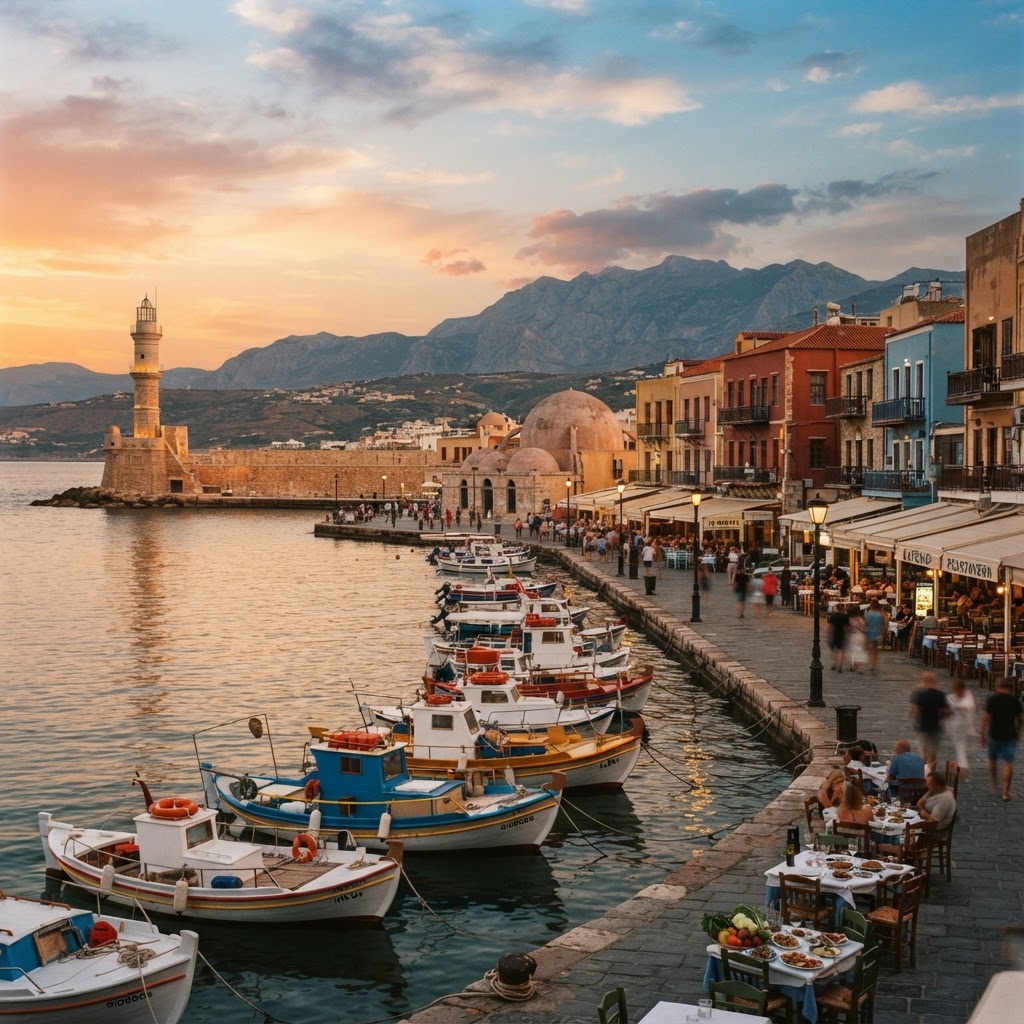
Chania, Crete, Greece
Greece
Venetian naval architecture, Cretan culinary heritage, and the launching pad for wild western gorges.
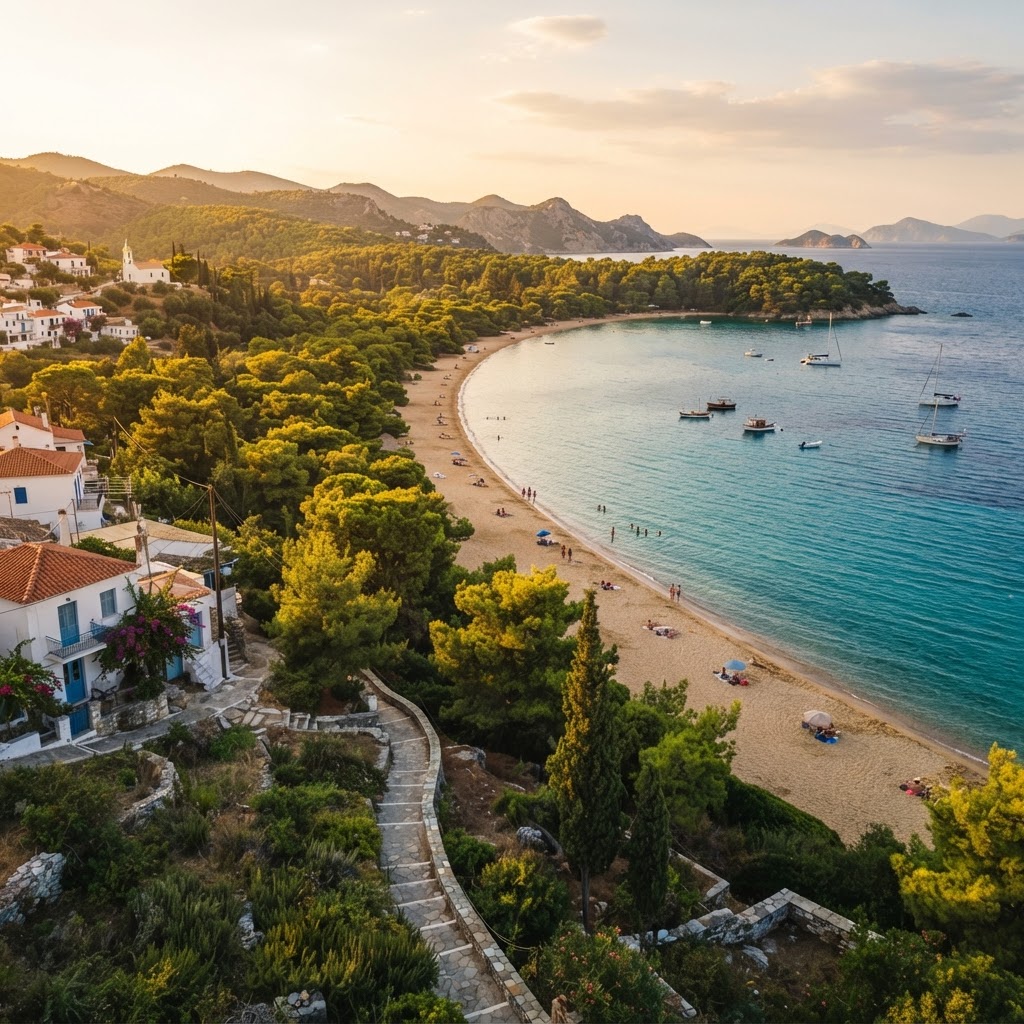
Skiathos
Greece
Golden sandy bays, scented stone-pine forests, and effortlessly accessible Aegean living.
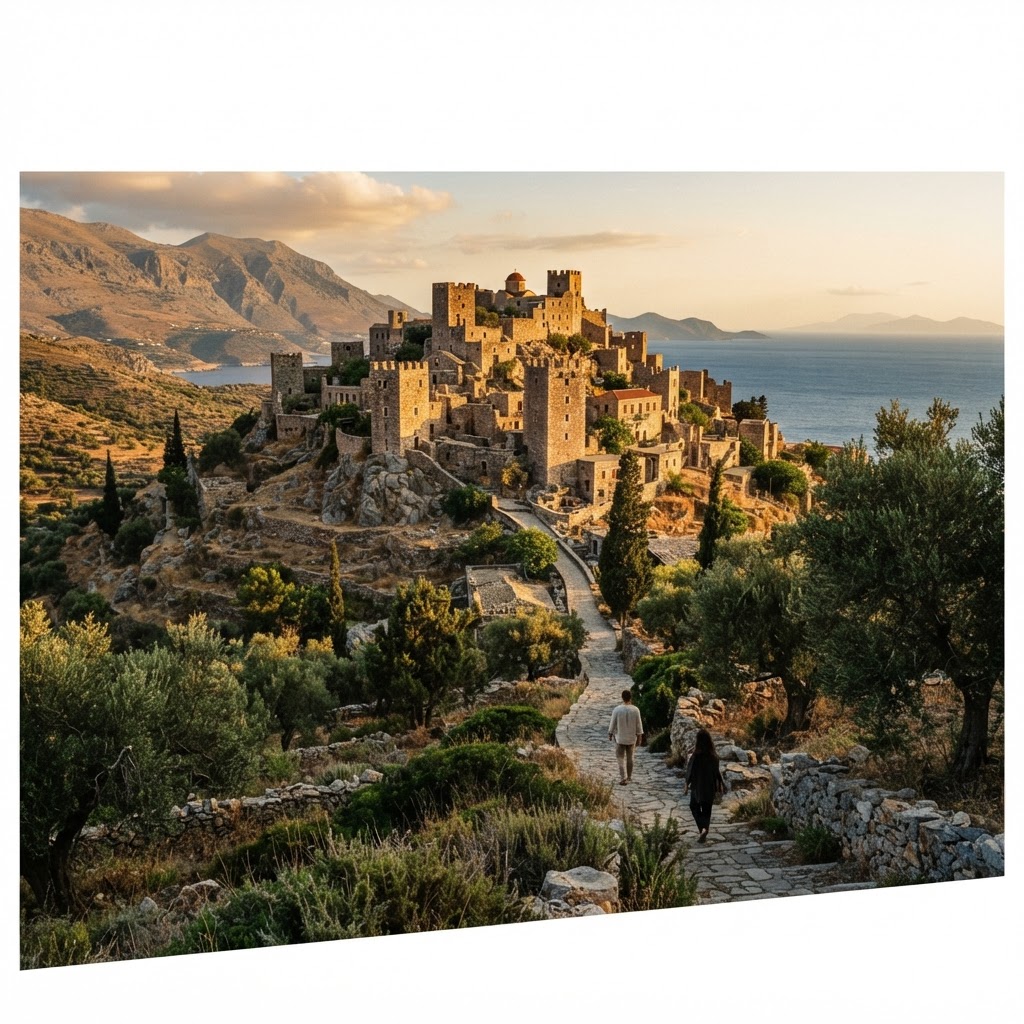
Peloponnese, Greece
Greece
Citadels, stone tower villages, and olive groves without the Cycladic cruise crowds
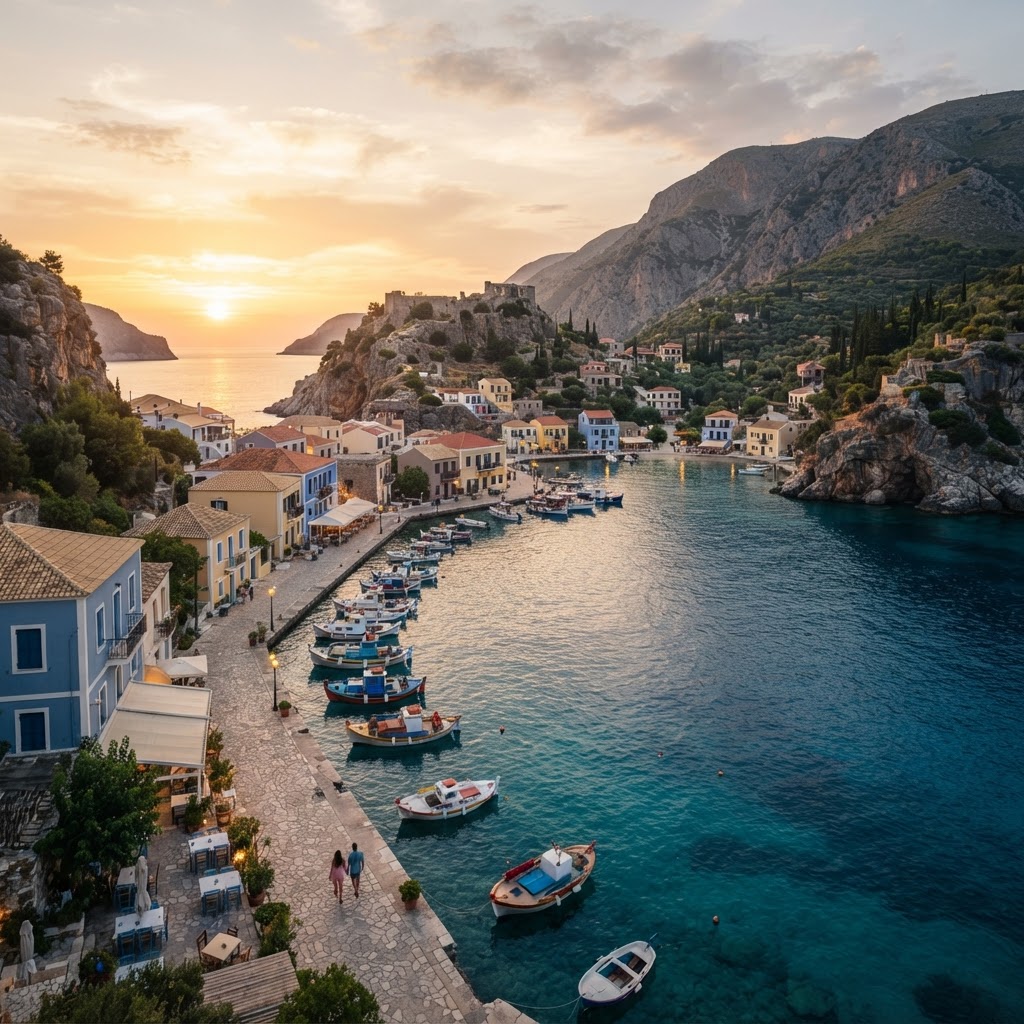
Kefalonia
Greece
Dramatic limestone coastline, sapphire underground lakes, and mountain-framed Ionian fishing villages.
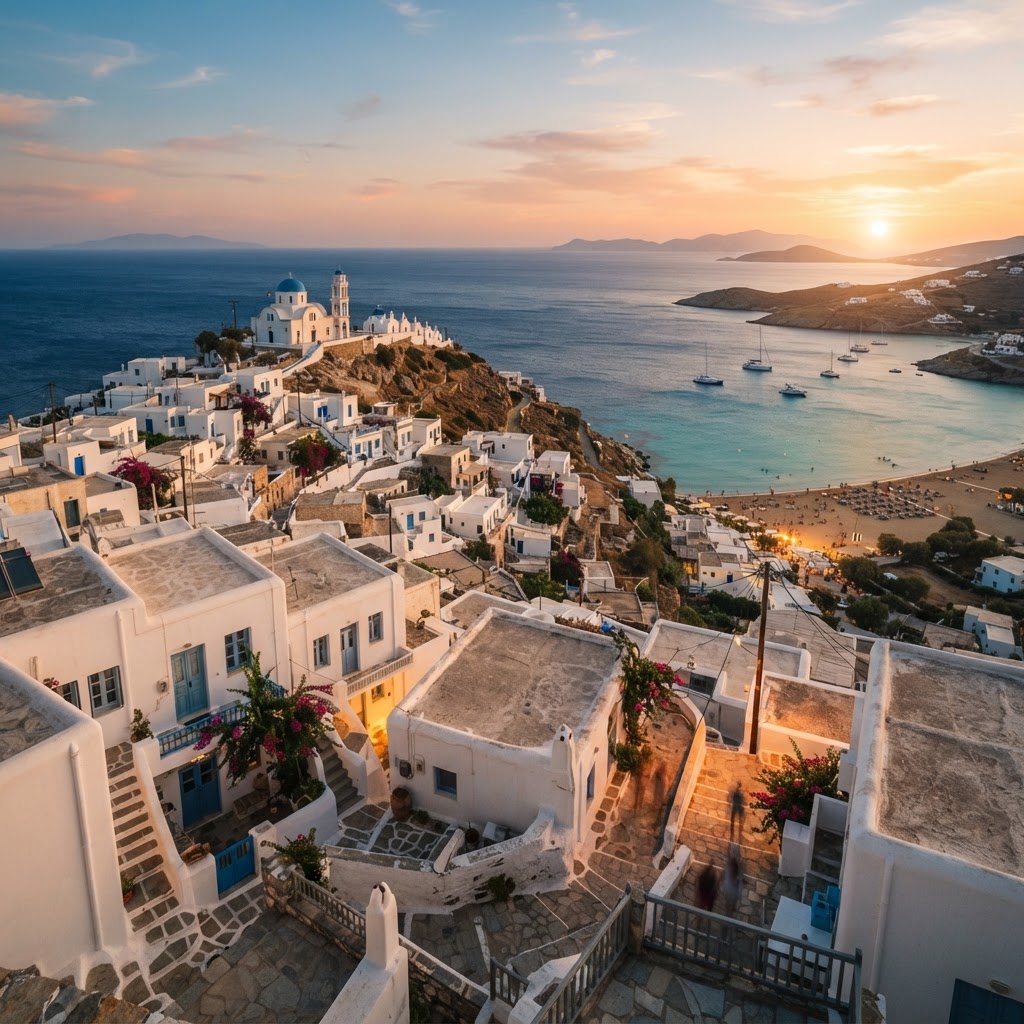
Ios
Greece
Golden sandy bays, Cycladic hilltop labyrinths, and a split personality between midnight revelry and tranquil Aegean coves.
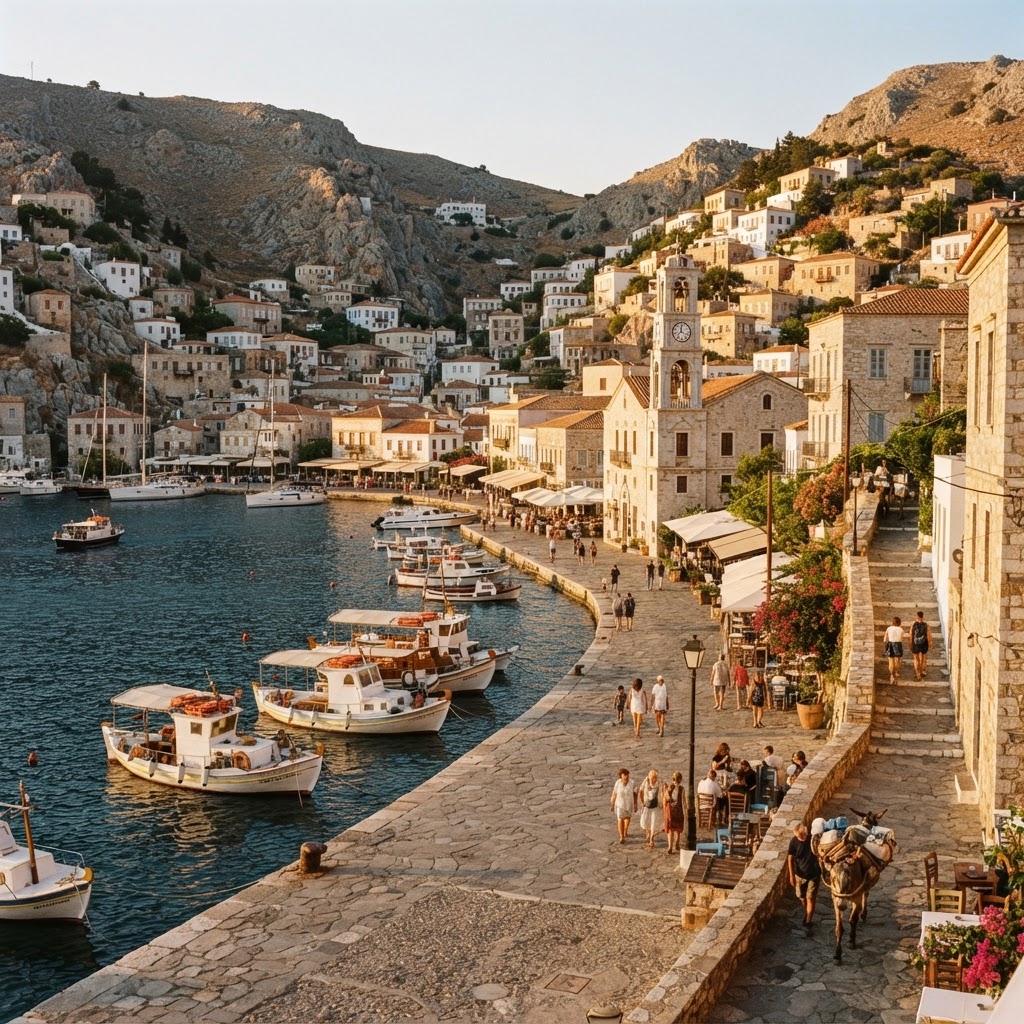
Hydra
Greece
A car-free amphitheater of stone mansions, quiet coastal paths, and deep blue Saronic waters.
Readymade itineraries
Start from a tested template — then make it yours.
Ready to book
Lock in your Meteora, Greece trip
Everything in one place. We may earn a small commission — it never costs you more.
Plan a trip to Meteora, Greece
Pick a length and we'll build a day-by-day plan around how you travel — neighborhoods clustered, budget-aware, and editable.
Get better at planning trips like this
Occasional notes on planning smarter — no spam, unsubscribe anytime.
Plan a trip to Meteora, Greece
Turn this guide into a day-by-day plan built around your pace, your group, and your budget.
Build my Meteora, Greece trip