Greece
Peloponnese, Greece
Citadels, stone tower villages, and olive groves without the Cycladic cruise crowds
Plan & book
Sort your Peloponnese, Greece trip in one place.
We point you to the booking tools we'd actually use — live prices, no markup. Or let us build the day-by-day plan around you first, then book.
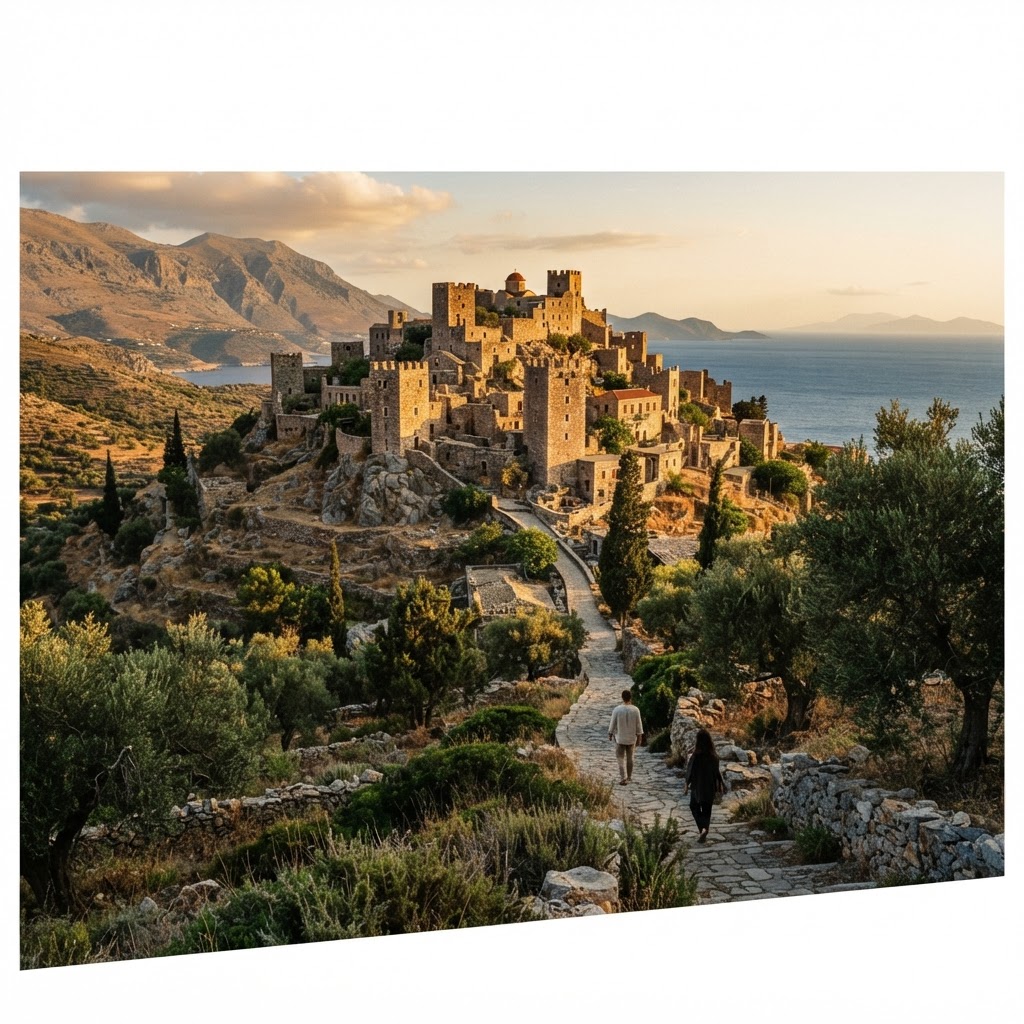
Connected to mainland Greece only by the Isthmus of Corinth and the Rio-Antirrio bridge, the Peloponnese is a vast peninsula of mythic archaeology, dramatic peninsulas, and unpretentious coastal life. Instead of ferry schedules and whitewashed cubist alleys packed with cruise excursions, travel here revolves around winding mountain passes, Homeric ruins like Mycenae, Frankish and Venetian fortresses, and rustic seaside tavernas serving local olive oil and fresh seafood.
7 to 10 days
Best time
May to June or September to mid-October for warm swimming, empty mountain switchbacks, and ruins you can explore without sunstroke.
Build your own trip with these prebuilt itineraries
Each one is a tested, day-by-day plan for Peloponnese, Greece — start here, then make it yours.
10 Days Complete Grand Peloponnese Loop in Peloponnese
Comprehensive self-drive circuit linking ancient sanctuaries, mountain gorges, and fortress towns
7 Days in the Wild Mani & Deep South in Peloponnese
Dramatic coastal road trip through fortified stone tower villages, Byzantine Mystras, and sea caves
5 Days in the Argolid & Classical Highlights in Peloponnese
Historic gateway road trip focusing on Bronze Age Mycenae, Epidaurus, and seaside Nafplio
The Peloponnese delivers monumental Greek history and dramatic coastal landscapes at roughly half the cost and a fraction of the crowds found in Santorini or Mykonos. You can wander ancient stadiums at Messene or Epidaurus in near-silence, drive through the rugged stone tower villages of the Mani Peninsula, and swim in pristine bays like Voidokilia without waiting in lines or fighting for beach chairs.
Where to stay
Getting there
Getting around
Food & drink
What it costs
Things to do
Book tours & tickets in Peloponnese, GreeceSkip it if
Skip it if you do not want to rent a car and drive abroad, or if your ideal Greek holiday requires walkable island nightlife, beach clubs, and whitewashed Cycladic architecture.
When to go
High summer (July and August) pushes inland archaeological sites like Ancient Messene and Mycenae past 38°C (100°F) by 11:00 AM and clogs coastal parking. Late spring brings wildflowers across the Taygetos and comfortable hiking temperatures, while September delivers sea water at its warmest and olive harvest preparations with a fraction of the traffic.
Peak (July–August)
Brutal midday heat on unshaded ruins; coastal spots like Nafplio, Elafonisos, and Limeni fill with vacationing Greeks and domestic road-trippers; hotel rates peak and narrow coastal roads face gridlock.
Shoulder (May–June & September–October)
The sweet spot. Open-air tavernas are fully operational, water is warm enough for swimming (especially September), gorge trails are green or golden, and you can wander Epidaurus without tour group megaphones.
Low (November–April)
Arcadian mountain villages thrive with ski culture and roaring fires around Mount Mainalo, but coastal resort towns largely shutter their seafront tavernas and rain can make mountain driving demanding.
Neighborhoods
Where you stay shapes the trip. Here's how to think about it.
Nafplio Old Town (Argolis)
Neoclassical mansions, bougainvillea-draped alleys, Venetian bastions, and civilized evening volta strolls along the harbor.
Best for:First-timers, architecture buffs, and travelers wanting walkable dining after day-tripping to Mycenae and Epidaurus
Don't miss:Climbing the 999 stone steps up to the Palamidi Fortress early in the morning before the bus tours arrive from Athens.
Areopoli & Limeni (The Mani Peninsula)
Austere stone defensive towers, limestone cliffs, and neon-turquoise coves where fishing boats float over sea turtles.
Best for:Road-trippers, raw landscape lovers, and seafood purists who appreciate remote, wind-swept geography
Don't miss:Fresh grilled sea bream at Takis Taverna in Limeni, seated at a stone quay table where the water laps your feet.
Monemvasia Lower Town (Laconia)
A car-free, medieval fortress town carved into a monolithic sea rock, with vaulted stone passageways lit by dim lanterns at dusk.
Best for:Couples, history enthusiasts, and travelers looking for an evocative overnight stay inside a living Byzantine citadel
Don't miss:The hike up through the upper gate to the ruins of the Upper Town and the 12th-century Agia Sofia church perched on the cliff edge.
Kardamyli & Stoupa (Outer Mani / Messenia)
Silver olive groves sloping into pebble coves against the sheer wall of the Taygetos Mountains, infused with a low-key bohemian retreat feel.
Best for:Hikers, slower-paced travelers, and readers following Patrick Leigh Fermor's footsteps
Don't miss:A pre-booked tour of the Patrick & Joan Leigh Fermor House, followed by an afternoon swim off the white pebbles of Foneas Beach.
Dimitsana & Stemnitsa (Arcadian Mountains)
Chilly mountain air, slate-roofed stone archontika, rushing river gorges, and wood smoke drifting from winter hearths.
Best for:Active hikers, autumn and spring travelers, and anyone wanting alpine Greece instead of coastal tavernas
Don't miss:Hiking the section of the Menalon Trail through the Lousios Gorge to the cliff-hanging Moni Aimyalon and Prodromou monasteries.
Pylos & Voidokilia (Southwestern Messenia)
A quiet amphitheater harbor framed by Navarino Bay, olive estates, and dramatic sand dunes overlooking ancient lagoons.
Best for:Beach lovers, birdwatchers, and travelers who prefer calm bay waters to choppy Aegean ferry crossings
Don't miss:Scrambling past the Gialova Lagoon up to the ruined Frankish castle of Palaiokastro for the bird's-eye view of the omega-shaped Voidokilia cove.
Destination intelligence
Updated 9/14/2026The structured record we plan every Peloponnese, Greece itinerary from.
Walkability
Low overall. While town cores like Nafplio's Old Town, Monemvasia, and Areopoli are strictly pedestrian-friendly and best walked on foot, traveling between towns, ruins, and beaches requires driving.
Transit quality
Low. KTEL buses link major hubs like Athens, Corinth, Nafplio, Patras, and Kalamata dependably, but local rural connections to remote beaches, mountain villages, and sites like Ancient Messene are sparse.
Car needed
Yes. A rental car is essential to experience the Peloponnese properly beyond a simple weekend stay in Nafplio.
Ideal duration
7 to 10 days
Minimum useful
4 days
Peak season
July to August (hot, sunny, busier coastal beaches and holiday traffic, with scorching midday heat at archaeological ruins)
Shoulder season
May to June and September to October (ideal touring weather, comfortable water temperatures for swimming, wild spring flowers or harvest season, and fewer crowds)
Low season
November to April (cool, rainy in coastal pockets, snow in the Taygetos and Arcadia mountains, with many seasonal coastal restaurants closed)
Best for
Common mistakes
- Treating the Peloponnese as a day trip from Athens, which results in four hours of driving just to see Mycenae and Nafplio while missing the entire south.
- Changing hotels every night; the region's mountain roads make constant packing and check-ins exhausting compared to choosing 2–3 geographic bases.
- Relying on public KTEL buses to see remote archaeological sites, mountain villages, and isolated beaches where buses run infrequently or not at all.
- Underestimating driving times on navigation apps like Google Maps; mountain switchbacks and tractor traffic routinely add 20–30% to estimated journeys.
- Visiting unshaded outdoor sites like Mystras or Mycenae during midday heat in July and August instead of early morning.
Best nearby
See what a trip to Greece actually costs. Travel Budget Co.
How to plan it
- Base in Nafplio for 3 nights to tackle Mycenae, Epidaurus, and Nemea before heading south.
- Do not attempt to cross from Sparta to Kalamata via the Langada Pass in bad weather or after dusk; the road is narrow and cut into rock ledges.
- Sleep inside the medieval fortress rock of Monemvasia for at least one night rather than staying across the bridge in modern Gefyra.
- Reserve a 9:00 AM morning entry slot for Mycenae to finish the Treasury of Atreus and Lion Gate before Athens day-trip buses pull into the lot.
- Pair a stop at Ancient Messene with lunch at a mountain taverna in Mavrommati, saving an afternoon swim for the Kardamyli coast.
- Skip the crowded beaches of Elafonisos in peak August unless you arrive at the Pounta car ferry before 9:00 AM.
Questions
More in Greece
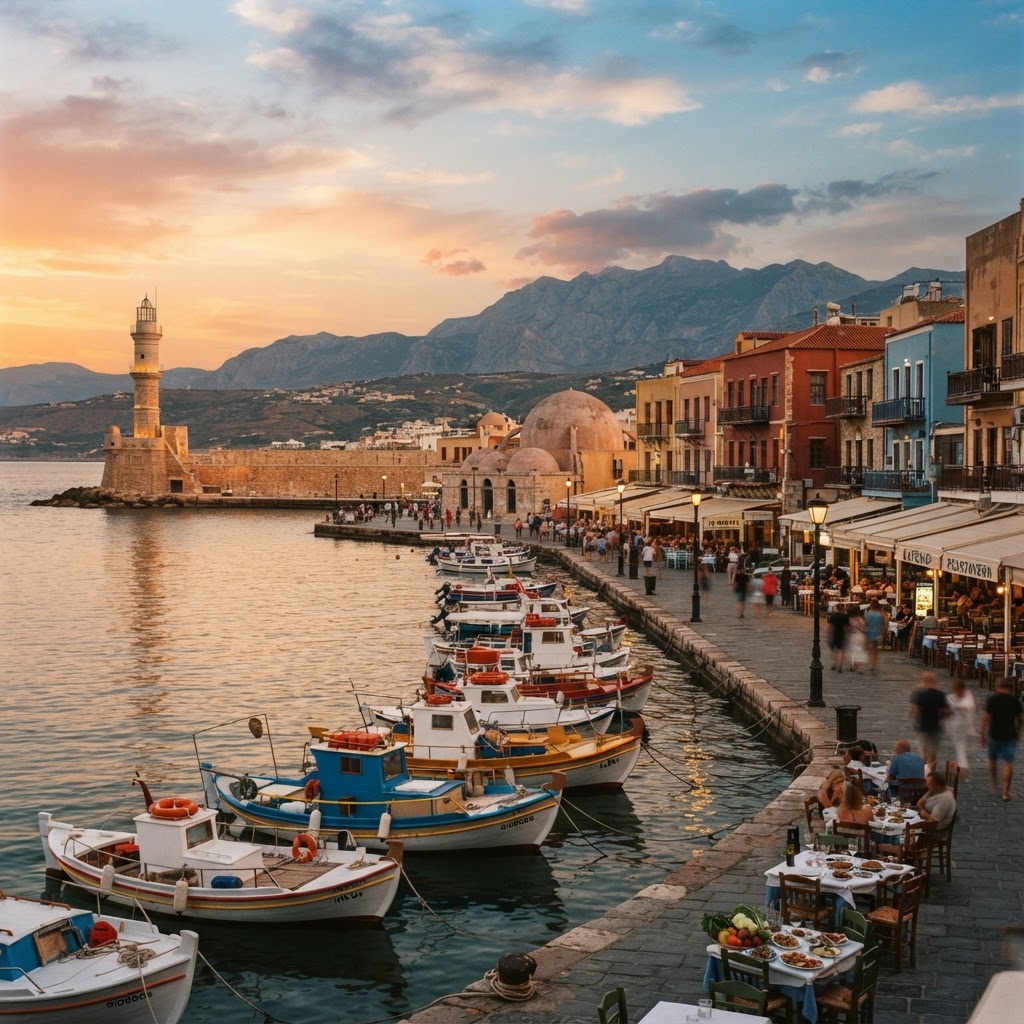
Chania, Crete, Greece
Greece
Venetian naval architecture, Cretan culinary heritage, and the launching pad for wild western gorges.
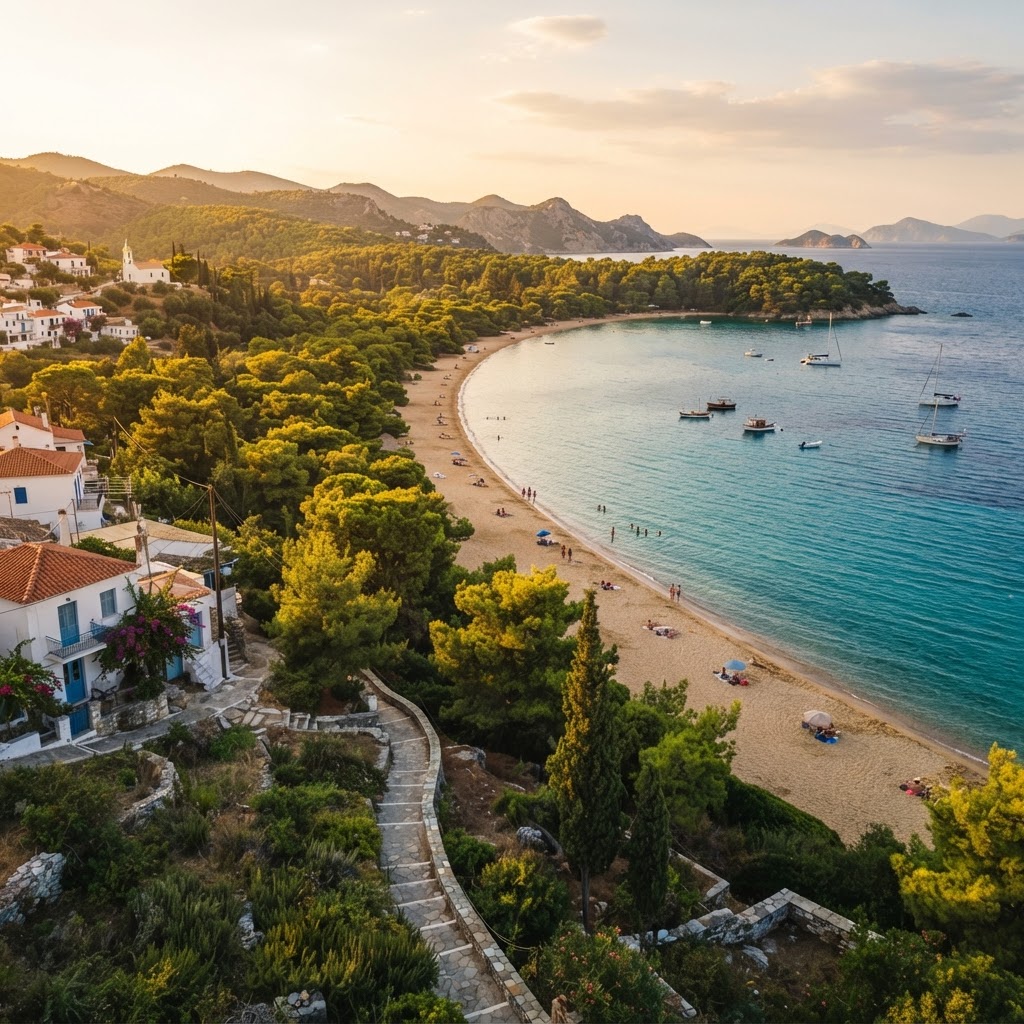
Skiathos
Greece
Golden sandy bays, scented stone-pine forests, and effortlessly accessible Aegean living.
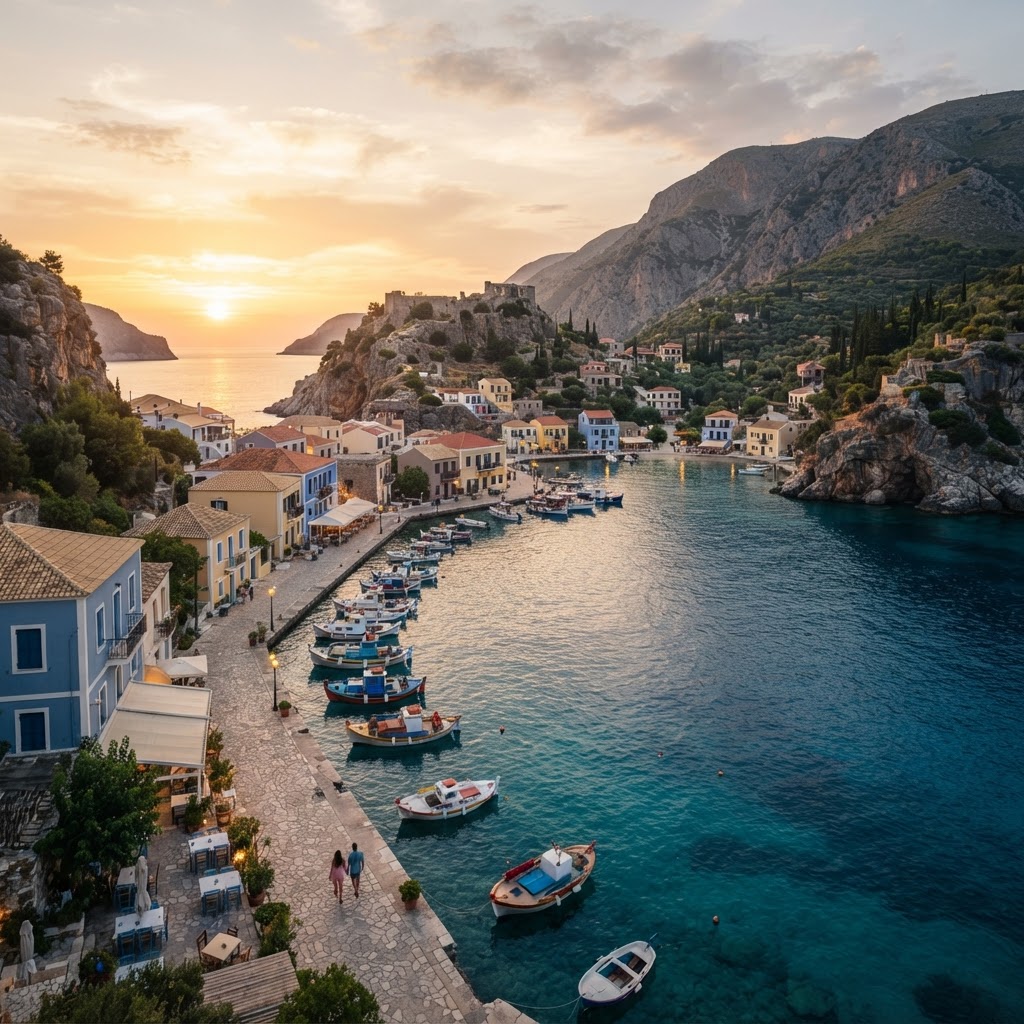
Kefalonia
Greece
Dramatic limestone coastline, sapphire underground lakes, and mountain-framed Ionian fishing villages.
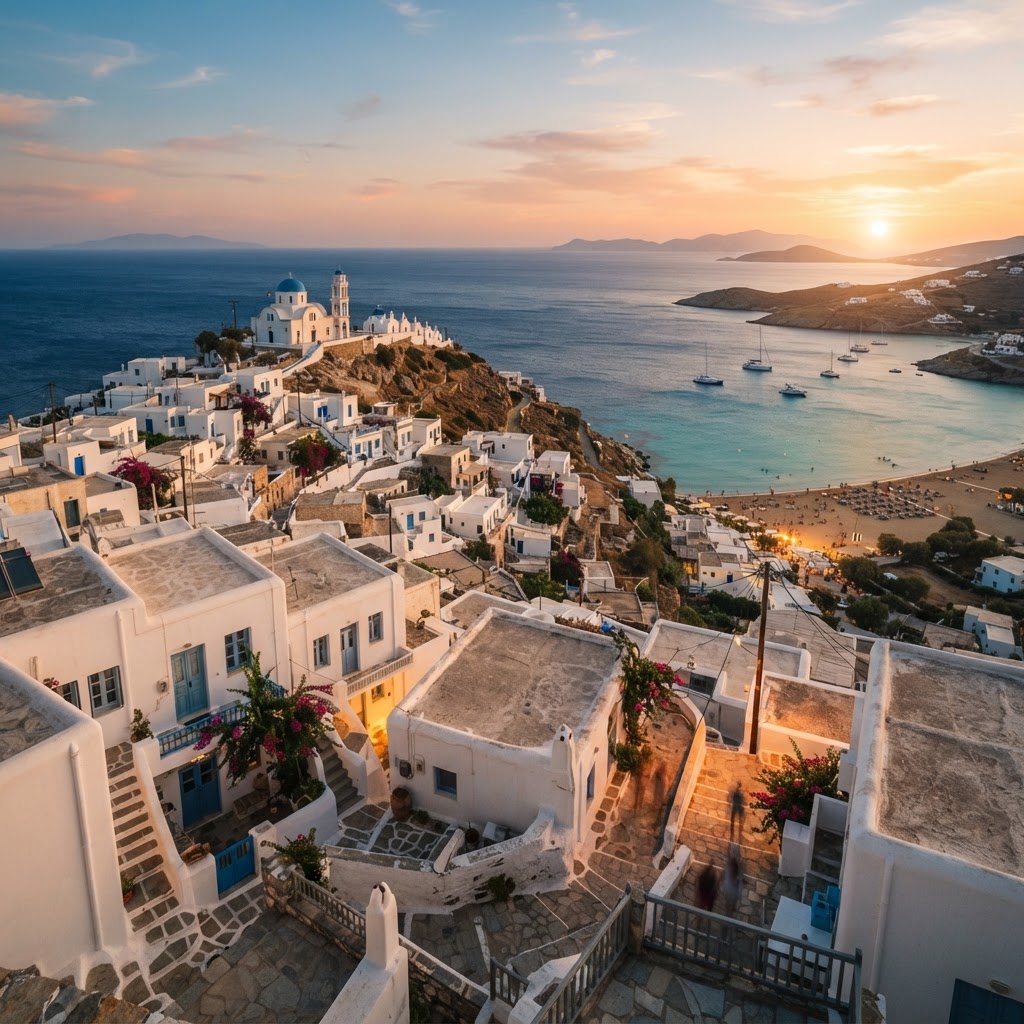
Ios
Greece
Golden sandy bays, Cycladic hilltop labyrinths, and a split personality between midnight revelry and tranquil Aegean coves.
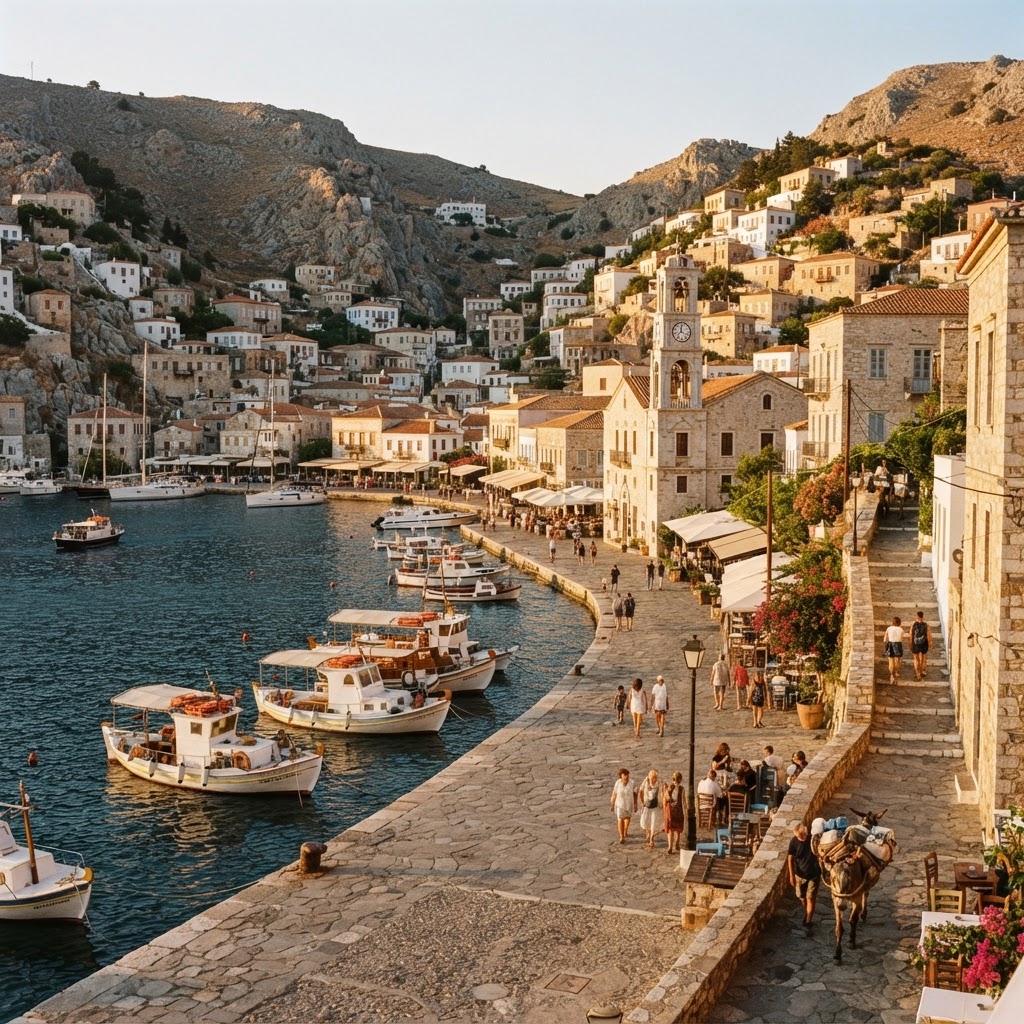
Hydra
Greece
A car-free amphitheater of stone mansions, quiet coastal paths, and deep blue Saronic waters.
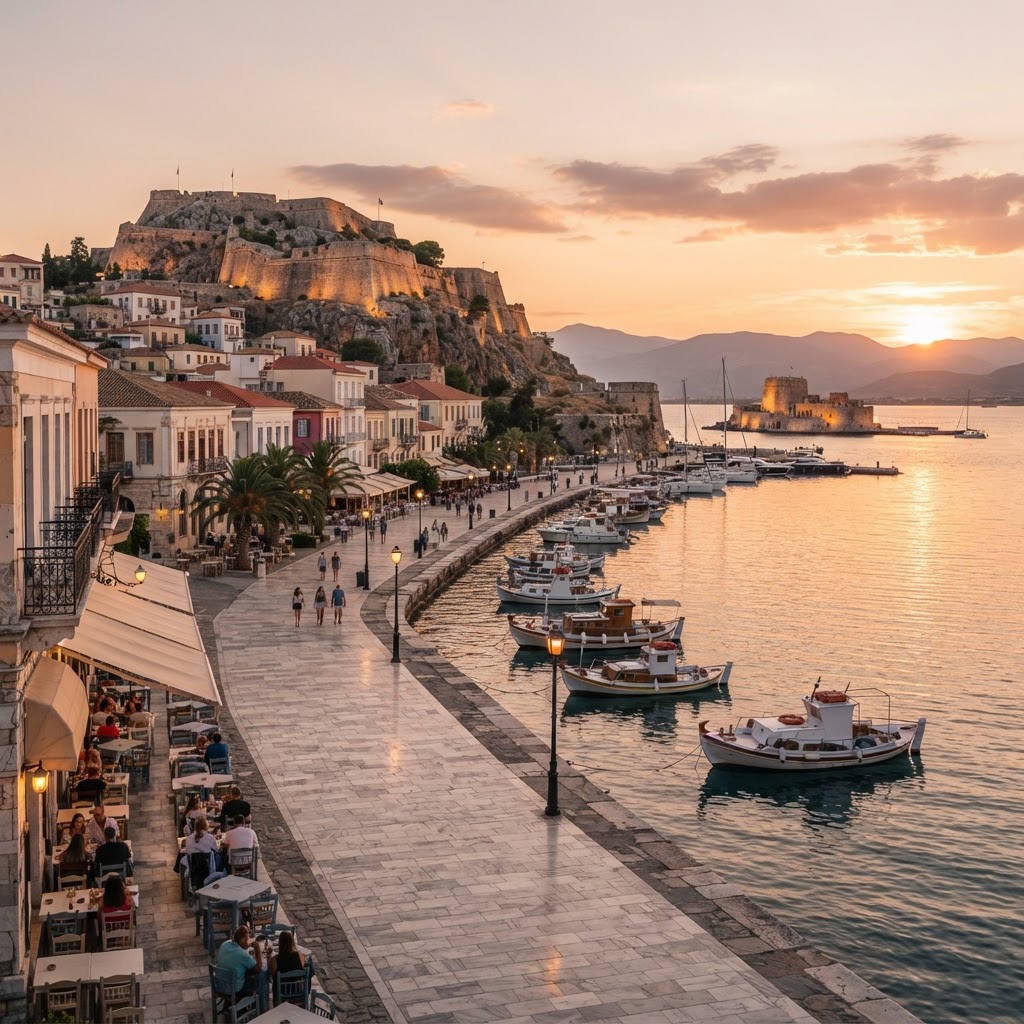
Nafplio, Greece
Greece
Venetian fortresses, seaside marble plazas, and the undisputed gateway to ancient Argolis.
Readymade itineraries
Start from a tested template — then make it yours.
Ready to book
Lock in your Peloponnese, Greece trip
Everything in one place. We may earn a small commission — it never costs you more.
Plan a trip to Peloponnese, Greece
Pick a length and we'll build a day-by-day plan around how you travel — neighborhoods clustered, budget-aware, and editable.
Get better at planning trips like this
Occasional notes on planning smarter — no spam, unsubscribe anytime.
Plan a trip to Peloponnese, Greece
Turn this guide into a day-by-day plan built around your pace, your group, and your budget.
Build my Peloponnese, Greece trip