Norway
Lofoten Islands
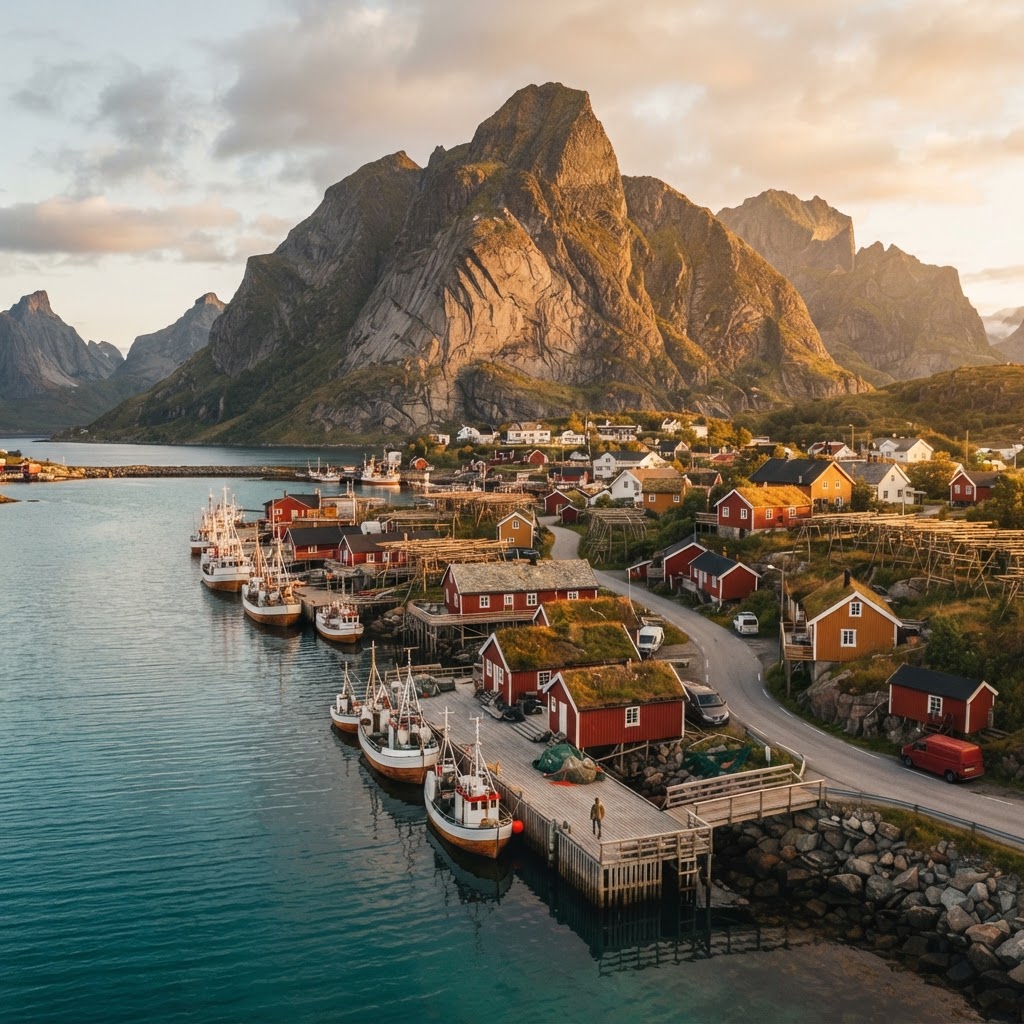
Jagged Arctic granite rising sheer from cold turquoise seas and working rorbu harbors
Plan & book
Sort your Lofoten Islands trip in one place.
We point you to the booking tools we'd actually use — live prices, no markup. Or let us build the day-by-day plan around you first, then book.
The Lofoten archipelago hangs off Norway's northwestern coast above the Arctic Circle, threaded together by the single-spine E10 highway and arched bridges over tidal currents. It is an extraordinary convergence of dramatic alpine topography and littoral heritage: razor-sharp peaks rise directly out of Atlantic surf, framing white-sand beaches, wooden cod drying racks (hjell), and ochre-red fishing cabins (rorbuer). Travelers come for midnight-sun ridge scrambles and cold-water surf in summer, or aurora-chasing and stark blue twilight over snowbound fishing harbors in winter. Lofoten is not an easy or casual detour; it demands respect for volatile weather systems, narrow winding infrastructure, and the realities of remote sub-Arctic logistics.
7 to 8 days
Best time
Late June through August for clear hiking ridges and 24-hour midnight sun, or February to March for snowscapes and aurora borealis.
Build your own trip with these prebuilt itineraries
Each one is a tested, day-by-day plan for Lofoten Islands — start here, then make it yours.
10 Days in Lofoten: Slow Road Trip & Coastal Living in Lofoten Islands
Unrushed island-hopping exploration focusing on historic rorbu stays, local artisan workshops, quiet fjords, and buffer days for shifting Arctic weather.
7 Days in Lofoten: Deep Wilderness & Hiking Expeditions in Lofoten Islands
Active outdoors immersion tailored around iconic ridgeline treks, remote Arctic surf beaches, and weather-flexible scrambling across the archipelago.
5 Days in Lofoten: Classic Arctic Highlights in Lofoten Islands
Essential road-trip route covering iconic coastal fishing villages, dramatic fjord lookouts, and must-see granite peaks from Svolvær to Reine.
Lofoten delivers an intensity of landscape found almost nowhere else on earth: true high-alpine relief dropping vertically into Arctic waters with white-sand beaches like Haukland and Uttakleiv tucked between sheer granite walls. Beyond the postcard viewpoints like Reinebringen, its value lies in tangible maritime culture—active cod-fishing hamlets where wooden drying racks still dominate the shoreline, where you sleep in restored stilt cabins, and where sea-eagle safaris into Trollfjorden start right from village piers.
Where to stay
Getting there
Getting around
Food & drink
What it costs
Things to do
Book tours & tickets in Lofoten IslandsSkip it if
Skip Lofoten if your ideal vacation centers on urban nightlife, luxury resort pampering, reliable beach sunbathing, or museum-heavy culture. Travelers with significant mobility limitations will find the rocky terrain, steep stair climbs, and boat-accessible beaches frustrating, and travelers who experience severe anxiety driving narrow, winding mountain roads with tight passing pockets should reconsider.
When to go
Summer grants endless daylight and open high-elevation trails, but fills single-lane roads with campervans and drives lodging prices to annual highs. Mid-to-late winter provides dramatic snowy peaks and dark skies for the Northern Lights, but demands studded tires and means reduced daylight and rural business closures.
Peak (Mid-June to Mid-August)
24-hour daylight, snow-free summits, and full restaurant operations, but packed trailheads and expensive rental cars.
Shoulder (May to Early June & Late August to September)
May brings lingering high snowpack and empty roads; September delivers vibrant autumn tundra colors and early dark-sky aurora hunting without midsummer traffic.
Low (November to March)
Polar night in December gives way to lengthening blue light in February and March; superb for winter landscapes and Northern Lights, but many remote outposts shut down.
Neighborhoods
Where you stay shapes the trip. Here's how to think about it.
Reine & Hamnøy
Postcard dramatic fjords with red rorbuer on stilts against shear granite walls
Best for:photographers and iconic scenery
Don't miss:Climbing the Reinebringen stone stairs for the aerial view over Reinefjorden
Henningsvær
Artsy fishing village on linked skerries with specialty cafes and craft studios
Best for:couples, food lovers, and social evenings
Don't miss:The Henningsvær Stadium football pitch on its ocean rock outcrop
Svolvær
Archipelago hub town with urban conveniences, tour boats, and harborfront hotels
Best for:first-timers without a car and winter tour departures
Don't miss:The Svolværgeita twin-pinnacle rock climb overlooking the harbor
Nusfjord
Restored 19th-century open-air museum fishing harbor locked inside steep cliffs
Best for:couples seeking quiet seclusion and historic rorbu atmosphere
Don't miss:Warm kanelboller from the historic Landhandleri bakery by the wooden wharves
Ballstad
Authentic working cod harbor with contemporary waterside lodges and active boat yards
Best for:active hikers and water sports enthusiasts wanting a central base
Don't miss:Kayaking the sheltered sound and hiking up the Nonstinden ridge
Leknes & Gravdal
Functional commercial interior valley surrounded by surf beaches and trailheads
Best for:practical road-trippers wanting a central logistics base
Don't miss:Sunset and midnight sun watching at Haukland and Uttakleiv beaches
Destination intelligence
Updated 9/14/2026The structured record we plan every Lofoten Islands itinerary from.
Walkability
Low overall. While individual villages like Henningsvær, Reine, and Nusfjord are easily explored entirely on foot, accessing trailheads, separated islands, beaches, and sights requires a vehicle.
Transit quality
Fair along the central corridor, poor off-axis. The regional 300 bus connects Svolvær to Å along the E10, but sparse frequencies and lack of trailhead feeder shuttles severely limit flexibility.
Car needed
Yes, effectively mandatory. To adapt around rapid weather shifts, access hiking trailheads, and explore remote coastal stretches, having your own vehicle is crucial.
Ideal duration
7 to 8 days
Minimum useful
4 days
Peak season
Mid-June through mid-August: 24-hour midnight sun, all hiking paths clear of snow, fully open restaurants, but packed trailheads, tight campervan traffic, and peak accommodation rates.
Shoulder season
May to early June (long days, lingering snowpack on high trails, uncrowded roads) and late August to September (vibrant autumn tundra foliage, fading crowds, early aurora sightings by night).
Low season
November through March: Arctic polar night, heavy snow, closed rural venues, but prime conditions for Northern Lights photography, sea fishing, and pristine winter snowscapes.
Best for
Common mistakes
- Underestimating driving distances and road conditions: average speeds rarely exceed 50–60 km/h due to bridges, single-lane tunnels, and slow campervans.
- Assuming summer guarantees warm, clear weather: Arctic gale squalls, heavy fog, and cold rain can blanket peaks for three consecutive days in July.
- Waiting too late to book rental cars and accommodations: vehicle inventory sells out months in advance for the June–August window.
- Wild camping on sensitive coastal habitats without checking local municipal restrictions around popular beaches like Reinebringen and Uttakleiv.
- Attempting steep, muddy granite trails in wet conditions wearing slick athletic sneakers rather than stiff, waterproof hiking boots.
Best nearby
How to plan it
- Split your lodging into two distinct bases—like Henningsvær in the north and Reine in the south—to avoid backtracking on narrow roads.
- Never attempt to drive from Evenes Airport to Å and hike Reinebringen on the same afternoon; factor in single-lane bridges and photo stops.
- Reserve your car rental at Harstad/Narvik (Evenes), Svolvær, or Leknes before booking your lodging, as vehicle inventory dictates seasonal feasibility.
- Use the yr.no weather app and the EnTur transit app rather than Google Maps, which often miscalculates rural ferry connections and bus schedules.
- Plan your summit hikes around wind gusts and low cloud ceilings rather than the clock, using the midnight sun to climb at 10 PM on clear days.
Questions
More in Norway
Trondheim
Norway
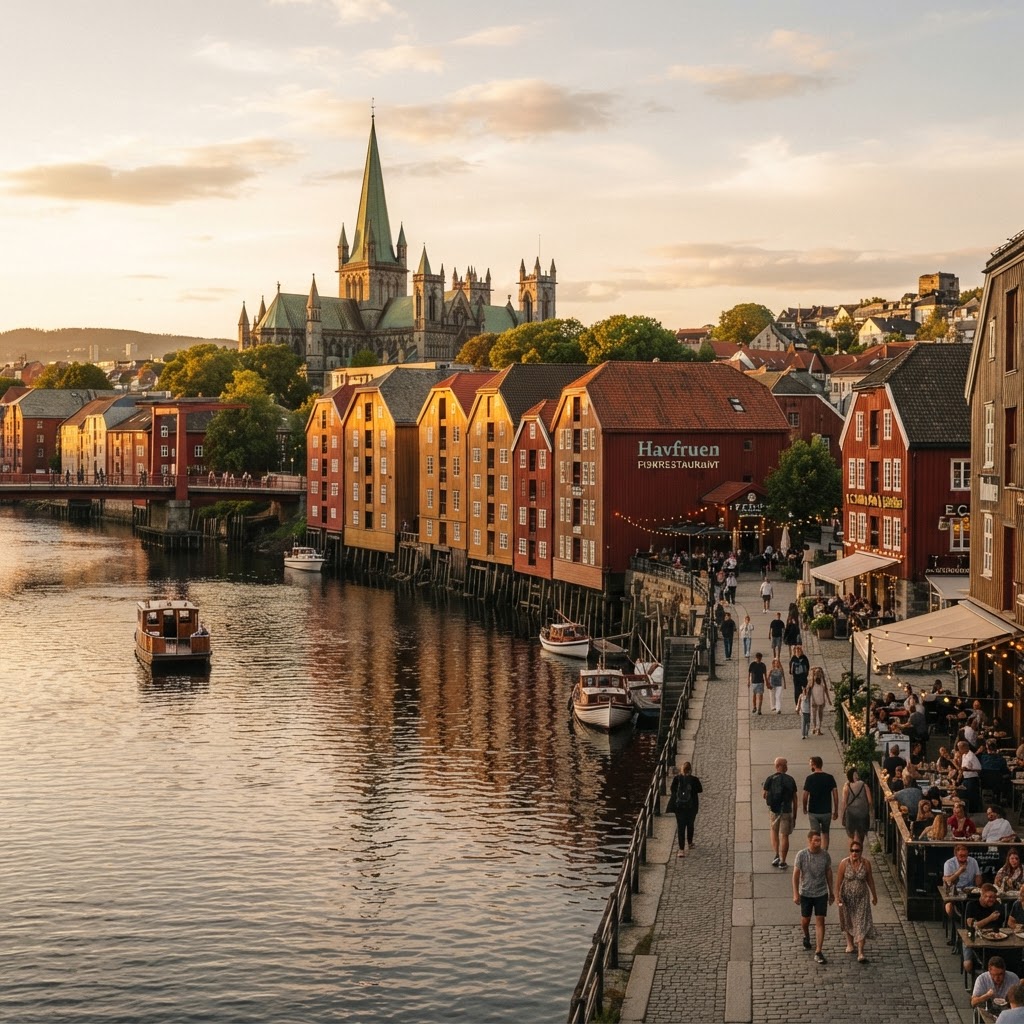
Norway’s medieval capital transformed into a Nordic culinary powerhouse
Svalbard
Norway
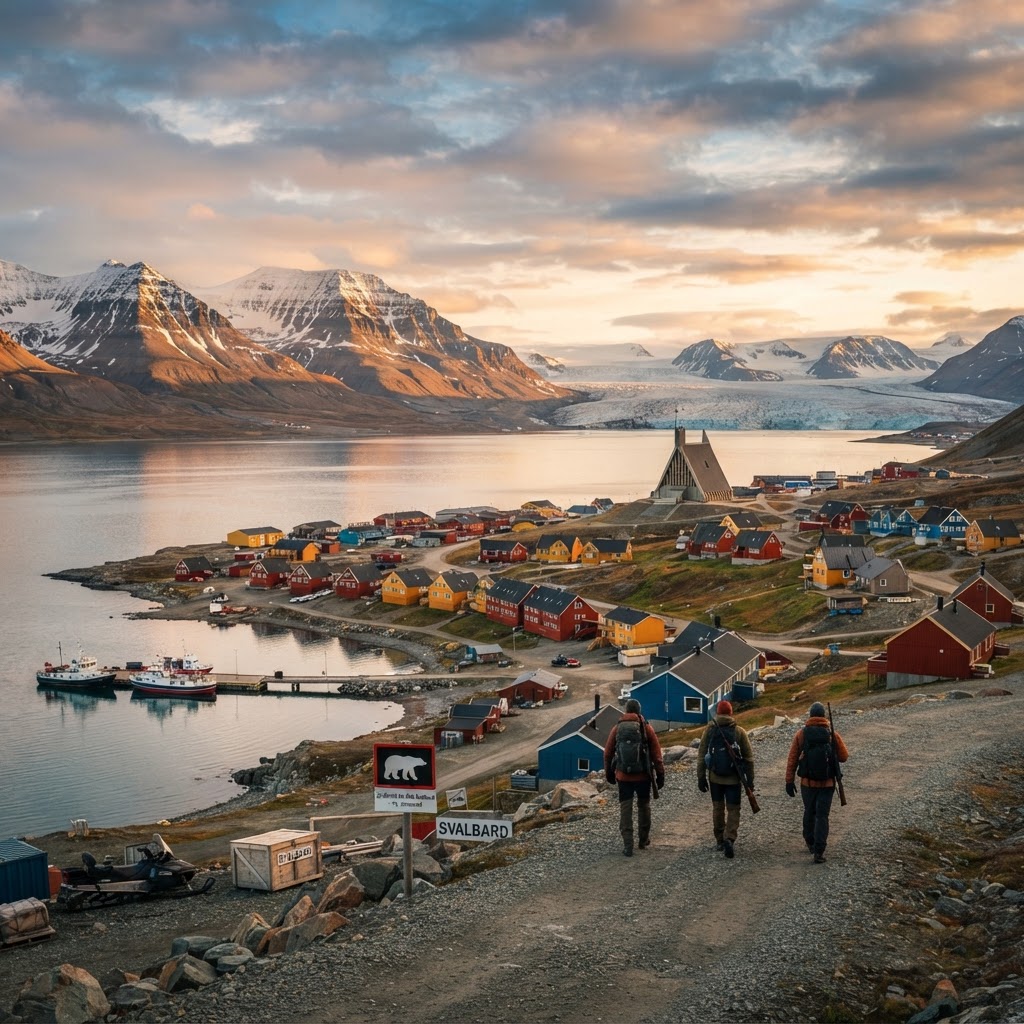
A high-Arctic outpost of active glaciers, polar wilderness, and strict wilderness protocol.
Ålesund
Norway
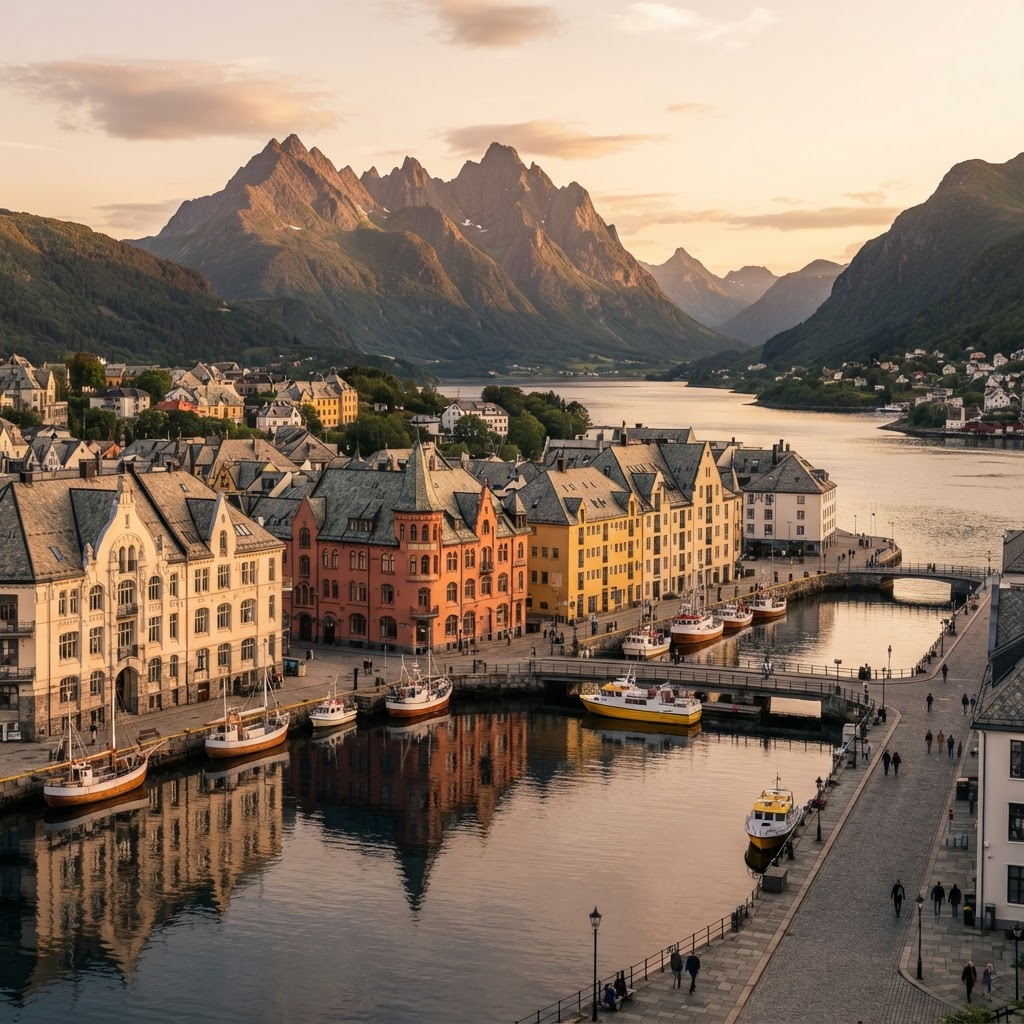
Art Nouveau waterfronts meeting untamed fjords and jagged Sunnmøre Alps.
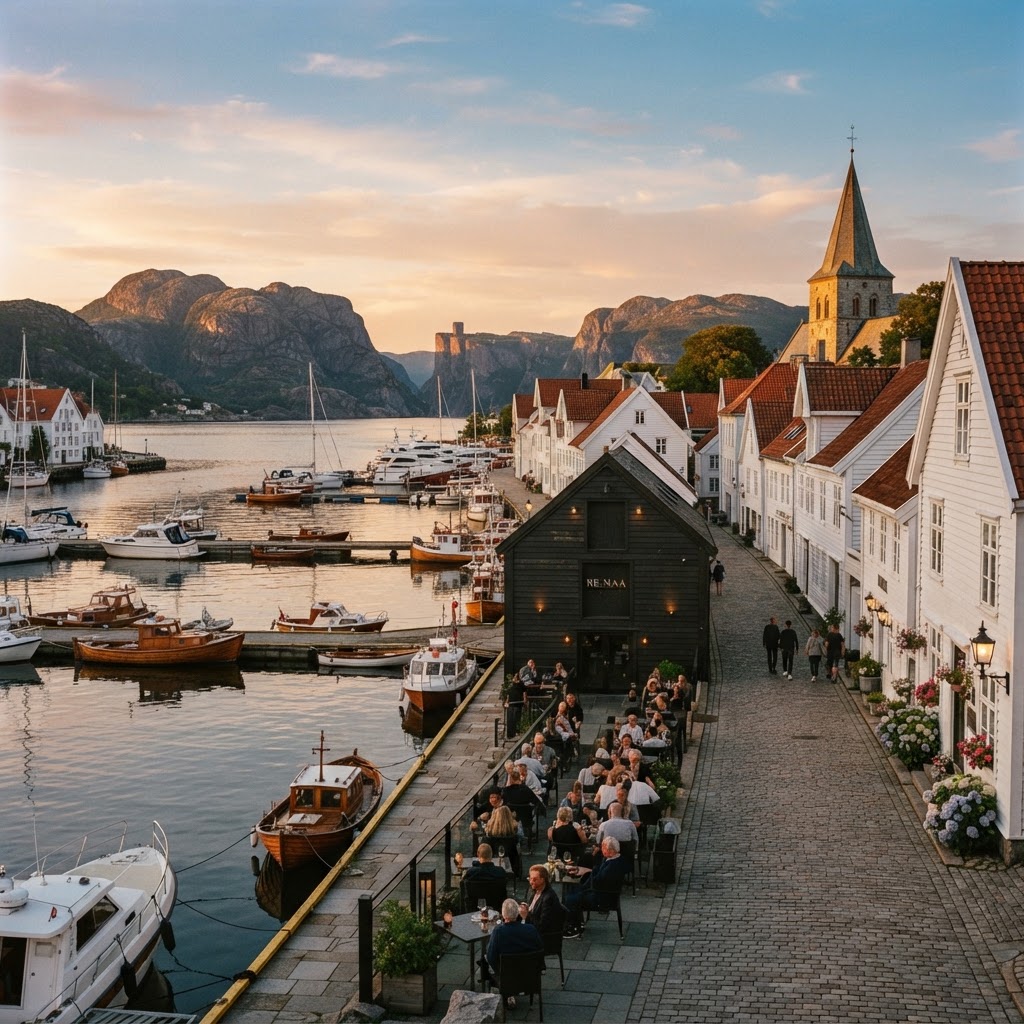
Stavanger, Norway
Norway
Architectural heritage, Michelin-caliber dining, and the rugged gateway to Lysefjord.
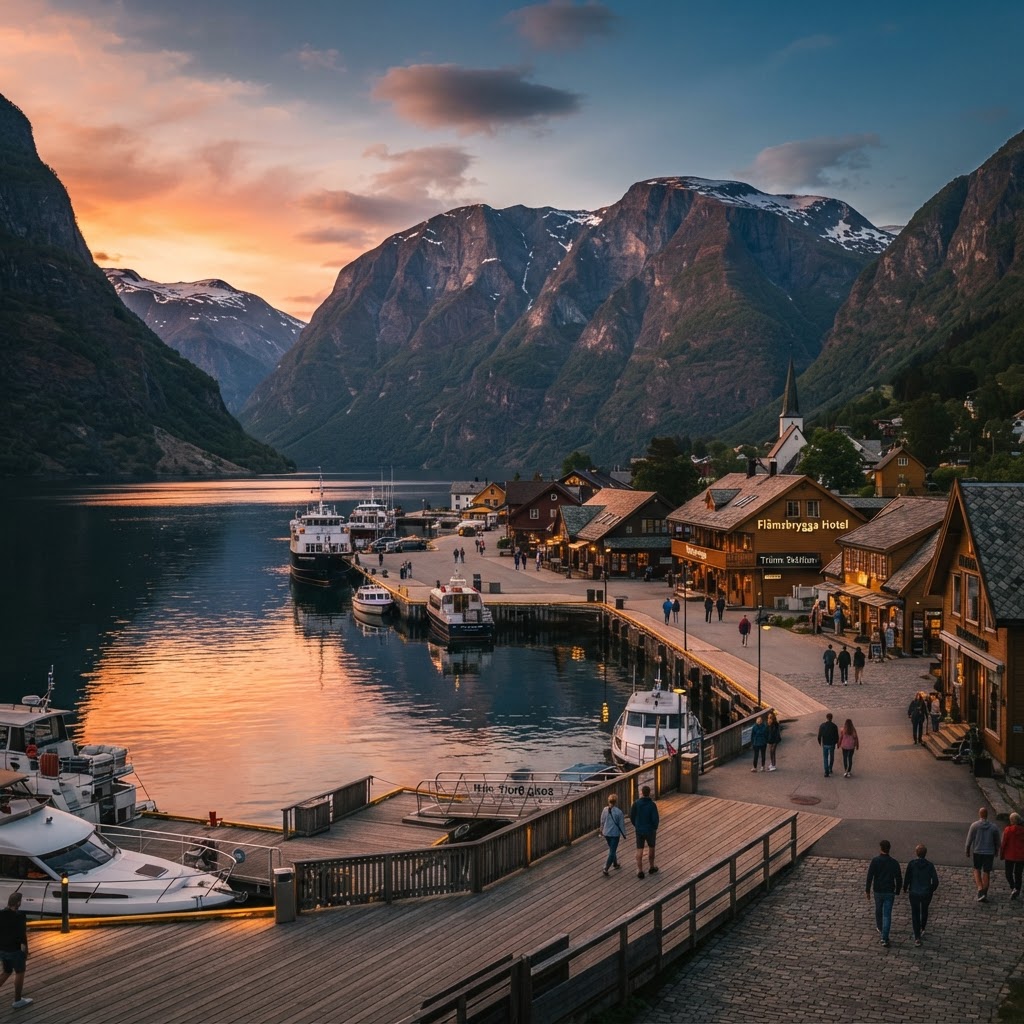
Flåm, Norway
Norway
A dramatic fjord terminus overwhelmed by day trippers at noon, magical at dusk.
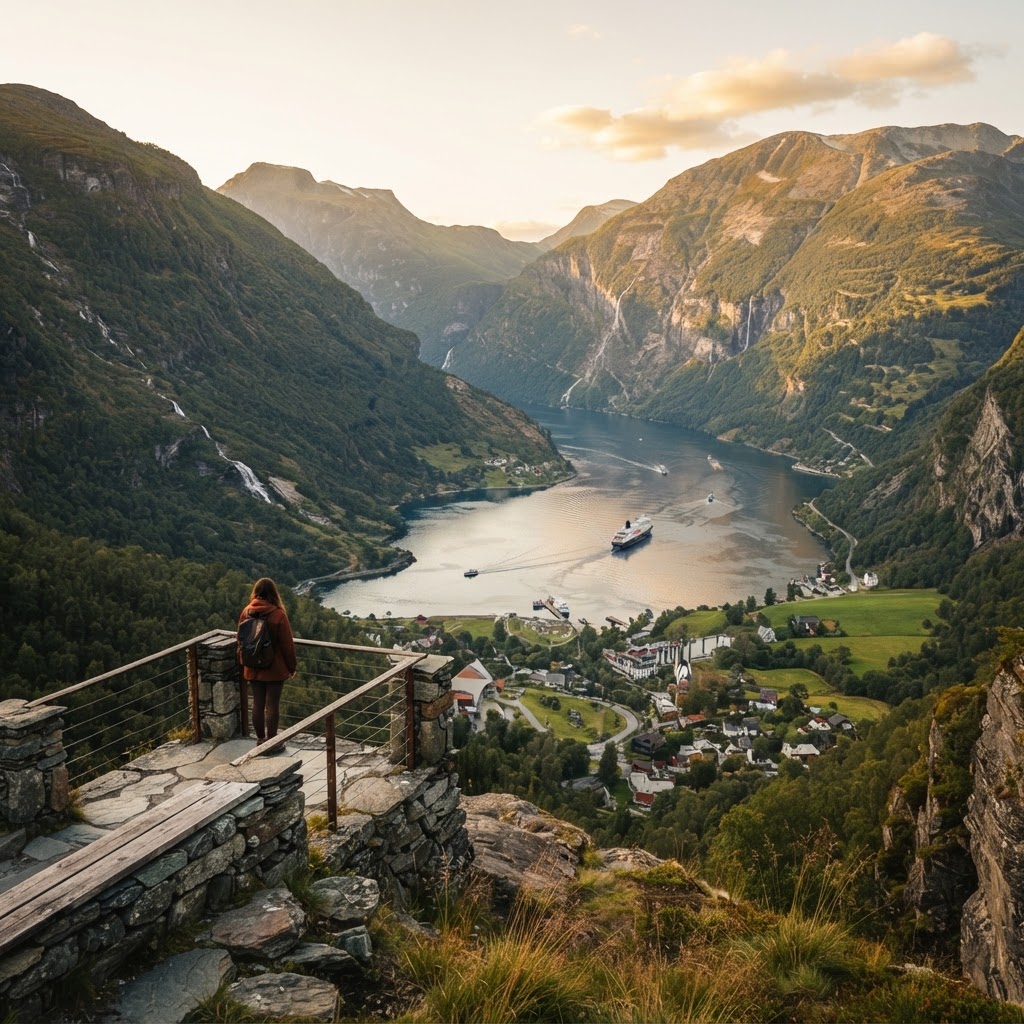
Geirangerfjord, Norway
Norway
Sheer granite cliffs, thunderous waterfalls, and high mountain viewpoints above Norway's most dramatic waterway.
Readymade itineraries
Start from a tested template — then make it yours.
Ready to book
Lock in your Lofoten Islands trip
Everything in one place. We may earn a small commission — it never costs you more.
Plan a trip to Lofoten Islands
Pick a length and we'll build a day-by-day plan around how you travel — neighborhoods clustered, budget-aware, and editable.
Get better at planning trips like this
Occasional notes on planning smarter — no spam, unsubscribe anytime.
Plan a trip to Lofoten Islands
Turn this guide into a day-by-day plan built around your pace, your group, and your budget.
Build my Lofoten Islands trip