Thailand
Koh Tao
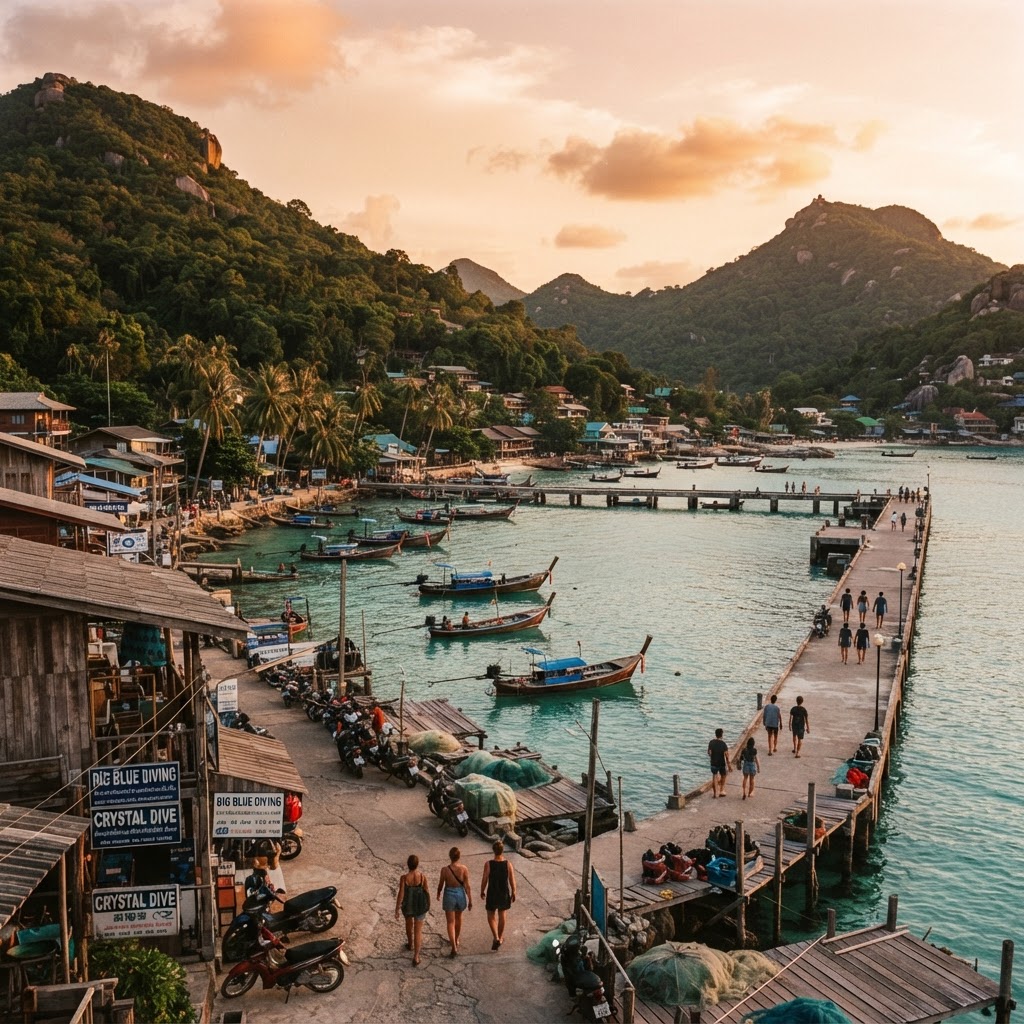
The Gulf's premier dive outpost with rugged granite bays and low-key coastal rhythm.
Plan & book
Sort your Koh Tao trip in one place.
We point you to the booking tools we'd actually use — live prices, no markup. Or let us build the day-by-day plan around you first, then book.
Measuring just 21 square kilometers, Koh Tao is Thailand's undisputed hub for scuba training and reef discovery. Unlike larger, package-heavy neighbors like Koh Samui, Tao retains a steep, jungle-fringed topography punctuated by granite boulders, vibrant shallow reefs, and chilled beach villages where life revolves around tide charts and dive boat departures.
4 to 5 days
Best time
February to April delivers flat seas, minimal rainfall, and the peak window for whale shark encounters.
Build your own trip with these prebuilt itineraries
Each one is a tested, day-by-day plan for Koh Tao — start here, then make it yours.
7 Days: Slow Island Immersion & Coastal Hikes in Koh Tao
A relaxed adventure combining secluded bay-hopping by longtail, freediving, and rugged granite peak trail hikes
5 Days: Open Water Diver Certification in Koh Tao
A dedicated dive-course journey structured around Open Water training, reef exploration, and built-in post-dive surface intervals
4 Days: Shorelines, Snorkeling & Viewpoints in Koh Tao
First-time island overview focusing on scenic viewpoints, coastal snorkeling bays, and beachside culture without full dive certification
Travelers come to Koh Tao for cheap, high-standard scuba and freediving certifications, exceptionally clear waters accessible straight from the shore, and a grounded island lifestyle that balances cafe culture and cliffside pool villas without mega-resort sprawl.
Where to stay
Getting there
Getting around
Food & drink
What it costs
Things to do
Book tours & tickets in Koh TaoSkip it if
Skip Koh Tao if you dislike boats and sea travel, demand large-scale all-inclusive luxury resorts, require pristine stroller-friendly infrastructure, or have zero interest in swimming, snorkeling, or diving.
When to go
Unlike Thailand's Andaman coast, the Gulf experiences its monsoon late (October to mid-December). Visiting in late winter to early spring gives you crystal-clear water and calm ferry crossings before the scorching heat peaks in May. While July and August bring great summer diving, accommodation and dive boats hit peak capacity.
Peak (Dec–Mar & Jul–Aug)
Calmest seas and best underwater visibility, but ferries sell out fast and popular reefs see heavy diver traffic.
Shoulder (Apr–Jun & Sep)
Hot weather and fewer crowds; dive shops run at relaxed capacity, though June can bring occasional choppy winds.
Low (Oct–Nov)
Gulf monsoon brings heavy downpours, rough ferry crossings, and sediment-churned water that ruins reef visibility.
Neighborhoods
Where you stay shapes the trip. Here's how to think about it.
Sairee Beach
Bustling coastal hub lined with beachfront dive shops, sunset bars, and pedestrian-packed walking alleys.
Best for:First-timers, social travelers, and nightlife seekers who want everything within easy walking distance.
Don't miss:Catching the fire dancers from a beach beanbag before dinner at Mama Tam's Kitchen.
Mae Haad
Working ferry harbor anchored by maritime logistics, dive shop retail, traditional Thai eateries, and relaxed guesthouses.
Best for:Short stays, logistics-focused travelers, and divers catching dawn departures without fuss.
Don't miss:The quiet southern sweep of the bay and snorkeling around the shallow shipwreck just offshore.
Chalok Baan Kao
Sleepy southern bay framed by shallow emerald water, barefoot beach cafes, and a mellow expat and freediving scene.
Best for:Low-key travelers, families, and freedivers wanting tranquility without being isolated.
Don't miss:Walking across the coastal footbridge toward Freedom Beach and hiking up to the John-Suwan Viewpoint.
Tanote Bay & East Coast
Dramatic, rugged granite shoreline with steep jungle drop-offs, deep water, and isolated coral head diving.
Best for:Snorkelers, confident scooter riders, and travelers seeking quiet seclusion over evening crowds.
Don't miss:Cliff jumping from the giant granite boulder positioned directly in the middle of Tanote Bay.
Shark Bay (Thian Og)
Upscale hillside sanctuary overlooking private crystalline coves populated by wild marine life.
Best for:Luxury seekers, honeymooners, and wildlife snorkelers avoiding village traffic.
Don't miss:Wading straight into the bay at high tide with a mask to spot resident blacktip reef sharks and green turtles.
Destination intelligence
Updated 9/14/2026The structured record we plan every Koh Tao itinerary from.
Walkability
Low to Moderate. Individual beach villages (Sairee, Mae Haad) are flat and walkable on foot, but crossing the island's steep granite spine requires songthaews, water taxis, or motorbikes.
Transit quality
Limited. There is no public rail or scheduled bus service; local transport is limited to private open-back songthaew trucks and maritime longtail taxis.
Car needed
No. Rental cars are unnecessary and impractical for Koh Tao's narrow, winding hillside lanes; hire songthaew taxis or longtails instead.
Ideal duration
4 to 5 days
Minimum useful
3 days (4 days minimum if completing an Open Water dive course)
Peak season
December to March and July to August, characterized by calm blue waters, optimal diving visibility, and vibrant island atmosphere.
Shoulder season
April to June, offering warmer temperatures, flatter seas, fewer crowds, and lower accommodation rates.
Low season
October to late November, the Gulf's distinct monsoon period bringing torrential rain, choppy crossings, and reduced dive visibility.
Best for
Common mistakes
- Renting a scooter without proper motorcycle experience, leading to the notorious 'Koh Tao tattoo' (road rash from steep, sand-slicked hills)
- Booking a flight too close to the end of your trip without accounting for rough Gulf sea conditions delaying the Mae Haad ferry
- Forgetting the 24-hour no-fly window after scuba diving when booking outbound flights from Koh Samui or the mainland
- Bringing single-use plastic bottles onto Koh Nang Yuan where plastic and beach towels are banned
Best nearby
See what a trip to Thailand actually costs. Travel Budget Co.
How to plan it
- Base yourself in Sairee Beach if you want car-free access to cafes, dive hubs, and evening spots; choose Chalok Baan Kao if you want uninterrupted quiet.
- Do not compress an Open Water scuba certification into a quick 2-day island stop; you need a minimum of 4 nights to clear dive theory, open-water dives, and safety intervals.
- Hire a private longtail from Sairee Beach to Koh Nang Yuan at 8:30 AM to climb the iconic viewpoint before the large midday day-trip boats arrive from Koh Samui.
- Combine your visit to Freedom Beach with the steep hike up to John-Suwan Viewpoint in a single morning while temperatures are manageable.
- Book high-speed ferry crossings (Lomprayah) at least 3 to 5 days in advance during January–March and around the monthly Koh Phangan Full Moon Party dates.
Questions
More in Thailand

Sukhothai, Thailand
Thailand
Cycle among the birthplace ruins of Siam, free from highway traffic and mass tour buses.
Hua Hin
Thailand
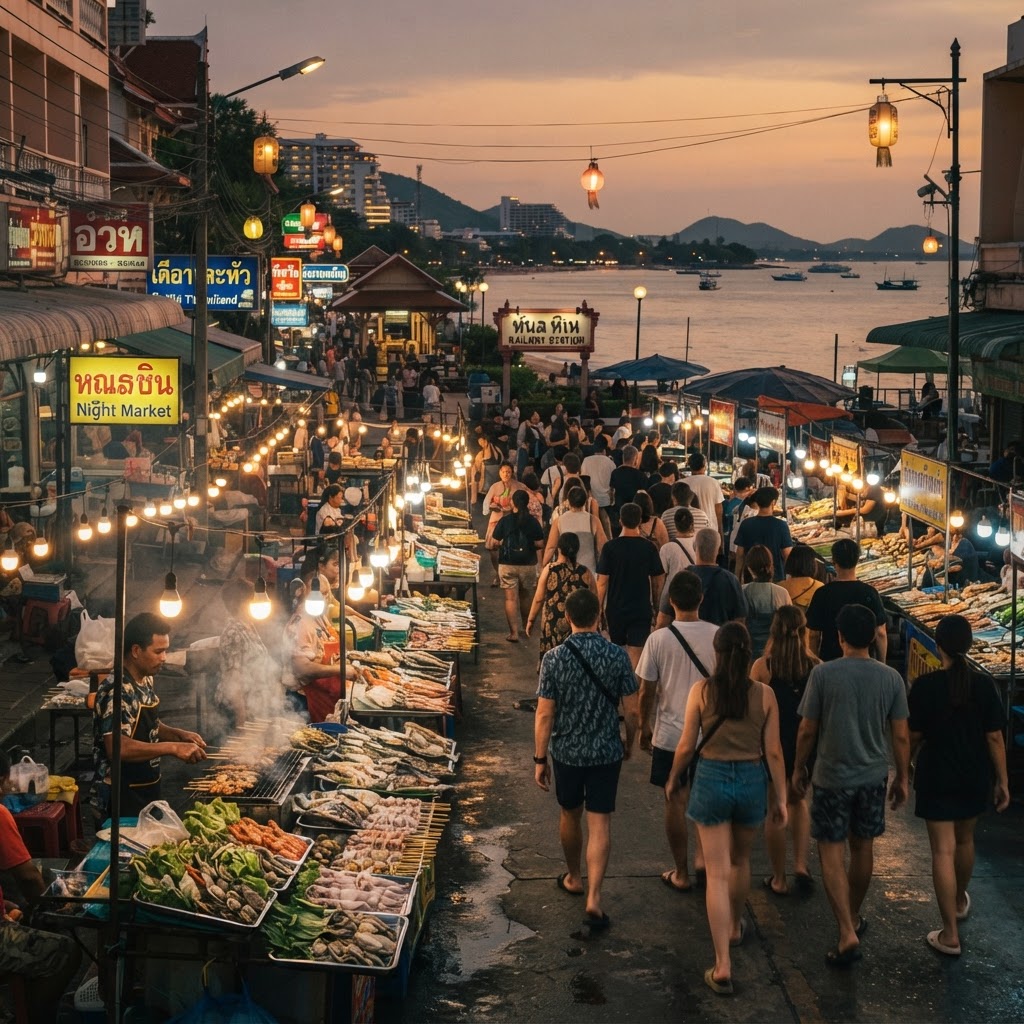
Royal coastal ease, night-market seafood, and low-friction seaside rest without the island transit hassle.
Readymade itineraries
Start from a tested template — then make it yours.
Ready to book
Lock in your Koh Tao trip
Everything in one place. We may earn a small commission — it never costs you more.
Plan a trip to Koh Tao
Pick a length and we'll build a day-by-day plan around how you travel — neighborhoods clustered, budget-aware, and editable.
Get better at planning trips like this
Occasional notes on planning smarter — no spam, unsubscribe anytime.
Plan a trip to Koh Tao
Turn this guide into a day-by-day plan built around your pace, your group, and your budget.
Build my Koh Tao trip