Thailand
Koh Lanta, Thailand
Unhurried Andaman stretches, golden-hour beachfronts, and village calm without the tourist-strip glare.
Plan & book
Sort your Koh Lanta, Thailand trip in one place.
We point you to the booking tools we'd actually use — live prices, no markup. Or let us build the day-by-day plan around you first, then book.
Stretching south along Krabi's Andaman coast, Koh Lanta (primarily Koh Lanta Yai) is the deliberate antidote to Phuket’s high-density traffic and Koh Phi Phi’s nocturnal party churn. Defined by miles of flat, uncrowded west-facing sand, a lush mountainous interior, and a tranquil east-coast teak heritage town, Lanta operates at a fundamentally lower pulse. It is an island where days are anchored around coastal tides, open-air beach dining, and gentle scooter hops rather than tightly ticketed day-party itineraries.
5 to 7 days
Best time
December through March for dry, sunny skies, placid Andaman waters, and open marine routes.
Build your own trip with these prebuilt itineraries
Each one is a tested, day-by-day plan for Koh Lanta, Thailand — start here, then make it yours.
7 Days Slow-Paced Family Beach Retreat in Koh Lanta
Calm, shallow swimming at Khlong Dao, private day trips, gentle mangrove kayaking, and easy family-friendly pacing
6 Days of Marine Exploration & Island Living in Koh Lanta
Deep dive into world-class diving at Hin Daeng and Koh Haa, ethical wildlife sanctuaries, and southern national park trails
4 Days of Coastal Highlights & Sunset Lounging in Koh Lanta
Essential west-coast beaches, seaside cafes, Old Town culture, and top sunset spots for first-time visitors
Lanta offers one of Thailand’s most functional balances between accessible infrastructure and genuinely low-stress coastal life. You get west-facing beaches with front-row sunset seats every evening, reliable Wi-Fi and café culture, and easy access to premier dive marine parks like Koh Haa and Koh Rok, all without high-rise resorts walling off the shoreline or bass-heavy clubs shaking the palms at midnight.
Where to stay
Getting there
Getting around
Food & drink
What it costs
Things to do
Book tours & tickets in Koh Lanta, ThailandSkip it if
Skip Koh Lanta if your ideal holiday requires rowdy nightlife, mega-clubs, high-end designer shopping malls, and party-crawl hostels—Koh Phi Phi, Patong (Phuket), or Koh Phangan are far better fits. It is also not ideal for travelers with limited mobility who do not plan on renting a private driver, as the island is spread out over 25 kilometers with zero pedestrian sidewalks between beach pockets.
When to go
Peak season offers calm west-facing water, full dive access to offshore sites like Koh Haa, and operating ferry connections. You will pay top rates and require advance bookings around holidays, but Lanta's expansive beaches absorb crowds far better than Phuket or Phi Phi.
Peak (December–March)
Crisp northeast breezes, minimal rainfall, and flat seas. Premium accommodation pricing; reserve beachfront bungalows at least 6 to 8 weeks ahead.
Shoulder (April & November)
November sees newly reopened dive trips and lush foliage with dropping room rates; April is blistering hot with occasional pre-monsoon squalls.
Low (May–October)
Southwest monsoon brings heavy surf, strong rip tides, and shuttered beach restaurants. Transport is limited, but room rates hit rock bottom.
Neighborhoods
Where you stay shapes the trip. Here's how to think about it.
Long Beach (Phra Ae)
A vast, sweeping golden-sand crescent where relaxed beachfront dining balances independent cafes without late-night club churn.
Best for:First-timers, solo travelers, and visitors avoiding scooter rentals
Don't miss:Catching sundown with local massaman curry and a Singha right at the sand line, followed by fresh fruit shakes along the parallel main road.
Klong Dao
Gentle, family-centric coastal bay with extremely shallow waters, walkable sand flats at low tide, and quick access to Saladan pier.
Best for:Families with small children and remote workers needing reliable coffee shops
Don't miss:Morning low-tide strolls along the flat three-kilometer bay followed by breakfast at Oasis Yoga.
Klong Nin
Mid-island village calm where low-key beach shack bars and casual seafood grills sit directly above the surf line.
Best for:Couples and return visitors who want a central base to scooter north or south
Don't miss:Dinner on wooden floorboards over the high tide at Shanti Shanti or neighboring beachfront seafood shacks.
Kantiang Bay
Steep forested cliffs framing a turquoise amphitheater of deep water, upscale isolation, and boutique hideaways.
Best for:Honeymooners, luxury travelers, and scuba divers heading south to Hin Daeng
Don't miss:Sunset drinks looking down across the bay from the cliffside perch of Why Not Bar or the ridges of Pimalai Resort.
Lanta Old Town
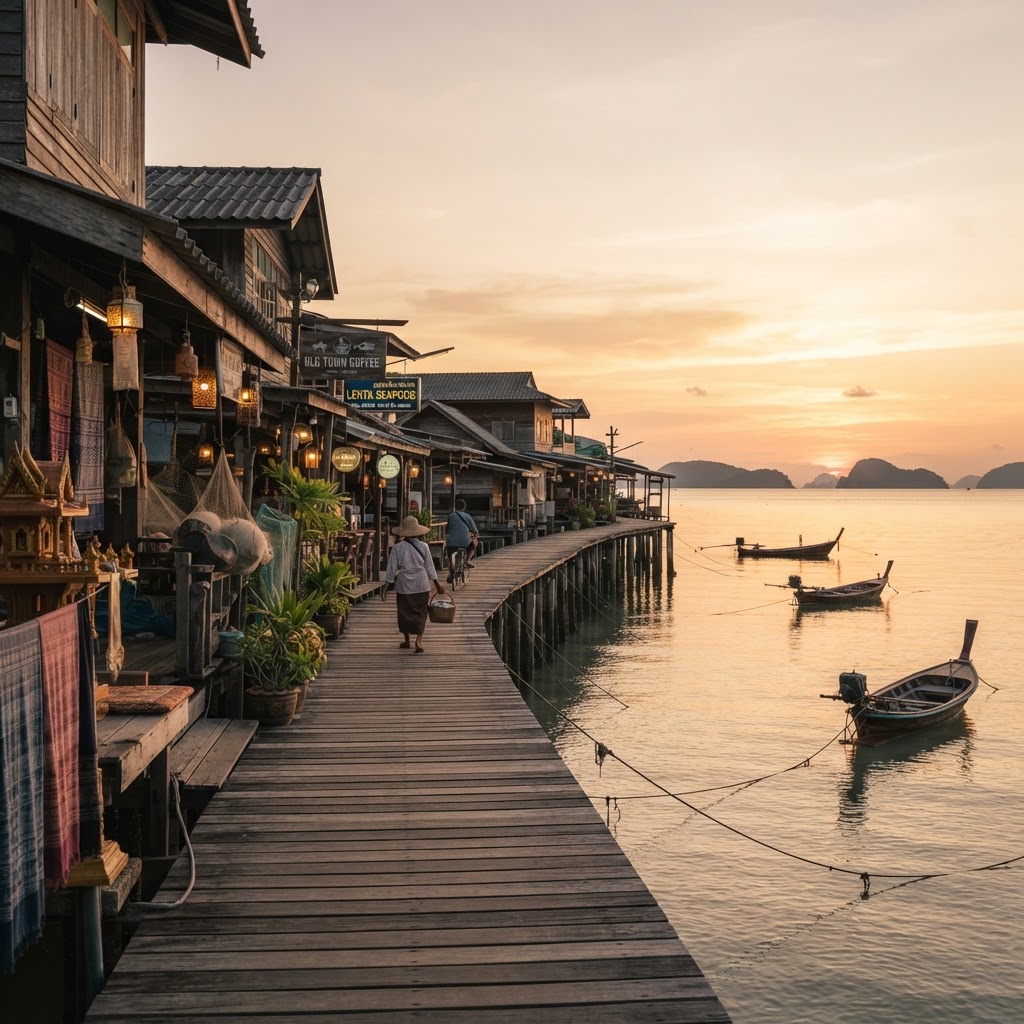
East-coast maritime heritage defined by century-old teak stilt houses, sea-gypsy roots, and sleepy fishing rhythms without a swimming beach.
Best for:Culture lovers, photographers, and visitors wanting quiet waterfront stilt-house stays
Don't miss:Fresh garlic-pepper prawns on the wooden pier stilt decks at Sunee's Place overlooking the mangrove-fringed bay.
Destination intelligence
Updated 9/14/2026The structured record we plan every Koh Lanta, Thailand itinerary from.
Walkability
Low. Individual beach stretches and central village strips (such as Saladan or Old Town) are easily walkable on foot, but the island spans roughly 25 km north to south with hilly, unlit roads lacking pedestrian pavements between settlements. Transport is required to move between beaches.
Transit quality
Low. There is no scheduled municipal bus, rail, or public transit network. Island mobility is entirely handled via private scooter rentals, saleng (sidecar motorbikes), songthaew taxis, or prearranged hotel vans.
Car needed
Optional. A car is unnecessary for most visitors who are comfortable operating a scooter or hiring local songthaew taxis. However, families with toddlers or older travelers who want to explore the southern national park and the east coast without motorbike hazards will benefit from renting a compact car or hiring a driver for a day.
Ideal duration
5 to 7 days
Minimum useful
3 days
Peak season
December through March. Dry, sunny days with calm, clear Andaman waters and cooler coastal breezes. Accommodation prices hit their peak, and advance bookings are essential, though beaches rarely feel congested.
Shoulder season
April and November. April is significantly hotter with occasional afternoon downpours before the monsoon sets in. November marks the tail end of the rainy season with clearing skies, lush foliage, lower hotel rates, and reopening boat tours.
Low season
May through October. The southwest monsoon brings frequent squalls, higher waves, and choppy seas. Many beach bars, resorts, and boat tour operators close; swimming on west-facing beaches can be dangerous due to undertows, but room rates plunge.
Best for
Common mistakes
- Underestimating tides: several beaches (like Klong Khong) turn intensely rocky and unswimmable during low tide; consult local tide tables before planning your swim days.
- Renting a scooter without proper motorcycle riding experience: the southern road past Klong Nin turns into steep, winding jungle hills with occasional gravel patches, causing frequent novice wipeouts.
- Staying on the east coast expecting immediate ocean swims: the east side features mangroves, tidal flats, and working fishing harbors; you stay there for character and heritage, not beach lounging.
- Assuming speedboats run all year: rough seas from June through October halt most island-hopping sea routes; transfers shift strictly to the overland car ferry.
- Patronizing abusive elephant riding camps: avoid operations offering elephant rides and opt instead for ethical animal centers like Following Giants or Lanta Animal Welfare.
Best nearby
See what a trip to Thailand actually costs. Travel Budget Co.
How to plan it
- Base yourself in Long Beach if you refuse to rent a scooter; you will have dozens of cafes, massage spots, and songthaew taxis at your doorstep.
- Pair Koh Lanta with Koh Jum or Railay for a relaxed Krabi loop, but avoid pairing it with Koh Phi Phi if party boat crowds spoil your travel pace.
- Book offshore marine day trips (Koh Rok or the Koh Mook Emerald Cave) at least 48 hours ahead during peak season to lock in small-group longtail or speedboat operators.
- Do not try to combine Mu Ko Lanta National Park, Lanta Old Town, and a north-island cooking class in a single afternoon; the island is 25 kilometers long and travel speeds top out at 40 km/h.
- Reserve beachfront bungalows in Kantiang Bay or middle Klong Nin at least two months in advance for travel spanning Christmas through mid-February.
Questions
More in Thailand

Sukhothai, Thailand
Thailand
Cycle among the birthplace ruins of Siam, free from highway traffic and mass tour buses.
Hua Hin
Thailand
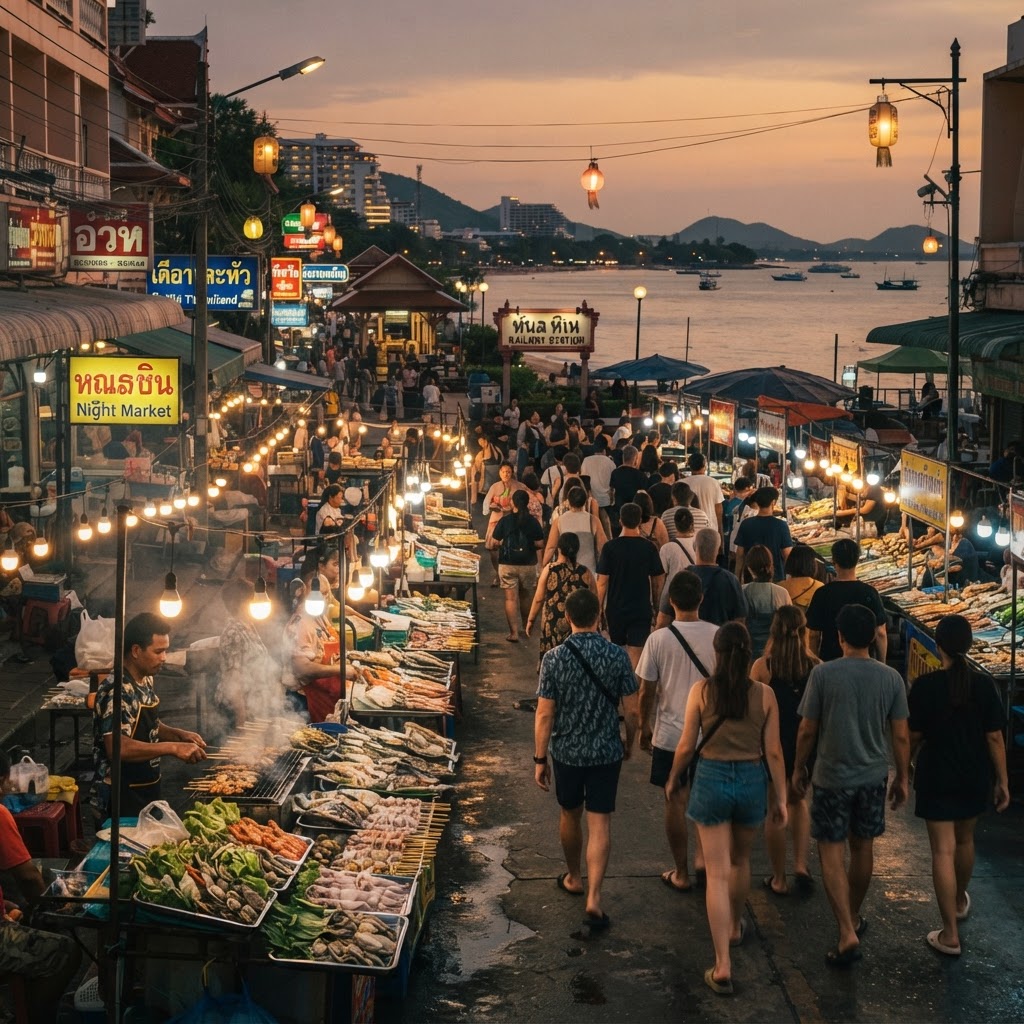
Royal coastal ease, night-market seafood, and low-friction seaside rest without the island transit hassle.
Readymade itineraries
Start from a tested template — then make it yours.
Ready to book
Lock in your Koh Lanta, Thailand trip
Everything in one place. We may earn a small commission — it never costs you more.
Plan a trip to Koh Lanta, Thailand
Pick a length and we'll build a day-by-day plan around how you travel — neighborhoods clustered, budget-aware, and editable.
Get better at planning trips like this
Occasional notes on planning smarter — no spam, unsubscribe anytime.
Plan a trip to Koh Lanta, Thailand
Turn this guide into a day-by-day plan built around your pace, your group, and your budget.
Build my Koh Lanta, Thailand trip