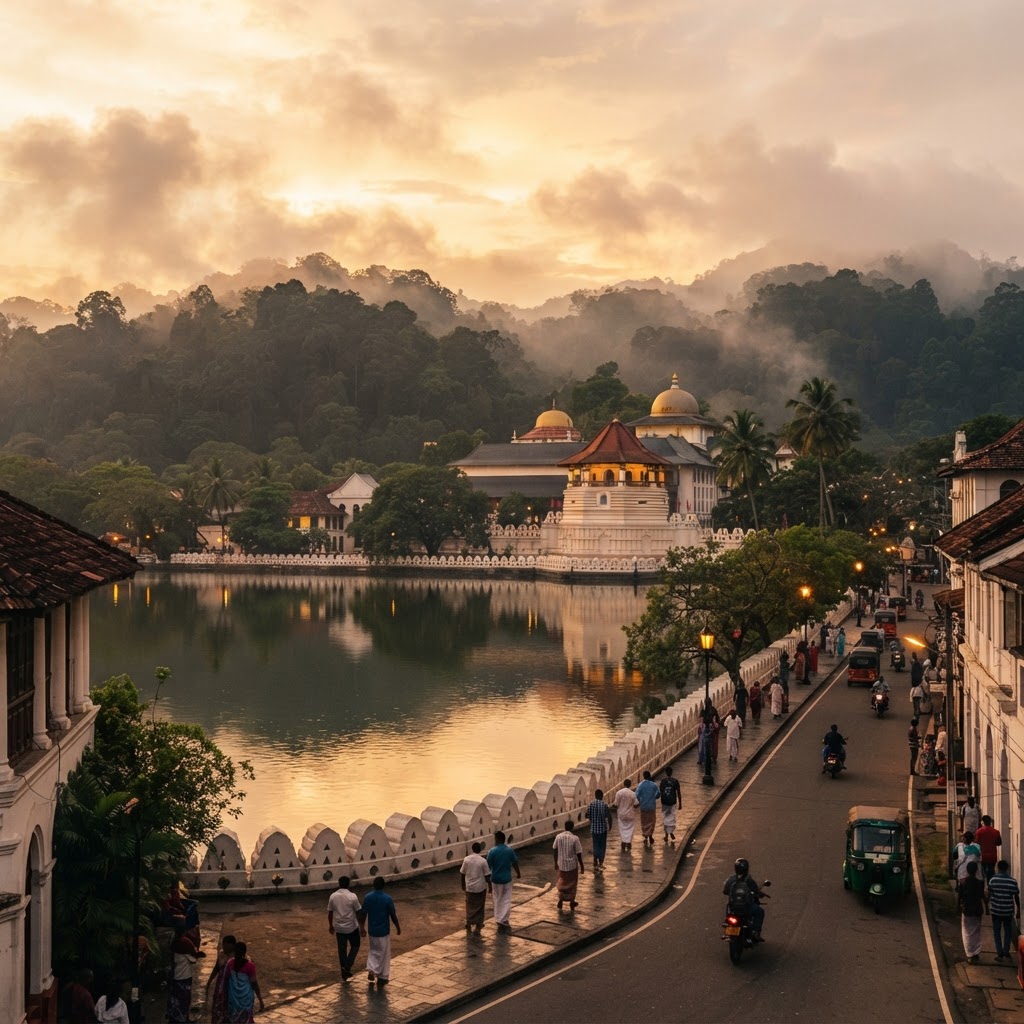
Sri Lanka
Kandy
The sacred hill capital of mist, heritage, and gateway railways
Plan & book
Sort your Kandy trip in one place.
We point you to the booking tools we'd actually use — live prices, no markup. Or let us build the day-by-day plan around you first, then book.
Set in a bowl of forested hills around a central lake, Kandy is Sri Lanka's cultural touchstone and the last stronghold of the ancient Sinhala kings. It balances immense religious significance with bustling urban density and acts as the transit launchpad into the hill country.
2 days
Best time
December through April for crisp mountain days and the driest walking weather.
Build your own trip with these prebuilt itineraries
Each one is a tested, day-by-day plan for Kandy — start here, then make it yours.
3 Days in Kandy: Nature & Knuckles Trekking Base in Kandy
An active outdoors itinerary using hillside accommodation as a base to explore local botanical reserves and day-trek through the Knuckles Mountain Range.
2 Days in Kandy: Cultural Heritage & Essential Sights in Kandy
First-time visitor focus on sacred Buddhist landmarks, lake strolls, royal history, and Royal Botanic Gardens before taking the train into the hill country.
1 Day in Kandy: Quick Highlands Transit in Kandy
A tightly focused express route for travelers catching the scenic railway toward Ella, prioritizing the Temple of the Sacred Tooth Relic and essential city views.
Kandy offers an immediate window into living Buddhist traditions at the Temple of the Sacred Tooth Relic (Sri Dalada Maligawa), expansive botanical landscapes at Peradeniya, and serves as the starting point for one of the world's most scenic rail corridors into the central tea highlands.
Where to stay
Getting there
Getting around
Food & drink
What it costs
Things to do
Book tours & tickets in KandySkip it if
Skip Kandy or reduce it to a transit connection if you dislike busy traffic, exhaust fumes, and crowded tourist corridors, or if you prefer purely peaceful rural tea landscapes like Nuwara Eliya and Ella.
When to go
This winter-to-spring window brings clear skies and comfortable trekking temperatures throughout the Central Highlands. Shoulder months offer cultural energy like the Esala Perahera in July or August, but hotels double in price and crowds peak; monsoon months from May to June and October to November bring heavy afternoon downpours that can disrupt mountain rail travel.
Peak (December to mid-April)
Low rainfall and ideal conditions for walking Kandy Lake and catching scenic trains south; reserve trains and hotels several weeks ahead.
Shoulder (July to August & September)
Anchored by the world-famous Esala Perahera festival in late summer; spectacular cultural spectacle, but expect massive crowds, high hotel surcharges, and scattered showers.
Low (May to June & October to November)
Southwest and northeast monsoons bring frequent downpours and low-lying cloud cover; great room rates, but hill trails get slick with leeches.
Neighborhoods
Where you stay shapes the trip. Here's how to think about it.
Kandy Lakefront (Sangharaja Mawatha)
Serene waterside promenades bordering sacred temples and colonial monuments.
Best for:first-timers and culture walkers
Don't miss:The evening drum pooja at the Temple of the Sacred Tooth Relic (Sri Dalada Maligawa).
City Centre / Colombo Street
Fast-paced, diesel-scented grid of trade stalls, markets, and hole-in-the-wall curry counters.
Best for:street food lovers and train transits
Don't miss:Fresh hoppers and kottu roti stalls near the Central Market and local bakeries on Colombo Street.
Upper Lake Road & Anniewatte Ridges
Steep, mist-cloaked residential heights featuring scenic viewpoints and quiet boutique villas.
Best for:couples, view-seekers, and quiet-stay enthusiasts
Don't miss:Sunset views looking down over the lake basin from Kandy Lake Club Viewpoint.
Peradeniya
Lush academic enclave 6 km southwest, dominated by vast river bends and botanical grounds.
Best for:botanical photographers, families, and day-trippers
Don't miss:The Royal Botanic Gardens' avenue of royal palms and historic orchid collection.
Hantana
Verdant foothills south of town offering tea estate slopes, cool breezes, and trailhead access.
Best for:hikers and nature escapes
Don't miss:The Ceylon Tea Museum housed inside the restored 1925 Hantana Tea Factory.
Destination intelligence
Updated 9/14/2026The structured record we plan every Kandy itinerary from.
Walkability
Moderate around Kandy Lake and city center flat streets, but poor and steep when navigating up the residential surrounding ridges.
Transit quality
Good intercity rail connections and dense local tuk-tuk coverage, though local city buses are crowded and chaotic for visitors.
Car needed
No. Self-driving is stressful due to mountain traffic and narrow roads; tuk-tuks and trains cover all local and regional needs.
Ideal duration
2 days
Minimum useful
1 day
Peak season
December to mid-April, featuring lower rainfall and comfortable dry days.
Shoulder season
July to August (anchored by the Esala Perahera festival) and September.
Low season
May to June and October to November, marked by heavier monsoon rainfall patterns.
Best for
Common mistakes
- Booking accommodation directly in downtown center expecting tranquility rather than heavy street congestion and diesel exhaust
- Failing to reserve reserved observation or second-class seats on the train to Ella at least several days in advance
- Wearing clothing that exposes shoulders or knees to Buddhist sacred sites, resulting in denied temple entry
- Spending four or five full days inside the city basin when two days provides ample time before moving deeper into tea country
Best nearby
See what a trip to Sri Lanka actually costs. Travel Budget Co.
How to plan it
- Book your train ticket to Ella or Nuwara Eliya 30 days ahead—never assume you can buy reserved observation seats on the morning of travel.
- Base yourself within a 10-minute walk of the lake if you value car-free dinner strolls, or up in the Hantana ridges if you need quiet mist away from city diesel fumes.
- Pair Kandy with a 2-3 night stay in the Cultural Triangle (Sigiriya/Dambulla) to the north before heading into the high tea country.
- Visit the Temple of the Sacred Tooth Relic during the morning (05:30) or evening (18:30) theva prayer rituals to experience active drum ceremonies rather than midday tour bus traffic.
Questions
More in Sri Lanka
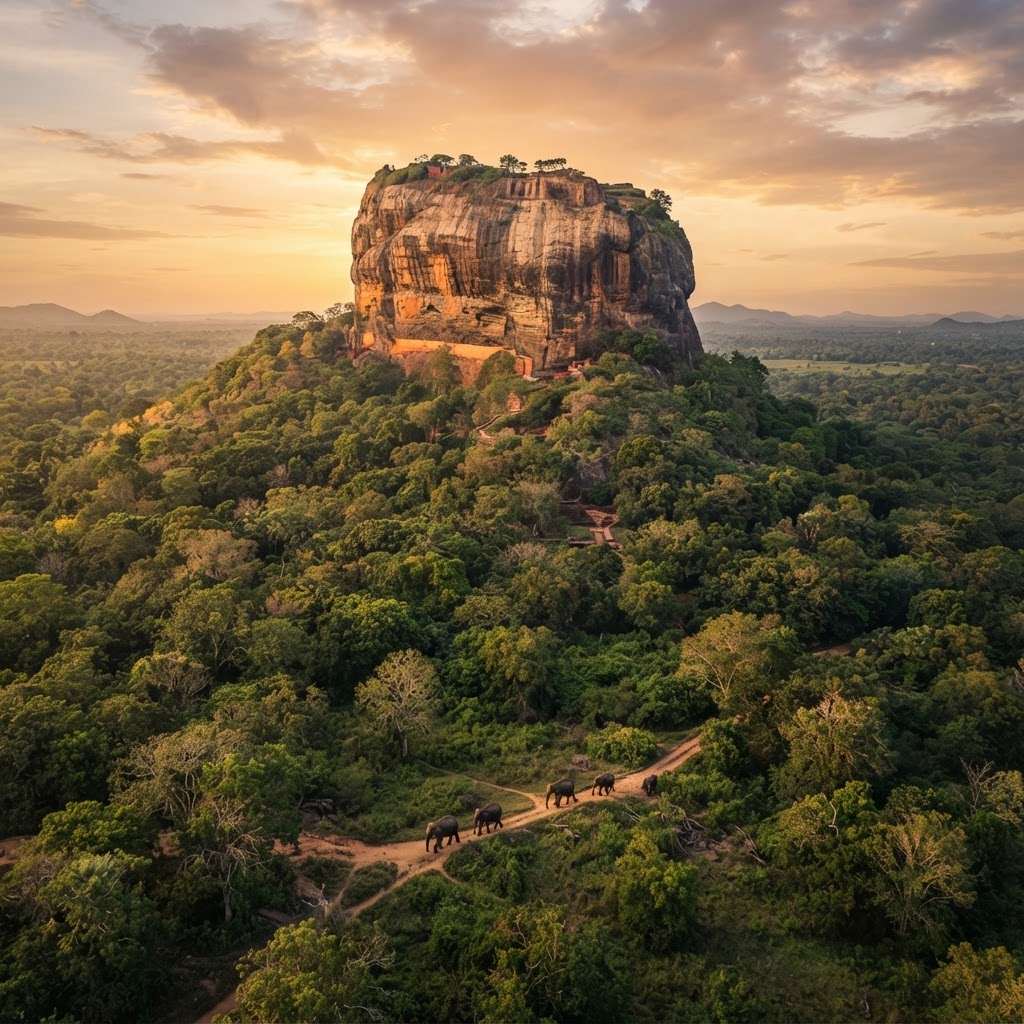
Sigiriya, Sri Lanka
Sri Lanka
A fifth-century sky citadel rising sheer above jungle canopy and wild elephant trails
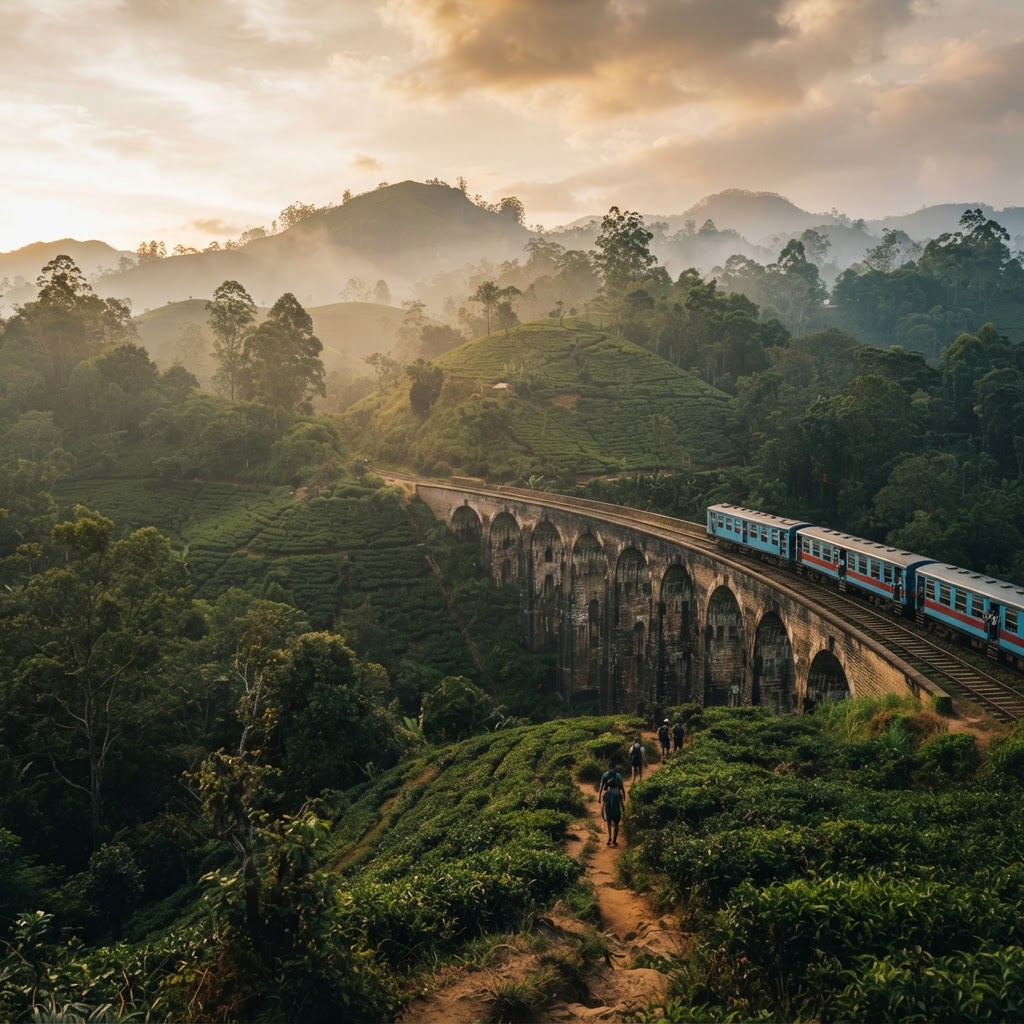
Ella, Sri Lanka
Sri Lanka
Misty tea ridges, colonial rail engineering, and relaxed highland trail pacing.
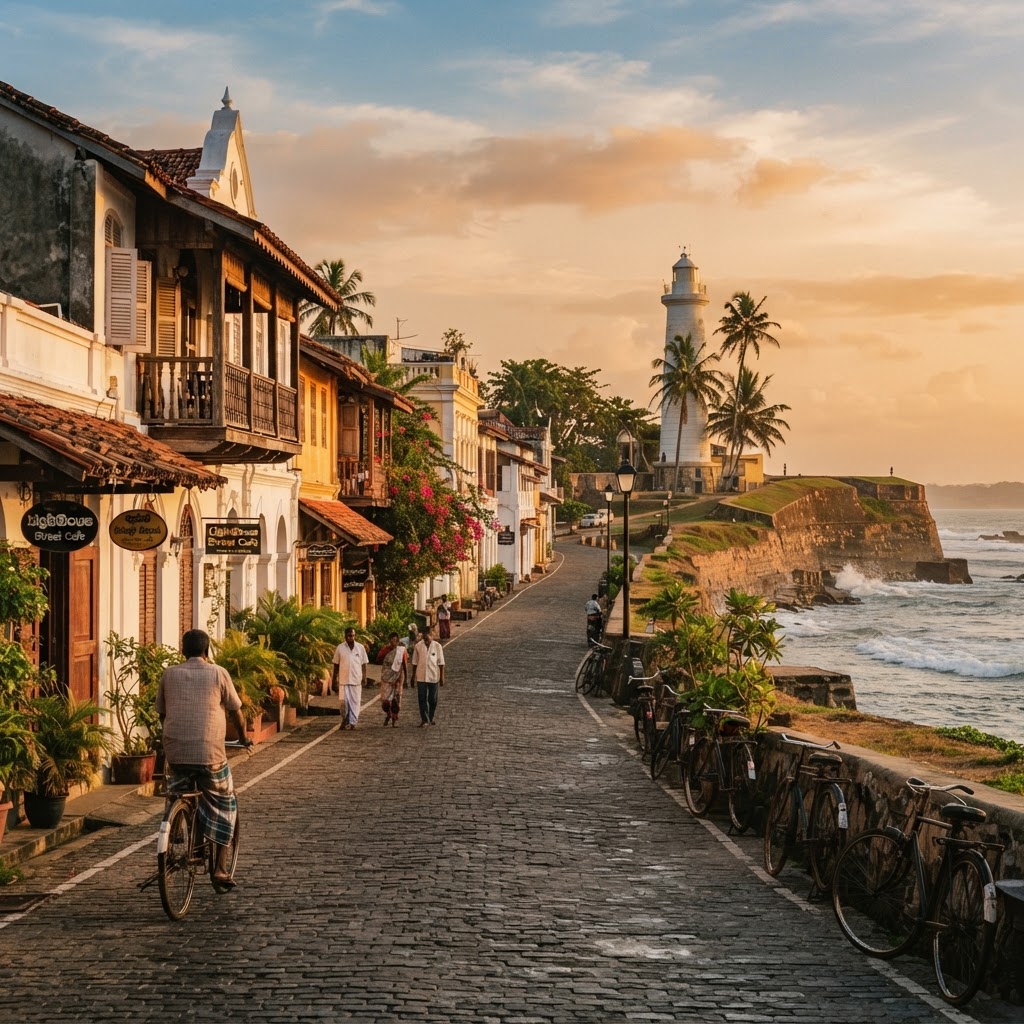
Galle, Sri Lanka
Sri Lanka
A living 17th-century rampart community of Dutch colonial architecture, ocean air, and refined southern coast pace.
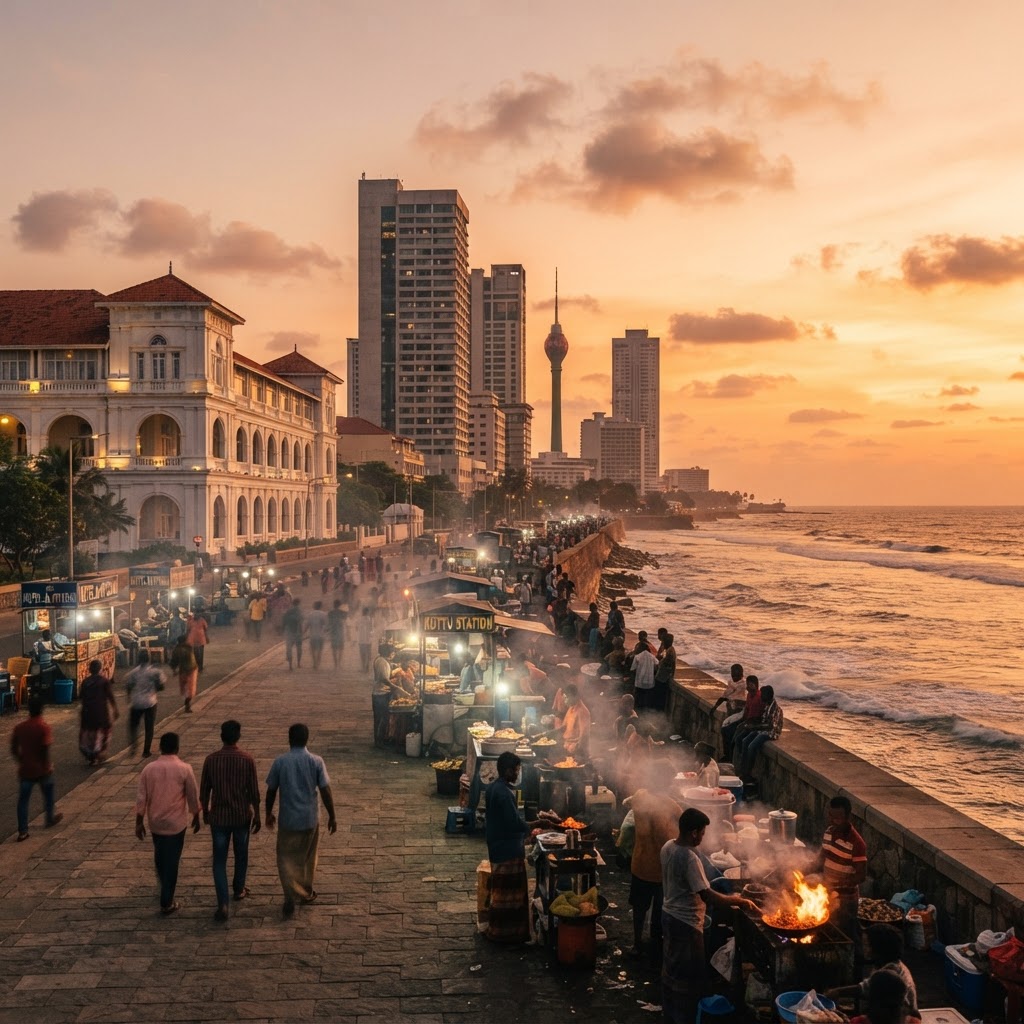
Colombo
Sri Lanka
Colonial architecture, tropical modernism, and fiery street eats meet on the Indian Ocean edge.
Readymade itineraries
Start from a tested template — then make it yours.
Ready to book
Lock in your Kandy trip
Everything in one place. We may earn a small commission — it never costs you more.
Plan a trip to Kandy
Pick a length and we'll build a day-by-day plan around how you travel — neighborhoods clustered, budget-aware, and editable.
Get better at planning trips like this
Occasional notes on planning smarter — no spam, unsubscribe anytime.
Plan a trip to Kandy
Turn this guide into a day-by-day plan built around your pace, your group, and your budget.
Build my Kandy trip