United States
Juneau, Alaska
A roadless capital of maritime wilderness, ancient ice, and coastal rainforest
Plan & book
Sort your Juneau, Alaska trip in one place.
We point you to the booking tools we'd actually use — live prices, no markup. Or let us build the day-by-day plan around you first, then book.
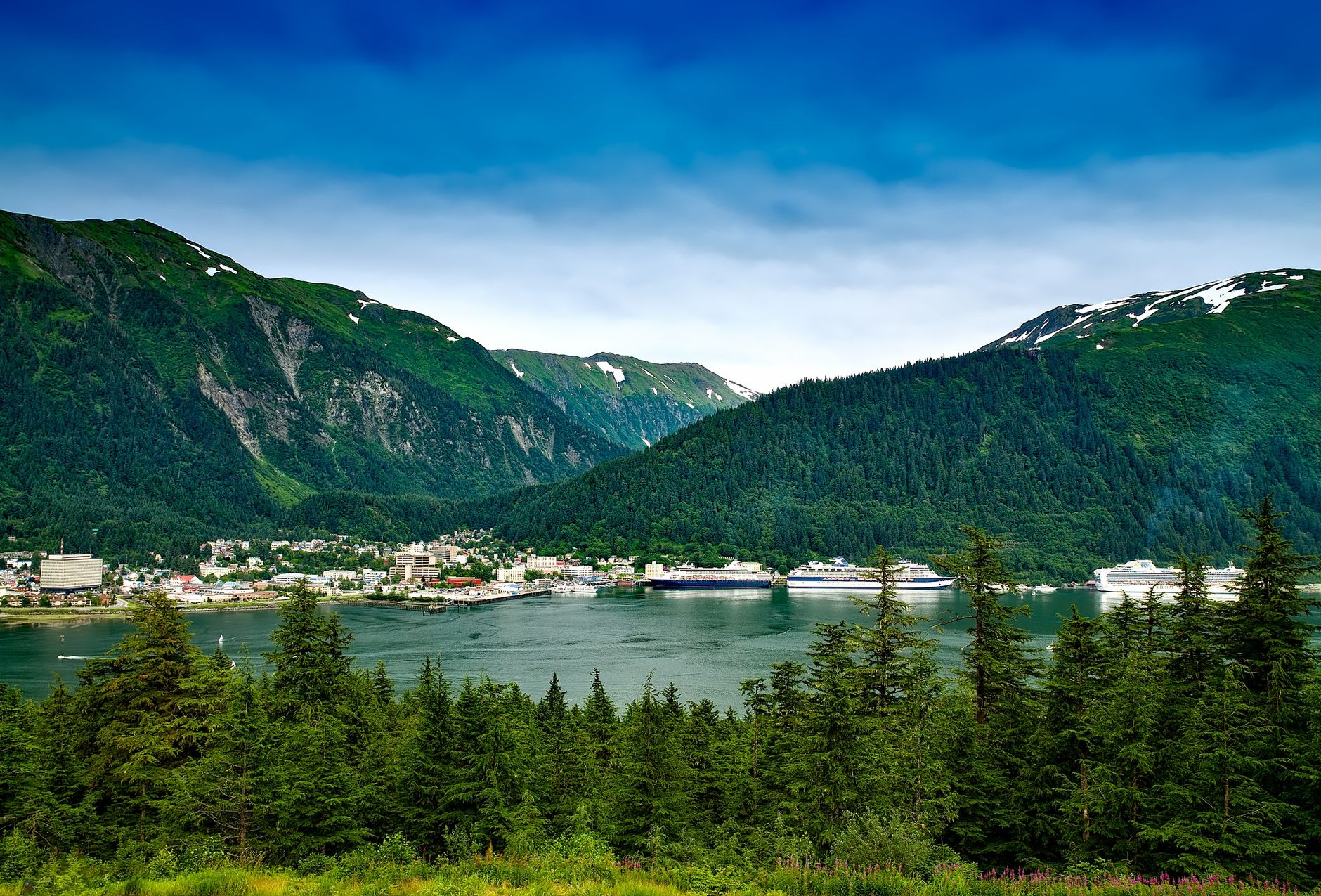
Juneau is a rare state capital completely cut off from the continental road network, hemmed in by the jagged Coast Mountains, Gastineau Channel, and the sprawling Juneau Icefield. Accessible solely by passenger jet, floatplane, or the Alaska Marine Highway ferry system, this Southeast Alaska hub serves as the commercial center of the Inside Passage. While most travelers experience Juneau as a congested six-hour cruise port of call, staying independently unlocks pristine temperate rainforest trails, active fjord glaciers, Indigenous Tlingit culture, and access to wildlife without the cruise ship crowds.
3 to 4 days
Best time
Mid-June through mid-July offers peak wildlife activity, maximum daylight, and the lowest rainfall risk of the summer.
Build your own trip with these prebuilt itineraries
Each one is a tested, day-by-day plan for Juneau, Alaska — start here, then make it yours.
4 Days in Juneau: Wilderness & Trail Hiking in Juneau
An active outdoor focus exploring alpine ridges via the Mount Roberts trail system, temperate rainforest hikes, and outer Douglas Island shores
3 Days in Juneau: Highlights & Wildlife in Juneau
First-timer essentials covering Mendenhall Glacier, humpback whale watching in Auke Bay, and downtown mining and Tlingit heritage
2 Days in Juneau: Quick Coastal Stopover in Juneau
A high-efficiency compact route designed for ferry and regional flight travelers exploring downtown sights, the tramway, and the glacier basin
Juneau delivers immediate wilderness immersion coupled with the civic amenities of an isolated regional capital. Unlike inland Alaska stops where reaching glacial ice demands extensive driving, Mendenhall Glacier sits only 12 miles from downtown Juneau. The city offers boat departures directly into the granite-walled canyons of Tracy Arm Fjord, productive humpback whale feeding grounds in Stephens Passage, brown bear viewing on Admiralty Island, and extensive hiking networks along Mount Roberts and Perseverance Trail right from residential streets.
Where to stay
Getting there
Getting around
Food & drink
What it costs
Things to do
Book tours & tickets in Juneau, AlaskaSkip it if
Skip an extended stay in Juneau if you require continuous road-trip flexibility to drive your own car across long highway loops, or if rainy and cool weather ruins your travel morale. Juneau averages over 200 days of precipitation annually and temperatures rarely climb past 65°F (18°C), making it unsuitable for travelers seeking warm sunshine, resort lounging, or rapid overland road touring.
When to go
Juneau is a temperate rainforest averaging over 200 wet days annually; early summer minimizes heavy precipitation while maximizing whale arrivals and alpine trail access. The tradeoff is cruise congestion downtown and peak hotel rates, making advance bookings mandatory.
Peak (Mid-June to August)
Longest daylight (18+ hours) and warmest conditions (55°F–65°F), ideal for whale watching and hiking, but docks and downtown streets fill with cruise passengers daily.
Shoulder (May to early June & September)
May brings the driest conditions of the year and quieter trails; September offers coho salmon runs and fall foliage, but brings heavy seasonal rains.
Low (October to April)
Wet, dark, and snowy with seasonal tours shuttered; best for local backcountry skiing at Eaglecrest and legislature-season political buzz downtown.
Neighborhoods
Where you stay shapes the trip. Here's how to think about it.
Downtown Juneau
Historic gold-rush streetscapes packed with clapboard saloons, state government buildings, and bustling cruise docks against vertical mountain walls.
Best for:First-timers, museum-goers, and travelers traveling without a rental car.
Don't miss:The Alaska State Museum for indigenous Northwest Coast art and walking South Franklin Street early in the morning before disembarking ship tours arrive.
Douglas Island
Quiet maritime community connected across Gastineau Channel with working-class roots, quiet beaches, and local dive bars.
Best for:Travelers seeking local neighborhood calm, evening pub dinners, and quick access to winter skiing.
Don't miss:Walking along Sandy Beach to view the ruins of the historic Treadwell Gold Mine stamp mills reclaimed by the rainforest.
Mendenhall Valley
Sprawling residential glacial basin cradling retail hubs, trail networks, and the city's signature accessible glacier.
Best for:Hikers, families, and travelers prioritizing nature trailheads over harbor nightlife.
Don't miss:The Nugget Falls trail along Mendenhall Lake to watch calving ice chunks float past roaring glacial cascades.
Auke Bay
Working harbor enclave and university outpost 12 miles northwest of downtown, framed by boat slips, ferry terminals, and island views.
Best for:Kayakers, whale-watching enthusiasts, and travelers connecting to the Alaska Marine Highway ferry system.
Don't miss:Departing on an early morning wildlife charter out of Don D. Statter Harbor to spot bubble-net feeding humpback whales in Stephens Passage.
Destination intelligence
Updated 9/14/2026The structured record we plan every Juneau, Alaska itinerary from.
Walkability
Moderate. Downtown Juneau is compact and highly walkable on foot along Franklin and Front streets, but reaching Mendenhall Valley, Auke Bay, and coastal hiking trailheads requires tour shuttles, taxis, or a rental car.
Transit quality
Moderate. Capital Transit operates dependable bus routes through major corridors between downtown, Lemon Creek, the airport, and the Valley, but does not provide direct drops at key trailheads or the Mendenhall Glacier Visitor Center.
Car needed
Optional. A rental car is unnecessary if staying downtown and taking organized tour shuttles or day cruises, but highly recommended for 1–2 days if you want to explore outer Douglas Island, Mendenhall Lake, and road-end trails independently.
Ideal duration
3 to 4 days
Minimum useful
2 days
Peak season
Mid-June through August. Warmest temperatures (55°F–65°F), peak wildlife activity, active salmon runs, and humpback whale feeding, matched with high cruise ship volumes downtown and peak lodging rates.
Shoulder season
May to early June and September. May brings the driest weather of the year with lower crowd levels; September offers active coho salmon runs and fall foliage, though precipitation increases significantly.
Low season
October through April. Cold, dark, and wet with regular snowfall and rain; major tourist operators and boat tours shut down, though winter brings backcountry skiing, snowshoeing, and local legislative activity downtown.
Best for
Common mistakes
- Assuming you can reach the Mendenhall Glacier Visitor Center directly by city bus without realizing Capital Transit drops you 1.5 miles away along a paved road.
- Trying to drive to Juneau from mainland North America—Juneau is completely landlocked by ice and sea, and no road connects it to the continental highway system.
- Packing only cotton or relying on an umbrella during hiking; coastal Southeast Alaska rainforest weather requires durable, windproof, breathable waterproof rain gear and waterproof footwear.
- Scheduling outdoor activities exclusively during the peak daytime hours (10:00 AM to 4:00 PM) when several cruise ships unload up to 15,000 passengers into downtown streets simultaneously.
- Failing to book summer rental cars or bear viewing permits to Admiralty Island months in advance due to strict vehicle fleets and wilderness quota limits.
Best nearby
How to plan it
- Stay in Downtown Juneau if you want evening walkability to restaurants, saloons, and state museums without needing late-night transit.
- Reserve Tracy Arm Fjord boat excursions or glacier helicopter flights for day two of your trip to give yourself a weather backup day before departure.
- Do not rely on the municipal bus (Capital Transit) to visit Mendenhall Glacier Visitor Center; it drops off at a residential stop 1.5 miles away from the main trails.
- Plan your downtown visits around cruise ship port schedules by exploring the state museums or Mount Roberts trails before 9:00 AM or after 5:00 PM.
- Pair Juneau with a ferry ride on the Alaska Marine Highway toward Sitka, Haines, or Skagway instead of treating it as a fly-in dead end.
Questions
More in United States
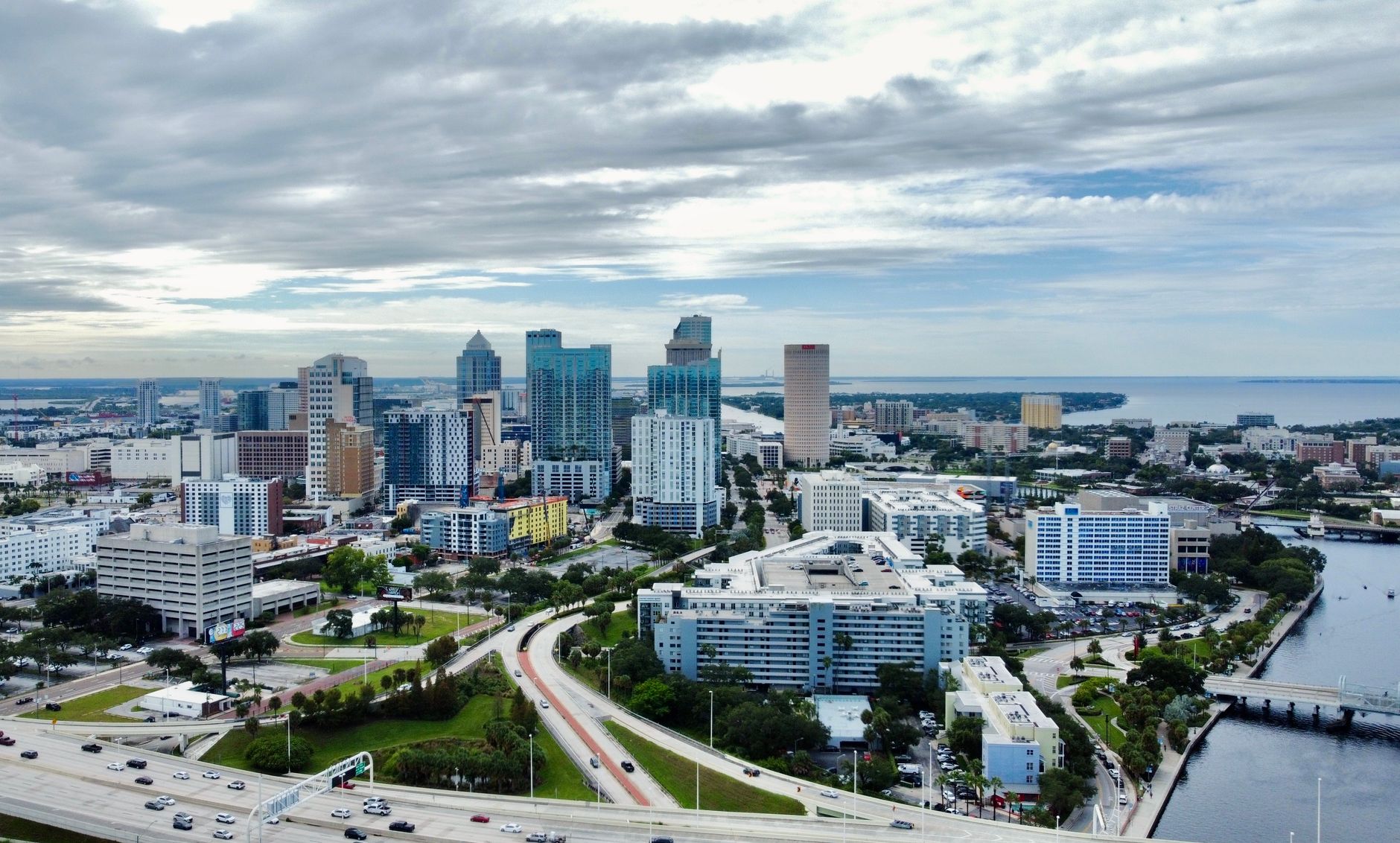
Tampa, Florida
United States
A historic cigar-making heritage wrapped in polished waterfront revivals and Gulf Coast culinary ambition.
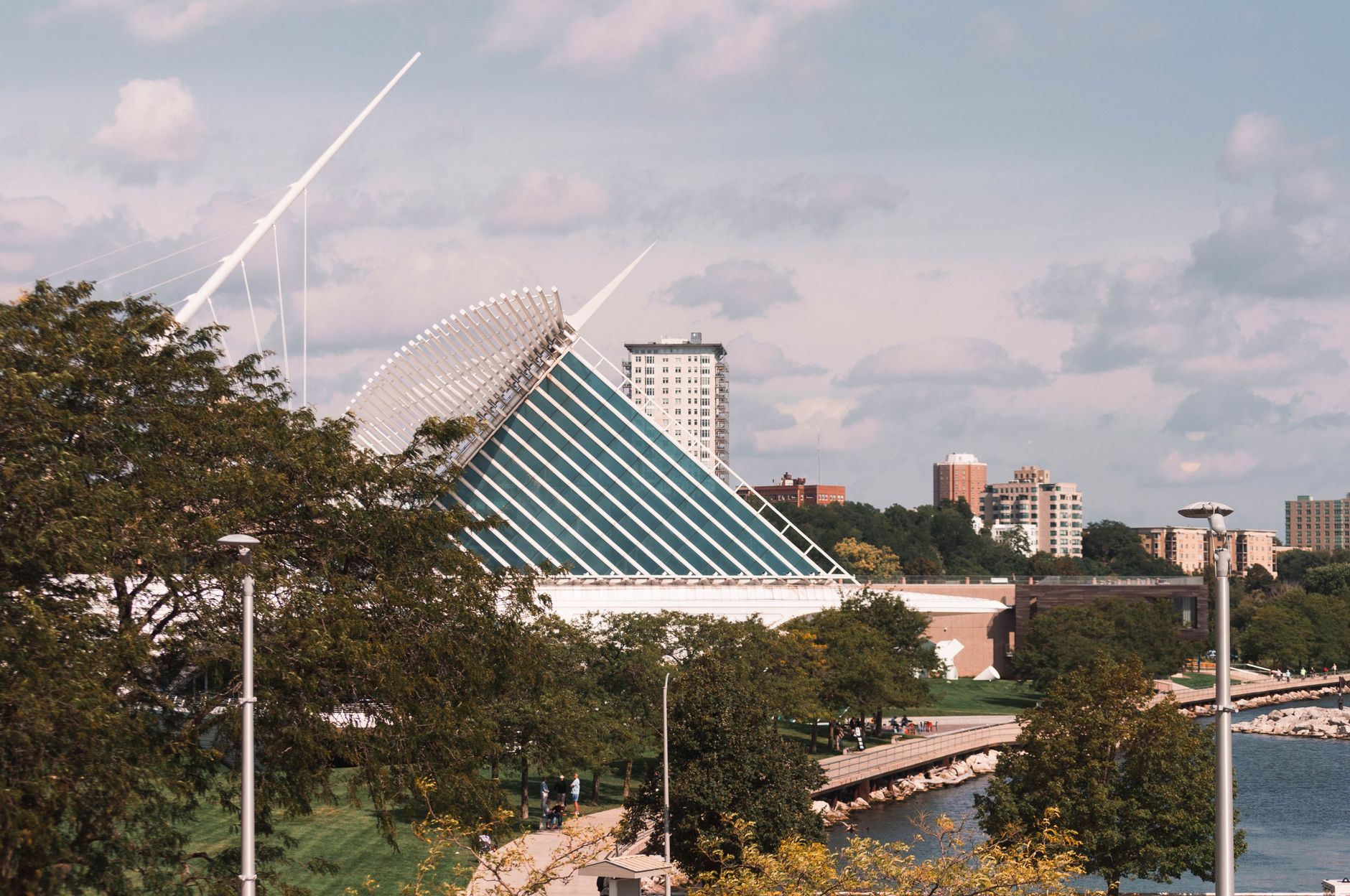
Milwaukee, Wisconsin
United States
Industrial lakeside cool anchored by serious culinary chops and effortless urban grit.
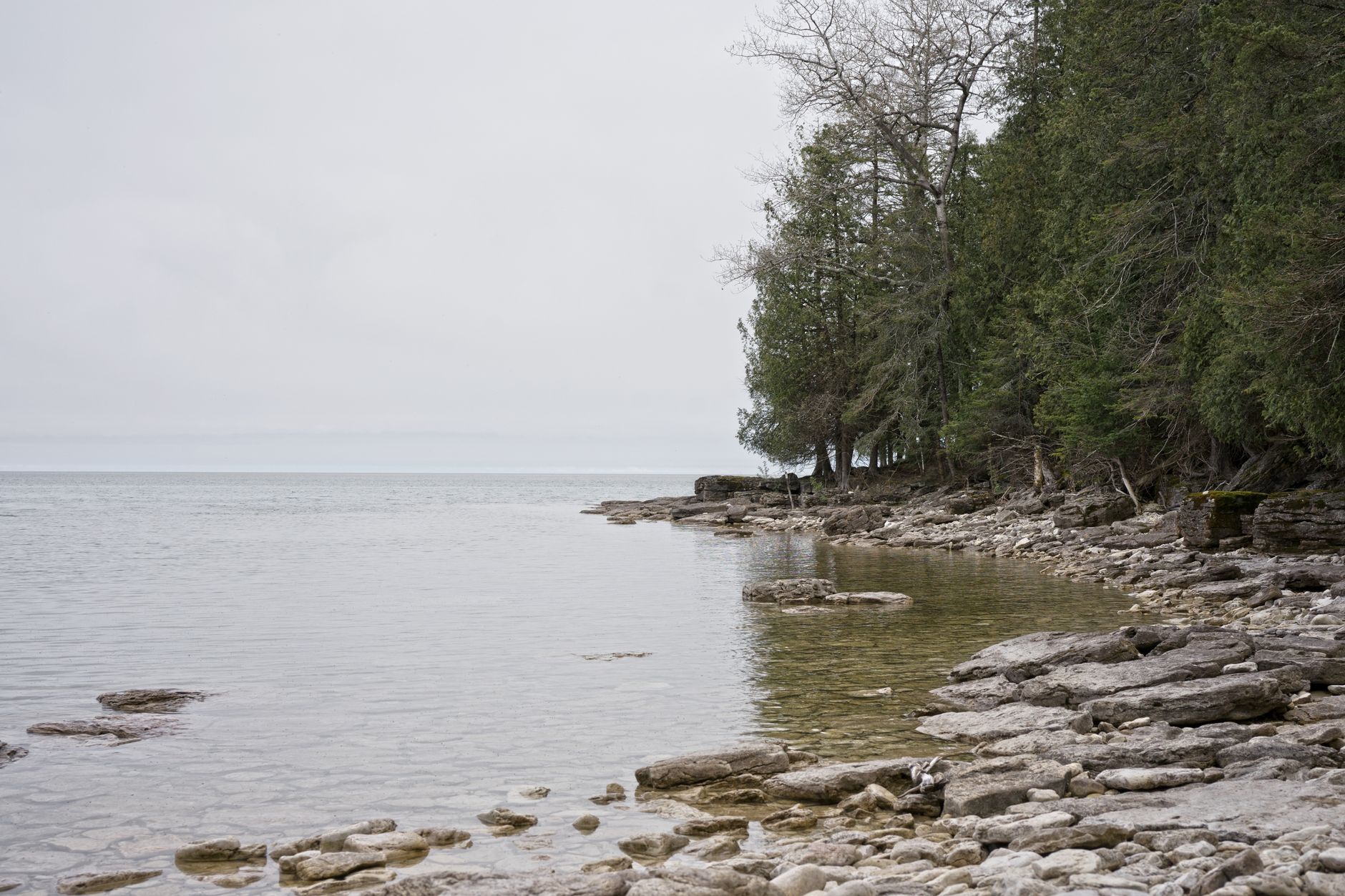
Door County, Wisconsin
United States
Limestone bluffs, heritage cherry orchards, and lakefront villages on Lake Michigan.

Traverse City, Michigan
United States
Freshwater bays, cool-climate vineyards, and windswept dunes anchored by a farm-driven culinary hub.
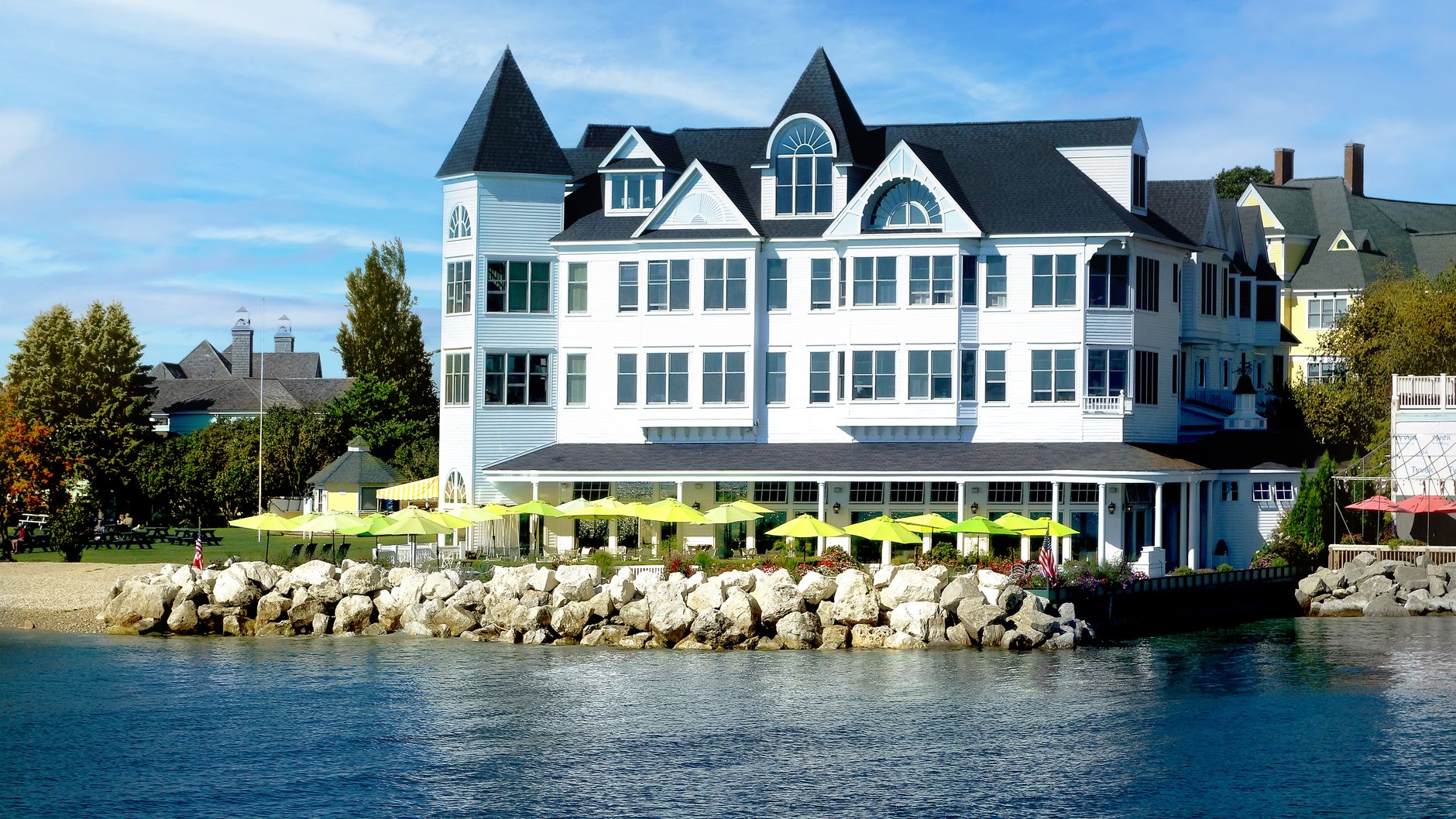
Mackinac Island, Michigan
United States
Car-free Victorian bluffs, freshwater coastlines, and horse-drawn transport
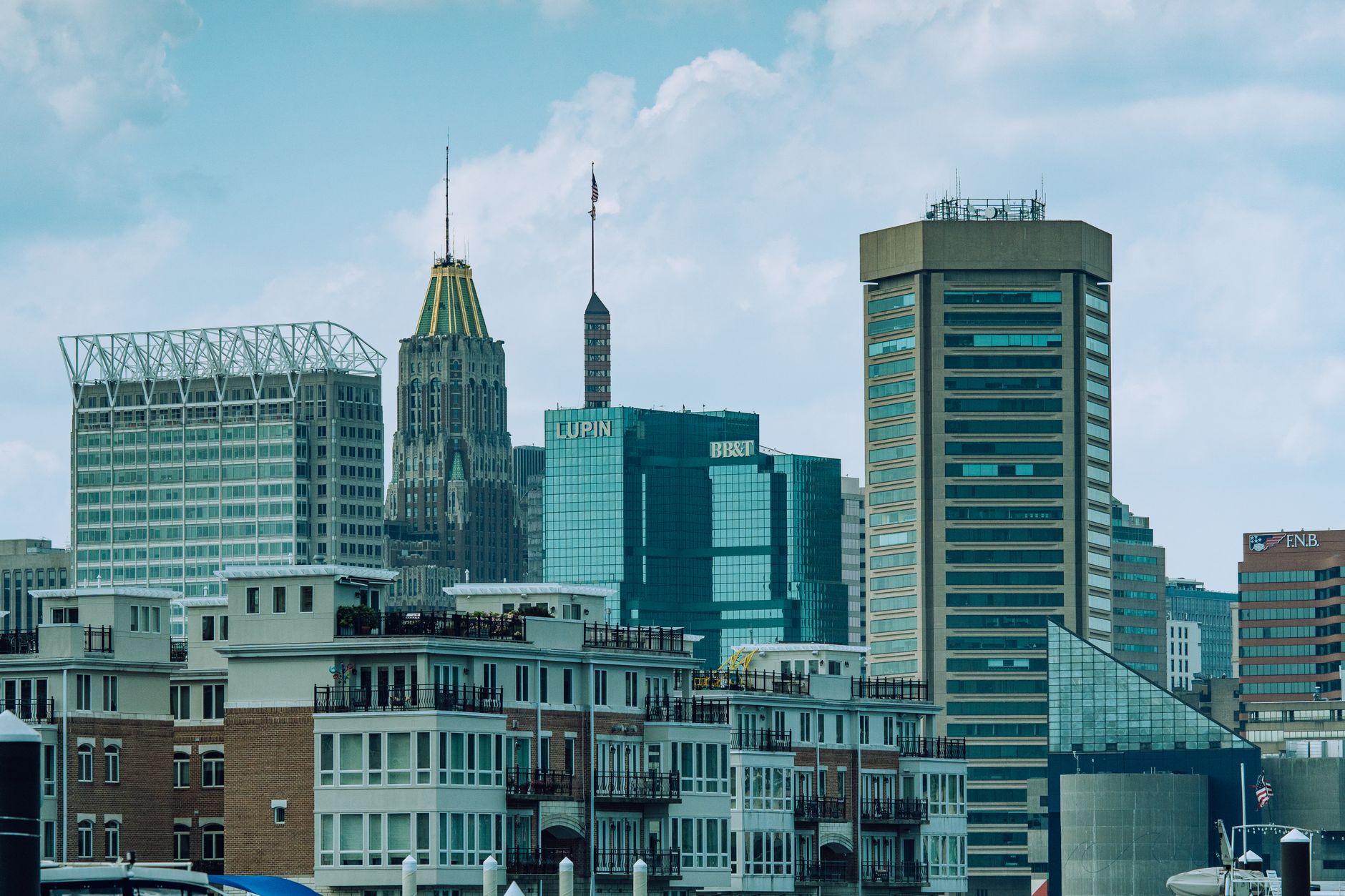
Baltimore, Maryland
United States
Industrial maritime roots, blue-collar grit, and distinct neighborhood enclaves.
Readymade itineraries
Start from a tested template — then make it yours.
Ready to book
Lock in your Juneau, Alaska trip
Everything in one place. We may earn a small commission — it never costs you more.
Plan a trip to Juneau, Alaska
Pick a length and we'll build a day-by-day plan around how you travel — neighborhoods clustered, budget-aware, and editable.
Get better at planning trips like this
Occasional notes on planning smarter — no spam, unsubscribe anytime.
Plan a trip to Juneau, Alaska
Turn this guide into a day-by-day plan built around your pace, your group, and your budget.
Build my Juneau, Alaska trip