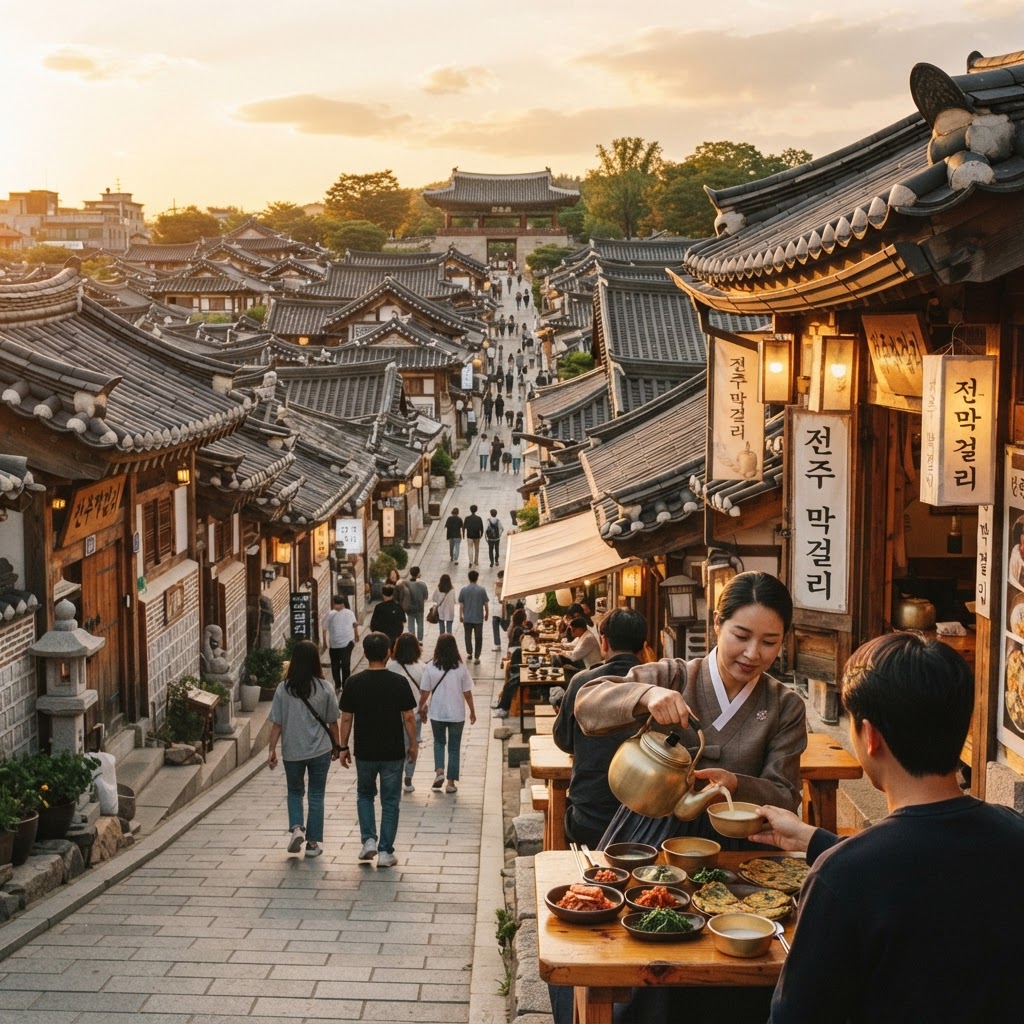
South Korea
Jeonju
Korea's culinary homeland wrapped in sprawling hanok eaves and slow-poured makgeolli
Plan & book
Sort your Jeonju trip in one place.
We point you to the booking tools we'd actually use — live prices, no markup. Or let us build the day-by-day plan around you first, then book.
Located an easy 90-minute KTX train ride south of Seoul, Jeonju is Korea's undisputed gastronomic capital and the ancestral seat of the Joseon Dynasty. Centered around its sprawling, preserved Hanok Village, the city balances historic timber architecture and quiet teahouses with intense culinary pride, from multi-dish makgeolli kettle taverns to the country's most elaborate bowls of bibimbap.
2 days
Best time
Mid-October to early November brings crisp 18°C (64°F) weather, vibrant fall foliage, and peak harvest festivals.
Build your own trip with these prebuilt itineraries
Each one is a tested, day-by-day plan for Jeonju — start here, then make it yours.
3 Days in Jeonju: Slow Hanok Living & Cultural Arts in Jeonju
Relaxed cultural retreat featuring traditional paper craft, tea ceremonies, local art districts, and serene mornings
2 Days in Jeonju: UNESCO Culinary & Makgeolli Trail in Jeonju
Deep food-focused exploration centered on Nambu Market, authentic bibimbap, and the Samcheon-dong makgeolli alley feast
2 Days in Jeonju: Hanok Culture & Joseon Heritage in Jeonju
First-timer highlights focusing on historic Joseon landmarks, traditional hanok living, and atmospheric night walks
Jeonju is worth the diversion because it delivers what Seoul cannot: dense, historic scale where Korea's traditional dining and hospitality culture run the show. Recognized as a UNESCO City of Gastronomy, its culinary traditions are unmatched, featuring rich banchans, simmering bean-sprout hangover soups, and authentic makgeolli alley culture alongside over 700 traditional hanok homes.
Where to stay
Getting there
Getting around
Food & drink
What it costs
Things to do
Book tours & tickets in JeonjuSkip it if
Skip Jeonju if you are already overwhelmed by traditional Asian shrines/architecture and are searching for hyper-modern urban nightlife, big-box luxury shopping, or beachside relaxation—Seoul and Busan cover those better.
When to go
Autumn hits the sweet spot between comfortable walking weather and the city's signature culinary celebrations, though weekends require booking hanok stays months ahead. Early spring (April) offers cherry blossoms but higher crowds, while summer monsoon heat makes outdoor street snacking grueling.
Peak (October–early November & April)
Expect radiant autumn colors, harvest festivals, or cherry blossoms, along with packed alleyways and fully booked hanoks on weekends.
Shoulder (May–June & September)
Pleasant breezy weather, lush green courtyard gardens, fewer domestic bus groups, and walk-in availability at most makgeolli bars.
Low (December–February & July–August)
Winter brings biting cold offset by cozy heated ondol floors; summer brings heavy monsoon showers and stifling 30°C+ humidity.
Neighborhoods
Where you stay shapes the trip. Here's how to think about it.
Jeonju Hanok Village (Pungnam-dong / Gyo-dong)
Over 700 slate-eaved traditional timber homes filled with artisan craft shops, tearooms, and hanbok strollers.
Best for:First-timers, architecture lovers, and travelers wanting an atmospheric traditional stay
Don't miss:Climbing to Omokdae pavilion at twilight to look across the sea of curving tiled rooftops.
Gaeksa (Gaekridan-gil / Gosa-dong)
Buzzing student-and-creative enclave packed with vintage boutiques, independent bakeries, and modern gastropubs.
Best for:Younger travelers, cafe hoppers, and indie shopping away from tour groups
Don't miss:Sipping pour-over coffee in renovated mid-century commercial storefronts along Gaekridan-gil.
Nambu Market & Seomun Quarter
Gritty, sensory traditional market where century-old soup stalls anchor daytime commerce and an artisan night market thrives upstairs.
Best for:Serious foodies, early risers, and night owls wanting visceral local food culture
Don't miss:Grabbing a counter seat for bubbling kongnamul gukbap (bean sprout soup) at Hyundai-ok inside the market.
Samcheon-dong Makgeolli Town
Lively, retro drinking corridor where ordering a copper kettle of fermented rice wine triggers an escalating banquet of free banchan.
Best for:Social dining, thirsty food lovers, and groups ready for an authentic Korean tavern feast
Don't miss:Ordering a second kettle of unfiltered makgeolli to unlock premium savory courses like braised crab and pig trotters.
Jaman Mural Village (Iksan-dong hillside)
Sloping hillside hamlet crisscrossed with colorful alleyway murals, tucked-away artist terraces, and ridge views.
Best for:Casual walkers, photographers, and travelers seeking a quiet morning coffee above the historic roofs
Don't miss:Crossing the footbridge from Omokdae to stroll the quiet painted staircases before the mid-day heat sets in.
Destination intelligence
Updated 9/14/2026The structured record we plan every Jeonju itinerary from.
Walkability
Exceptional. The entire core—Hanok Village, Gyeonggijeon, Nambu Market, and Gaeksa—is completely navigable on foot.
Transit quality
Good. High-speed KTX connects the city efficiently to Seoul; local city buses and affordable taxis easily cover outer districts.
Car needed
Not required. A rental car is an active disadvantage and nuisance to park inside the narrow, pedestrianized Hanok Village.
Ideal duration
2 days
Minimum useful
1 day (or full-day detour from Seoul)
Peak season
October to early November (vibrant autumn foliage, pleasant breezy days, and major food festivals like the Jeonju Bibimbap Festival) and April (cherry blossoms).
Shoulder season
May to June and September (mild temperatures, fewer domestic tour bus groups, and comfortable outdoor dining conditions).
Low season
January to February (chilly winter weather, though ondol heating makes hanoks cozy) and July to August (intense summer humidity and monsoon rains).
Best for
Common mistakes
- Doing only a rushed 4-hour day trip from Seoul and missing the quiet charm of the Hanok Village early in the morning and lit up at night.
- Visiting strictly on sunny autumn Saturdays without booking hanok rooms weeks in advance, finding the village packed shoulder-to-shoulder with selfie-stick crowds.
- Eating exclusively inside the central tourist drag of the Hanok Village instead of heading to Nambu Market or the traditional makgeolli alleys in Samcheon-dong.
- Assuming all hanok accommodations offer Western mattresses; check room specs carefully if you cannot sleep on traditional floor futons (yo).
Best nearby
See what a trip to South Korea actually costs. Travel Budget Co.
How to plan it
- Arrive on an early morning KTX from Seoul Yongsan, drop your luggage at your hanok guesthouse, and tour Gyeonggijeon Shrine before day-tripper tour buses arrive at 11:00 AM.
- Schedule your Nambu Market run for morning bean sprout hangover soup (kongnamul gukbap), or plan for Friday/Saturday evening if you want the second-floor Youth Mall night market.
- Reserve hanok courtyard guesthouses 6 to 8 weeks in advance if traveling over an autumn or spring weekend; weekday rates drop by nearly 40 percent.
- Pair Jeonju with Gwangju or Mokpo if continuing south into the Jeolla food belt, or hop back north via KTX to Daejeon and Seoul.
- Do not eat a heavy afternoon snack before heading to Samcheon-dong Makgeolli Town—you will receive between 15 and 20 side dishes with your first kettle.
Questions
More in South Korea
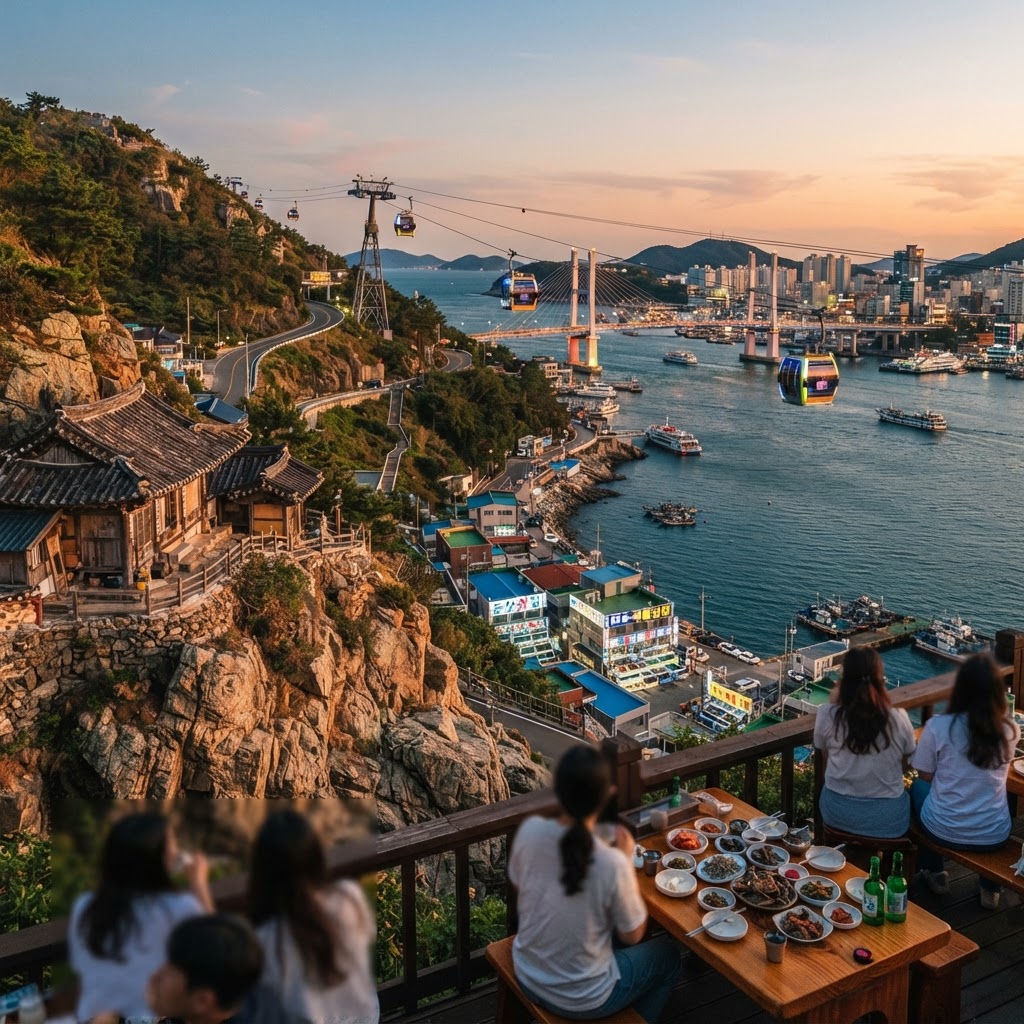
Yeosu, South Korea
South Korea
Korea's southern maritime retreat of cliffside hermitages, sea cable cars, and coastal banchan
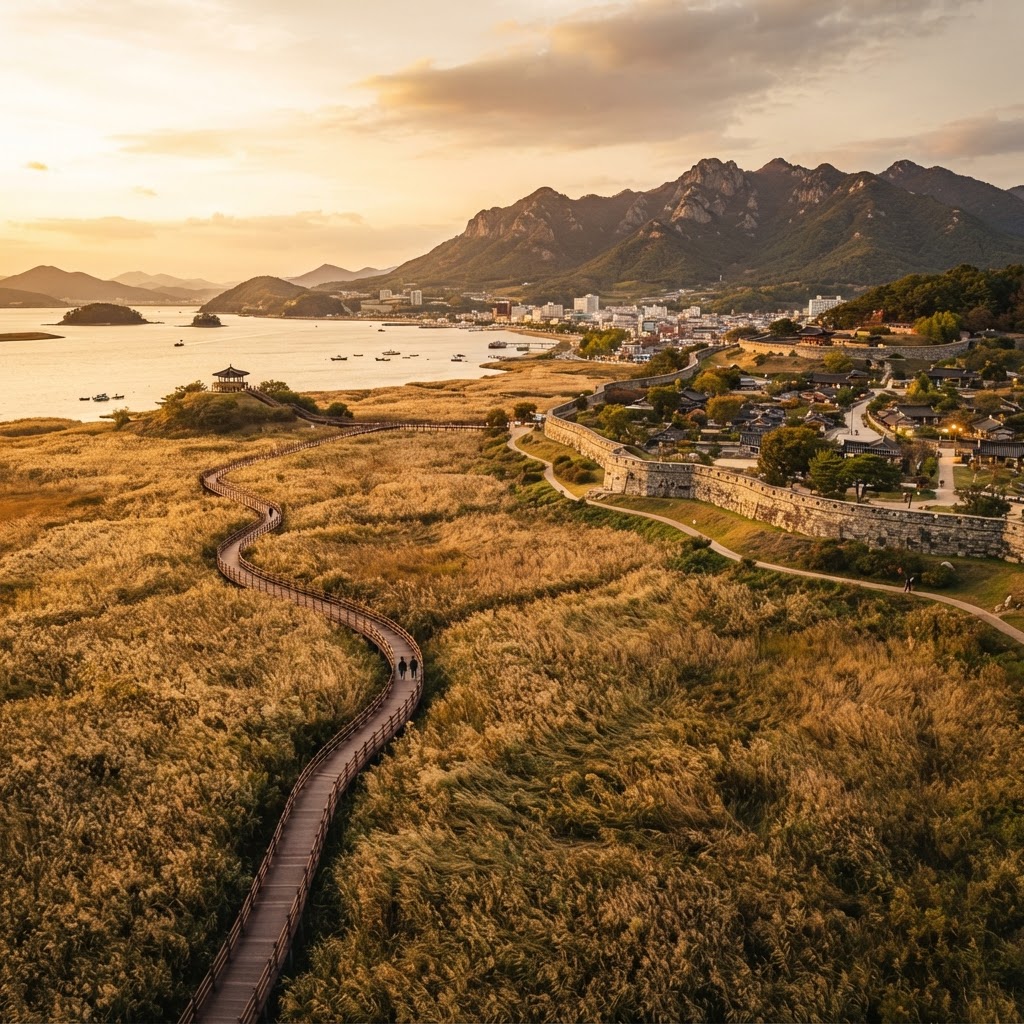
Suncheon, South Korea
South Korea
Expansive coastal reed beds, living fortress walls, and quiet southern culinary depth.
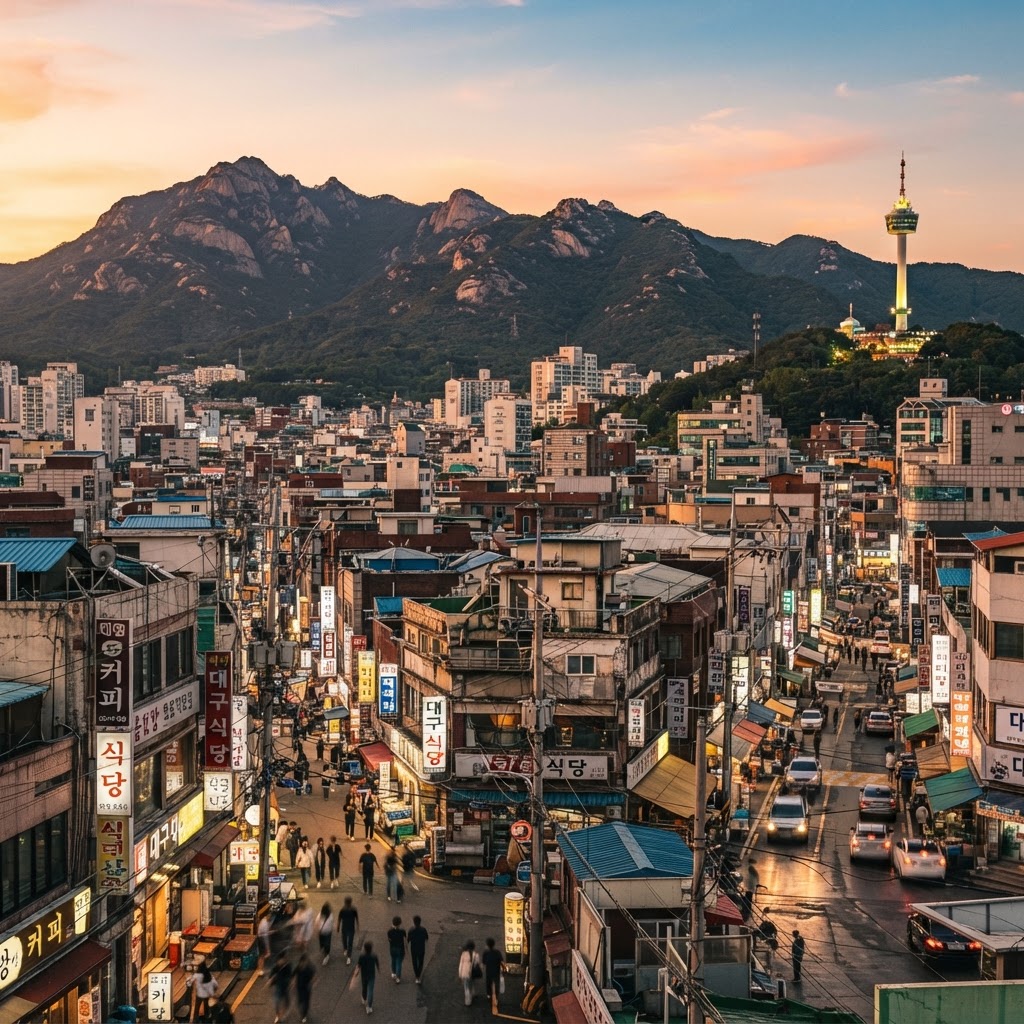
Daegu
South Korea
A gritty mountain-ringed textile hub turned coffee capital and culinary heavyweight
Readymade itineraries
Start from a tested template — then make it yours.
Ready to book
Lock in your Jeonju trip
Everything in one place. We may earn a small commission — it never costs you more.
Plan a trip to Jeonju
Pick a length and we'll build a day-by-day plan around how you travel — neighborhoods clustered, budget-aware, and editable.
Get better at planning trips like this
Occasional notes on planning smarter — no spam, unsubscribe anytime.
Plan a trip to Jeonju
Turn this guide into a day-by-day plan built around your pace, your group, and your budget.
Build my Jeonju trip