
South Korea
Jeju Island, South Korea
Basalt coastlines, deep-sea matriarchs, and craggy volcanic trails beyond mainland Korea.
Plan & book
Sort your Jeju Island, South Korea trip in one place.
We point you to the booking tools we'd actually use — live prices, no markup. Or let us build the day-by-day plan around you first, then book.
Jeju is an oval shield volcano rising from the Korea Strait, defined by black porous stone, wind-battered sea cliffs, and citrus orchards sheltered behind hand-stacked stone walls. It functions on an entirely different rhythm than Seoul or Busan, trading subway efficiency for coastal drives and steep crater ascents. While domestic vacationers flock here for themed cafes and coastal photo spots, Jeju's genuine power lies in its raw volcanic geology, the ancient culture of the Haenyeo free-divers, and the quiet network of coast-circling walking routes.
4 to 5 days
Build your own trip with these prebuilt itineraries
Each one is a tested, day-by-day plan for Jeju Island, South Korea — start here, then make it yours.
The Complete Coastal & Mountain Self-Drive in Jeju Island
Hallasan summit hike, Seogwipo waterfall trails, tea plantation museum, and scenic coastal road drives
Jeju East Coast Scenic Wonders in Jeju Island
Seongsan Ilchulbong sunrise peak, Manjanggul lava tube, Udo Island day ferry, and Haenyeo dive watching
Jeju Olle Trail & Slow Living Walk in Jeju Island
Walking selected coastal Olle hiking routes, boutique cafe culture, and staying in traditional stone guesthouses
Go for landscapes that exist nowhere else in East Asia: hike through subtropical forests up to the alpine caldera of Hallasan, walk subterranean volcanic corridors inside Manjanggul Cave, watch elderly women harvest abalone without oxygen tanks in freezing water, and eat thick cuts of local black pork grilled over charcoal. It is the definitive outdoor antidote to mainland Korea's dense urban centers.
Where to stay
Getting there
Getting around
Food & drink
What it costs
Things to do
Book tours & tickets in Jeju Island, South KoreaSkip it if
Skip Jeju if you refuse to rent a car and detest bus logistics, if you are looking for high-energy nightlife or historic royal palaces (stay in Seoul instead), or if your itinerary has fewer than three full days to spare, as the transit logistics will swallow your schedule.
Destination intelligence
Updated 9/13/2026The structured record we plan every Jeju Island, South Korea itinerary from.
Walkability
Low. Individual towns and Olle trails are walkable, but connecting attractions across the island requires a vehicle.
Transit quality
Moderate. Express buses efficiently link the north and south hubs, but rural bus routes to trailheads and east/west sites operate on sparse schedules.
Car needed
Strongly recommended. Having a car saves 2 to 3 hours of daily travel time and opens access to secluded trailheads and coastal cafes.
Ideal duration
4 to 5 days
Minimum useful
3 days
Peak season
July to August (summer beachgoers and domestic family vacations) and October (peak autumn foliage on Hallasan).
Shoulder season
April to June (blooming canola flowers, cherry blossoms, and pleasant hiking conditions) and September (crisp weather with thinning crowds).
Low season
December to February (harsh coastal winds and chilly temperatures, though popular for snow-hiking Hallasan).
Best for
Common mistakes
- Relying solely on Google Maps for navigation and transit schedules; it is crippled in South Korea due to national security mapping laws
- Forgetting to acquire an International Driving Permit (IDP) before leaving your home country, which legally prevents you from picking up a rental car
- Underestimating the island's size and attempting to cross between north, south, east, and west repeatedly in a single day
- Failing to book the required Hallasan summit trail permits weeks ahead during peak hiking seasons
- Staying exclusively in Jeju City and expecting a peaceful volcanic retreat while stuck in metropolitan traffic
Best nearby
See what a trip to South Korea actually costs. Travel Budget Co.
More in South Korea
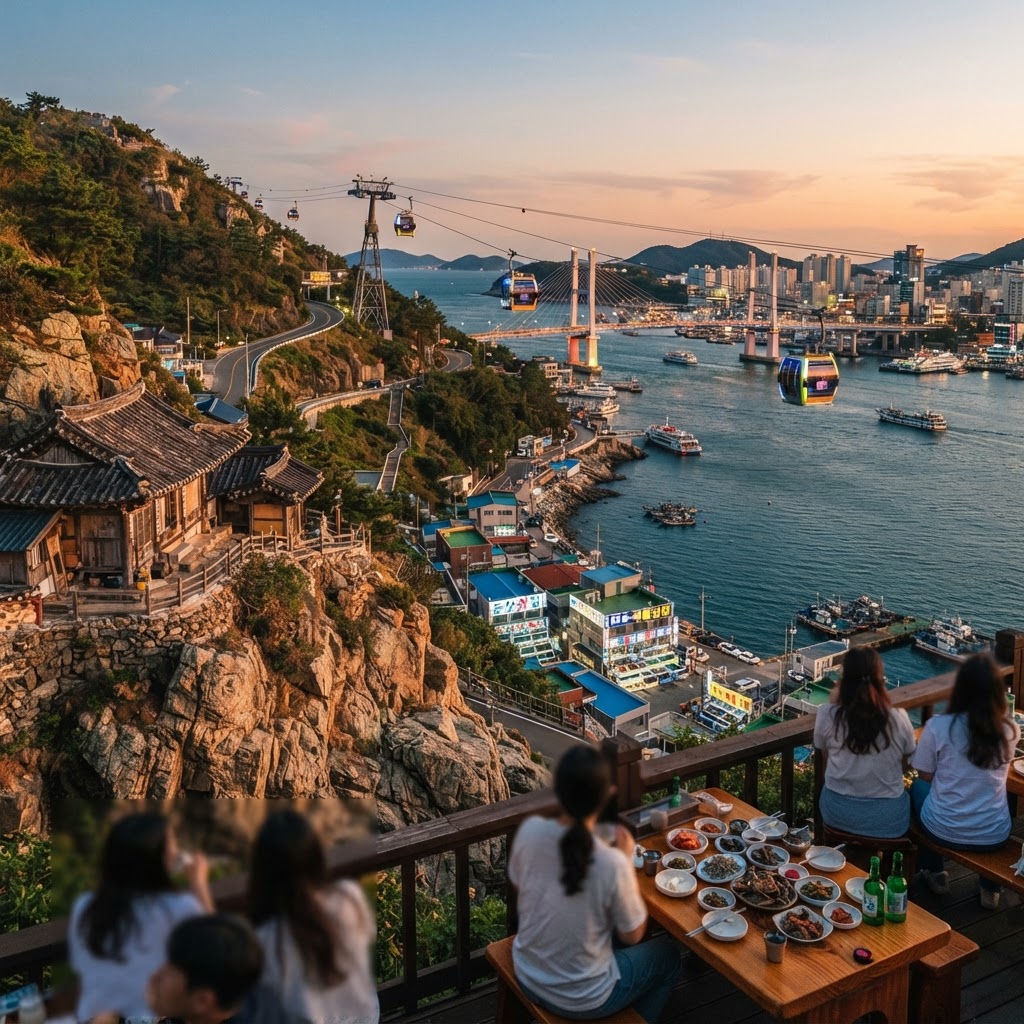
Yeosu, South Korea
South Korea
Korea's southern maritime retreat of cliffside hermitages, sea cable cars, and coastal banchan
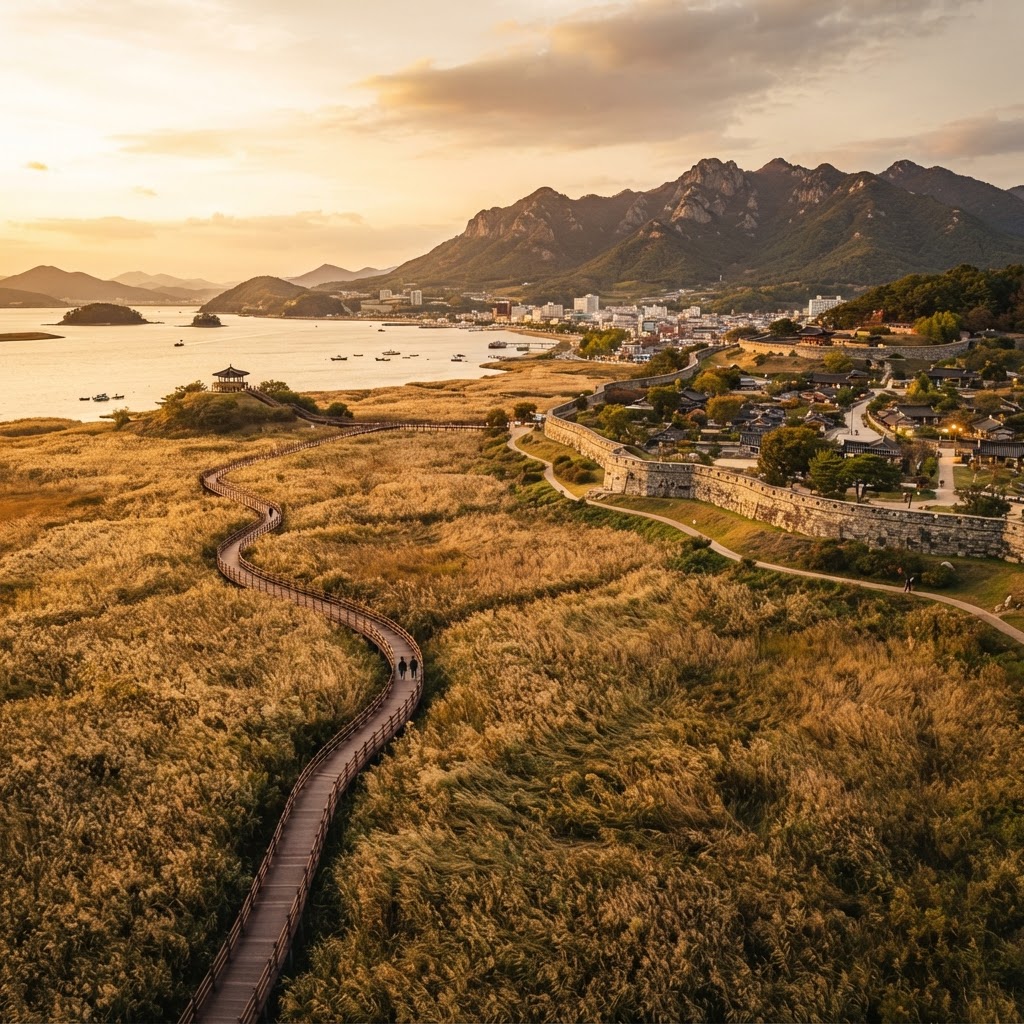
Suncheon, South Korea
South Korea
Expansive coastal reed beds, living fortress walls, and quiet southern culinary depth.
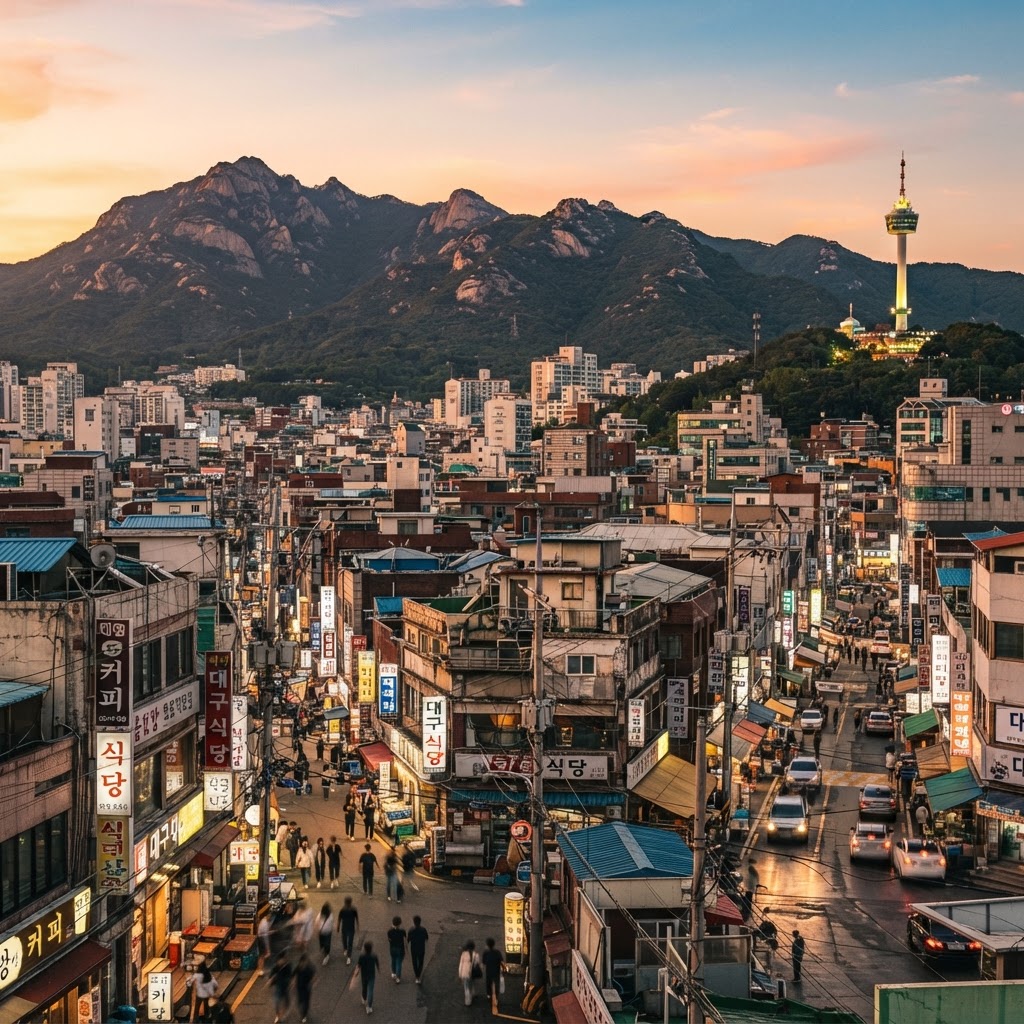
Daegu
South Korea
A gritty mountain-ringed textile hub turned coffee capital and culinary heavyweight
Readymade itineraries
Start from a tested template — then make it yours.
Ready to book
Lock in your Jeju Island, South Korea trip
Everything in one place. We may earn a small commission — it never costs you more.
Plan a trip to Jeju Island, South Korea
Pick a length and we'll build a day-by-day plan around how you travel — neighborhoods clustered, budget-aware, and editable.
Get better at planning trips like this
Occasional notes on planning smarter — no spam, unsubscribe anytime.
Plan a trip to Jeju Island, South Korea
Turn this guide into a day-by-day plan built around your pace, your group, and your budget.
Build my Jeju Island, South Korea trip