
Hong Kong
Hong Kong Itinerary: How Many Days + Sample Plans
Vertical urbanism meets subtropical country parks and world-class Cantonese cooking.
Traveler rating
Loved by serious culinary travelers prioritizing authentic Cantonese dim sum, roast goose, and street.
Plan & book
Sort your Hong Kong trip in one place.
We point you to the booking tools we'd actually use — live prices, no markup. Or let us build the day-by-day plan around you first, then book.
Pick your trip length
How many days do you need in Hong Kong?
Each of these opens a full day-by-day plan you can make your own.
- 2 days — Two days — the essentials, no rushing.
- 3 days — Three days — the icons plus one neighborhood.
- 4 days — Four days — a full city without sprinting.
- 5 days — Five days — room for a day trip.
- 7 days — A week — the city at a human pace.
- With Kids trip — Shorter days, earlier dinners, what to skip.
- For Couples trip — Two-person pacing with evenings built in.
- Solo trip — A plan that works well on your own.
- Food trip — Meals and markets as the anchors.
- Outdoors trip — Nature, walks and open air.
- Culture trip — History, museums and the streets around them.
Hong Kong packs mountain ridgelines, colonial-era double-deckers, and Michelin-starred dining into one of the world's densest urban footprints. Across Victoria Harbour, neon-lit Kowloon street markets clash against the glass financial towers of Hong Kong Island, while rugged hiking trails and outlying islands sit just 30 minutes from the subway. It is an intensely efficient, sensory city built on transit cards, dim sum trolleys, and harbor breezes.
4 to 5 days
Best time
Late October through mid-December is the undisputed sweet spot for clear skies and crisp walking weather.
Build your own trip with these prebuilt itineraries
Each one is a tested, day-by-day plan for Hong Kong — start here, then make it yours.
3 Days in Hong Kong for First-Time Visitors
3 days in hong kong first time
4 Days in Hong Kong for Food Lovers (Dim Sum)
hong kong dim sum food itinerary
3 Days in Hong Kong with Kids (Disneyland, Ocean Park)
hong kong with kids disneyland itinerary
4 Days in Hong Kong for Hikers (Dragon's Back)
hong kong dragon's back hiking itinerary
Few places on earth transition from 100-story vertical financial districts to coastal hiking trails and secluded island fishing villages in less than forty minutes. Hong Kong is an essential destination for culinary rigor—from 70-year-old tea shops serving claypot rice to three-star Cantonese gastronomy—paired with the world's most flawless transit infrastructure and dramatic harbor topography.
Where to stay
Getting there
Getting around
Food & drink
What it costs
Things to do
Book tours & tickets in Hong KongSkip it if
Budget travelers expecting spacious hotel rooms on modest spending should skip it, as hotel square footage in central districts is among the tightest and priciest globally. Travelers who find hyper-dense vertical crowds, rapid pedestrian paces, and concrete street scapes overwhelming may also prefer a more relaxed regional hub.
When to go
Autumn strips away the oppressive subtropical moisture and typhoon risks, replacing them with crisp 20–25°C temperatures and blue skies, ideal for hill-climbing without collapsing from heat exhaustion. Spring is manageable but often cloaked in thick harbor fog and mist, while summer trades lower hotel tariffs for relentless, sweat-drenched humidity and frequent storm shutdowns.
Peak (October–December)
Clear blue skies, dry air, and ideal hiking conditions; room rates hit annual highs, requiring bookings 6–8 weeks early.
Shoulder (January–April)
Pleasantly cool winter temperatures in January and February turn humid and foggy by March; crowded around Lunar New Year.
Low (June–August)
Broiling heat, relentless humidity, and frequent monsoon downpours or typhoon warnings; hotel bargains exist for good reason.
Neighborhoods
Where you stay shapes the trip. Here's how to think about it.
Central & Sheung Wan
Canyon-like financial towers giving way to steep colonial staircases, antique stalls, and craft cocktail bars.
Best for:First-timers, architecture buffs, and cocktail enthusiasts
Don't miss:Riding the Mid-Levels Escalator up through Soho and browsing the antique stalls along Hollywood Road and Upper Lascar Row.
Tsim Sha Tsui (TST)
Grand harborfront vistas, bustling shopping avenues, and iconic cultural institutions looking across at the island skyline.
Best for:Harbor view chasers, museum visitors, and skyline photography
Don't miss:Boarding the historic Star Ferry from the TST Pier to Central at dusk, then walking along the Avenue of Stars.
Mong Kok & Sham Shui Po
Raw, neon-lit kinetic energy with dense open-air markets, electronics stalls, and traditional street-food counters.
Best for:Budget travelers, street-food obsessives, and photographers seeking classic street-level density
Don't miss:The bustling street stalls along Apliu Street and grabbing freshly steamed cheong fun at Hop Yik Tai in Sham Shui Po.
Wan Chai
A multi-layered transit hub where classic dai pai dong open-air dining coexists with indie wine bars and heritage shophouses.
Best for:Urban explorers, foodies wanting late-night dining, and tram-spotters
Don't miss:Catching traditional 'villain hitting' ceremonies under the Canal Road Flyover before grabbing roast goose near Johnston Road.
Kennedy Town & Sai Ying Pun
Relaxed seaside western enclave blending third-wave coffee roasters, hilly dried-seafood alleys, and sunset harbor promenades.
Best for:Returning visitors, laid-back travelers, and café hoppers
Don't miss:Watching cargo ships glide across the harbor with a local craft beer from the waterfront near Belcher Bay Park.
Destination intelligence
Updated 9/14/2026The structured record we plan every Hong Kong itinerary from.
Walkability
High in localized neighborhoods, though characterized by dramatic vertical topography, pedestrian footbridges, and outdoor escalators on Hong Kong Island.
Transit quality
World-class. The combination of MTR subway lines, double-decker trams, cross-harbor Star Ferries, and green minibuses sets the global benchmark for urban transit.
Car needed
Absolutely not. Driving is an expensive liability due to congestion, scarce parking, left-hand drive traffic, and ubiquitous rapid transit.
Ideal duration
4 to 5 days
Minimum useful
2 full days
Peak season
October to December (autumn brings clear blue skies, comfortable temperatures around 20–26°C, and minimal rainfall).
Shoulder season
March to April and January to February (mild spring temperatures with occasional fog, or cool winter conditions perfect for walking).
Low season
June to August (intense subtropical heat, high humidity, frequent thunderstorms, and peak typhoon season).
Best for
Common mistakes
- Staying exclusively on the harbor-front and skipping the Country Parks, which cover over 40% of Hong Kong's land area
- Queuing up for peak-hour Peak Tram tickets without pre-booking or skipping the quieter Lugard Road viewpoint once at the top
- Carrying only foreign credit cards; many heritage food stalls, local cha chaan tengs, and taxis still demand cash or Octopus card
- Visiting in July or August without anticipating oppressive humidity, monsoonal rainstorms, and potential typhoon warnings
Best nearby
How to plan it
- Base yourself in Sheung Wan or Wan Chai if you want immediate access to the Ding Ding tram, independent cafés, and steep pedestrian walking streets.
- Never cross Victoria Harbour in a subway tunnel when you can ride the Star Ferry for a few Hong Kong dollars and catch the sea breeze.
- Do not attempt to tackle Victoria Peak and the Big Buddha on Lantau Island in the same day; their transit paths pull in opposite directions.
- Reserve high-end dim sum lunches and acclaimed roast goose institutions at least two to four weeks ahead, especially for weekend slots.
- Plan your country park hikes (like Dragon's Back or Lion Rock) for weekday mornings to avoid dense weekend hiking crowds.
Questions
More in East Asia
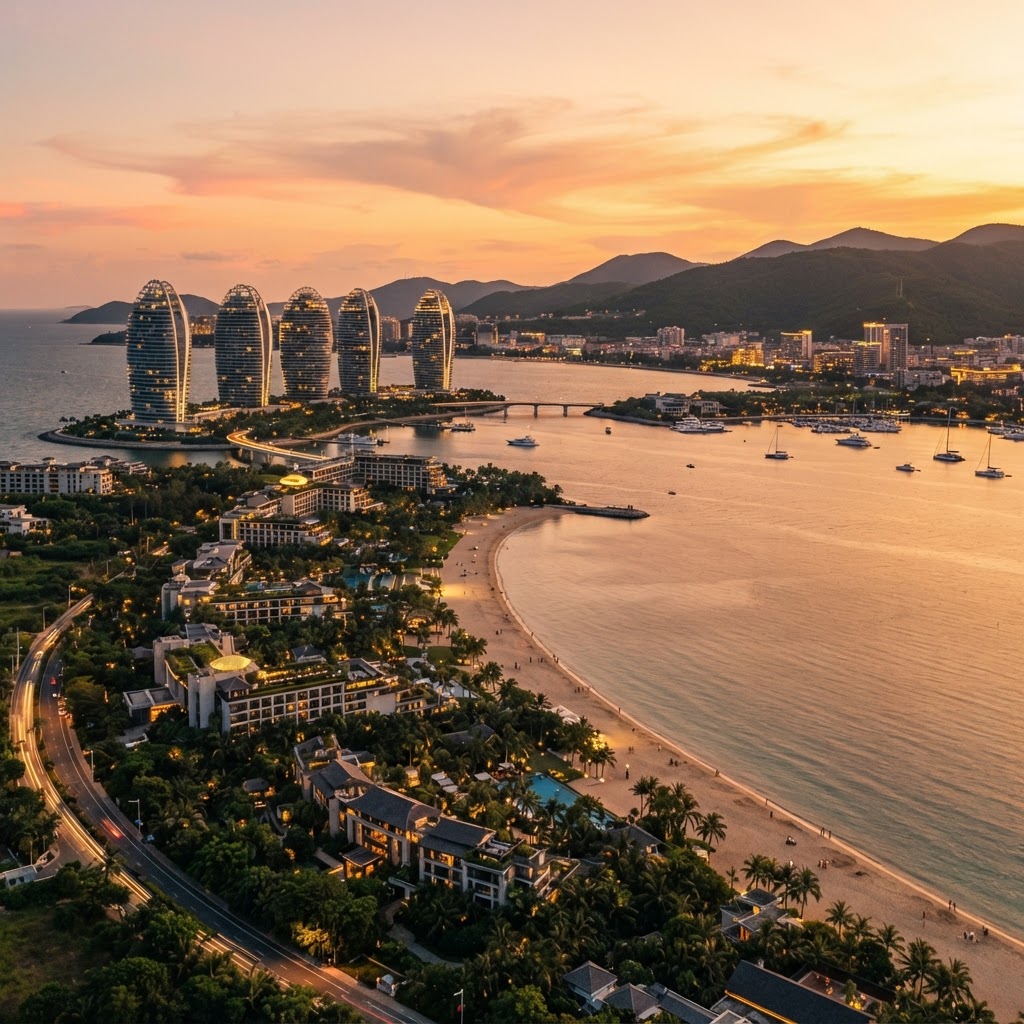
Sanya, Hainan, China
China
China's tropical resort strip of five-star bays, duty-free hubs, and coastal escapes.
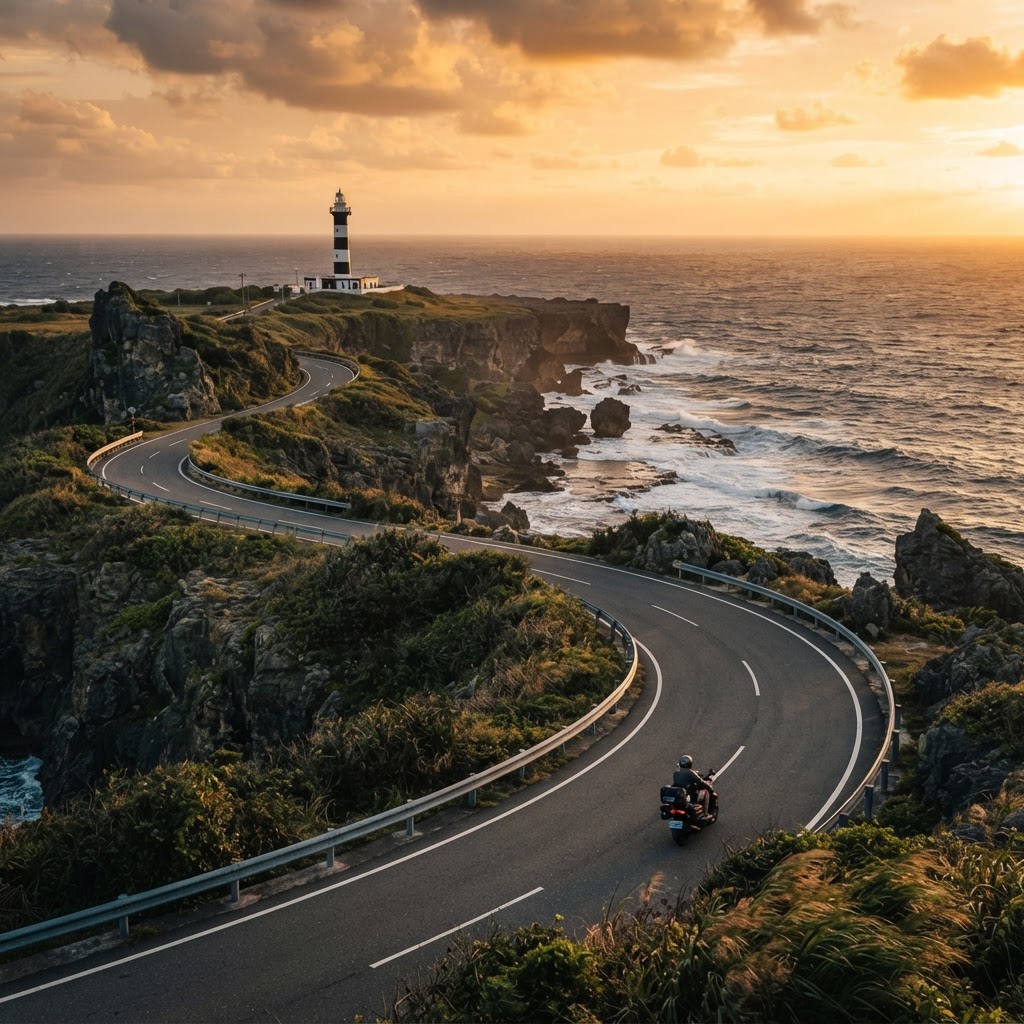
Kenting, Taiwan
Taiwan
Windswept coastal cliffs, coral reefs, and open-throttle peninsula roads at Taiwan’s southernmost tip.
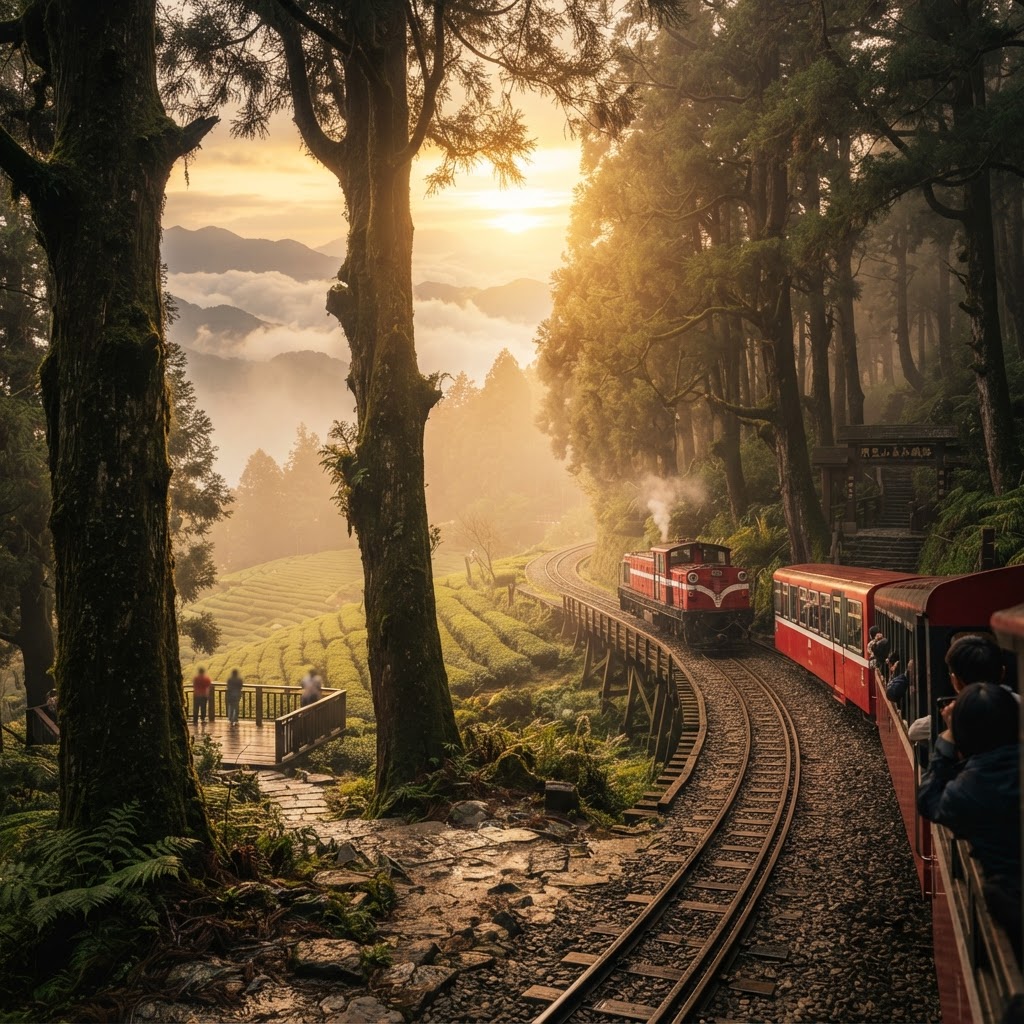
Alishan, Chiayi County
Taiwan
Ancient red cypresses, sunrise railway ascents, and high-mountain oolong shrouded in mist.
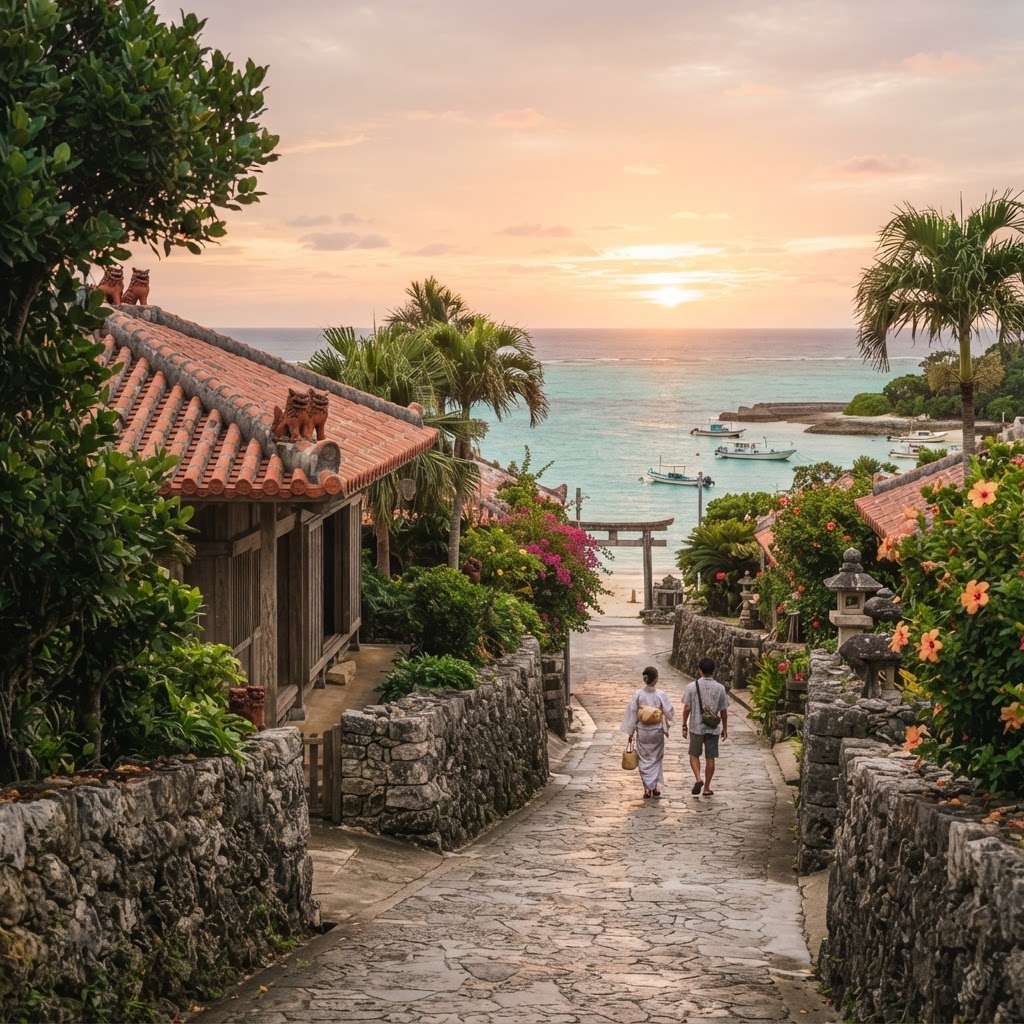
Okinawa, Japan
Japan
Subtropical Ryukyu heritage meets turquoise Pacific waters and slow island living
Readymade itineraries
Start from a tested template — then make it yours.
Ready to book
Lock in your Hong Kong trip
Everything in one place. We may earn a small commission — it never costs you more.
Plan a trip to Hong Kong
Pick a length and we'll build a day-by-day plan around how you travel — neighborhoods clustered, budget-aware, and editable.
Get better at planning trips like this
Occasional notes on planning smarter — no spam, unsubscribe anytime.
Plan a trip to Hong Kong
Turn this guide into a day-by-day plan built around your pace, your group, and your budget.
Build my Hong Kong trip