United States
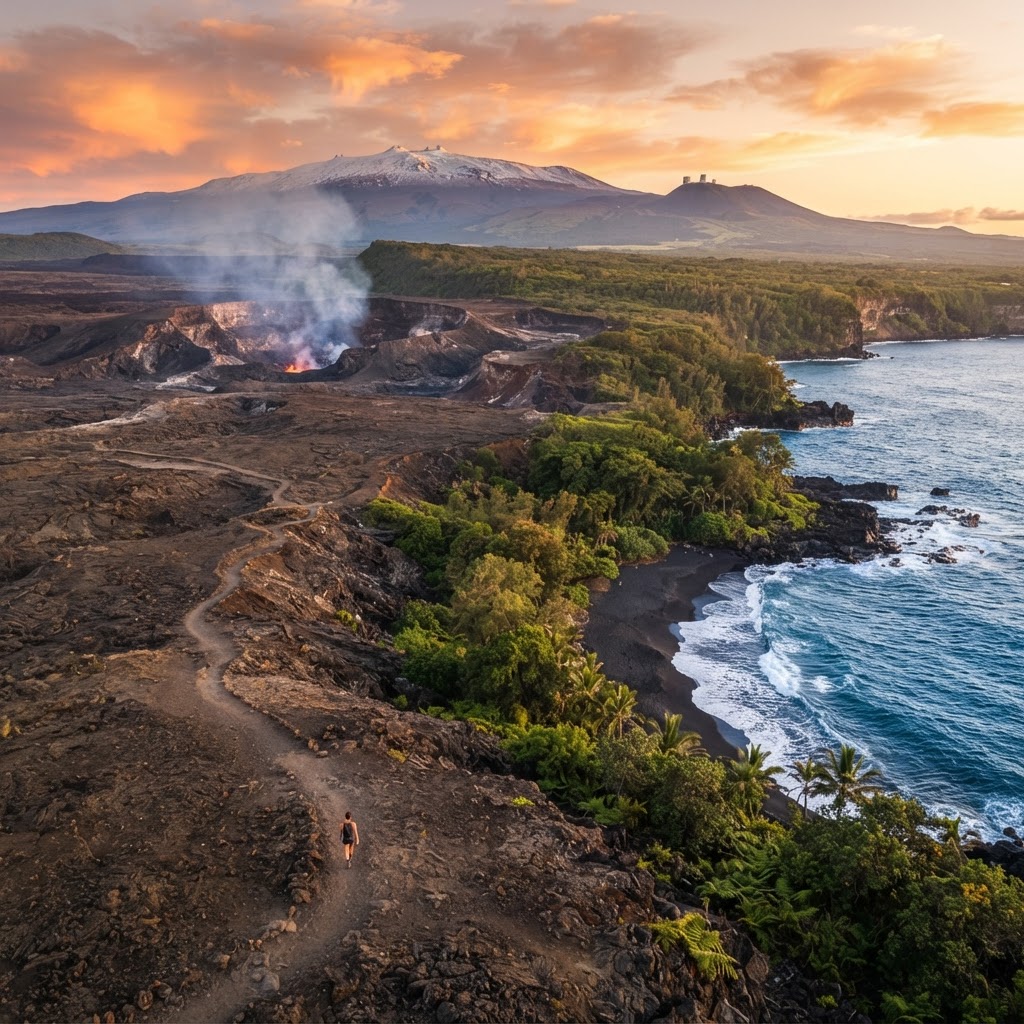
Hawaiʻi Island (Big Island), United States
Active volcanic calderas, black-sand coastlines, and alpine summits across four climate zones.
Plan & book
Sort your Hawaiʻi Island (Big Island), United States trip in one place.
We point you to the booking tools we'd actually use — live prices, no markup. Or let us build the day-by-day plan around you first, then book.
Hawaiʻi Island—colloquially the Big Island—is larger than all other Hawaiian islands combined, offering an untamed, continent-in-miniature landscape shaped by active volcanism. From the barren lava fields of the Kona-Kohala coast to the rainforests of Hilo and the sub-freezing telescopes atop Mauna Kea, this is an island built for road trips, geological scale, and active exploration rather than static resort lounging.
7 to 9 days
Best time
May to June or September to mid-November for optimal snorkeling swells, lowest hotel rates, and manageable road traffic.
Build your own trip with these prebuilt itineraries
Each one is a tested, day-by-day plan for Hawaiʻi Island (Big Island), United States — start here, then make it yours.
7 Days Around the Island: The Classic Multi-Base Road Trip in Hawaii Island
Split-stay first-timer highlights balancing West Coast beaches with Hilo waterfalls, Hamakua Coast, and Volcanoes National Park
5 Days on the West Coast: Beaches, Coffee, and Marine Life in Hawaii Island
Kona-Kohala coastal getaway focusing on snorkeling, manta rays, coffee farms, and sunny shores without long cross-island drives
Hawaiʻi Island offers geological encounters you cannot get elsewhere in North America: standing at the rim of Kīlauea caldera in Hawaiʻi Volcanoes National Park, night snorkeling with manta rays off Keauhou, and ascending to 13,796 feet atop Mauna Kea for world-class stargazing. It provides raw, unmanicured topography over manicured tropical fantasy.
Where to stay
Getting there
Getting around
Food & drink
What it costs
Skip it if
Skip Hawaiʻi Island if you want a walk-everywhere beach town with pulsing nightlife, or if you hate spending time driving on vacation; Maui or Oʻahu offer significantly more compact resort pockets, walkable beach paths, and centralized dining.
When to go
Winter brings humpback whales but triggers inflated resort rates and crowded highway corridors around Kona. Summer brings family vacation traffic, while shoulder months deliver glass-calm water across the western reefs and far better vehicle rental availability.
Peak (Mid-December to April, July to August)
High demand, winter whale migration, and packed beaches; car rentals and Kona resort rates sit at their annual ceiling.
Shoulder (May to June, September to October)
The sweet spot with pleasant trade winds, fewer highway backups, and exceptional water visibility along leeward reefs.
Low (Late August to November, excluding Thanksgiving)
Best baseline lodging prices and uncrowded state parks, though afternoon humidity creeps up on the Kona coast.
Neighborhoods
Where you stay shapes the trip. Here's how to think about it.
Kailua-Kona (Aliʻi Drive)
Bustling coastal hub of shave ice shacks, craft breweries, and sea-level sunsets.
Best for:first-timers and active boaters
Don't miss:Catching a sunset manta ray snorkeling charter out of Honokōhau Harbor and grabbing fresh poke at Umekes.
Kohala Coast (South Kohala)
Expansive, sun-drenched black lava flats fronting manicured golden-sand resort crescents.
Best for:luxury travelers and calm beach seekers
Don't miss:Spending an uninterrupted morning on the powdery curve of Hāpuna Beach State Recreation Area before the mid-day winds pick up.
Downtown Hilo & Banyan Drive
Rain-washed, vintage plantation architecture with lush banyans, farmer markets, and old-school aloha.
Best for:budget travelers and rainforest adventurers
Don't miss:Browsing tropical produce and warm malasadas at the Wednesday/Saturday Hilo Farmers Market along Kamehameha Avenue.
Volcano Village
Misty, temperate native ʻōhiʻa rainforest dotted with artist cottages and roaring wood stoves.
Best for:hikers and national park explorers
Don't miss:An early evening hike along Crater Rim Trail to catch the sulfurous glow over Kīlauea caldera without bus crowds.
Waimea (Kamuela)
Brisk upcountry paniolo (cowboy) ranching town framed by emerald cinder cones and pastureland.
Best for:foodies and travelers wanting highland cool
Don't miss:Sampling locally raised grass-fed beef burgers and regional craft beers at Village Burger in the Parker Green shopping center.
Destination intelligence
Updated 9/14/2026The structured record we plan every Hawaiʻi Island (Big Island), United States itinerary from.
Walkability
Low. Aside from small segments along Aliʻi Drive in Kailua-Kona and front-street blocks in downtown Hilo, the island is completely car-dependent with long highway stretches between sights.
Transit quality
Poor. The island-wide Hele-On county bus system provides basic commuter connections between major towns, but frequencies are sparse and routes bypass trailheads, rural beaches, and summit roads.
Car needed
Yes. A rental vehicle is mandatory to access parks, beaches, restaurants, and regional hubs across the island's 4,000 square miles.
Ideal duration
7 to 9 days
Minimum useful
5 days
Peak season
Mid-December through April, driven by North American winter escapes and peak humpback whale migration off the Kohala and Kona coasts.
Shoulder season
May to June and September to November, offering fewer crowds, reduced car rental rates, and optimal snorkeling conditions with calm ocean swells.
Low season
September through early November, bringing the lowest resort rates and lightest highway traffic, balanced by warmer, more humid afternoon trade winds.
Best for
Common mistakes
- Underestimating driving times: Crossing between Kona and Hilo via Saddle Road takes 1.5 to 2 hours, and driving the southern loop past Kaʻū takes over 3 hours each way.
- Booking the entire stay in a single hotel in Kona and attempting a single-day rush trip to Volcanoes National Park, which results in 5+ hours behind the wheel.
- Packing only beach clothes: High elevations like Volcano Village (4,000 ft) and Mauna Kea (9,000–13,700 ft) frequently drop into the 30s and 40s Fahrenheit, requiring insulated layers and rain shells.
- Failing to check National Park Service eruption updates: Volcanic activity fluctuates; seeing flowing red lava is never guaranteed and depends on current Kīlauea summit vents.
Best nearby
How to plan it
- Book an open-jaw flight itinerary—arriving at Kona (KOA) and departing Hilo (ITO)—to save three hours of backtracking across Saddle Road.
- Do not attempt Hawaiʻi Volcanoes National Park as a rushed day trip from Kona; base at Volcano Village or Hilo for two nights instead.
- Schedule your manta ray night swim out of Keauhou or Honokōhau early in your trip so you have buffer nights in case surf cancels your boat.
- Reserve four-wheel-drive summit tours of Mauna Kea at least one month in advance if you want guided sunset and telescope stargazing access.
- Dedicate one dedicated morning to the Kohala Coast beaches—like Hāpuna or Beach 69—before 10:00 AM when onshore winds kick up chop.
Questions
More in United States
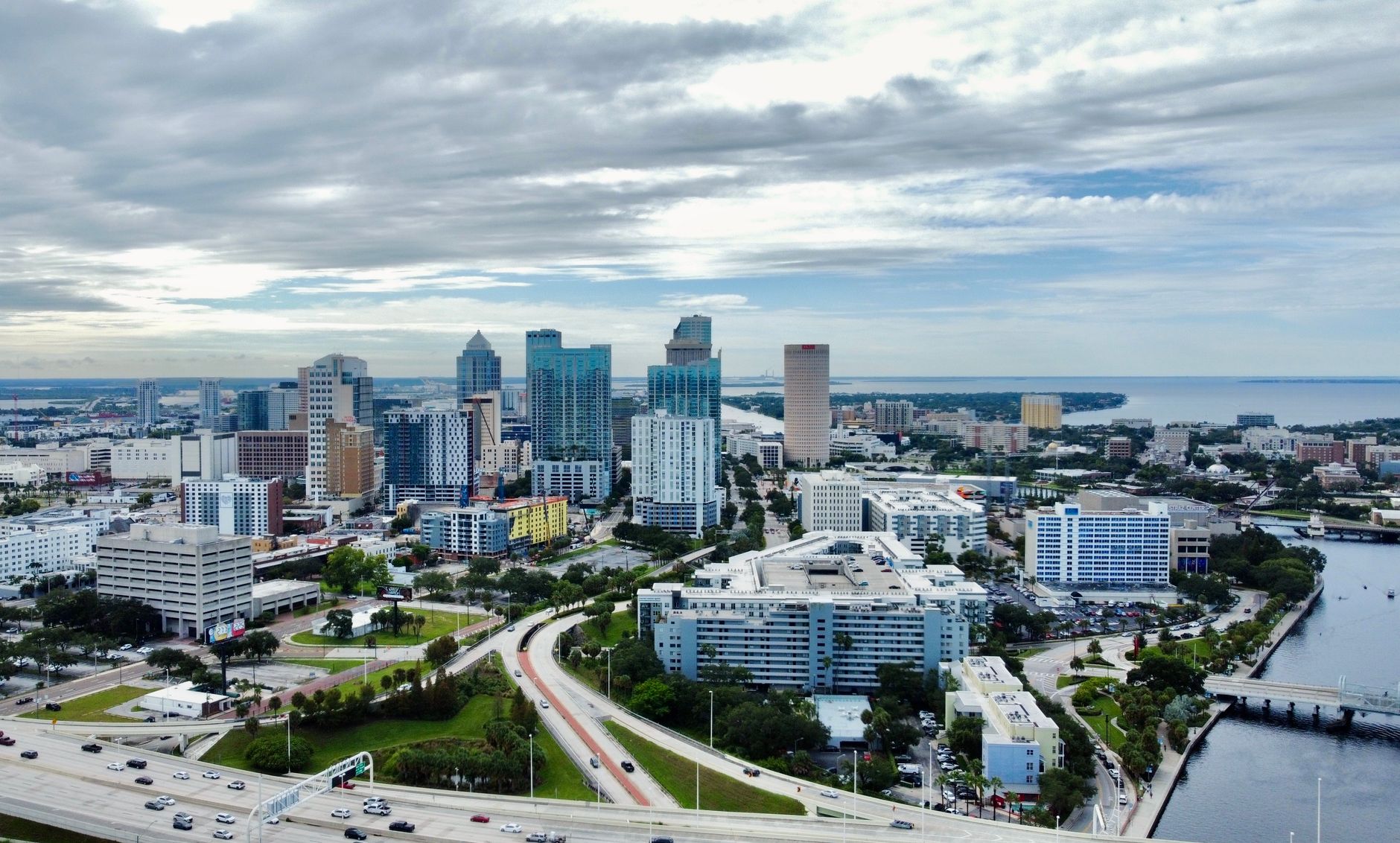
Tampa, Florida
United States
A historic cigar-making heritage wrapped in polished waterfront revivals and Gulf Coast culinary ambition.
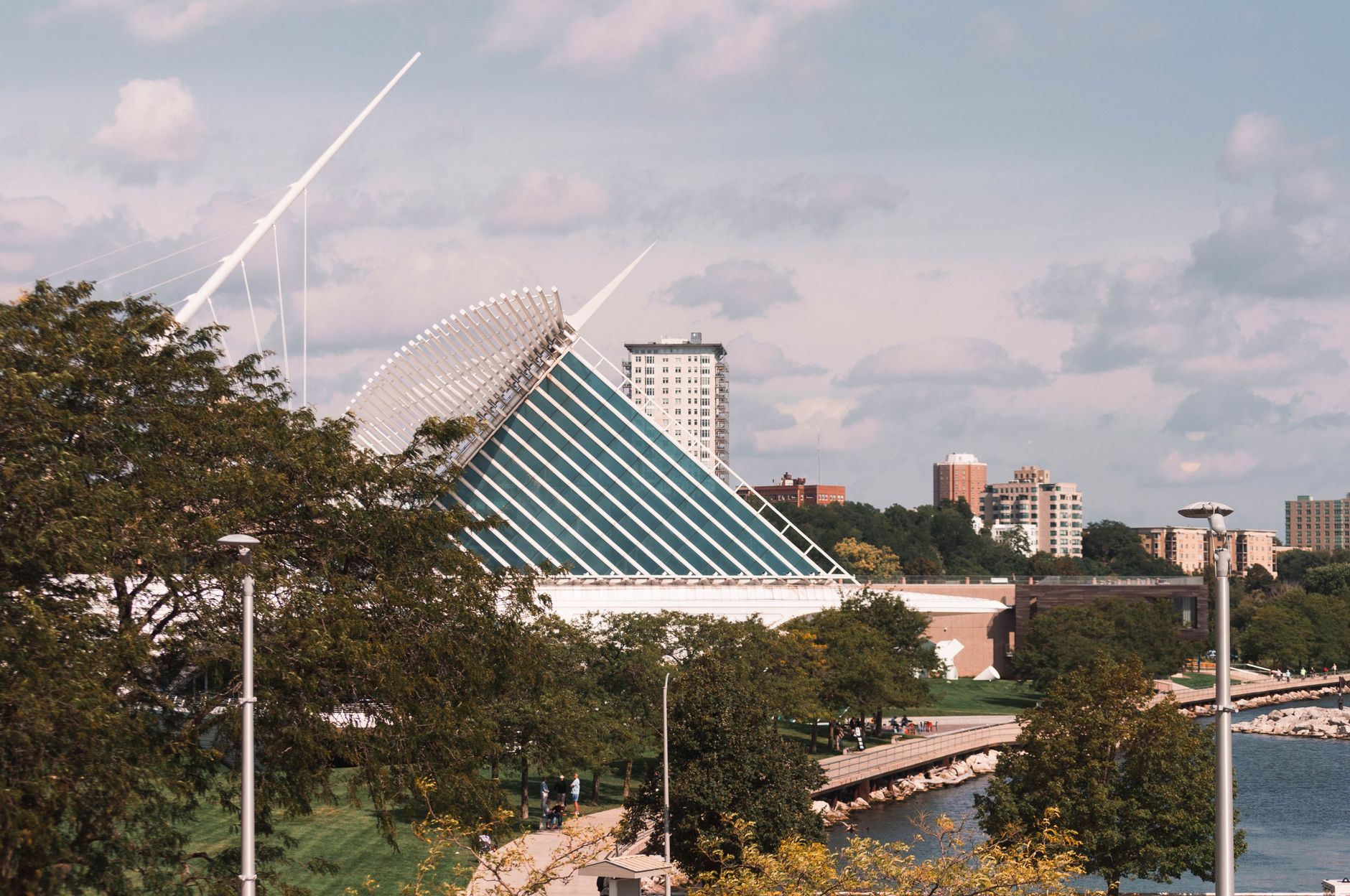
Milwaukee, Wisconsin
United States
Industrial lakeside cool anchored by serious culinary chops and effortless urban grit.
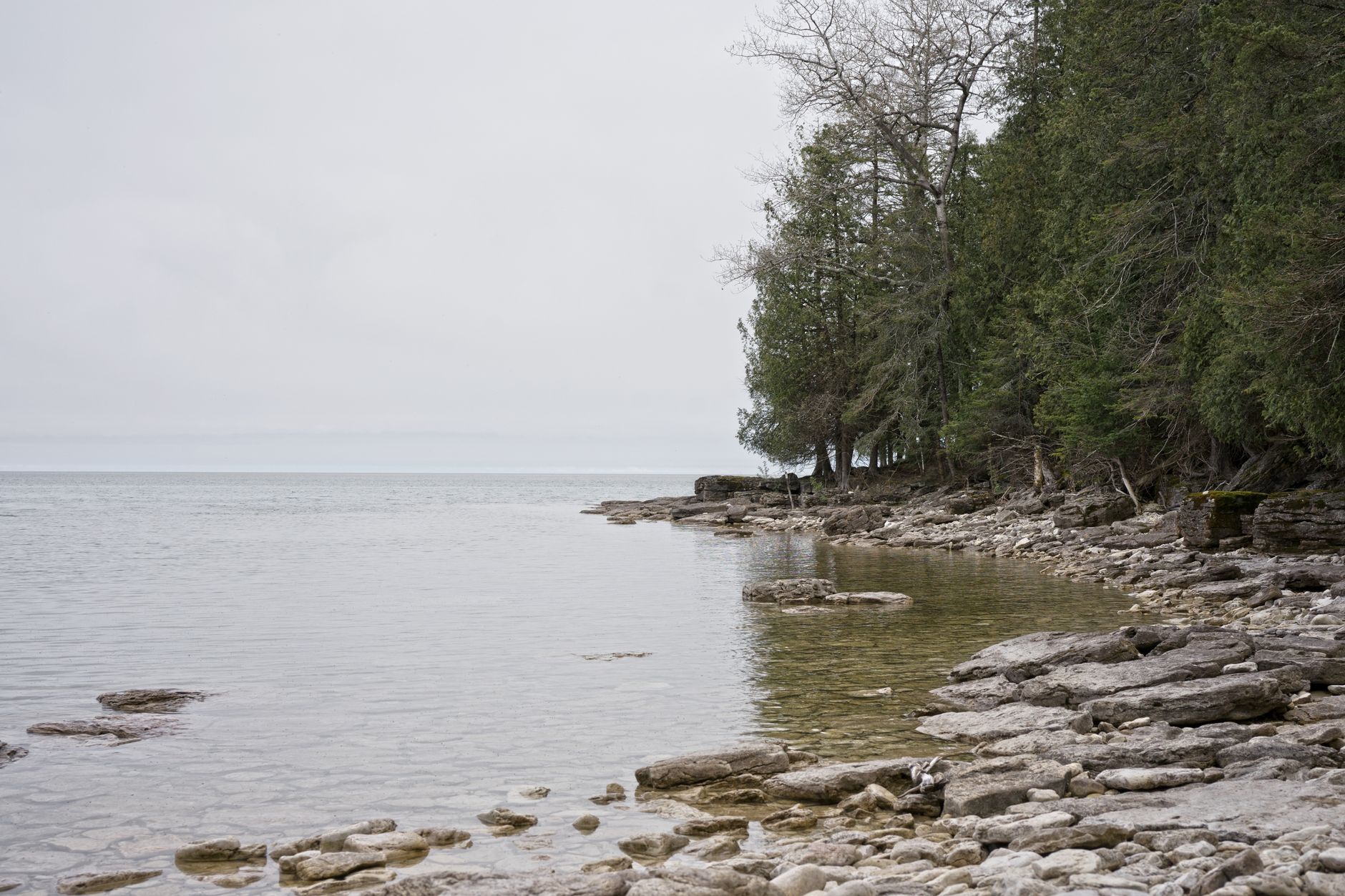
Door County, Wisconsin
United States
Limestone bluffs, heritage cherry orchards, and lakefront villages on Lake Michigan.

Traverse City, Michigan
United States
Freshwater bays, cool-climate vineyards, and windswept dunes anchored by a farm-driven culinary hub.
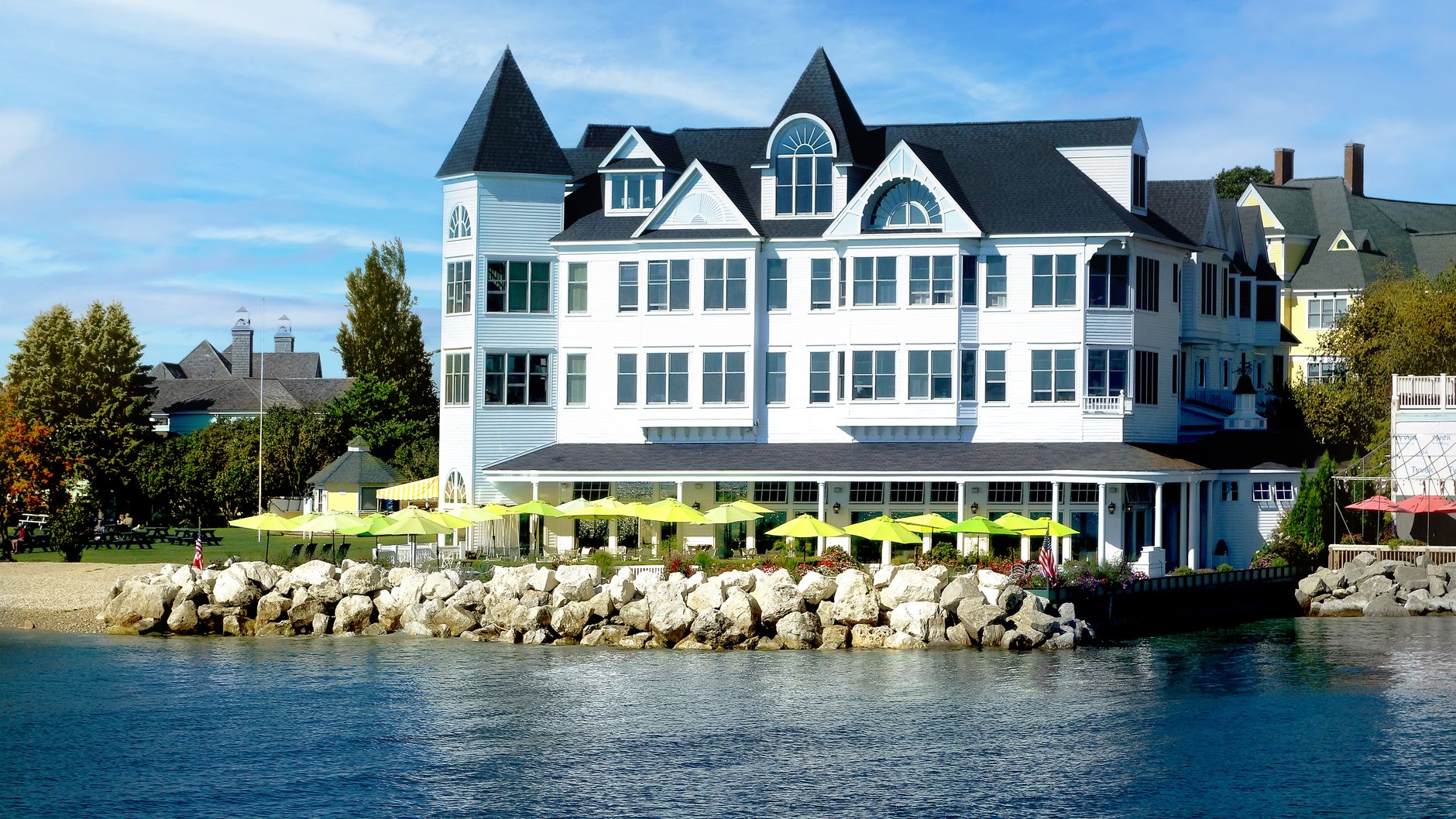
Mackinac Island, Michigan
United States
Car-free Victorian bluffs, freshwater coastlines, and horse-drawn transport

Baltimore, Maryland
United States
Industrial maritime roots, blue-collar grit, and distinct neighborhood enclaves.
Readymade itineraries
Start from a tested template — then make it yours.
Ready to book
Lock in your Hawaiʻi Island (Big Island), United States trip
Everything in one place. We may earn a small commission — it never costs you more.
Plan a trip to Hawaiʻi Island (Big Island), United States
Pick a length and we'll build a day-by-day plan around how you travel — neighborhoods clustered, budget-aware, and editable.
Get better at planning trips like this
Occasional notes on planning smarter — no spam, unsubscribe anytime.
Plan a trip to Hawaiʻi Island (Big Island), United States
Turn this guide into a day-by-day plan built around your pace, your group, and your budget.
Build my Hawaiʻi Island (Big Island), United States trip