South Korea
Gyeongju
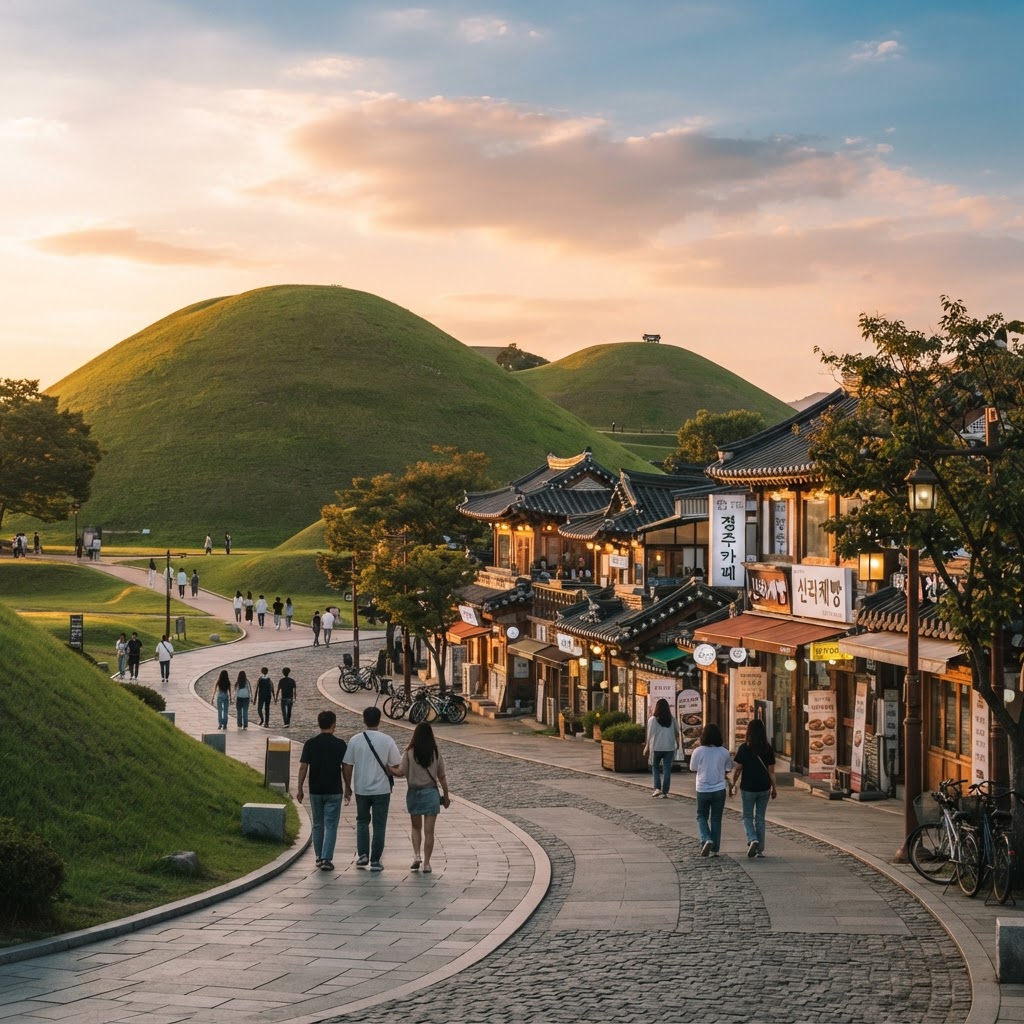
The ancient open-air capital of Silla, where royal tumuli meet boutique cafes.
Plan & book
Sort your Gyeongju trip in one place.
We point you to the booking tools we'd actually use — live prices, no markup. Or let us build the day-by-day plan around you first, then book.
For nearly a millennium, Gyeongju served as the golden capital of the Silla Kingdom. Known widely as the museum without walls, the city blends towering grassy royal burial mounds with sleek hanok cafes and UNESCO World Heritage sites, offering an unhurried, deeply atmospheric counterpoint to Seoul and Busan.
2 nights
Build your own trip with these prebuilt itineraries
Each one is a tested, day-by-day plan for Gyeongju — start here, then make it yours.
3 Days in Gyeongju: Hanok Living & Outer Temples in Gyeongju
A slow-paced immersive stay featuring traditional hanok living, mountain temples like Bulguksa and Seokguram, and coastal Silla relics
2 Days in Gyeongju: Ancient Capitals & Nightscapes in Gyeongju
Essential historic highlights, cycling through royal tumuli, and evening walks by illuminated heritage sites like Wolji Pond and Woljeonggyo Bridge
1 Day in Gyeongju: Heritage Express in Gyeongju
A tightly-curated, bike-friendly day focused on the central historic zone and Hwangridan-gil cafe culture for travelers short on time
Gyeongju preserves an ancient urban fabric where massive 1,500-year-old royal tumuli rise directly alongside neighborhood streets. Unlike cities that rebuilt over their past, Gyeongju integrates eighth-century astronomical towers, Buddhist temple architecture, and illuminated palace ponds into a walkable, quiet townscape best explored by foot or bicycle.
Where to stay
Getting there
Getting around
Food & drink
What it costs
Things to do
Book tours & tickets in GyeongjuSkip it if
Skip Gyeongju if your Korean itinerary is driven entirely by high-octane modern nightlife, major luxury shopping malls, or gritty underground clubbing, which are far better served in Seoul or Busan.
Destination intelligence
Updated 9/13/2026The structured record we plan every Gyeongju itinerary from.
Walkability
high
Transit quality
moderate
Car needed
no
Ideal duration
2 nights
Minimum useful
1 night
Peak season
April (cherry blossoms) and October (autumn foliage)
Shoulder season
May to June and September
Low season
January to February (cold winter) and July to August (humid monsoon heat)
Best for
Common mistakes
- Treating Gyeongju as a rushed day trip from Busan and missing the illuminated nightscapes at Wolji Pond and Woljeonggyo Bridge.
- Staying out in the Bomun Lake resort complex without personal transportation if your main goal is exploring the historic sites and cafes.
- Relying on Google Maps instead of Naver Map or KakaoMap for pedestrian walking directions and bus tracking in Korea.
- Booking a traditional hanok stay without checking whether bedding is ondol floor mats (yo) or Western raised beds.
Best nearby
See what a trip to South Korea actually costs. Travel Budget Co.
More in South Korea
Yeosu, South Korea
South Korea
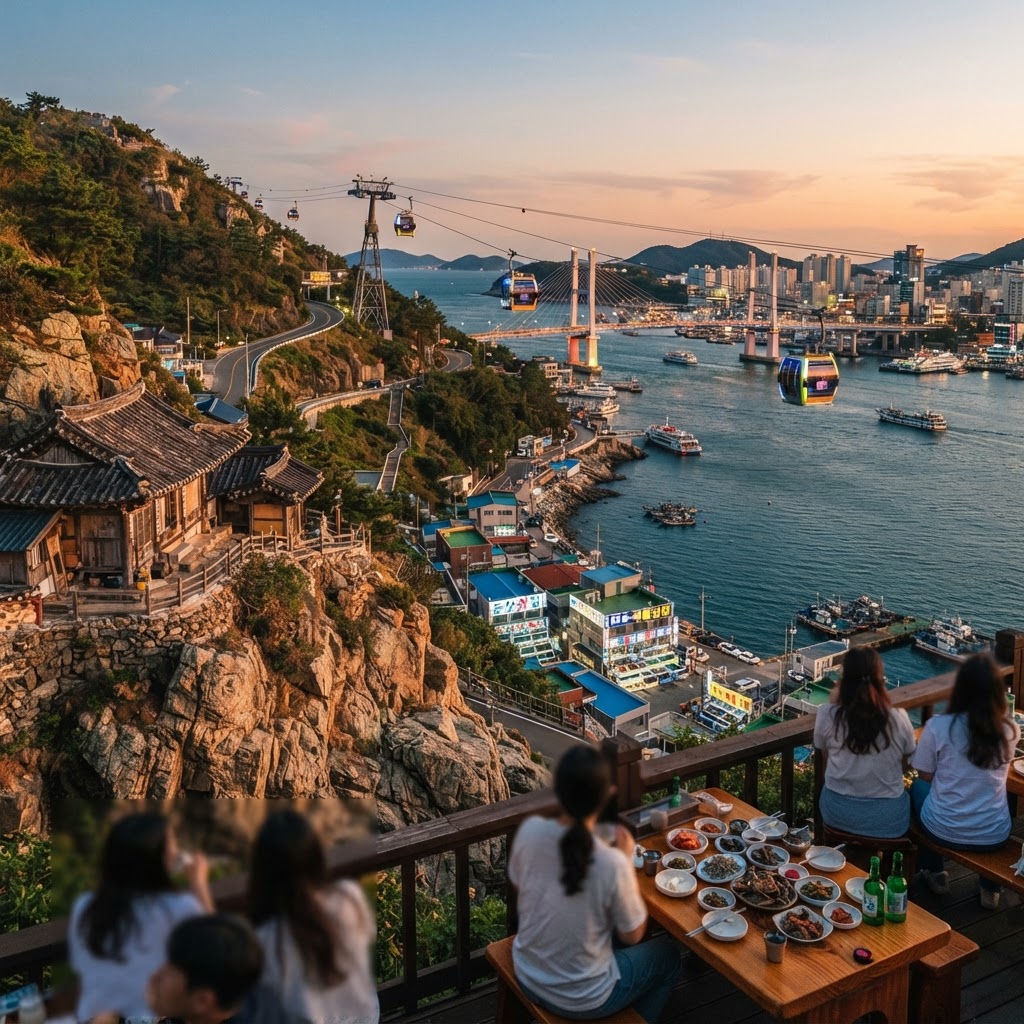
Korea's southern maritime retreat of cliffside hermitages, sea cable cars, and coastal banchan
Suncheon, South Korea
South Korea
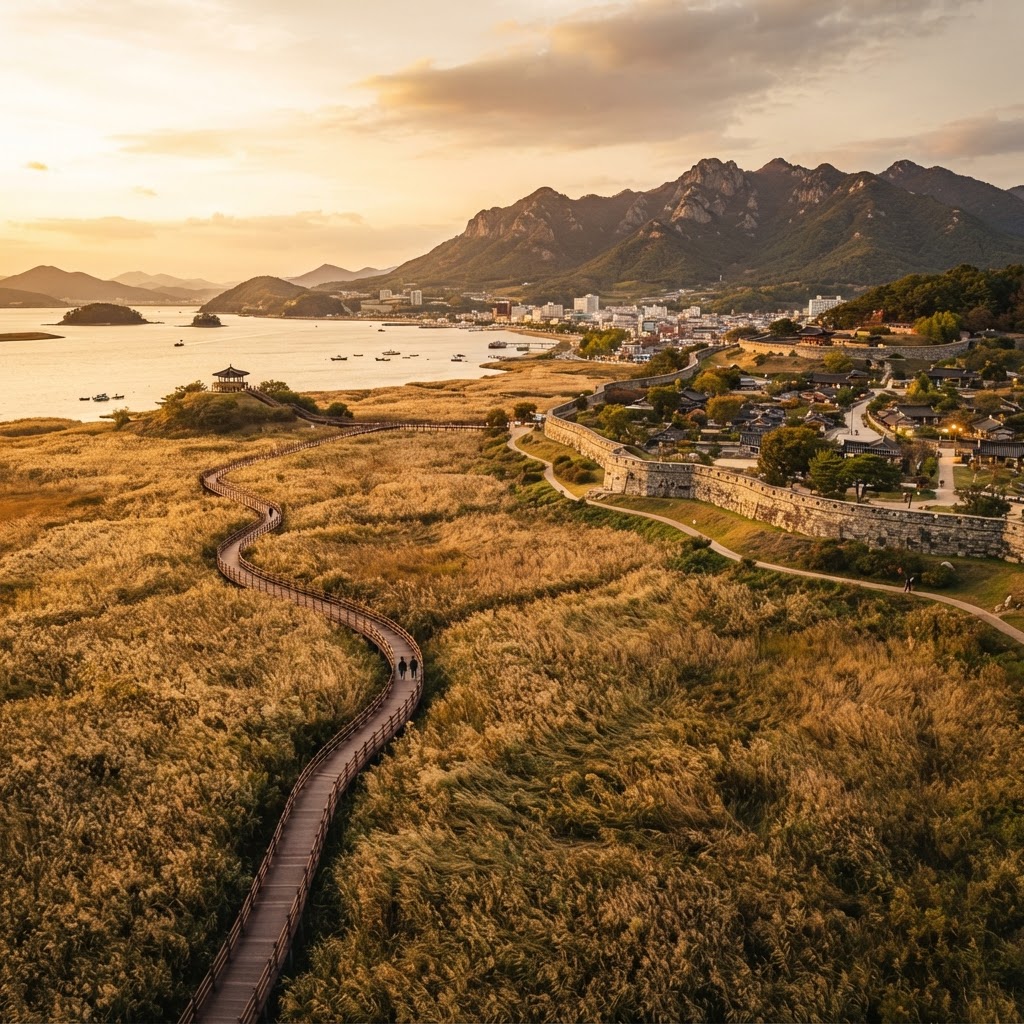
Expansive coastal reed beds, living fortress walls, and quiet southern culinary depth.
Daegu
South Korea
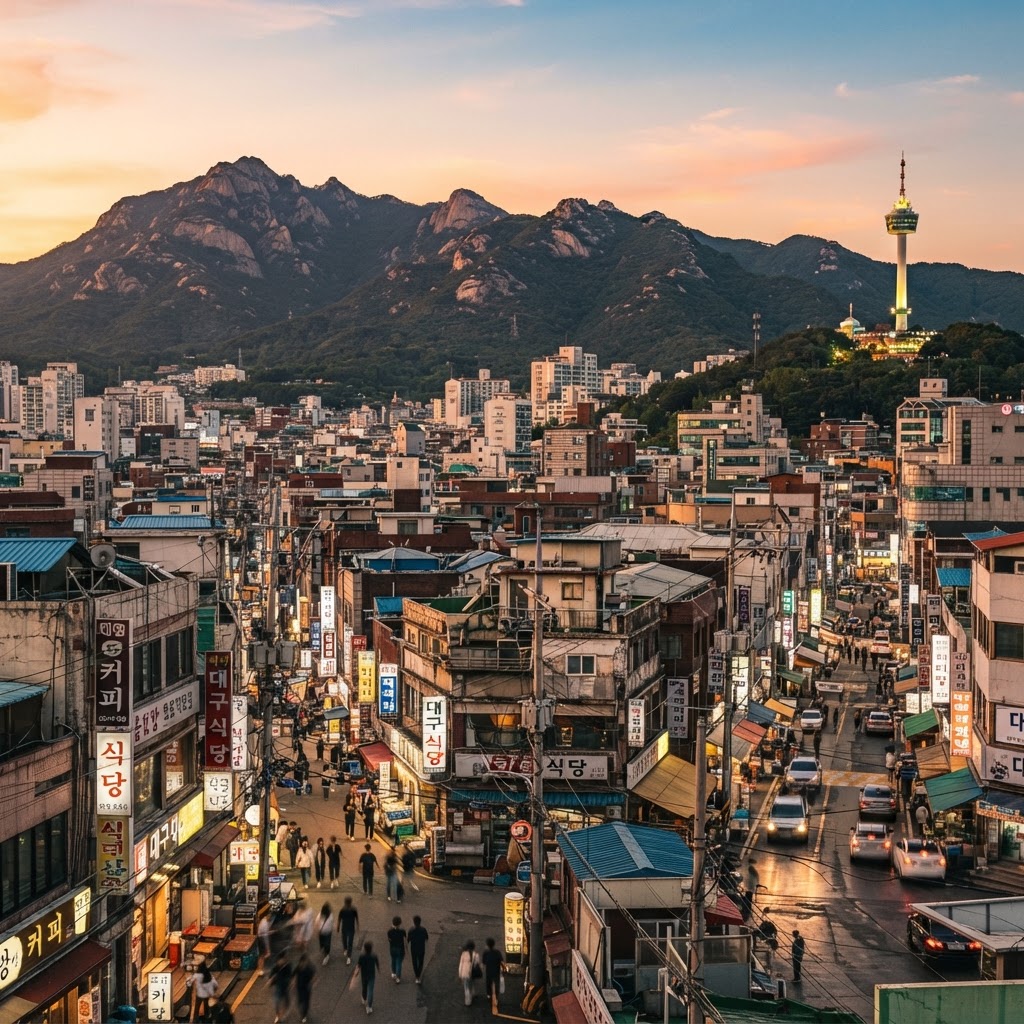
A gritty mountain-ringed textile hub turned coffee capital and culinary heavyweight
Readymade itineraries
Start from a tested template — then make it yours.
Ready to book
Lock in your Gyeongju trip
Everything in one place. We may earn a small commission — it never costs you more.
Plan a trip to Gyeongju
Pick a length and we'll build a day-by-day plan around how you travel — neighborhoods clustered, budget-aware, and editable.
Get better at planning trips like this
Occasional notes on planning smarter — no spam, unsubscribe anytime.
Plan a trip to Gyeongju
Turn this guide into a day-by-day plan built around your pace, your group, and your budget.
Build my Gyeongju trip