Australia
Great Ocean Road
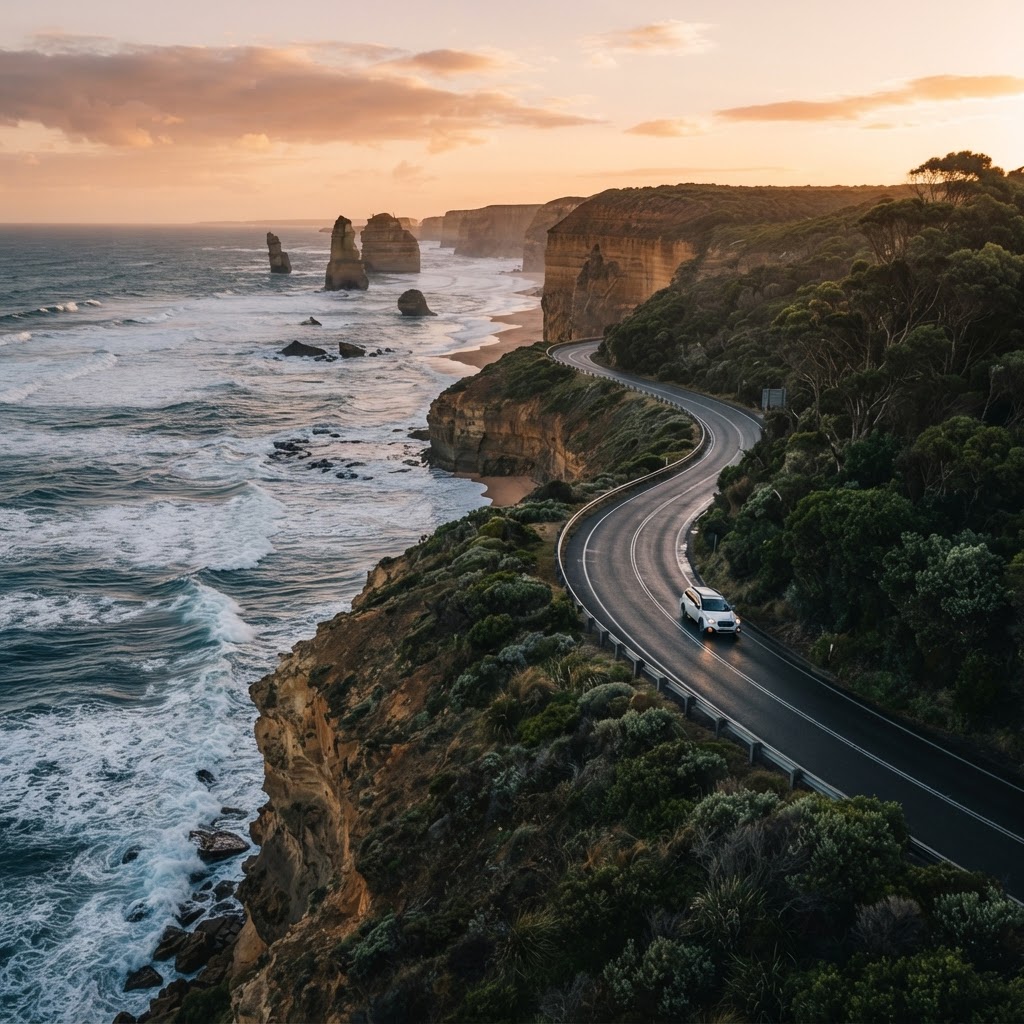
A windswept coastal drive from roaring surf breaks through temperate rainforest to limestone sea stacks
Plan & book
Sort your Great Ocean Road trip in one place.
We point you to the booking tools we'd actually use — live prices, no markup. Or let us build the day-by-day plan around you first, then book.
Stretching 243 kilometers from Torquay to Allansford along Victoria's southern edge, the Great Ocean Road is the world's largest war memorial and one of its most dramatic coastal corridors. Carved into sheer cliffs by returned WWI soldiers, it winds through world-class surf breaks, dense fern gullies, and towering eucalyptus forests before opening onto the wild Southern Ocean and the eroded sea stacks of Port Campbell National Park.
3 days
Best time
March to May (early to mid-autumn) for stable weather, lighter winds, and manageable coastal crowds.
Build your own trip with these prebuilt itineraries
Each one is a tested, day-by-day plan for Great Ocean Road — start here, then make it yours.
5 Days: The Ultimate Coastal & Shipwreck Coast Explorer in Great Ocean Road
A slow-paced exploration extending beyond the standard route to historic lighthouses, remote surf breaks, and Warrnambool
3 Days on the Classic Coastal Route in Great Ocean Road
First-time road trip taking in dramatic ocean cliffs, the Twelve Apostles at golden hour, and seaside towns
2 Days: Rainforests, Waterfalls & Wildlife in Great Ocean Road
An active nature escape focused on Otways temperate rainforest trails, wild koala spotting, and hidden waterfalls
Few coastal drives compress so much ecological variety into a single day: you shift from world-famous right-hand point breaks at Bells Beach to temperate rainforest waterfalls in Great Otway National Park and jagged limestone monoliths at Loch Ard Gorge. Sleeping along the route lets you walk the Apostles' boardwalks in soft dawn light before the Melbourne tour bus convoy rolls in.
Where to stay
Getting there
Getting around
Food & drink
What it costs
Things to do
Book tours & tickets in Great Ocean RoadSkip it if
Skip it if you dislike winding, cliffside roads prone to motion sickness, or if you cannot spare at least two days with an overnight stop; cramming it into a single rushed day trip is exhausting and diminishes the experience.
When to go
Summer brings maximum warmth but clogs the two-lane road with school holiday traffic and spikes lodging prices. Autumn delivers crisper mornings, clear skies, and calm coastal winds without the intense tourist congestion.
Peak (December to February)
Warm surf conditions and sun-drenched beaches, offset by heavy bumper-to-bumper holiday traffic and accommodations booked months out.
Shoulder (March to May & September to November)
Autumn provides settled weather and easier parking; spring brings flowing waterfalls in the Otways and blooming coastal heath, with moderate crowds.
Low (June to August)
Southern Ocean gales and frequent drizzle keep temperatures chilly, but empty lookouts and prime nursery whale watching at Logans Beach make it compelling for resilient drivers.
Neighborhoods
Where you stay shapes the trip. Here's how to think about it.
Torquay
Buzzing surf hub anchored by factory outlets and dawn patrols
Best for:surfers, gear shoppers, and starting an early coastal drive
Don't miss:Watching local heavyweights tackle the swells at Bells Beach
Lorne
Polished seaside holiday strip framed by blue gums and upscale cafes
Best for:families, relaxed dining, and boutique coastal stays
Don't miss:The forested walk up to Erskine Falls followed by pizza at The Bottle of Milk
Apollo Bay
Laid-back fishing village nestled against the Otway foothills
Best for:seafood lovers, multi-day road trippers needing a midpoint, and hikers
Don't miss:Grabbing a fresh crayfish roll directly from the Apollo Bay Fishermen's Co-Op
Port Campbell
Compact, cliff-ringed harbour town built purely around rugged coastal sightseeing
Best for:photographers, early risers, and limestone coast explorers
Don't miss:Beating the Melbourne day-tour coaches to the Twelve Apostles boardwalk at sunrise
Destination intelligence
Updated 9/14/2026The structured record we plan every Great Ocean Road itinerary from.
Walkability
Car-dependent between towns; compact, walkable streetscapes within individual towns like Lorne, Apollo Bay, and Port Campbell.
Transit quality
Poor. Limited V/Line regional bus service connects key settlements, but stops at viewpoints and trailheads are strictly designed for private vehicles.
Car needed
Yes. Essential for accessing national park trails, coastal lookouts, and moving at your own pace outside rigid group tour schedules.
Ideal duration
3 days
Minimum useful
2 days
Peak season
December to February (Australian summer). Expect warm beach weather, high lodging rates, and dense traffic around major towns.
Shoulder season
March to May (autumn) and September to November (spring). Milder conditions, vibrant autumn colors or spring wildflowers, and significantly lighter road congestion.
Low season
June to August (winter). Cold, blustery Southern Ocean winds and frequent rain, but ideal for whale watching off Warrnambool and empty cliffside lookouts.
Best for
Common mistakes
- Attempting the full route as a single 12-hour day trip from Melbourne, spending 9 hours behind the wheel and only minutes at viewpoints
- Driving the twisting coastal sections after dusk when wildlife—especially kangaroos and wallabies—frequently crosses the tarmac
- Arriving at the Twelve Apostles between 1:00 PM and 4:30 PM, when dozens of commercial tour buses arrive simultaneously
- Failing to pack cold-weather layers and windbreakers; the Southern Ocean generates fierce winds and sudden temperature drops year-round
- Staying glued exclusively to the coastal highway and missing the inland cool-temperate rainforests and waterfalls of the Otways
Best nearby
See what a trip to Australia actually costs. Travel Budget Co.
How to plan it
- Base yourself in Apollo Bay for night one to split the drive evenly and explore the Great Otway National Park without backtracking.
- Sleep in Port Campbell for night two so you can visit the Twelve Apostles and Loch Ard Gorge at sunrise before tour buses arrive from Melbourne at 11:00 AM.
- Return to Melbourne via the inland Princes Highway (A1) through Colac to cut 90 minutes off the return drive rather than repeating the slow coastal bends.
- Pack windproof layers and rain gear regardless of the season; Southern Ocean squalls can drop temperatures by 10°C in an hour.
- If prone to motion sickness, pack medication before tackling the tight switchbacks between Lorne and Apollo Bay.
Questions
More in Australia

Darwin & Kakadu
Australia
Ancient sandstone floodplains, saltie territory, and balmy tropical open-air nights.
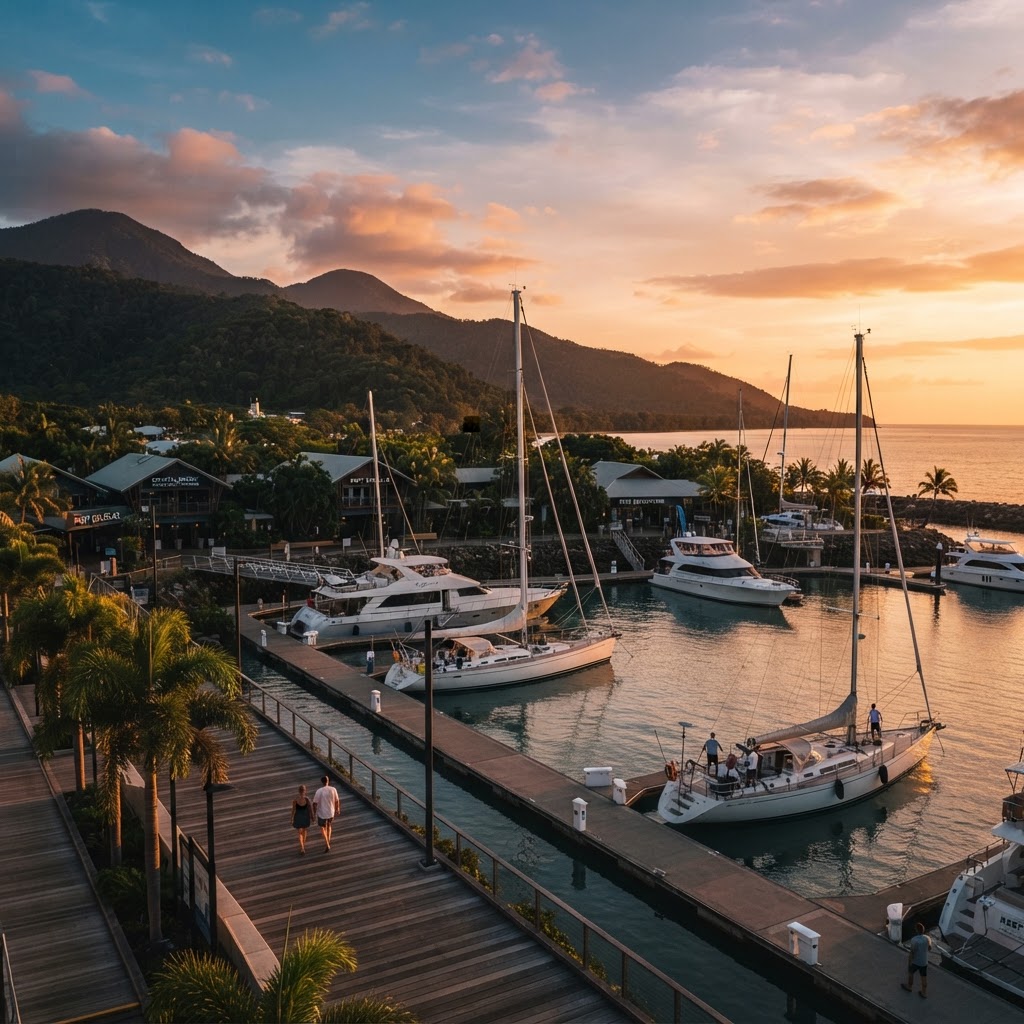
Port Douglas, Queensland
Australia
The sophisticated launchpad where the ancient Daintree meets the outer Great Barrier Reef.
Readymade itineraries
Start from a tested template — then make it yours.
Ready to book
Lock in your Great Ocean Road trip
Everything in one place. We may earn a small commission — it never costs you more.
Plan a trip to Great Ocean Road
Pick a length and we'll build a day-by-day plan around how you travel — neighborhoods clustered, budget-aware, and editable.
Get better at planning trips like this
Occasional notes on planning smarter — no spam, unsubscribe anytime.
Plan a trip to Great Ocean Road
Turn this guide into a day-by-day plan built around your pace, your group, and your budget.
Build my Great Ocean Road trip