United States
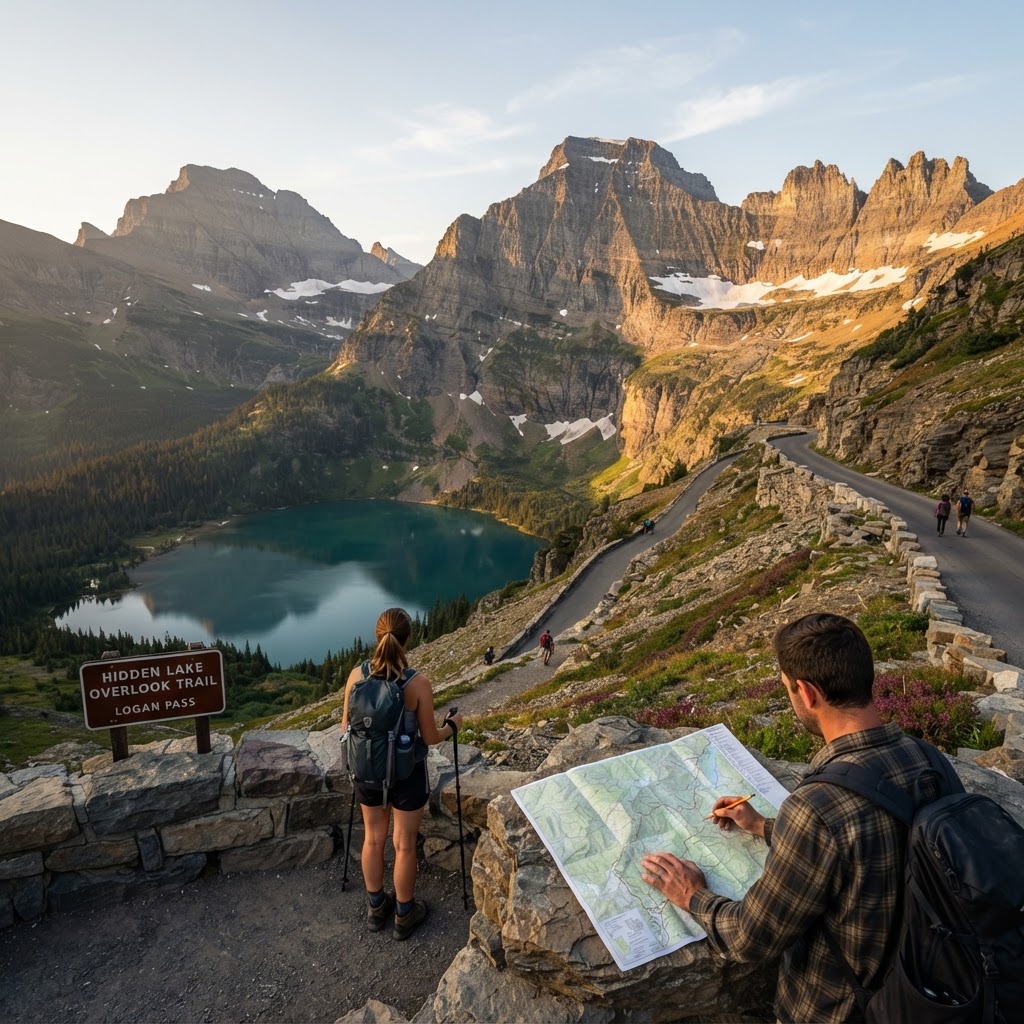
Glacier National Park, Montana
Raw alpine arêtes, turquoise glacial tarns, and high-stakes logistical planning.
Plan & book
Sort your Glacier National Park, Montana trip in one place.
We point you to the booking tools we'd actually use — live prices, no markup. Or let us build the day-by-day plan around you first, then book.
Glacier National Park is one of the most rugged, dramatic landscapes in North America, defined by glacial-carved cirques, ribbon waterfalls, and wildlife from mountain goats to grizzly bears. It is also an unforgiving park logistically: split down the middle by the Continental Divide, traversable across high passes only via the 50-mile Going-to-the-Sun Road, and restricted by tight vehicle reservation systems and a narrow summer operating window. To experience Glacier without friction, you must treat your itinerary as a split-base operation, balancing West Glacier's lush rainforest valleys with East Glacier's wild, windy alpine trails.
5 to 6 days
Best time
Mid-July to late August for fully opened high-altitude trails and road access.
Build your own trip with these prebuilt itineraries
Each one is a tested, day-by-day plan for Glacier National Park, Montana — start here, then make it yours.
5 Days in Glacier: The Classic East & West Divide in Glacier National Park
The definitive comprehensive loop split between West Glacier and Many Glacier, balancing epic alpine day hikes, boat tours, and grizzly country
6 Days in Glacier: Backcountry Treks & Remote Valleys in Glacier National Park
An avid hiker and wildlife focus covering rugged trails across Two Medicine, North Fork's Polebridge, and deep Many Glacier backcountry passes
3 Days in Glacier: The High Alpine Highlights in Glacier National Park
A high-efficiency route hitting Going-to-the-Sun Road icons, Logan Pass summits, and Lake McDonald for time-constrained road trippers
Glacier is unmatched in the lower 48 states for sheer vertical alpine drama accessible directly from maintained trails. Taking the Highline Trail across the Continental Divide or hiking past milky turquoise waters on the Grinnell Glacier Trail puts you face-to-face with active glaciers, mountain goats, and sheer 1,000-foot drops, all without requiring technical mountaineering skills.
Where to stay
Getting there
Getting around
Food & drink
What it costs
Skip it if
Skip Glacier if you cannot walk at least 3 to 5 miles on unpaved terrain; the park's world-class sights are locked behind trailheads, and experiencing it solely from a car window in stop-and-go summer traffic offers minimal reward for the high logistics hurdle.
When to go
Glacier's calendar is dictated entirely by snowmelt; Going-to-the-Sun Road and high mountain passes rarely open completely before late June or early July. Peak summer gives you full trail and shuttle accessibility, but requires navigating peak crowd density and midday trailhead closures.
Peak (July to August)
All roads, lodges, shuttles, and alpine trails are fully operating, but trailheads fill before 6:30 AM and lodgings require reserving 12 to 13 months ahead.
Shoulder (June & September)
June offers snow-free lower valley hiking and car-free cycling on Sun Road before vehicle opening; September features stunning fall color and sparse crowds, though snowstorms can arrive abruptly and park concessions close right after Labor Day.
Low (October to May)
Sub-zero conditions and heavy mountain snow close the Sun Road alpine section; services shut down, leaving only self-sufficient snowshoeing and ski touring near Apgar.
Neighborhoods
Where you stay shapes the trip. Here's how to think about it.
West Glacier & Apgar Village
Forested gateway hub with placid lakefront strolls and cedar-fringed valley amenities.
Best for:First-timers, families needing services, and early departures to Lake McDonald
Don't miss:Renting a kayak or paddleboard at Apgar Village at dusk when the colorful pebble shore of Lake McDonald turns glass-still.
Many Glacier
Rugged, windswept backcountry epicness with a Swiss-Alpine atmosphere and dense wildlife activity.
Best for:Serious alpine day hikers, wildlife photographers, and trail purists
Don't miss:The 11-mile round-trip trek to Grinnell Glacier, hiking past alpine lakes to touch the melting glacial ice sheet.
St. Mary & East Glacier
Prairie-meets-peak drama where Blackfeet country borders sheer, towering front-range peaks.
Best for:Hikers escaping west-side congestion, scenic drivers, and access to Two Medicine
Don't miss:The early morning stroll across Sun Point Nature Trail to Baring Falls, beating the Going-to-the-Sun Road traffic surge.
Two Medicine
Serene, remote glacial basin that preserves the quieter, pre-highway character of the park.
Best for:Crowd-weary travelers, canoeists, and waterfall trail seekers
Don't miss:Catching the historic wooden boat across Two Medicine Lake to hike the short trail out to Twin Falls.
Whitefish
Upscale mountain ski-town charm loaded with craft breweries, polished dining, and gear boutiques.
Best for:Travelers who want culinary variety, luxury stays, and creature comforts after mountain days
Don't miss:Grabbing post-hike local beers and wood-fired pies on Central Avenue, 45 minutes west of the park entrance.
Destination intelligence
Updated 9/14/2026The structured record we plan every Glacier National Park, Montana itinerary from.
Walkability
Low. Trailheads and valley nodes require long drives between distant mountain basins; walking is strictly for trail hiking.
Transit quality
Moderate. NPS runs a useful summer shuttle along Going-to-the-Sun Road, but peripheral valleys like Many Glacier and Two Medicine have no park transit.
Car needed
Yes. A rental car is critical for accessing trailheads across both sides of the Continental Divide and visiting Many Glacier or Two Medicine.
Ideal duration
5 to 6 days
Minimum useful
3 days
Peak season
July to August. All roads and alpine passes are reliably clear of snow, shuttle networks run full schedules, and high trails are open, but crowds and parking congestion are at their absolute maximum.
Shoulder season
Late May to late June (spring biking on car-free Sun Road; snow still closes high passes) and September to early October (fall foliage, crisp hiking weather, fewer crowds, but park services and lodges begin closing right after Labor Day).
Low season
November to April. Severe winter conditions close the vast majority of park roads; access is limited to snowshoeing and cross-country skiing around Apgar and Lake McDonald.
Best for
Common mistakes
- Booking all lodging on the west side (Whitefish/West Glacier), forcing 3+ hour round-trip drives through Logan Pass traffic just to hike Many Glacier trails.
- Showing up to Logan Pass trailhead parking after 7:00 AM during peak summer without an alternate shuttle plan.
- Forgetting bear spray or packing it inside your checked luggage (prohibited by TSA) instead of buying/renting it upon landing in Kalispell.
- Failing to monitor recreation.gov vehicle reservation release windows for Going-to-the-Sun Road, Many Glacier, and North Fork corridors.
- Assuming Going-to-the-Sun Road is fully open in early June; clearing alpine snow over Logan Pass frequently delays complete road opening until late June or early July.
Best nearby
How to plan it
- Split your stay: sleep in West Glacier or Columbia Falls for the first 2 nights, then move base to St. Mary or Many Glacier for 3 nights.
- Do not plan Many Glacier and Lake McDonald on the same day; the driving distance and mountain traffic will consume your hiking daylight.
- If hiking Highline Trail or Grinnell Glacier, arrive at the respective parking lots by 6:00 AM or rely on designated morning transit.
- Pair your visit with an afternoon in the Two Medicine valley when Going-to-the-Sun Road traffic peaks between 11:00 AM and 3:00 PM.
- Rent your bear spray at Glacier Park International Airport (FCA) or Kalispell so you do not waste time hunting for stock at park trading posts.
Questions
More in United States
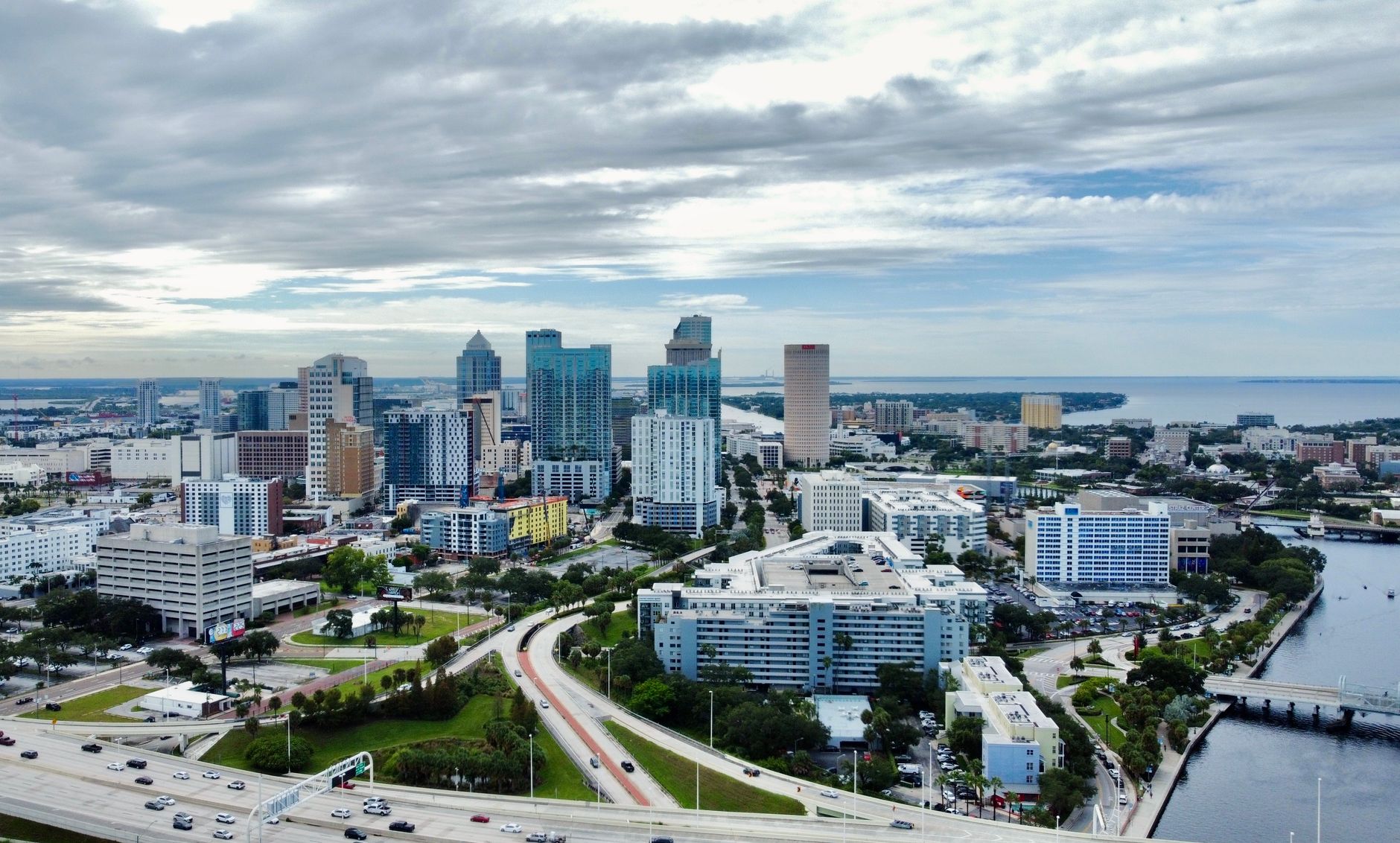
Tampa, Florida
United States
A historic cigar-making heritage wrapped in polished waterfront revivals and Gulf Coast culinary ambition.
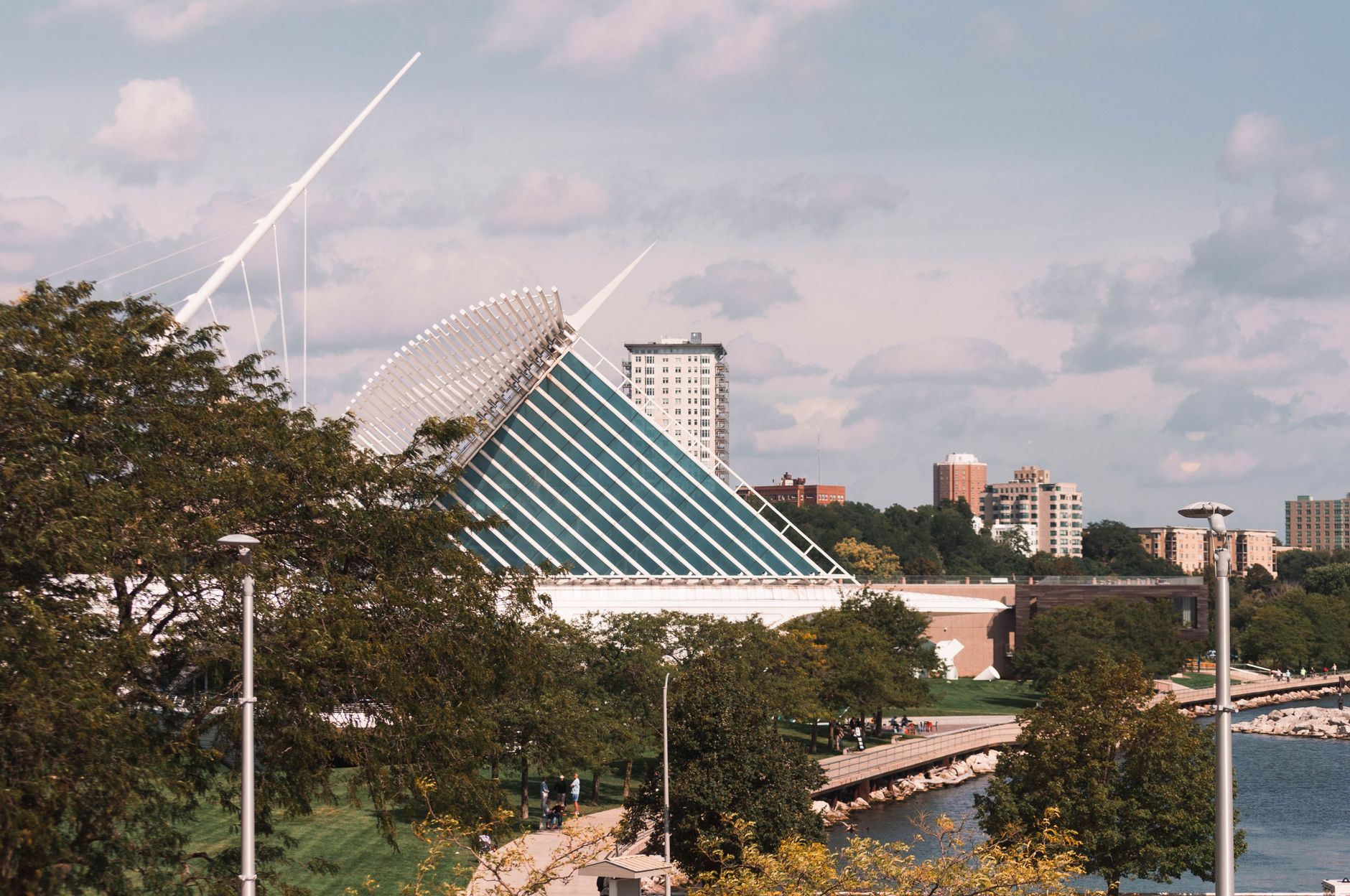
Milwaukee, Wisconsin
United States
Industrial lakeside cool anchored by serious culinary chops and effortless urban grit.
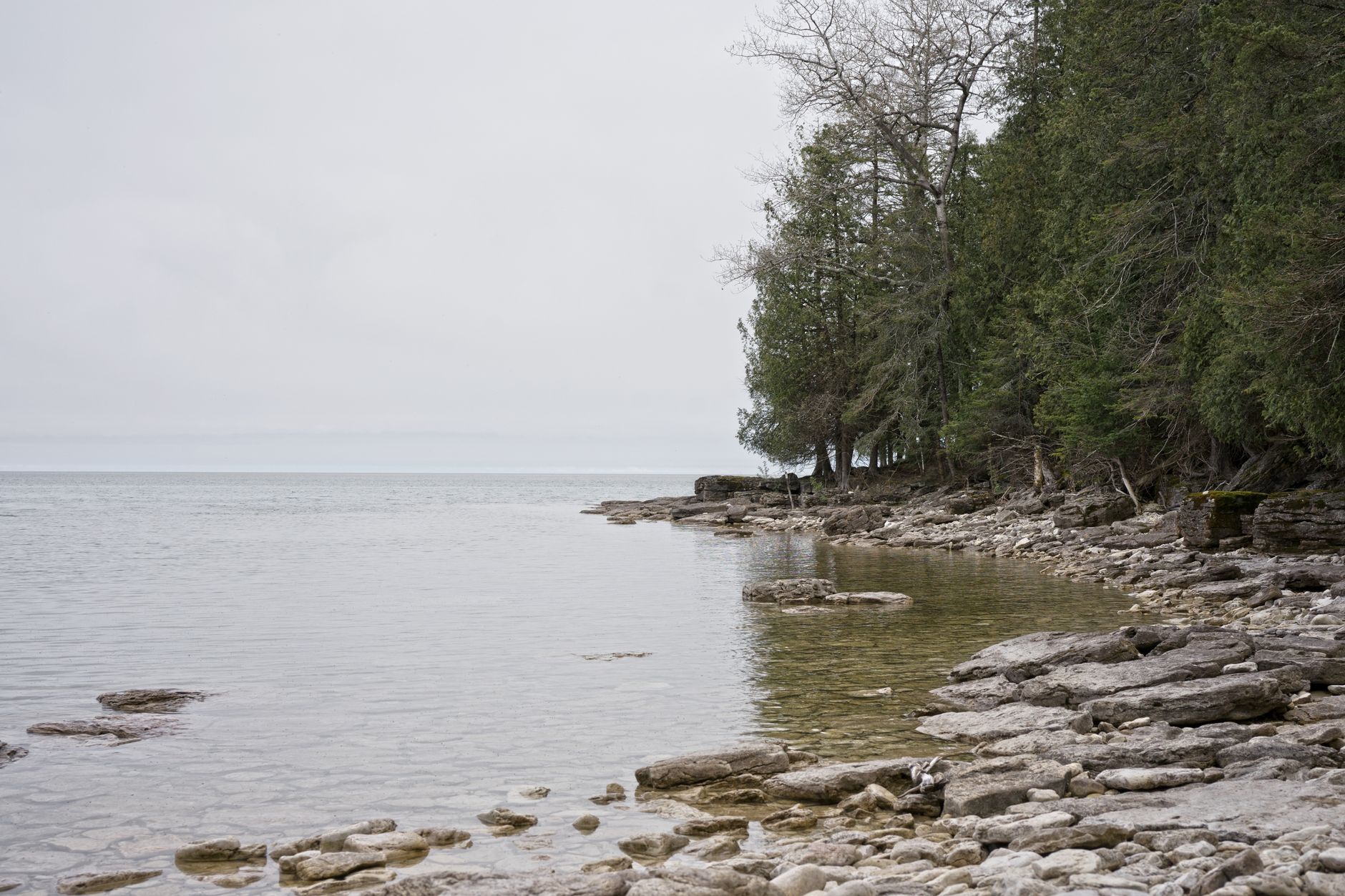
Door County, Wisconsin
United States
Limestone bluffs, heritage cherry orchards, and lakefront villages on Lake Michigan.

Traverse City, Michigan
United States
Freshwater bays, cool-climate vineyards, and windswept dunes anchored by a farm-driven culinary hub.
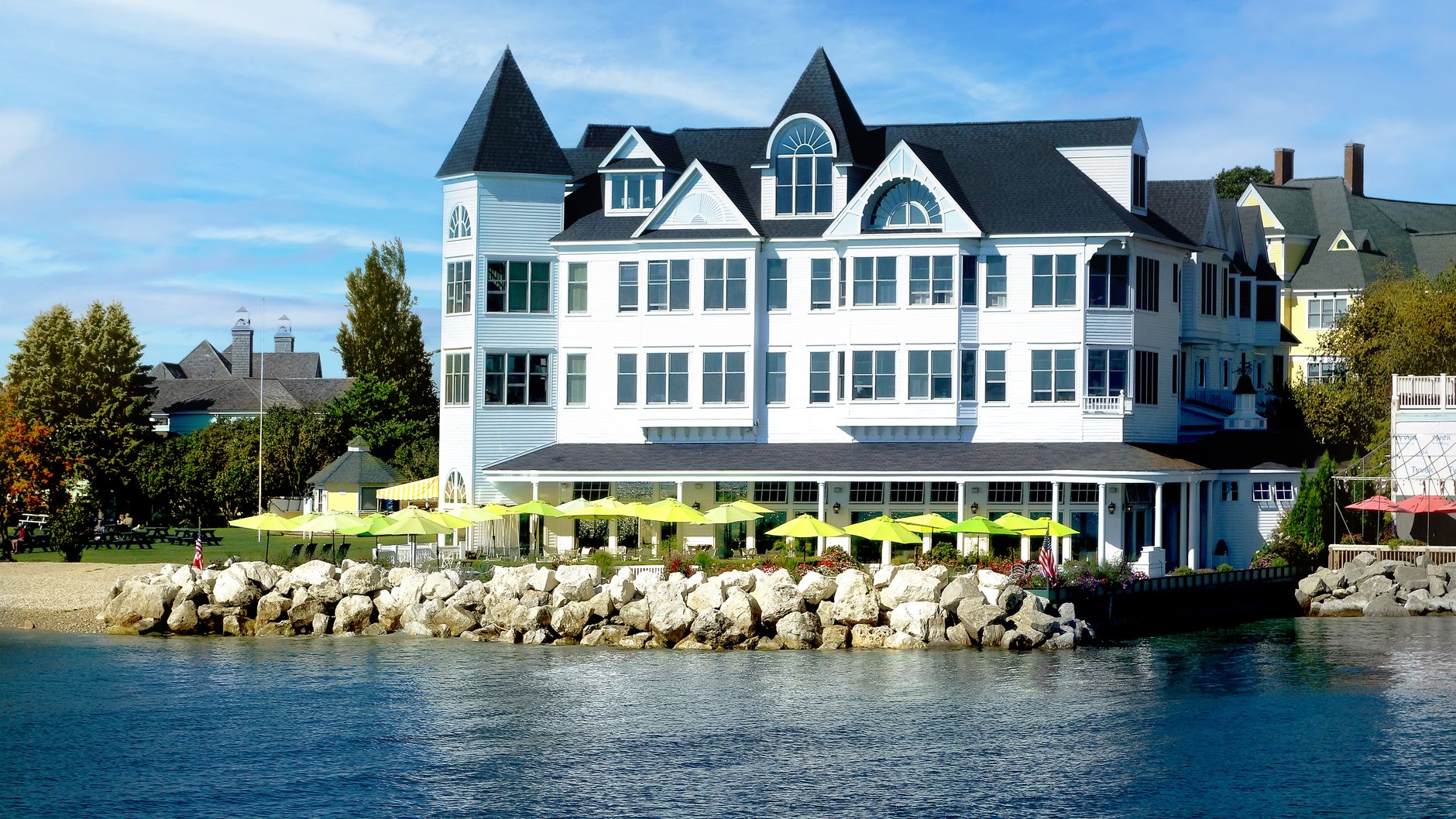
Mackinac Island, Michigan
United States
Car-free Victorian bluffs, freshwater coastlines, and horse-drawn transport

Baltimore, Maryland
United States
Industrial maritime roots, blue-collar grit, and distinct neighborhood enclaves.
Readymade itineraries
Start from a tested template — then make it yours.
Ready to book
Lock in your Glacier National Park, Montana trip
Everything in one place. We may earn a small commission — it never costs you more.
Plan a trip to Glacier National Park, Montana
Pick a length and we'll build a day-by-day plan around how you travel — neighborhoods clustered, budget-aware, and editable.
Get better at planning trips like this
Occasional notes on planning smarter — no spam, unsubscribe anytime.
Plan a trip to Glacier National Park, Montana
Turn this guide into a day-by-day plan built around your pace, your group, and your budget.
Build my Glacier National Park, Montana trip