
Albania
Gjirokastër, Albania
Fortified Ottoman stone towers, cold springs, and layered Balkan history perched over the Drino Valley.
Plan & book
Sort your Gjirokastër, Albania trip in one place.
We point you to the booking tools we'd actually use — live prices, no markup. Or let us build the day-by-day plan around you first, then book.
Gjirokastër rises sharply against the slopes of the Mali i Gjerë mountains, earned its designation as the 'City of Stone' through rows of slate-roofed, fortified kulla (tower houses) and limestone cobblestones polished smooth by centuries of foot traffic. Once an administrative Ottoman hub and later the birthplace of dictator Enver Hoxha and novelist Ismail Kadare, it provides an indispensable architectural and political anchor away from the packed beaches of the Albanian Riviera. This is not an open-air museum staged for day-trippers; it is a steep, functioning provincial town with family-run konaks, Cold War subterranean tunnels, and distinct regional cuisine.
2 nights
Build your own trip with these prebuilt itineraries
Each one is a tested, day-by-day plan for Gjirokastër, Albania — start here, then make it yours.
Southern Albania Mountain-to-Coast Circuit in Gjirokastër
Seamless road-trip linkage linking Gjirokastër, the Blue Eye spring, and Përmet thermal baths
Drino Valley Cultural Trail in Gjirokastër
Pairing Gjirokastër with Antigonea archaeological park and traditional stone village homestays
The Stone City Highlights in Gjirokastër
Historic fortress exploration, Ottoman kulla mansions, and bazaar craft immersion
Most tourists treat Gjirokastër as an exhausted three-hour afternoon detour from Sarandë, missing the quiet magic when tour buses depart and lantern light bounces off the limestone lanes. You come here to sleep inside massive multi-story Ottoman fortified houses with hand-carved rosette ceilings, climb one of the largest fortresses in the Balkans, trace Albania's Cold War paranoia inside real bunker complexes, and experience South Albanian hospitality over mountain tea and qifqi.
Where to stay
Getting there
Getting around
Food & drink
What it costs
Things to do
Book tours & tickets in Gjirokastër, AlbaniaSkip it if
Travelers with mobility impairments, knee issues, or those requiring wheelchair access—the Old Town is a non-stop gauntlet of steep, uneven cobblestone staircases and ramps. Also, nightlife-seekers expecting coastal beach clubs will find Gjirokastër quiet after 10 PM.
Destination intelligence
Updated 9/13/2026The structured record we plan every Gjirokastër, Albania itinerary from.
Walkability
Low for casual mobility; high for able-bodied hikers. The historic center requires constant uphill walking on polished cobblestone inclines.
Transit quality
Basic. Regular intercity furgons and buses run along the SH4 national road; intra-city transport is limited to local street taxis.
Car needed
Not required to explore the town, but highly recommended for day excursions to Përmet, Antigonea, or the thermal springs.
Ideal duration
2 nights
Minimum useful
1 night (overnight is essential to experience the town without tour buses)
Peak season
July to August (Intense midday heat often topping 36°C / 97°F, accompanied by Riviera day-trip tour groups).
Shoulder season
May to June and September to October (Warm, comfortable hiking temperatures, crisp mountain air, and ideal daylight).
Low season
November to March (Cool, damp, occasional mountain snowfall; quiet streets with some seasonal cafes and shops closed).
Best for
Common mistakes
- Treating Gjirokastër as a 3-hour midday stopover between Sarandë and Tirana, enduring midday heat and missing the evening Old Bazaar atmosphere.
- Driving a rental car deep into the narrow upper alleys of Palorto or Dunavat without confirming parking logistics with your host, often ending in scratched rims or impassable stone switchbacks.
- Wearing smooth-soled sandals or leather shoes; the local kalldrëm cobblestone is treacherous even when dry.
- Staying in the lower modern town to save a few euros, resulting in exhausting vertical treks every time you want to sightsee or dine.
- Failing to carry Albanian Lek (ALL) in cash; many small kulla guesthouses and family tavernas do not accept credit cards.
Best nearby
More in Albania
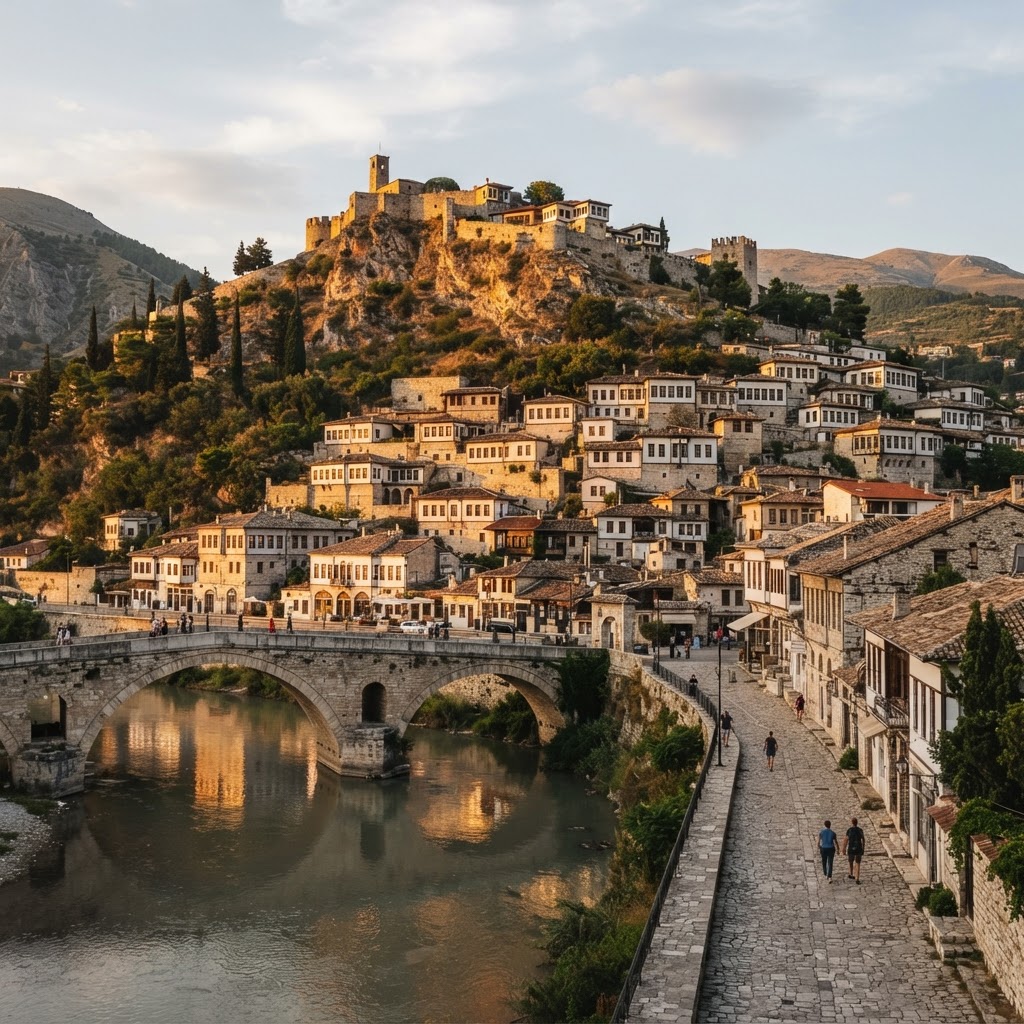
Berat
Albania
Ottoman stone mansions stacked beneath a living, inhabited fortress
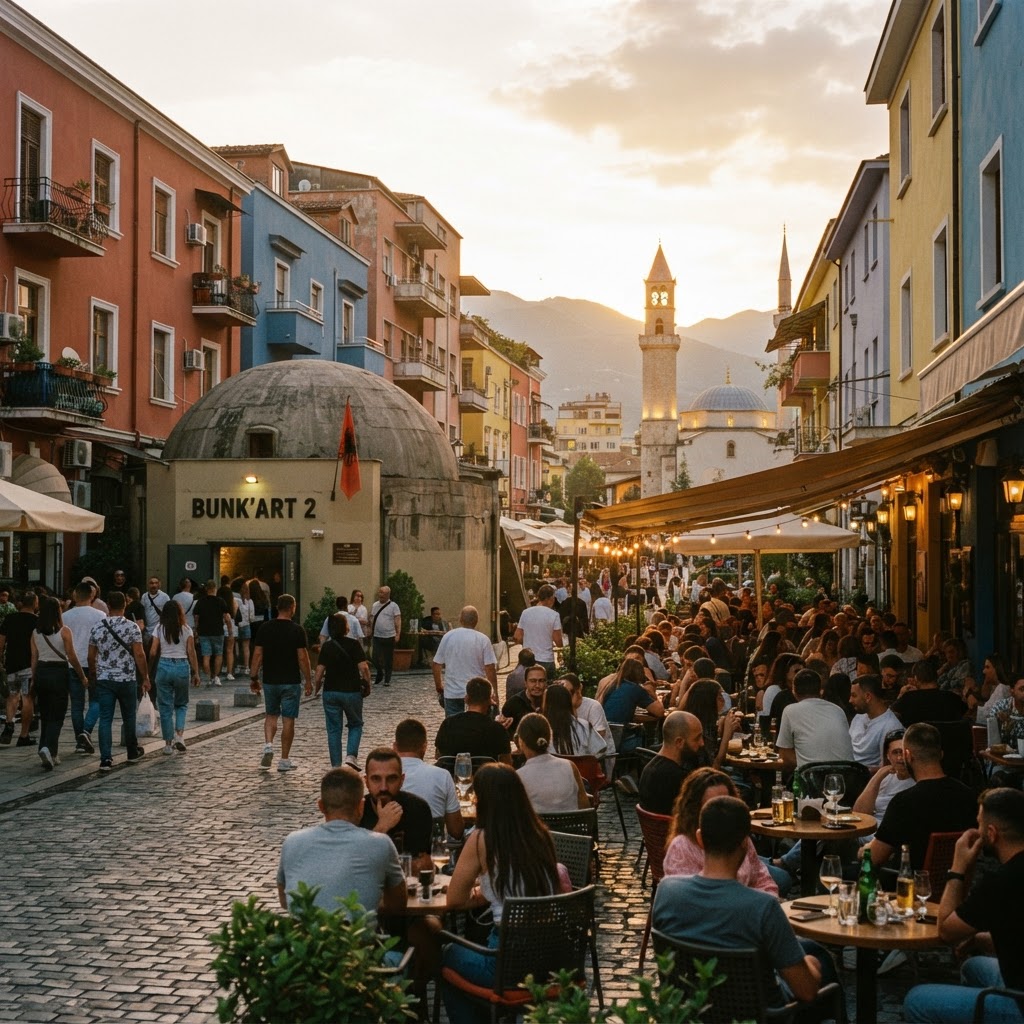
Tirana, Albania
Albania
Post-communist reinvention meets vibrant café culture and bunker museums
Readymade itineraries
Start from a tested template — then make it yours.
Ready to book
Lock in your Gjirokastër, Albania trip
Everything in one place. We may earn a small commission — it never costs you more.
Plan a trip to Gjirokastër, Albania
Pick a length and we'll build a day-by-day plan around how you travel — neighborhoods clustered, budget-aware, and editable.
Get better at planning trips like this
Occasional notes on planning smarter — no spam, unsubscribe anytime.
Plan a trip to Gjirokastër, Albania
Turn this guide into a day-by-day plan built around your pace, your group, and your budget.
Build my Gjirokastër, Albania trip