
United States
Florida Keys, United States
A highway strung across 100 miles of turquoise reef, mangrove backcountry, and Conch Republic grit.
Plan & book
Sort your Florida Keys, United States trip in one place.
We point you to the booking tools we'd actually use — live prices, no markup. Or let us build the day-by-day plan around you first, then book.
The Florida Keys are not a monolithic beach escape; they are an exposed 113-mile coral archipelago linked by the Overseas Highway (US-1). Stretches of coral reef, fishing marinas, mangrove channels, and distinct island cultures replace the broad, powder-sand coastlines common on mainland Florida. From diving wrecks in Key Largo to backcountry tarpon casting in Islamorada and late-night porch bars in Key West, the chain rewards travelers who get out on the water rather than those expecting classic oceanfront resort lounging.
6 to 7 days
Best time
March to May is the sweet spot: dry skies, manageable humidity, warm water, and thinned winter crowds.
Build your own trip with these prebuilt itineraries
Each one is a tested, day-by-day plan for Florida Keys, United States — start here, then make it yours.
5-Day Marine Wildlife & Reef Adventure in Florida Keys
An active water-based journey focused on the Upper and Middle Keys, emphasizing diving Pennekamp, backcountry kayak trails, and marine conservation.
7-Day Classic Overseas Highway Road Trip in Florida Keys
The quintessential end-to-end drive from Key Largo to Key West, balancing reef snorkeling, state parks, and historic Old Town culture.
4-Day Key West Walkable Getaway in Florida Keys
A car-free island escape centered on Old Town history, sunset sails, cycling, and literary heritage without highway driving.
Go for genuine marine access and salt-crusted eccentricity. This is the third-largest living barrier reef in the world, flanked by backcountry flats ideal for sight-fishing and kayaking. Driving US-1 across the Seven Mile Bridge delivers one of America's iconic road-trip landscapes, concluding in Key West's preserved 19th-century wooden architecture, literary shrines, and unvarnished bar culture.
Where to stay
Getting there
Getting around
Food & drink
What it costs
Skip it if
Skip the Keys if you want endless white sand beaches for walking directly into breaking surf (choose Naples, Sarasota, or St. Petersburg instead), or if you refuse to get on a boat, as the region's best assets lie entirely on or under the water.
When to go
December to February delivers the lowest humidity and crispiest skies, but brings surging room rates and thick Overseas Highway traffic. March through May retains clear conditions for boating and snorkeling while hotel prices ease after winter break.
Peak (December to April)
Expect top-tier rates, packed dive charters, and bumper-to-bumper traffic on two-lane sections of US-1; water clarity is exceptional.
Shoulder (May and November)
May brings warmer water and lighter crowds before summer squalls begin; November offers great rates right as hurricane season peters out.
Low (June to October)
Daily tropical heat, brutal humidity, and afternoon downpours paired with Atlantic hurricane exposure; reef charters regularly get scrubbed by swell.
Neighborhoods
Where you stay shapes the trip. Here's how to think about it.
Key Largo
Mangrove waterways, retro roadside dive shops, and functional marine-service docks.
Best for:Scuba divers, reef snorkelers, and weekenders driving down from Miami
Don't miss:Diving the reef spurs or paddling kayaks through the mangrove runs at John Pennekamp Coral Reef State Park.
Islamorada
Upscale sportfishing docks, open-air sandbar cocktail shacks, and sun-bleached marina culture.
Best for:Backcountry anglers, luxury resort guests, and boat charter day-trippers
Don't miss:Feeding migrating tarpon off the docks at Robbie's Marina before catching dinner at Morada Bay.
Marathon
Unpretentious, working-class boating hub anchored by family motels and commercial boatyards.
Best for:Families, multi-generational road-trippers, and cost-conscious boaters
Don't miss:Visiting the rescued loggerheads and green sea turtles at the educational Turtle Hospital.
Lower Keys & Big Pine Key
Quiet pine flatwoods, wide mangrove channels, and unmanicured coastal nature.
Best for:Campers, kayakers, and nature enthusiasts seeking escape from highway commerce
Don't miss:Driving slowly through the National Key Deer Refuge to spot dog-sized Key deer foraging near the roadside.
Old Town Key West
Conch architecture, rooster-crowed residential lanes, literary legends, and open-air bar crawling.
Best for:Walkability, historical touring, vibrant nightlife, and food-focused travelers
Don't miss:Touring the Ernest Hemingway Home and Museum on Whitehead Street before wandering the quiet residential blocks of Bahama Village.
Destination intelligence
Updated 9/14/2026The structured record we plan every Florida Keys, United States itinerary from.
Walkability
Low overall along the 113-mile chain, except for Old Town Key West which is intensely walkable and best traversed on foot or bicycle.
Transit quality
Poor. The Monroe County Transit and Miami-Key West shuttle buses exist along US-1, but schedules are sparse and not practical for spontaneous sightseeing.
Car needed
Yes, required for the Overseas Highway and exploring the Middle/Upper Keys; redundant and burdensome inside Key West.
Ideal duration
6 to 7 days
Minimum useful
4 days
Peak season
December to April (warm, dry, low humidity, calm water conditions, accompanied by peak accommodation rates and dense traffic).
Shoulder season
May and November (manageable crowds, reasonable water temperatures, lower room rates, though humidity begins rising in May).
Low season
June to October (hot, humid, daily afternoon rainstorms, and Atlantic hurricane season vulnerability).
Best for
Common mistakes
- Expecting vast, sweeping natural sandy beaches; the Keys are fossilized coral rock surrounded by shallow flats, with Bahia Honda being one of the few natural sandy exceptions.
- Attempting a Miami-to-Key-West day trip; driving 8 hours round-trip on a single-lane highway wastes a full day inside a car.
- Ignoring the US-1 weekend bottlenecks, particularly Friday afternoons southbound and Sunday afternoons northbound around Florida City and Islamorada.
- Staying outside Old Town Key West with a car, requiring nightly hunting for nonexistent street parking near Duval Street.
Best nearby
How to plan it
- Stay in Old Town if you want walkability; outside of Key West, staying anywhere in the Keys requires driving to access dining and marinas.
- Pair Key Largo diving with an Islamorada flats-fishing charter over 3 days before moving your base south for the remainder of the week.
- Don't try to drive the full length of US-1 from Miami to Key West in a single push—budget afternoon stops at Bahia Honda State Park and Robbie's Marina.
- Book the Yankee Freedom ferry out of Key West to Dry Tortugas National Park at least 6 months ahead; day-of tickets are virtually nonexistent.
- Leave your rental car parked at your hotel once you hit Key West and rent single-speed cruiser bikes to navigate Old Town's narrow lanes.
Questions
More in United States

Tampa, Florida
United States
A historic cigar-making heritage wrapped in polished waterfront revivals and Gulf Coast culinary ambition.
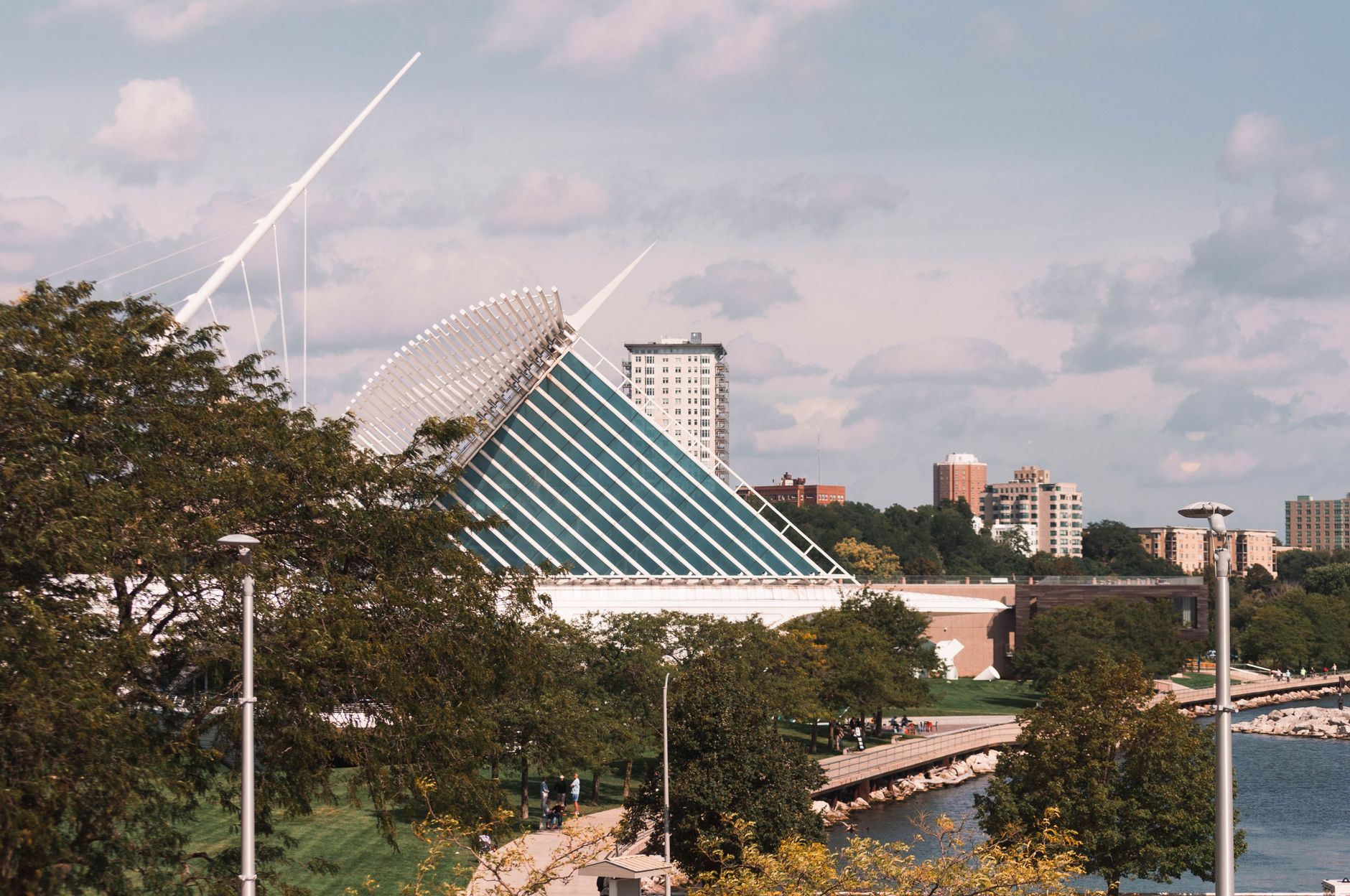
Milwaukee, Wisconsin
United States
Industrial lakeside cool anchored by serious culinary chops and effortless urban grit.
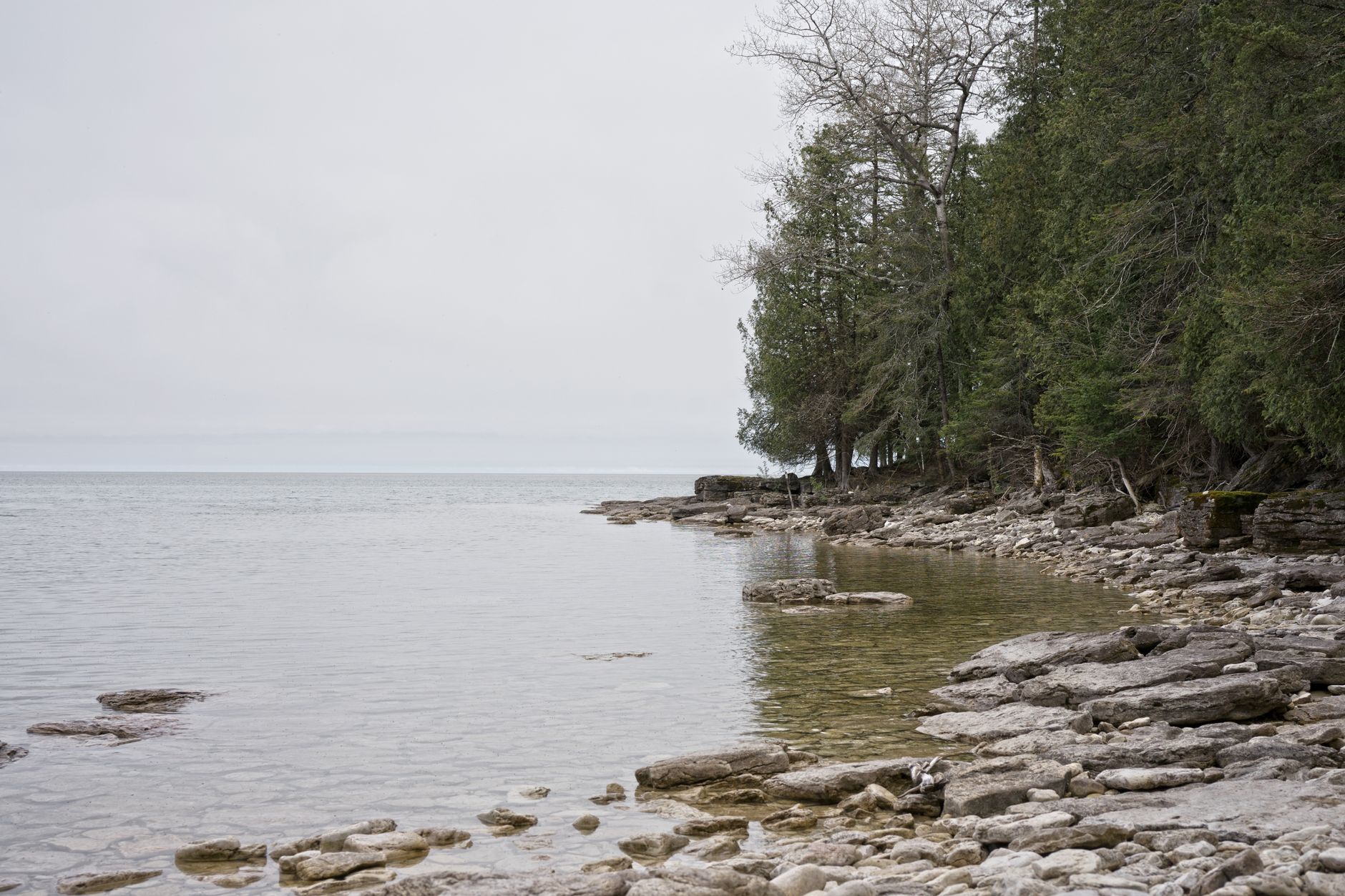
Door County, Wisconsin
United States
Limestone bluffs, heritage cherry orchards, and lakefront villages on Lake Michigan.

Traverse City, Michigan
United States
Freshwater bays, cool-climate vineyards, and windswept dunes anchored by a farm-driven culinary hub.
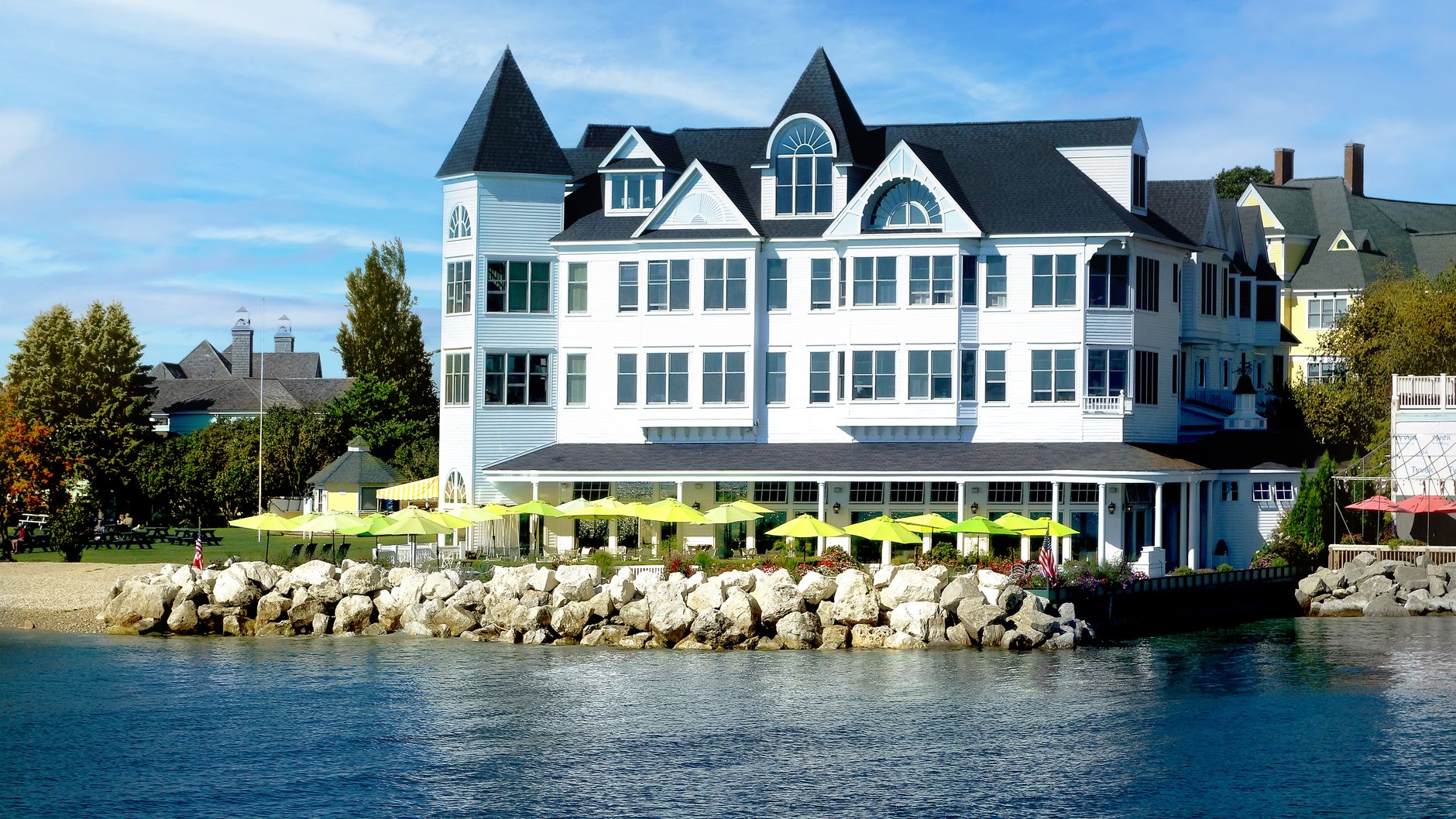
Mackinac Island, Michigan
United States
Car-free Victorian bluffs, freshwater coastlines, and horse-drawn transport

Baltimore, Maryland
United States
Industrial maritime roots, blue-collar grit, and distinct neighborhood enclaves.
Readymade itineraries
Start from a tested template — then make it yours.
Ready to book
Lock in your Florida Keys, United States trip
Everything in one place. We may earn a small commission — it never costs you more.
Plan a trip to Florida Keys, United States
Pick a length and we'll build a day-by-day plan around how you travel — neighborhoods clustered, budget-aware, and editable.
Get better at planning trips like this
Occasional notes on planning smarter — no spam, unsubscribe anytime.
Plan a trip to Florida Keys, United States
Turn this guide into a day-by-day plan built around your pace, your group, and your budget.
Build my Florida Keys, United States trip