Argentina
El Calafate
The front-row amphitheater to southern Patagonia's active glacial shelf
Plan & book
Sort your El Calafate trip in one place.
We point you to the booking tools we'd actually use — live prices, no markup. Or let us build the day-by-day plan around you first, then book.
El Calafate exists largely to serve Glaciar Perito Moreno, but treating it purely as a staging base sells short one of the world's few advancing ice fields. Positioned on the windy southern shores of Lago Argentino, this frontier town pairs comfortable mountain lodges and slow-roasted cordero al palo with immediate access to Los Glaciares National Park. It is purpose-built, accessible, and the easiest entry point into high-latitude Patagonian wilderness without sacrificing running water or reliable heating.
3 days
Best time
November to mid-December and March through early April provide the sweet spot.
Build your own trip with these prebuilt itineraries
Each one is a tested, day-by-day plan for El Calafate — start here, then make it yours.
5 Days Glacier Country & Remote Lake Navigation in El Calafate
Deep dive into Los Glaciares including Upsala, Spegazzini, and Lake Argentino boat expeditions
3 Days of Ice Trekking & Patagonian Estancias in El Calafate
Active glacier mini-trekking combined with traditional estancia culture and steppe wildlife
2 Days of Classic Glaciers & Town Walk in El Calafate
Essential Perito Moreno catwalks and ice navigation tailored for short-stay travelers
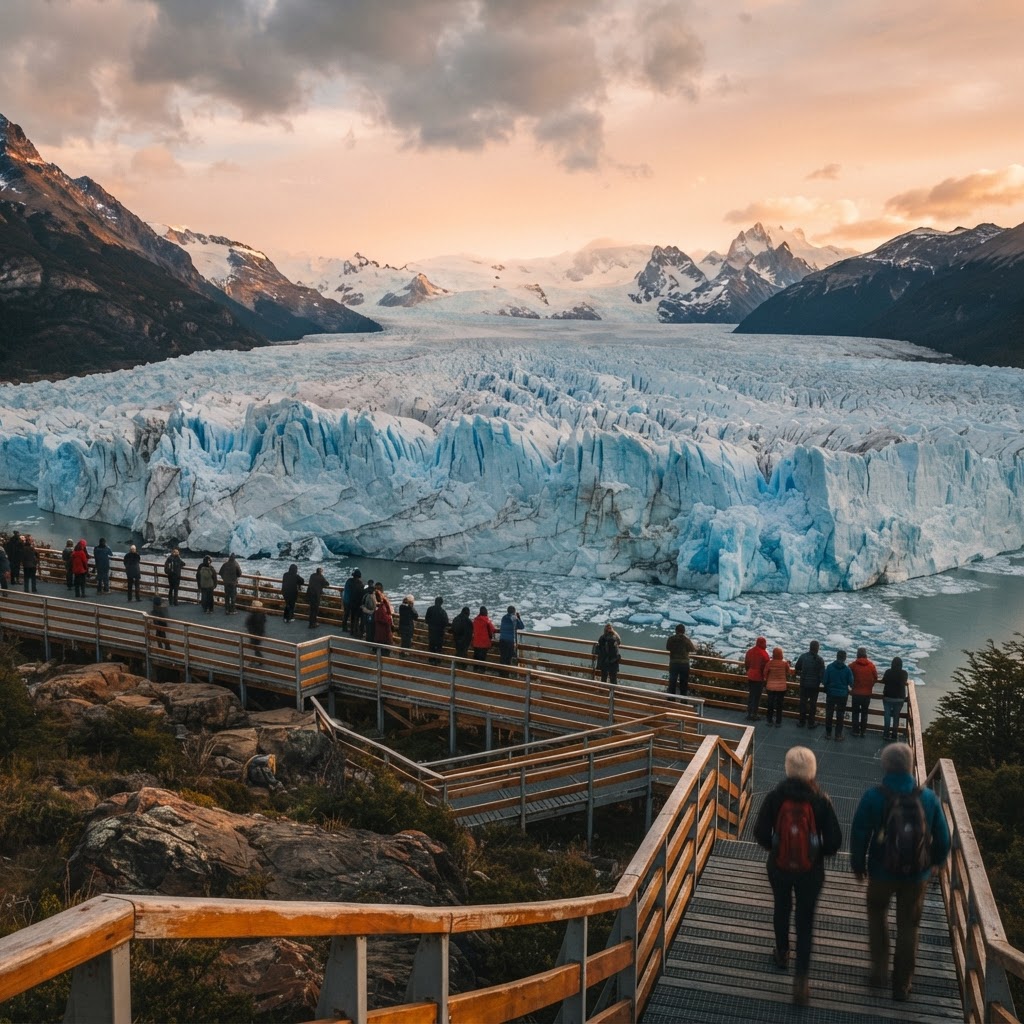
Perito Moreno is one of the only glaciers on Earth that you can stand within shouting distance of without a technical mountaineering expedition. Watching five-story blue seracs fracture and plunge into Lago Argentino with the sound of artillery fire from the steel footbridges is an experience no photograph prepares you for. Paired with boat navigations to the remote Spegazzini and Upsala glaciers, El Calafate delivers monumental glacial drama with zero wilderness suffering.
Where to stay
Getting there
Getting around
Food & drink
What it costs
Things to do
Book tours & tickets in El CalafateSkip it if
Skip El Calafate if your sole Patagonia objective is quiet alpine hiking from your doorstep—go straight to El Chaltén instead. Skip it also if you dislike wind, coach transfers, or tourist-oriented town hubs.
When to go
Peak summer brings long daylight but relentless winds, scarce tour slots, and packed catwalks. Late spring and early autumn deliver crisp, manageable weather, golden lenga foliage, and breathing room on the glacier excursions.
Peak (December–February)
Daytime temperatures hit 18°C–20°C and daylight lasts past 10:30 PM, but ice treks and town accommodations sell out months ahead; expect heavy winds and busy park shuttles.
Shoulder (October–November & March–April)
Crisp weather, dropping winds, lower lodge rates, and vibrant copper autumn foliage across Los Glaciares in April; excellent for self-paced photography.
Low (May–September)
Sub-zero temperatures, icy steppe roads, and drastically reduced flight frequencies; many high-end lodges, lake navigations, and minitrekking operators shut down entirely.
Neighborhoods
Where you stay shapes the trip. Here's how to think about it.
Centro & Avenida del Libertador
Bustling, compact frontier thoroughfare packed with gear shops, parrillas, and tour agency fronts.
Best for:First-timers, short stays, and travelers without a rental car wanting dinner steps away.
Don't miss:Picking up calafate berry chocolates at Dulce Lugar or browsing the artisanal woodcraft stalls at the Paseo de los Artesanos.
Costanera & Lago Argentino
Spacious, tranquil lakeshore strip framed by sweeping pale-blue waters and howling Patagonian winds.
Best for:Couples, photographers, and luxury travelers prioritizing wide views and quiet over downtown buzz.
Don't miss:Walking along Laguna Nimez at dusk to watch Chilean flamingos forage against the backdrop of Lago Argentino.
Altos de Calafate (The Hillsides)
Elevated residential ridge featuring modern boutique design hotels and vast panoramic vistas of the steppe.
Best for:Design lovers and travelers with rental cars or generous taxi budgets seeking complete evening quiet.
Don't miss:Sunset drinks looking down over the Brazo Rico basin from the terrace of Design Suites or Alto Calafate.
Outskirts & Estancia Belt
Quiet, windswept rural transition zone where gravel roads give way to wild steppe and working ranches.
Best for:Ranch culture enthusiasts, slow travelers, and families wanting open landscape without full isolation.
Don't miss:A traditional shearing demonstration and gaucho-style dinner at historic ranches like Estancia 25 de Mayo or Kau Yatún.
Destination intelligence
Updated 9/14/2026The structured record we plan every El Calafate itinerary from.
Walkability
High within the town center along Avenida del Libertador; zero between town and the national park excursions.
Transit quality
Limited. There is no urban public bus network; transit relies on long-distance coaches, pre-booked minibuses, and private remises.
Car needed
Optional. Useful if continuing north to El Chaltén or exploring remote estancias, but unnecessary if booking standard glacier excursions.
Ideal duration
3 days
Minimum useful
2 days
Peak season
December through February: Warmest daytime temperatures (15°C–20°C), longest daylight hours, maximum tour availability, and peak crowds.
Shoulder season
October to November and March to April: Fewer crowds, vivid autumn lenga foliage in April, strong winds, and easier hotel bookings.
Low season
May through September: Freezing temperatures, shorter days, reduced flight frequencies, and many seasonal lodges and boat operations close.
Best for
Common mistakes
- Trying to do El Chaltén as a rushed single-day trip rather than spending two dedicated nights there for hiking
- Failing to reserve Perito Moreno ice trekking weeks ahead during peak summer months, when permits strictly cap daily foot traffic
- Relying solely on credit cards; small shops and tipping require cash pesos, and local ATMs often empty out or charge high extraction fees
- Packing only lightweight summer clothing; Patagonian steppe wind is relentless year-round and drops ambient temperatures instantly
Best nearby
See what a trip to Argentina actually costs. Travel Budget Co.
How to plan it
- Stay within 4 blocks of Avenida del Libertador if you want to walk to dinner and bakeries after 9-hour excursion days without relying on hotel shuttles or remises.
- Book the Hielo y Aventura Minitrekking or Big Ice permit first before locking down non-refundable lodge nights, as ice-walking permits dictate trip timing.
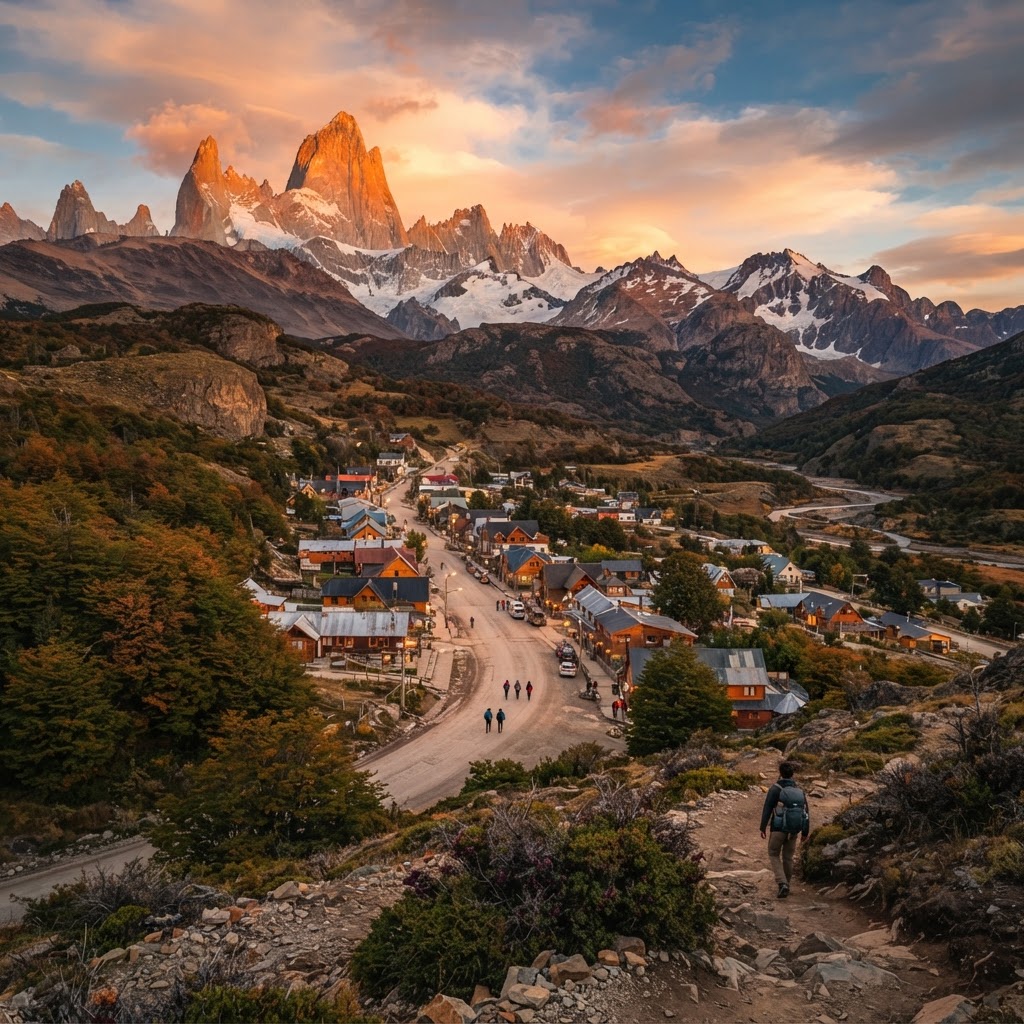
- Pair El Calafate with 3–4 nights in El Chaltén via the 3-hour daily bus, but do not attempt El Chaltén as a rushed single-day tour if you want to hike Laguna de los Tres.
- Do not visit the Perito Moreno boardwalks during the mid-day bus rush (11:00 AM to 2:00 PM); opt for early morning departures or afternoon tours to watch glacier calving in quieter light.
- Carry a physical credit card and crisp cash in Argentine Pesos or USD; several remote park ticket booths and smaller remise services experience erratic cell connectivity.
Questions
More in Argentina
Readymade itineraries
Start from a tested template — then make it yours.
Ready to book
Lock in your El Calafate trip
Everything in one place. We may earn a small commission — it never costs you more.
Plan a trip to El Calafate
Pick a length and we'll build a day-by-day plan around how you travel — neighborhoods clustered, budget-aware, and editable.
Get better at planning trips like this
Occasional notes on planning smarter — no spam, unsubscribe anytime.
Plan a trip to El Calafate
Turn this guide into a day-by-day plan built around your pace, your group, and your budget.
Build my El Calafate trip