Hungary
Eger
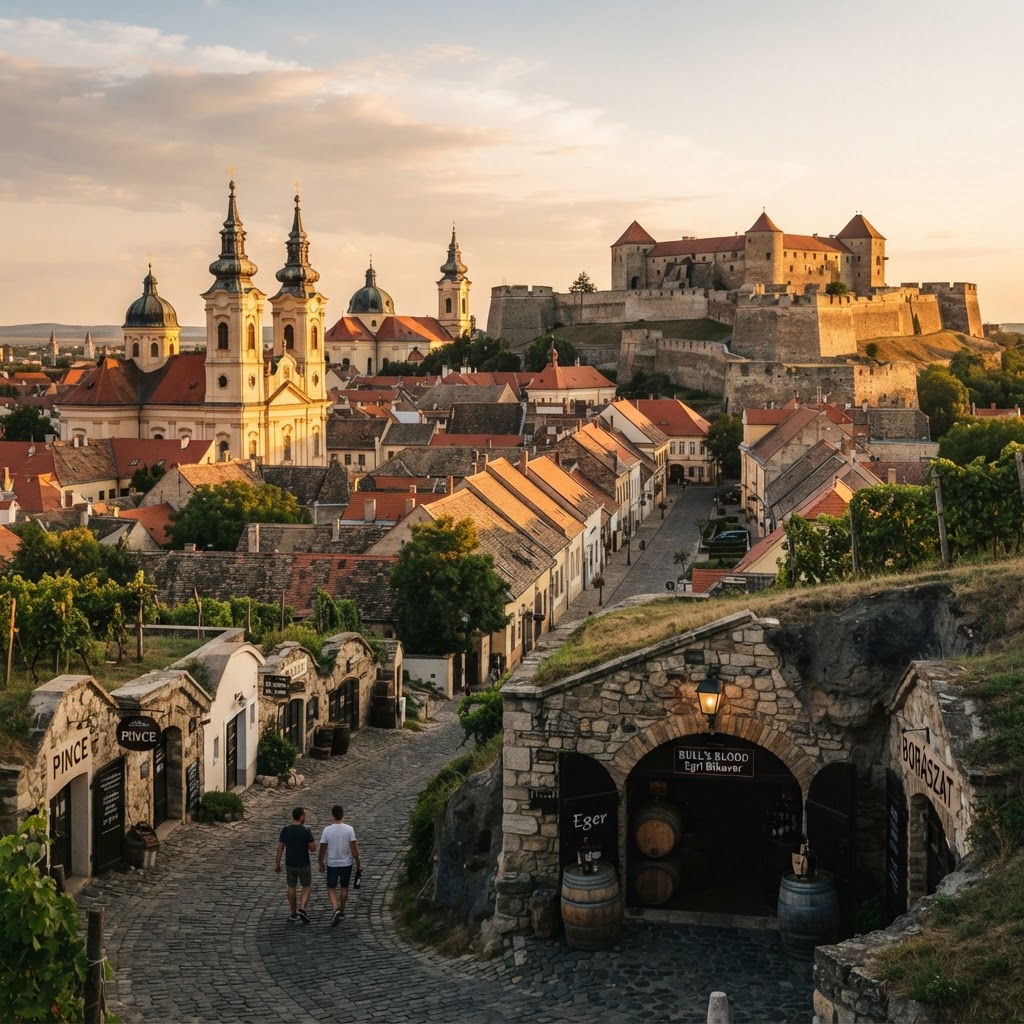
Baroque spires, fortress ramparts, and volcanic cellars carved for Bull's Blood.
Plan & book
Sort your Eger trip in one place.
We point you to the booking tools we'd actually use — live prices, no markup. Or let us build the day-by-day plan around you first, then book.
Set against the southern foothills of the Bükk Mountains, Eger is Hungary’s premier wine town and a pivotal frontier of Ottoman history. Famous for its 1552 fortress defense and the robust red blend Egri Bikavér (Bull's Blood), the city pairs rich 18th-century Baroque architecture with accessible subterranean wine cellars and mineral-rich thermal baths.
2 to 3 days
Best time
September to mid-October for crisp vineyard foliage and lively harvest tastings.
Build your own trip with these prebuilt itineraries
Each one is a tested, day-by-day plan for Eger — start here, then make it yours.
3 Days in Eger: Historic Fortress & Bükk Highlands Trails in Eger
An active pairing of city culture with day hiking and scenic routes into the nearby Bükk National Park
3 Days in Eger: Slow Thermal Baths & Bull's Blood Terroir in Eger
A relaxed pace centered on traditional Turkish baths, premium contemporary winemakers, and local gastronomy
2 Days in Eger: Wine Cellars & Ottoman Siege History in Eger
First-timer highlights focusing on the 1552 fortress defense, baroque center, and evening tastings in the Valley of the Beautiful Women
Eger delivers an authentic immersion into Hungarian history and viticulture without demanding a rental car. You can inspect intact Ottoman architecture, wander fortress bastions overlooking terracotta roofs, soak in centuries-old thermal springs, and walk straight into cave-hewn wine cellars in the Szépasszonyvölgy (Valley of the Beautiful Woman) all in a single weekend.
Where to stay
Getting there
Getting around
Food & drink
What it costs
Things to do
Book tours & tickets in EgerSkip it if
Travelers with severe mobility challenges who cannot manage steep cobblestone inclines and rugged cellar steps, teetotalers with no interest in military history, and travelers with fewer than 3 total days in Hungary who ought to remain concentrated in Budapest.
When to go
Summer brings peak heat and bus tours filling Dobó tér, while late autumn captures the grape crush in Szépasszony-völgy with comfortable walking weather. Winter brings thermal spa appeal but shuts down many small cellar doors.
Peak (June–August)
High foot traffic on castle ramparts, hot afternoon walking, but vibrant festival weekends and long cellar terrace hours.
Shoulder (April–May & September–October)
Crisp air, manageable crowds, and golden vineyard colors in autumn; ideal temperatures for climbing the Minaret and cellar hopping.
Low (November–March)
Quiet streets and gray skies; smaller valley wine cellars operate on limited or weekend-only hours, though thermal pools remain prime.
Neighborhoods
Where you stay shapes the trip. Here's how to think about it.
Belváros (Historic Center)
Cobblestone pedestrian alleys, pastel Baroque facades, and open cafe terraces flanking Dobó István tér.
Best for:First-timers, architecture fans, and travelers wanting everything walkable without a car
Don't miss:The Lyceum Library across from the Basilica, home to 18th-century frescoed ceilings and an operating camera obscura
Várnegyed (Castle District)
Rampart stone walls, steep medieval inclines, and quiet elevated views overlooking church spires.
Best for:History buffs and travelers wanting quiet evenings away from restaurant chatter
Don't miss:The underground casemates and Gothic episcopal palace inside the Castle of Eger ramparts
Szépasszony-völgy (Valley of the Beautiful Women)
Rhyolite tuff hillsides honeycombed with over 200 wine cellars, outdoor picnic benches, and lively tasting patios.
Best for:Wine enthusiasts, social groups, and relaxed afternoon tasting tours
Don't miss:Cellar hopping between traditional family barrels and modern estates like Juhász and Ostoros for Egri Bikavér and Egri Csillag
Termálnegyed (Spa Quarter & Érsekkert)
Lush plane trees, bubbling mineral waters, and slow-paced thermal wellness paths south of the center.
Best for:Couples, relaxation seekers, and families wanting open park space
Don't miss:The gold-tiled octagonal pool and radon-rich therapeutic waters inside the historic 17th-century Turkish Bath (Török Fürdő)
Destination intelligence
Updated 9/14/2026The structured record we plan every Eger itinerary from.
Walkability
High. The entire historic core, castle hill, and civic landmarks are pedestrian-only or traffic-calmed; only the walk to the wine valley requires moderate stamina.
Transit quality
Moderate. Regional rail and coach connections to Budapest are reliable and straightforward; within Eger, city buses operate on basic schedules, but foot transit suffices for most visitors.
Car needed
Not required. The town and primary wine cellars are walkable from the train station; a car is only advantageous if venturing deep into the Bükk highlands or visiting remote village vineyards.
Ideal duration
2 to 3 days
Minimum useful
1 full day (accessible as an ambitious day trip from Budapest)
Peak season
June through August and mid-September to mid-October (grape harvest festivals and long summer evenings).
Shoulder season
April to May and late October (comfortable temperatures, low crowds, crisp spring blooms or autumn foliage).
Low season
November through March (cold, gray weather; limited open hours at smaller valley cellars, though thermal baths remain inviting).
Best for
Common mistakes
- Attempting Eger as a rushed 4-hour day trip from Budapest, which wastes 4 hours on trains and cuts out the evening cellar culture
- Expecting modern high-tech cocktail nightlife; the evening scene revolves around casual cellar crawls and sit-down wine bars
- Assuming Szépasszonyvölgy cellars accept cards everywhere; always carry Hungarian Forint (HUF) cash for cellar tastings
- Missing out on modern high-end winemakers like St. Andrea or Bolyki by only visiting tourist-heavy cellars at the valley entrance
Best nearby
How to plan it
- Base yourself in Belváros within three blocks of Dobó István tér if you want to walk everywhere and avoid waiting on local taxis.
- Schedule your Turkish Bath soak for early morning or post-4 PM to avoid the midday thermal tour groups.
- Do not try to walk the Bükk mountain trailheads and do the Szépasszony-völgy cellars on the same day; wine fatigue and trail elevations do not mix.
- Reserve upscale regional tasting dinners at places like Macok Bistro at least one to two weeks ahead during autumn harvest weekends.
Questions
More in Hungary
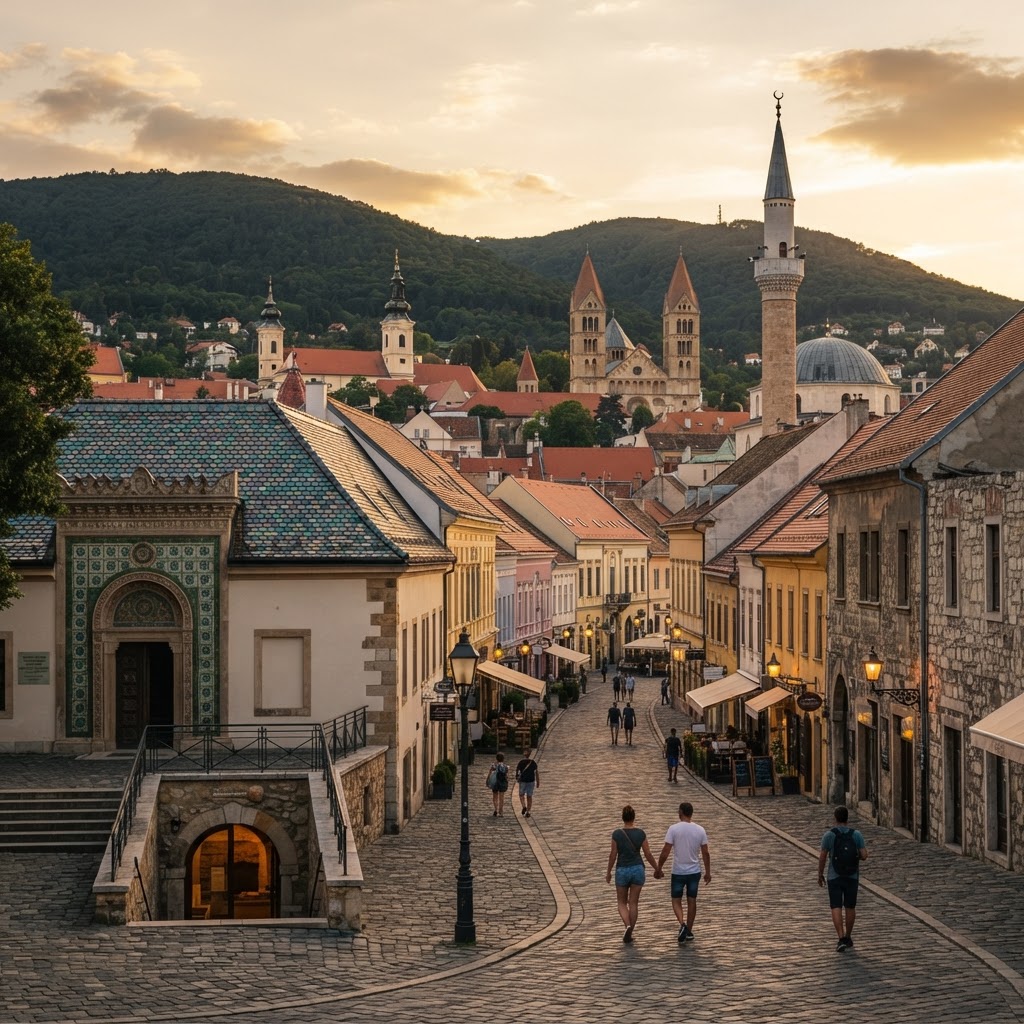
Pécs, Hungary
Hungary
Roman crypts, Ottoman minarets, and iridescent ceramics tucked beneath the Mecsek slopes.
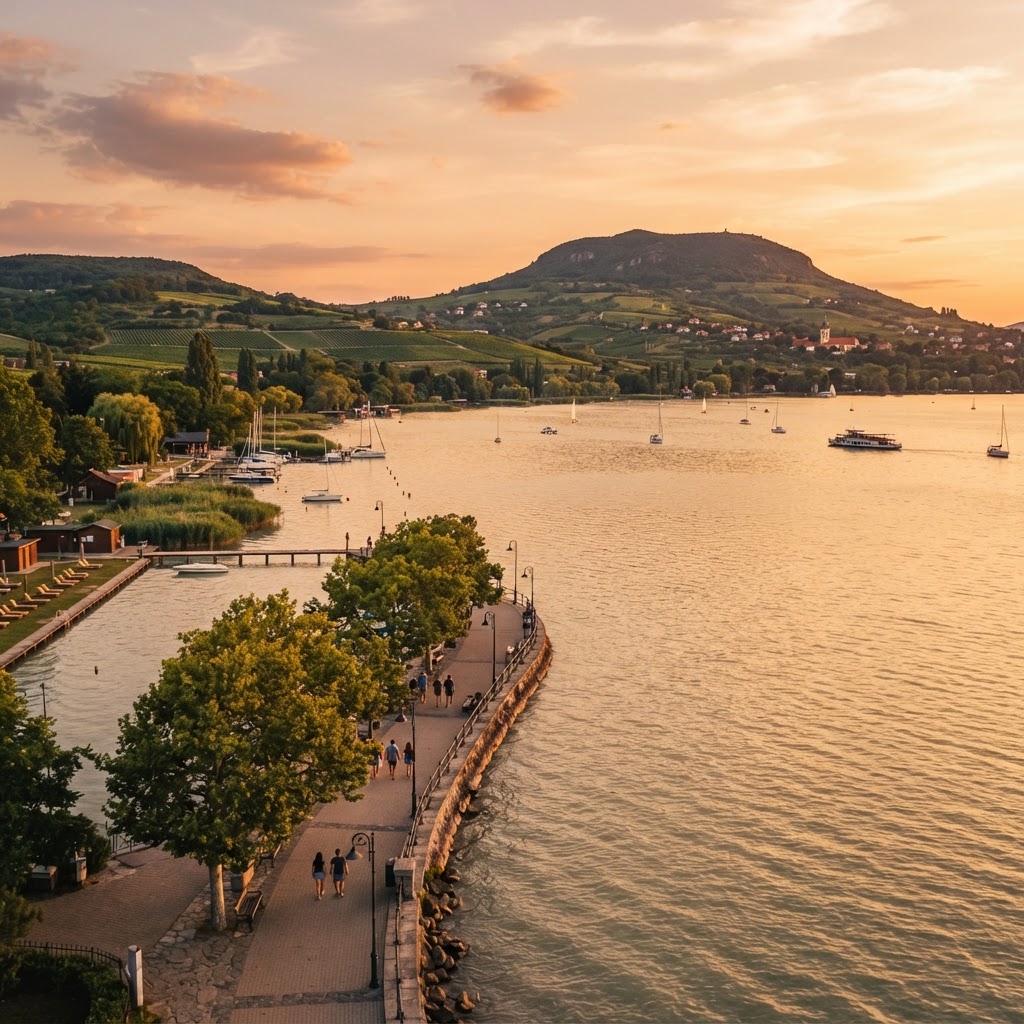
Lake Balaton
Hungary
Volcanic vineyards, quiet lidos, and grand lakeside promenades across Hungary's inland sea.
Readymade itineraries
Start from a tested template — then make it yours.
Ready to book
Lock in your Eger trip
Everything in one place. We may earn a small commission — it never costs you more.
Plan a trip to Eger
Pick a length and we'll build a day-by-day plan around how you travel — neighborhoods clustered, budget-aware, and editable.
Get better at planning trips like this
Occasional notes on planning smarter — no spam, unsubscribe anytime.
Plan a trip to Eger
Turn this guide into a day-by-day plan built around your pace, your group, and your budget.
Build my Eger trip