United Arab Emirates
Dubai
Dubai is air-conditioned ambition — see the height, then escape to the desert and the old creek.
Dubai is a city of superlatives — the tallest building, the biggest mall, the most engineered beach. The trick is balancing the spectacle with the older, quieter Dubai most visitors skip.
Do the Burj Khalifa and the malls, but also take a boat across the Creek to Deira's spice souk, eat an authentic Emirati meal, and get into the desert for a sunset.
It's hot for most of the year; plan around air conditioning and mornings/evenings. Respect the culture and the dress code, and Dubai is one of the safest, easiest big cities you can visit.
How long
3–4 days
Best time
November–March
When to go
The only genuinely pleasant window — warm, sunny, and dry. April–October is extremely hot and outdoor life moves indoors or to evenings.
Winter (Nov–Mar)
Perfect — beach weather, outdoor dining, festivals. Peak season.
Shoulder (Apr, Oct–Nov)
Hot but manageable; cheaper and quieter.
Summer (May–Sep)
40°C+. Heavily discounted hotels; life is indoors and in malls.
Neighborhoods
Where you stay shapes the trip. Here's how to think about it.
Downtown & Burj
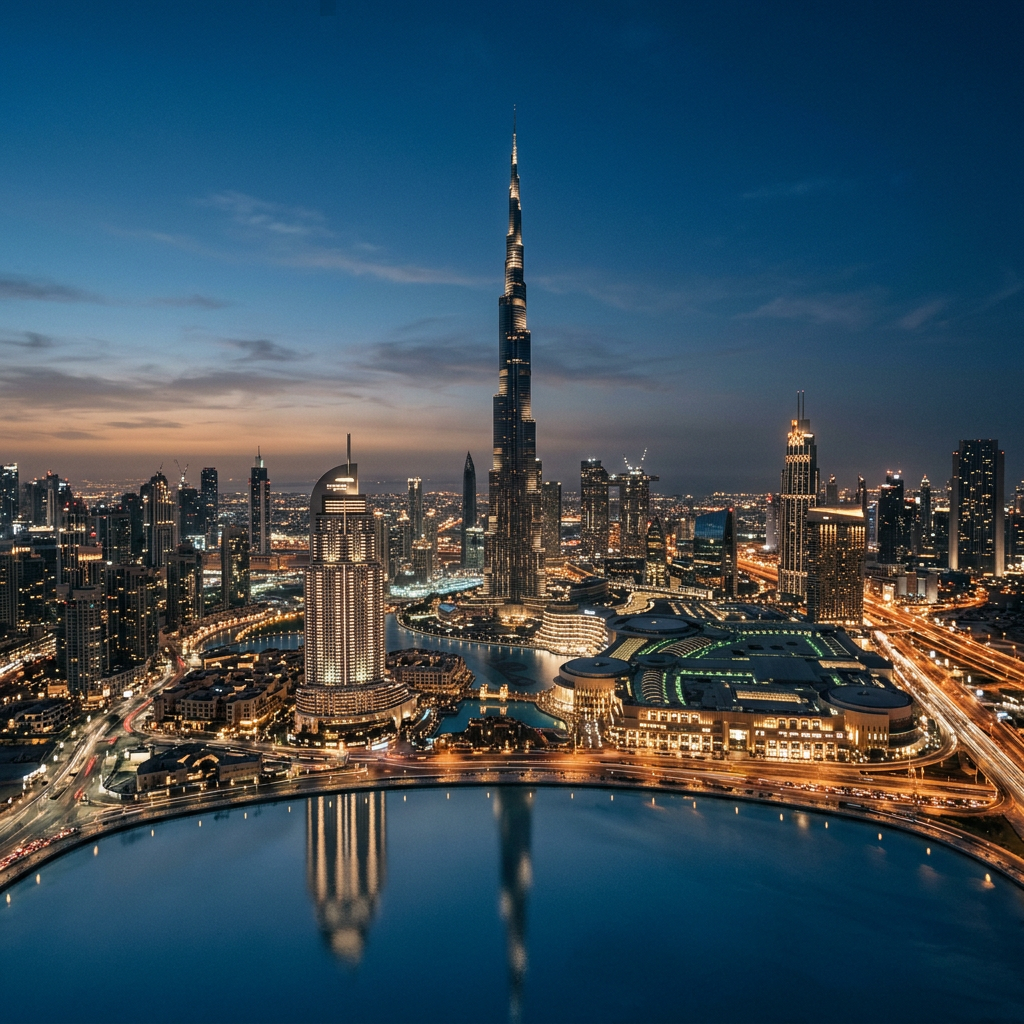
First-timersThe postcard — Burj Khalifa, Dubai Mall, and the fountain show. Stay here for the spectacle.
Don't miss: The fountain show at sunset and the view from the Burj (book ahead).
Old Dubai (Deira & Al Fahidi)
Culture, foodThe real, old city — spice and gold souks, the Creek, and the city's best cheap food.
Don't miss: An abra (water taxi) across the Creek for 1 dirham.
Dubai Marina & JBR
Beach, nightlifeThe beach-and-skyscraper strip — walk the marina, swim at JBR, dine by the water.
Don't miss: A walk along the Marina at night.
DIFC
Food, artThe financial district — art galleries, the city's best fine dining, and a sleek, quiet vibe.
Don't miss: Gallery hopping and a fine-dining dinner.
The Desert
Everyone, onceNot a neighborhood, but essential — dunes, camels, and a sunset you can't get in the city.
Don't miss: A desert safari at sunset with a Bedouin-style dinner.
Practical
Currency
UAE dirham (AED). Cards everywhere; carry some cash for souks and small places.
Language
Arabic. English is universal — Dubai is deeply international.
Getting around
The metro is clean and cheap (covers the main spine). Taxis are abundant and metered. Ride apps (Careem) work well.
Safety
One of the safest cities in the world, day and night. Petty crime is very rare.
Budget range
$120–250 per person per day at mid-range. Luxury is easy to find; budget options exist if you avoid beachfront hotels.
Tipping
10–15% appreciated at restaurants (often added). Tip hotel and guide staff a few dirhams.
How to plan it
- Book the Burj Khalifa observation deck ahead — at the exact sunset slot you want.
- Plan around the heat: mornings and evenings out, midday indoors or in malls.
- Dress modestly in malls, souks, and mosques — shoulders and knees covered.
- Cross the Creek on an abra for 1 AED — the best cheap experience in Dubai.
- Do one desert trip — sunset dunes are the Dubai most visitors skip.
Questions
How many days in Dubai?
Three to four. Three covers the city; four adds a desert trip and more beach time.
Is alcohol allowed in Dubai?
Yes, in licensed hotels, bars, and restaurants — not in public or sold in supermarkets.
What's the dress code in Dubai?
Modest in malls, souks, and mosques: shoulders and knees covered. Beachwear is fine at beaches and pools.
When's the best time to visit Dubai?
November to March — warm, sunny, and dry. Summer is extremely hot.
More in United Arab Emirates

More in Middle East & Africa

Wadi Rum
Jordan
Wadi Rum is Jordan's red desert — sandstone valleys, Bedouin camps, and a moonscape used as Mars in the movies.

Durban
South Africa
Durban is South Africa's beach and surf — the Indian Ocean coast, a curry culture, and the gateway to the Drakensberg.

Victoria Falls
Zimbabwe & Zambia
Victoria Falls is the smoke that thunders — the world's widest sheet of falling water, on the border of two countries.

Zanzibar
Tanzania
Zanzibar is a spice island of stone town and white sand — Swahili doors, dhows, and the turquoise Indian Ocean.

Nairobi
Kenya
Nairobi is the safari capital — a national park inside the city, and the gateway to the Masai Mara.

Essaouira
Morocco
Essaouira is Morocco's windy Atlantic port — a rampart medina, fish grilled at the port, and the kite-surf capital.
Readymade itineraries
Start from a tested template — then make it yours.
Where to book
Plan a trip to Dubai
Pick a length and we'll build a day-by-day plan around how you travel — neighborhoods clustered, budget-aware, and editable.
Get better at planning trips like this
Occasional notes on planning smarter — no spam, unsubscribe anytime.
Plan a trip to Dubai
Turn this guide into a day-by-day plan built around your pace, your group, and your budget.
Build my Dubai trip