
Thailand
Chiang Mai Itinerary: How Many Days + Sample Plans
Chiang Mai is Thailand's slow north — temples, mountains, and khao soi in a moated old city.
Traveler rating
Loved by food lovers.
Plan & book
Sort your Chiang Mai trip in one place.
We point you to the booking tools we'd actually use — live prices, no markup. Or let us build the day-by-day plan around you first, then book.
Pick your trip length
How many days do you need in Chiang Mai?
Each of these opens a full day-by-day plan you can make your own.
- 2 days — Two days — the essentials, no rushing.
- 3 days — Three days — the icons plus one neighborhood.
- 4 days — Four days — a full city without sprinting.
- 5 days — Five days — room for a day trip.
- 7 days — A week — the city at a human pace.
- With Kids trip — Shorter days, earlier dinners, what to skip.
- For Couples trip — Two-person pacing with evenings built in.
- Solo trip — A plan that works well on your own.
- Food trip — Meals and markets as the anchors.
- Outdoors trip — Nature, walks and open air.
- Culture trip — History, museums and the streets around them.
Chiang Mai is Thailand's cultural north — a moated old city of temples, mountain villages, and the best khao soi in the country. It's slower, cheaper, and cooler than Bangkok; stay a week, take a cooking class, and do a mountain trek. The digital-nomad capital of Southeast Asia.
3–5 days
Best time
November through February for crisp mornings, pleasant mountain breezes, and clear blue skies.
Budget
฿1,000–2,500 per person per day at mid-range. Excellent value.
Build your own trip with these prebuilt itineraries
Each one is a tested, day-by-day plan for Chiang Mai — start here, then make it yours.
3 Days in Chiang Mai for First-Time Visitors
3 days in chiang mai first time
4 Days in Chiang Mai: Ethical Elephant Sanctuary
chiang mai ethical elephant sanctuary itinerary
3 Days in Chiang Mai: Temples & Doi Suthep
chiang mai temples doi suthep itinerary
4 Days in Chiang Mai for Food (Cooking Class, Markets)
chiang mai cooking class food itinerary
Chiang Mai is the slow-paced cultural counterweight to Bangkok's intense concrete sprawl. It anchors northern Lanna heritage with hundreds of golden wats framed by mist-covered mountain ridges, unmatched regional food like khao soi, and leafy alleyways that encourage wandering. It gives travelers room to breathe, hike, take dedicated cooking workshops, and encounter northern traditions without capital-city friction.
Where to stay
Getting there
Getting around
Food & drink
What it costs
Things to do
Book tours & tickets in Chiang MaiSkip it if
Skip it if your Thailand dream hinges on tropical beaches, late-night mega-clubs, or rapid metropolitan energy; Chiang Mai is an inland mountain basin focused on history, café culture, and mountain landscapes.
When to go
November to February brings dry days with daytime temperatures around 28°C and cool evening chills ideal for mountain excursions, though peak festival crowds drive hotel rates up. March and April bring intense heat and agricultural haze ('burning season') that makes outdoor breathing hazardous, while the summer monsoons trade brief tropical downpours for lush mountain jungle scenery and low prices.
Peak (November–February)
Crisp, dry, and cool; the ideal window for trekking and city walking, but requires booking boutique rooms months in advance around Yi Peng/Loy Krathong.
Burning Season (late February–April)
Severe agricultural burning fills the mountain basin with heavy particulate smoke; air quality frequently hits hazardous levels, so avoid this window.
Monsoon / Green Season (May–October)
Short, dramatic afternoon rains keep the valleys lush and waterfalls raging; hotel rates plummet and crowds vanish outside of August.
Neighborhoods
Where you stay shapes the trip. Here's how to think about it.
Old City
Ancient brick ramparts, quiet backsois, morning alms routes, and hundreds of historic teak temples enclosed by a square moat.
Best for:First-timers, temple-goers, and travelers wanting car-free walking access to night markets
Don't miss:The teak prayer hall at Wat Phan Tao and the Sunday Walking Street market stretching along Ratchadamnoen Road.
Nimmanhaemin (Nimman)
Chic, urban strip driven by specialty third-wave roasters, boutique art spaces, rooftop cocktail lounges, and modern design hubs.
Best for:Digital nomads, specialty coffee enthusiasts, cocktail drinkers, and modern hotel seekers
Don't miss:Pour-over coffees along Nimman Soi 1 and browsing local design studios inside the open-air One Nimman courtyard.
Wat Ket & Riverside
Relaxed, greener enclave east of the Ping River with leafy boutique properties, historic wooden houses, and breezy riverfront dining.
Best for:Couples, luxury travelers, and anyone prioritizing quiet garden atmospheres over street buzz
Don't miss:Riverside dinners along Charoenrat Road and exploring the antique galleries tucked behind Wat Ket Karam.
Chang Moi & Chinatown (Kad Luang)
Bustling merchant thoroughfare blending aromatic spice markets, woven handicraft shops, and an emerging wave of artisan espresso counters.
Best for:Curious food shoppers, market photographers, and craft-goods seekers
Don't miss:Exploring the dry-goods and northern snack stalls inside Warorot Market, followed by woven rattan shopping along Chang Moi Kao Road.
Santitham
Gritty, student-fueled northern enclave packed with cheap local noodle stalls, hot-pot joints, and virtually zero tour buses.
Best for:Budget foodies, long-term stays, and travelers escaping foreign-tourist zones
Don't miss:Grabbing cheap late-night bowls of boat noodles and northern Thai roasted sausages along Thanin Market's street stalls.
Money & essentials
Currency
Thai baht (THB). Cash for small places; cards at hotels.
Language
Thai. English common in tourist areas.
Safety
High safety profile for solo and family travelers; chief risks are scooter collisions on mountain curves, bag snatches on crowded market fringes, and poor air quality during spring burning season.
Budget range
฿1,000–2,500 per person per day at mid-range. Excellent value.
Tipping
Tipping is not traditional, but rounding up the bill or leaving 20–50 THB at casual eateries and 10% in upscale sit-down restaurants is appreciated.
See what a trip to Thailand actually costs. Travel Budget Co.
How to plan it
- Stay inside the Old City if you want to walk out your door to temples and markets; stay in Nimmanhaemin if your priority is café culture and cocktails.
- Do not try to combine Doi Inthanon National Park and Doi Suthep on the same day; Doi Inthanon is a two-hour drive south and requires a dedicated full-day trip.
- Book ethical sanctuaries like Elephant Nature Park at least 4 to 6 weeks in advance if traveling between November and January.
- Time your stay over a weekend to catch the massive Sunday Walking Street along Ratchadamnoen Road or the Saturday Wualai silverware market.
- Pair Chiang Mai with a 3-hour transfer north to Chiang Rai or a flight down to the southern Andaman islands (Krabi or Phuket) rather than rushing back through Bangkok.
Questions
More in Thailand
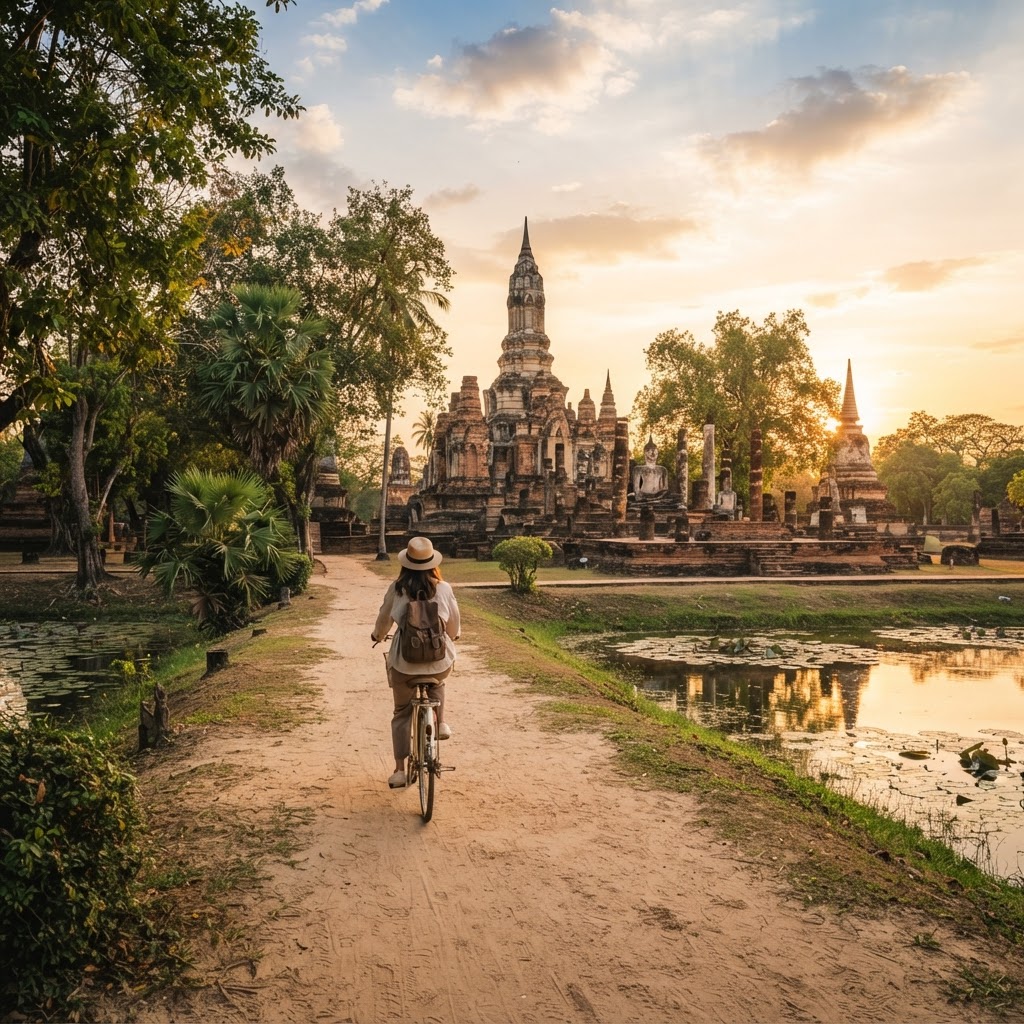
Sukhothai, Thailand
Thailand
Cycle among the birthplace ruins of Siam, free from highway traffic and mass tour buses.
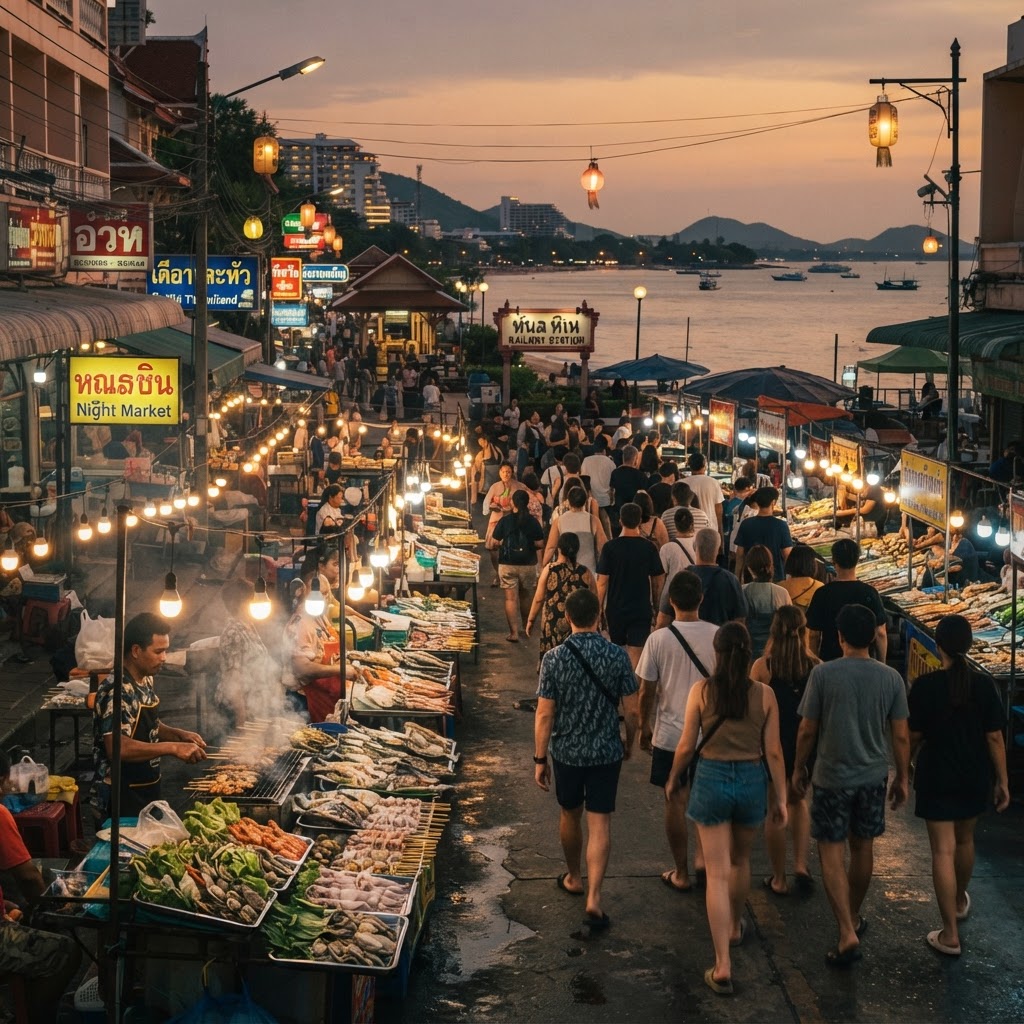
Hua Hin
Thailand
Royal coastal ease, night-market seafood, and low-friction seaside rest without the island transit hassle.
Readymade itineraries
Start from a tested template — then make it yours.
Ready to book
Lock in your Chiang Mai trip
Everything in one place. We may earn a small commission — it never costs you more.
Plan a trip to Chiang Mai
Pick a length and we'll build a day-by-day plan around how you travel — neighborhoods clustered, budget-aware, and editable.
Get better at planning trips like this
Occasional notes on planning smarter — no spam, unsubscribe anytime.
Plan a trip to Chiang Mai
Turn this guide into a day-by-day plan built around your pace, your group, and your budget.
Build my Chiang Mai trip